
Coolcation travel is gaining attention as holidaymakers look beyond Europe’s traditional summer destinations for cooler weather, outdoor experiences and a different way to spend their time off. Finland, Norway, Sweden, Denmark and Iceland are increasingly part of the conversation, offering alternatives to holidays built around intense sunshine, crowded beaches and high temperatures.
The term “coolcation” combines “cool” and “vacation”. It describes a holiday in a destination where summer temperatures are generally more comfortable for the visitor, often with opportunities to explore nature, walk through cities, swim in lakes or spend time outdoors without the persistent heat experienced in some warmer regions.
The idea is not entirely new. Travellers have long visited Scandinavia for its landscapes, fresh air, coastal scenery and distinctive summer light. What has changed is the growing attention being paid to the weather itself when people decide where to go. A destination’s appeal is no longer measured only by how much sunshine it offers, but also by whether visitors can comfortably enjoy what is there.
Recent reporting has pointed to rising interest in cooler European destinations, including the Nordic countries. A 2025 academic study published in Competitiveness Review examined the coolcation trend as a response to rising temperatures and changing tourist preferences. In 2026, Euronews also reported increased interest in northern destinations, including parts of Finland and Norway, as travellers reconsidered where to spend their summer holidays. These developments suggest that climate comfort is becoming a more visible consideration in travel planning, although the scale and staying power of the trend will depend on travellers’ choices and future conditions.
The appeal is easy to understand. In parts of southern Europe, summer can bring prolonged periods of intense heat, making sightseeing, hiking and other outdoor activities difficult during the middle of the day. For some visitors, particularly families with young children, older travellers and people who prefer active holidays, cooler conditions can make a substantial difference to the experience.
Northern Europe offers a different proposition. The attraction is not simply lower temperatures, but the chance to build a holiday around the landscape and the rhythm of the season. A morning walk along the coast, an afternoon exploring a historic town and an evening beside a lake can become the main event rather than activities squeezed between hours of heat.

Finland illustrates this particularly well. Its summer travel experiences extend from Helsinki’s waterfront, restaurants and public saunas to the forests and lakes of the Lakeland region. Further north, Finnish Lapland offers long, bright summer days and the midnight sun above the Arctic Circle. Visitors can spend their time hiking, cycling, paddling, exploring local communities or staying in a lakeside cottage. The country’s appeal rests on this combination of nature, accessible outdoor activities and a slower pace of travel, rather than on any guarantee of cold weather.
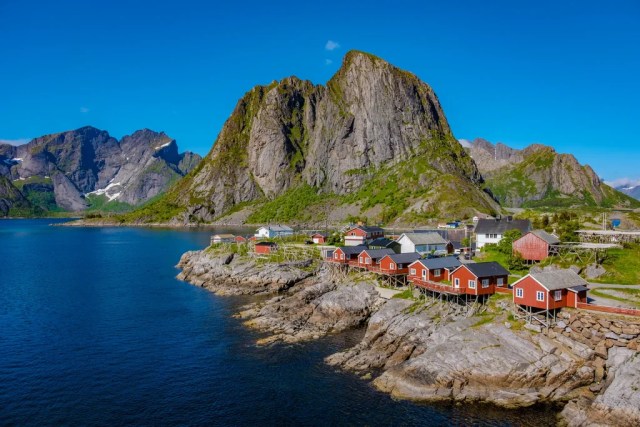
Norway offers a different landscape, with fjords, mountains, coastal settlements and scenic routes that lend themselves to road trips and outdoor exploration. Sweden combines archipelagos, forests, lakes and lively cities, while Denmark provides a milder coastal setting, cycling-friendly cities and opportunities to combine urban sightseeing with time by the sea. Iceland, meanwhile, attracts visitors with volcanic landscapes, waterfalls, geothermal areas and dramatic coastlines. Each country has its own climate, culture and travel costs, so a coolcation is not a single type of holiday or a uniform Nordic experience.

For travellers accustomed to Mediterranean beach resorts, the change may require a different approach to planning. A summer trip to Northern Europe is not necessarily about spending every day beside a swimming pool or expecting reliably hot weather. It may involve packing layers, checking local forecasts and allowing for rain, wind or sudden changes in temperature. Even in the Nordic countries, heatwaves can occur, and some destinations can experience surprisingly warm summer days.
The distinction matters because the word “coolcation” can create expectations that the weather alone cannot fulfil. Northern Europe is not permanently cool, and temperatures vary considerably between countries, regions and weeks. Coastal areas, inland cities and northern wilderness destinations can offer very different conditions at the same time. Travellers who choose a destination solely on the assumption that it will be cold may be disappointed. Those who want comfortable conditions for walking, sightseeing and outdoor activities are more likely to find the concept useful.
There is also a practical question of cost. Nordic countries can be expensive places to visit, particularly when accommodation is in high demand during the short summer season. A cottage by a Finnish lake, a hotel in central Copenhagen or a road trip through Norway’s fjord region may offer a memorable experience, but none should automatically be considered a budget alternative to southern Europe. Flights, accommodation, restaurant prices, car hire and transport between destinations all need to be considered together.
Timing is equally important. June, July and August bring long days across much of Northern Europe, but they are also popular travel months. The midnight sun is a distinctive attraction in the far north, while coastal towns, islands and lakeside destinations become particularly appealing during summer. Travellers seeking quieter experiences may benefit from looking beyond the busiest weeks, provided they check seasonal transport schedules, accommodation availability and the opening dates of attractions.
The growth of coolcation travel also raises questions for destinations that have traditionally attracted fewer summer visitors than Europe’s major tourist centres. More demand can support local accommodation providers, restaurants, guides and transport services, helping communities benefit from tourism. However, popularity can bring pressure of its own. Small towns, fragile natural environments and remote destinations may have limited infrastructure, while an increase in visitors can put pressure on accommodation and transport during peak periods.
For Northern European destinations, the challenge will be to welcome visitors without allowing the search for cooler holidays to undermine the qualities that attract them in the first place. Responsible travel choices, respect for local communities and natural environments, and visits beyond the busiest locations can help spread tourism more widely. Cooler weather alone does not make a holiday sustainable, particularly when long-distance flights or extensive driving are involved.
For travellers, the strongest reason to consider a coolcation may ultimately be that it opens up a different definition of a summer holiday. Instead of planning a trip around guaranteed sunshine, visitors can choose experiences that suit their interests: walking through Finnish forests, taking a ferry between Swedish islands, exploring Norwegian coastal landscapes or spending a few days discovering Iceland’s natural attractions.
The trend does not mean that Mediterranean holidays are losing their appeal or that every traveller wants to escape the heat. Many people still choose destinations for their beaches, food, culture and warm evenings. Coolcation travel simply reflects a broader range of priorities, with weather comfort becoming an important part of the decision for some holidaymakers.
As summers become a more prominent consideration in travel planning, Northern Europe has an opportunity to show that its appeal extends well beyond winter scenery and northern lights. Its lakes, coastlines, cities, forests and unusually long summer days offer plenty of reasons to visit in their own right. For travellers looking for a summer holiday built around fresh air and time outdoors, the coolcation may be less a passing label than a useful way to describe a choice they were already beginning to make.


