
Cash or card when travelling abroad is not simply a question of convenience. The choice can affect how much a trip costs, whether a traveller can pay for essential services, and what happens when a bank blocks a transaction or a payment terminal stops working. For most international travellers, the safest approach is to carry both, using a bank card for most purchases and keeping a modest amount of local currency for situations where electronic payments are unavailable or impractical.
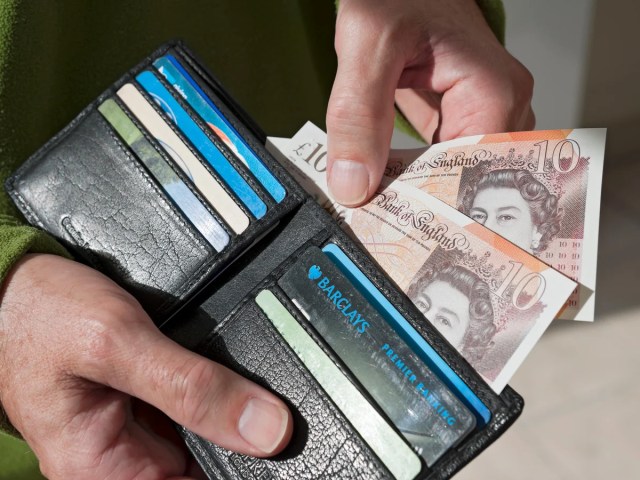
Card payments have made travelling without much cash easier in many destinations. Hotels, international airport shops, major retailers and restaurants in large cities often accept debit and credit cards, allowing visitors to pay without exchanging large sums before departure. Contactless payments and mobile wallets can make everyday transactions quicker, particularly in countries where digital payments are widely established.
However, a destination’s reputation for being technologically advanced does not mean cash is unnecessary. Payment habits vary between countries, regions and individual businesses. A card that works reliably in a capital city might be less useful in a rural area, at a small market or when paying a local service provider. Even within the same country, travellers can encounter significant differences in how businesses accept payment.
Cash remains useful for small purchases, public toilets that charge a fee, tips where appropriate, local markets, street vendors and other transactions where card acceptance may be limited. It can also provide a practical backup during a power outage, a communications failure or a temporary disruption to payment systems. Travellers arriving late at night may need cash for an immediate expense before they have an opportunity to locate an ATM or exchange currency.
The amount of cash worth carrying depends on the destination and the length of the trip. There is rarely a good reason to carry the entire holiday budget in banknotes. A smaller reserve that covers a few basic expenses can offer reassurance without exposing the traveller to unnecessary losses if a wallet is stolen or misplaced. Travellers should also consider local conditions, including whether ATMs are readily available, whether cash is commonly used and whether their accommodation or transport provider requires payment in advance.
Using a card can reduce the need to exchange money before departure, but it does not automatically make every transaction cheaper. Banks and card issuers may charge foreign transaction fees, ATM withdrawal fees or currency conversion charges. Some cash machines also impose their own fees, which may be disclosed on the screen before a withdrawal is completed. These costs vary by provider and card, so checking the terms before travelling is more useful than assuming all cards offer the same deal.
Currency conversion deserves particular attention. When paying by card abroad, a terminal may offer to charge the transaction in the traveller’s home currency rather than the local currency. This service is known as dynamic currency conversion. Although seeing a familiar currency can make a purchase easier to understand, the exchange rate and additional costs may be less favourable than those applied by the card issuer. Choosing the local currency is generally the better starting point, provided the traveller has checked the fees and exchange-rate terms attached to their card.
For example, a visitor from the United States paying for a meal in Finland may be offered a choice between euros and US dollars at the payment terminal. Selecting euros usually avoids accepting the merchant’s or payment provider’s separate conversion offer. The card issuer then applies its own conversion arrangements, which may include a foreign transaction fee. Travellers should review the amount displayed before confirming payment rather than selecting an option automatically.
The difference between debit and credit cards also matters. A debit card draws money from the linked bank account, while a credit card uses an approved line of credit. Either can work well abroad, depending on the issuer’s international acceptance, fees and security controls. Credit cards may be particularly useful for hotel deposits, car rental bookings and other transactions where a business places a temporary hold on funds. Such holds can reduce the available credit until they are released. With a debit card, a similar hold may temporarily restrict money in the traveller’s bank account, potentially affecting spending on food, transport and other essentials.
Neither card type is universally superior. Some accommodation providers and rental companies have specific payment requirements, including rules about the cardholder’s name or the type of card accepted. Travellers should check these conditions before arrival, especially when a booking involves a substantial deposit or a rental vehicle.
Security is another reason not to rely entirely on one payment method. Carrying large amounts of cash creates a direct risk of loss or theft, and stolen banknotes are generally difficult to recover. Cards, by contrast, may offer options to freeze the account, report unauthorised transactions or request a replacement. The protections available depend on the card, issuer, jurisdiction and circumstances, so travellers should understand the relevant procedures before leaving home.
Cards also introduce risks of their own. A lost wallet, a damaged chip, a blocked transaction or an inaccessible banking app can leave someone unable to pay at a critical moment. Mobile payments may fail when a phone battery runs out, the device is lost or the service is not accepted. Carrying a second payment card from a different account or issuer can reduce dependence on a single bank or payment network. Keeping that backup separately from the main wallet makes it more useful if the primary card is lost or stolen.
Before departure, travellers should check whether their bank requires notification of overseas travel, confirm that their card is enabled for international use and save the issuer’s contact details somewhere accessible without the banking app. It is also sensible to understand how to freeze a card, arrange emergency assistance and access funds if the primary account becomes unavailable. A backup card is only helpful if it works in the destination and the traveller can access it when needed.
ATM use requires similar preparation. Travellers should favour machines in secure, well-lit locations, ideally inside established bank branches or reputable premises. They should inspect the machine for anything suspicious, shield the keypad when entering a PIN and avoid accepting unsolicited help from strangers. When an ATM offers to convert a withdrawal into the home currency, the traveller should examine the exchange rate and charges carefully. Choosing to be charged in the local currency generally avoids the ATM operator’s separate conversion rate, although the traveller’s bank may still apply its own fees.
There are also practical considerations when crossing borders with cash. Countries can impose declaration requirements or restrictions on the movement of currency and certain monetary instruments. The rules depend on the countries involved, the amount carried and, in some cases, whether travellers are entering or leaving a customs territory. Anyone carrying a substantial sum should check the relevant official customs guidance before travelling rather than relying on assumptions about what is permitted.
For travellers visiting several countries on one trip, the best arrangement may change along the way. A card can be convenient for accommodation and larger purchases in a city where electronic payments are common, while cash may be more useful for smaller transactions in a destination with a stronger cash culture. Travellers should research payment practices at their actual destinations instead of assuming that neighbouring countries operate in the same way.
The same principle applies to budgeting. Paying by card creates a digital record that can make it easier to track purchases, review spending and identify unfamiliar transactions. Cash can help travellers set a firm daily spending limit, but it is harder to reconstruct where every banknote went. A combination of both methods allows travellers to keep records of larger purchases while reserving cash for expenses that are difficult to pay electronically.
Travellers should also avoid treating exchange counters at airports as their only source of foreign currency. Airport facilities can be convenient when a small amount of cash is immediately necessary, but rates and fees vary. Comparing the terms offered by a bank, a reputable exchange provider and an ATM can help travellers make a more informed decision. There is no single option that is always cheapest, because the result depends on the exchange rate, fixed charges, percentage fees and the amount exchanged.
Ultimately, the choice between cash and card when travelling abroad depends on where the traveller is going, how they plan to spend and how easily they could access another payment method if something goes wrong. A card-first approach is practical in many destinations, but going completely cashless can create avoidable problems. Carrying a limited amount of local currency, using a card with competitive foreign exchange terms and keeping an independent backup payment method offers a more resilient arrangement than relying on any one option.
The aim is not to carry as much money as possible or to avoid cash altogether. It is to make sure that a failed transaction, an unexpected fee or a missing wallet does not turn a manageable inconvenience into a serious disruption to the trip.


