A Cape Town 7-day itinerary offers enough time to experience the city’s most recognisable landmarks, explore the historic Cape Winelands and drive along some of South Africa’s most impressive coastal roads. From the summit of Table Mountain to the vineyards of Stellenbosch and the Atlantic coastline around Chapman’s Peak, a week in Cape Town brings together landscapes, history, food, wine and outdoor experiences that make the city one of the country’s most distinctive travel destinations.
Located on the southwestern coast of South Africa, Cape Town is a destination where the geography shapes much of the visitor experience. Mountains rise behind the city centre, beaches stretch along the Atlantic coastline, and established wine-producing areas lie within driving distance of the urban centre. These different settings make it possible to experience several sides of the Western Cape without spending the entire holiday travelling between destinations.

A seven-day visit is best approached as a series of connected experiences rather than an attempt to see every attraction. Table Mountain, the Cape Peninsula, the Winelands and the city’s historic neighbourhoods each deserve time. Travellers who organise their days around nearby attractions can also avoid unnecessary journeys across the city, where traffic can become a factor, particularly during busy holiday periods.
Day one can begin in the city centre, where Cape Town’s history and contemporary urban life are closely connected. The Company’s Garden provides a useful starting point, surrounded by museums, historic buildings and public institutions. Nearby, the Iziko South African Museum offers an introduction to the country’s natural and cultural history, while the South African National Gallery provides an opportunity to explore local and international art. The historic Bo-Kaap neighbourhood, recognised for its brightly painted houses and cobbled streets, is another worthwhile stop. Its history is closely associated with Cape Town’s Cape Malay community, whose cultural and culinary traditions have helped shape the city’s identity.
A walk through Bo-Kaap offers more than a collection of colourful photographs. The neighbourhood has a long history connected to enslaved people brought to the Cape, Muslim communities and generations of families who established their homes in the area. Visitors interested in understanding Cape Town beyond its scenery should make time to learn about this history. Local restaurants and food businesses also offer opportunities to experience Cape Malay cooking, including dishes influenced by generations of cultural exchange.

The afternoon can be spent around the V&A Waterfront, one of Cape Town’s busiest visitor areas. Set against the working harbour and mountain backdrop, the precinct combines restaurants, shops, accommodation, cultural attractions and boat excursions. It is also the departure point for trips to Robben Island, where Nelson Mandela was imprisoned for 18 of the 27 years he spent behind bars during apartheid. The island is now a UNESCO World Heritage Site and a significant place in South Africa’s political history. Visitors should allow several hours for the excursion and check ferry availability in advance, as departures are affected by weather and sea conditions.

Table Mountain deserves a dedicated day, preferably one that can be adjusted around the weather. The flat-topped mountain is among Cape Town’s defining geographical features, and its summit provides wide views across the city, Table Bay and the surrounding mountain ranges. Travellers can reach the upper station using the Table Mountain Aerial Cableway or choose one of several hiking routes for a more physically demanding ascent. The cableway’s rotating cabins provide views during the journey, while the summit has walking paths that allow visitors to explore different viewpoints.
Weather is an important consideration. Strong winds, poor visibility and other unfavourable conditions can affect cableway operations, sometimes resulting in temporary closures. Travellers should check the official operating updates before setting out rather than treating a pre-booked visit as guaranteed. The cableway also has seasonal operating hours, which makes checking the schedule particularly important when planning an afternoon visit.

Those who prefer to hike should choose a route that matches their fitness and experience. Table Mountain is not a place where visitors should underestimate the terrain or changing weather. Proper footwear, drinking water and an early start are sensible precautions. Anyone unfamiliar with the mountain can consider joining an experienced local guide.
After descending, Kirstenbosch National Botanical Garden offers a quieter way to spend the remainder of the day. Situated on the eastern slopes of Table Mountain, the garden is internationally recognised for its collection of indigenous South African plants. Its landscapes provide a different perspective on the region’s natural environment, with walking paths, mountain views and the popular Centenary Tree Canopy Walkway, commonly known as the Boomslang. The combination of the mountain and Kirstenbosch makes for a full day without needing to travel far beyond the southern suburbs.

The third day is best reserved for the Cape Peninsula, where the road south from the city passes through coastal neighbourhoods, beaches and mountain scenery before reaching Cape Point and the Cape of Good Hope. This is one of the most rewarding day trips from Cape Town, particularly for travellers who enjoy driving and stopping at places along the way.
A route through Camps Bay and Hout Bay provides an opportunity to appreciate the Atlantic coastline before continuing towards Chapman’s Peak Drive. The road is famous for its dramatic engineering and views, winding along steep mountain slopes above the ocean between Hout Bay and Noordhoek. There are designated viewpoints where motorists can stop when conditions permit. However, visitors should check the road’s operating status before travelling. Maintenance work, rockfalls and adverse weather can affect access or cause delays.

Noordhoek offers a change of scenery, with its long beach and open coastal landscape. From there, travellers can continue towards the Cape of Good Hope section of Table Mountain National Park. Despite common descriptions of Cape Point as the southernmost point of Africa, that distinction belongs to Cape Agulhas, further along the Western Cape coastline. Cape Point and the Cape of Good Hope are nevertheless among the region’s most recognisable natural landmarks.
At Cape Point, visitors can explore walking trails, viewpoints and the historic lighthouse area. The Flying Dutchman funicular provides an alternative to walking uphill to the upper lighthouse viewpoint. The surrounding reserve is also home to wildlife, including baboons, antelope and a variety of bird species. Visitors should keep a safe distance from animals and avoid feeding them, particularly baboons, which can become aggressive when they associate people with food.
Boulders Beach, near Simon’s Town, makes a worthwhile addition to the return journey. The beach is known for its African penguin colony, which visitors can observe from designated viewing areas and boardwalks. The penguins are wild animals, and the viewing arrangements are designed to protect both the colony and the public. Swimming and beach access are available in designated areas, but visitors should follow the site’s conservation rules and avoid approaching or touching the birds.
The fourth day can be devoted to Constantia, Cape Town’s closest established wine-producing area. Unlike the longer journeys into Stellenbosch and Franschhoek, Constantia is accessible from the southern suburbs, making it suitable for travellers who want a Winelands experience without committing to a full day on the road.
The Constantia Valley has a long association with South African wine production. Groot Constantia, established in 1685, is widely recognised as the country’s oldest wine estate. Its historic buildings, vineyards and wine-tasting facilities provide an opportunity to understand the development of the region’s wine industry. Other estates in the valley offer their own tasting experiences, restaurants and landscaped grounds.

A visit to Constantia is not necessarily about moving between as many estates as possible. Spending time at one or two wineries allows visitors to appreciate the wines, architecture and setting without turning the day into a rushed schedule. Some estates require advance reservations for particular tastings or dining experiences, especially during busy periods.
Wine tourism also calls for sensible transport arrangements. Visitors planning to taste several wines should consider a guided tour, private driver or organised transfer rather than driving themselves. The same consideration applies to the larger Winelands excursions later in the week.
Stellenbosch should be the focus of the fifth day. Located in the heart of the Cape Winelands, the university town is known for its Cape Dutch architecture, historic streets, galleries, restaurants and surrounding vineyards. Its oak-lined avenues and preserved buildings give the town a distinct character, while the nearby wine estates provide access to one of South Africa’s best-known wine-producing landscapes.
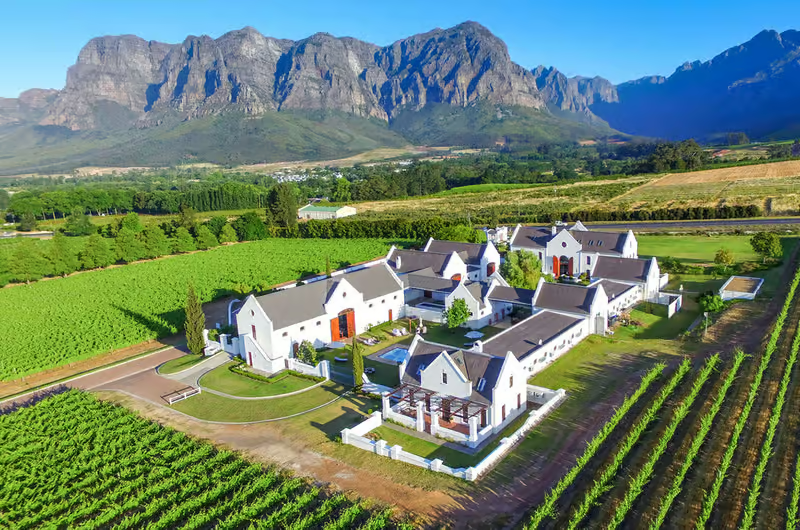
A morning walk through central Stellenbosch is a good way to begin. Dorp Street, one of the town’s historic streets, is particularly associated with its architectural heritage. The town also has a strong food culture, with restaurants and cafes offering everything from traditional South African dishes to contemporary dining.
The afternoon can be spent at a nearby wine estate. Stellenbosch is particularly associated with varieties such as Cabernet Sauvignon, although its producers cultivate a wider range of grapes. Visitors can book guided tastings, learn about local wine production and enjoy meals overlooking the vineyards. The experience varies considerably between estates, so choosing a winery based on its setting, tasting options and restaurant offering is more useful than attempting to visit as many properties as possible.
Travellers without a rental car can arrange organised excursions from Cape Town or use local tour operators. Stellenbosch is close enough to make a day trip practical, but visitors interested in a slower experience may prefer to spend a night in the Winelands before continuing their journey.
Franschhoek is a natural destination for the sixth day, particularly for visitors interested in the relationship between food, wine and the history of the Cape. The town has a strong French Huguenot heritage, reflected in its name, historic sites, restaurants and wine culture. French Protestant settlers arrived at the Cape in the late seventeenth century, and their influence became part of the region’s agricultural and culinary history.
The Franschhoek Wine Tram is one of the area’s best-known visitor experiences. It connects participating wine estates through a combination of tram and open-sided bus routes, allowing passengers to explore selected properties without driving between them. Routes and participating estates vary, so visitors should review the available options and reserve tickets ahead of time, particularly during peak travel periods.

Franschhoek is also recognised for its restaurant scene. A long lunch at a vineyard restaurant can become the main event of the day, with opportunities to sample regional ingredients and South African wines in a setting surrounded by mountains and vineyards. Visitors should check restaurant opening days and make reservations where necessary.
The journey between Stellenbosch and Franschhoek normally offers an opportunity to appreciate the wider Winelands landscape. However, road conditions should not be taken for granted. Travellers planning a drive through Franschhoek Pass should check official Western Cape road notices before departure, as closures and maintenance can affect access. Alternative routes may be necessary.
The final day can be kept flexible, allowing time for Cape Town’s beaches, neighbourhoods and attractions that may have been missed earlier in the week. Camps Bay is among the city’s best-known coastal areas, with a palm-lined beachfront, restaurants and views of the Twelve Apostles mountain range. Clifton’s beaches, divided into four small coves, offer another setting for a coastal afternoon. The Atlantic Ocean is generally cold, even during warmer months, so visitors should not assume that beach weather automatically means comfortable swimming conditions.
For a different experience, the coastal suburb of Muizenberg offers a long sandy beach and its recognisable colourful beach huts. The area is also associated with surfing, making it an appealing stop for visitors interested in water sports or beginner surf lessons. Those who prefer a quieter day can explore the southern peninsula’s coastal villages or return to Kirstenbosch if they have not had enough time to appreciate the gardens.
A final evening at the V&A Waterfront or in the city centre provides an opportunity to enjoy Cape Town’s restaurant scene before departure. Visitors interested in local food can look beyond the major tourist precincts to explore neighbourhood restaurants serving Cape Malay dishes, seafood and contemporary South African cuisine.

The best time to follow a Cape Town 7-day itinerary depends on the experiences a traveller values most. The summer months, particularly December to February, generally bring warmer, drier conditions and longer daylight hours, making them attractive for beaches, coastal drives and outdoor activities. They are also among the busiest periods for tourism, with higher demand for accommodation, popular restaurants and major attractions. Spring and autumn can offer a more moderate travel experience, while winter brings cooler, wetter conditions that may affect mountain access and outdoor plans.
Getting around requires some thought. A rental car provides flexibility for the Cape Peninsula and Winelands, especially when travelling between attractions that are not easily connected by public transport. However, visitors who are unfamiliar with the city should consider traffic, parking, road conditions and local driving rules. Guided excursions are a practical alternative for wine estates and longer day trips, while the MyCiTi bus network and ride-hailing services can help with selected journeys within Cape Town.
CHECK THIS: Where to Stay in Cape Town for Beaches, Food and Neighbourhood Exploration
Accommodation location can also influence how much of the city visitors manage to experience. The City Bowl and V&A Waterfront are convenient for museums, restaurants and central attractions, while the Atlantic Seaboard offers easy access to beaches and coastal scenery. The southern suburbs can be useful for travellers prioritising Kirstenbosch, Constantia and the peninsula. Those spending more time in Stellenbosch or Franschhoek may find an overnight stay in the Winelands worthwhile.
A week in Cape Town cannot cover every beach, mountain trail, wine estate and historical site in the Western Cape. It can, however, provide a meaningful introduction to the region. The mountain, the vineyards and the coastline are not separate attractions competing for a visitor’s attention. Together, they explain much of what makes Cape Town distinctive: a city shaped by its natural setting, a complex history and a culture that extends well beyond its most photographed landmarks.
For travellers with seven days available, the most rewarding approach is to leave room for the unexpected. A clear morning may offer the best opportunity to reach Table Mountain, a coastal road may deserve more stops than originally planned, and a lunch in the Winelands may turn into an afternoon worth remembering. The itinerary works best when it provides direction without making every hour a race against the clock.