Ukraine has protested Finland’s decision to stage a Nations League football match against Belarus in Helsinki, with the Ukrainian embassy in Finland sending a diplomatic note to the Finnish Foreign Ministry over the fixture.
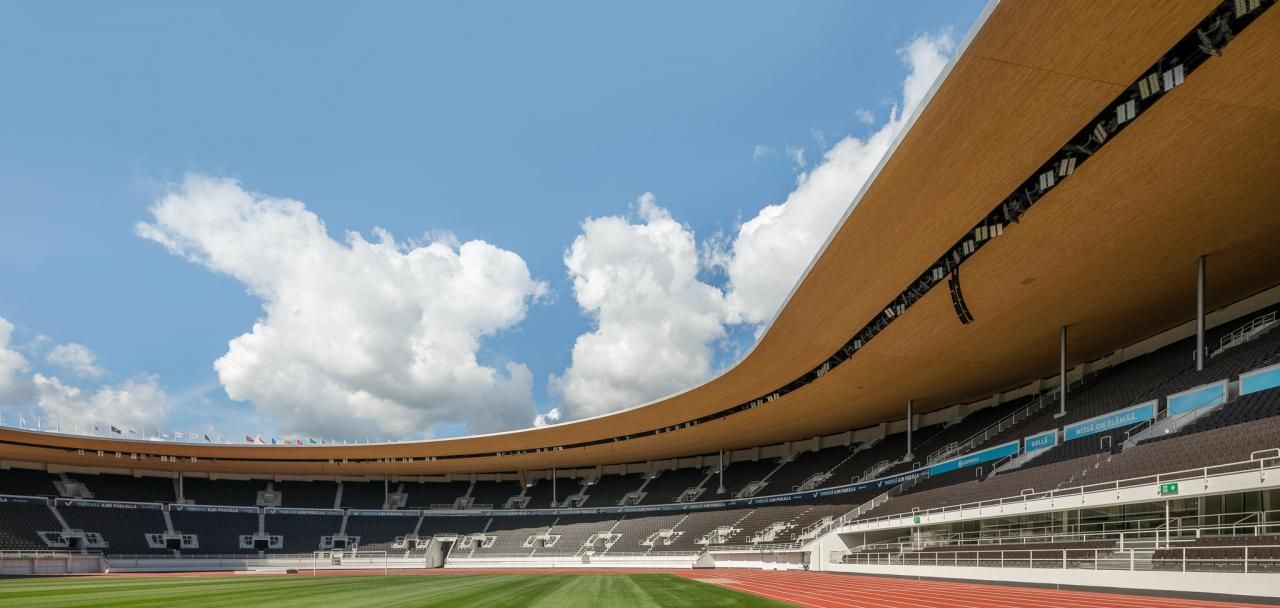
Finland is scheduled to play Belarus at Helsinki’s Olympic Stadium on September 29, a decision that has drawn criticism from Ukraine as it continues to oppose Belarus’ role in Russia’s war against Ukraine. The Football Association of Finland had initially indicated that the match would be played at a neutral venue, but later selected Helsinki as the location. Finland’s 2026 international match schedule confirms the September 29 fixture against Belarus.
Ukraine’s ambassador to Finland, Mykhailo Vydoinyk, told Helsingin Sanomat that the embassy was disappointed by the decision and had hoped the match would be moved outside Finland. His criticism reflects a broader concern in Ukraine over the continued participation of Belarusian sporting teams in international competition while Belarus remains closely aligned with Russia.
The dispute comes against an already sensitive relationship between Finland and Belarus. Finland has previously restricted sporting contact with Belarusian and Russian national teams following Russia’s invasion of Ukraine. The Finnish Football Association’s own strategy document records that, in 2022, it decided that Finnish football and futsal national teams would not play Russian or Belarusian national teams until further notice.
The position has since changed as international sporting rules and competition arrangements have evolved. When the 2026 Nations League draw placed Finland and Belarus in the same group, the location of Finland’s home fixture became a political as well as sporting question. The Football Association’s 2025 financial report acknowledged that a match against Belarus presented political challenges and said the eventual venue would be decided after consultation with Finland’s Ministry for Foreign Affairs and other authorities.
The association ultimately chose Helsinki’s Olympic Stadium. Its reasoning included sporting considerations, particularly the importance of home advantage and the Finnish players’ preparation and wish to play the fixture on home soil. The position also took account of supporters’ views and the framework under which Belarusian athletes have been allowed to participate in some international sporting events.
For Ukraine, however, the decision is difficult to separate from the wider security and political relationship between Belarus, Russia and Europe. Belarus has been accused by European institutions of supporting hybrid activities directed at the European Union, including the use of migration pressure along EU borders. The issue has also become visible in Finland, where authorities have dealt with cases involving people who entered the Schengen area through Belarus and subsequently travelled through Europe.
The football match therefore carries significance beyond the 90 minutes on the pitch. For the Finnish Football Association, it is an international fixture involving competitive sporting considerations. For Ukraine, hosting Belarus in Helsinki is also a question of how Finland’s strong political support for Ukraine is reflected in its sporting decisions.
Vydoinyk told Helsingin Sanomat that he was surprised by the Finnish Football Association’s decision, arguing that it did not fit easily with Finland’s otherwise strong support for Ukraine. His comments add a diplomatic dimension to a decision that the Finnish football authorities have presented primarily through sporting and organisational considerations.
Finland has already faced Belarusian opposition in other settings. In autumn 2024, HJK Helsinki played Dinamo Minsk, while Finland’s men’s and women’s futsal teams faced Belarus on neutral territory in 2025. The choice of Helsinki for the September Nations League fixture therefore represents a notable shift from the neutral-venue approach used for recent national-team meetings.
The Football Association has also said it intends to use the match to support Ukraine. Net proceeds from ticket sales are to be donated to humanitarian efforts in the country, linking the fixture to a fundraising initiative even as the decision to host Belarus remains contested.
The two countries are due to meet twice in September. While Belarus is formally the home side for the second fixture, that match is scheduled to take place in Budapest rather than Belarus. Finland’s home game, by contrast, is set for Helsinki on September 29.
The disagreement leaves Finland facing an unusual situation: a match that is officially part of its international football campaign has become the subject of a diplomatic protest from one of its closest partners in Europe. The Finnish Football Association has chosen to proceed with the fixture in Helsinki, while Ukraine is pressing for the match to be moved elsewhere.