
Fewer than one in six cryptocurrency investors in Finland are declaring their trades to the tax authorities, despite an estimated 100,000 people in the country actively participating in the market, according to the Finnish Tax Administration.
Around 16,000 people reported cryptocurrency transactions in their 2024 tax returns, while the tax authority estimates that at least 100,000 Finnish residents were active in the market during the same period. This suggests that only about 15 per cent of those expected to report their transactions actually did so.
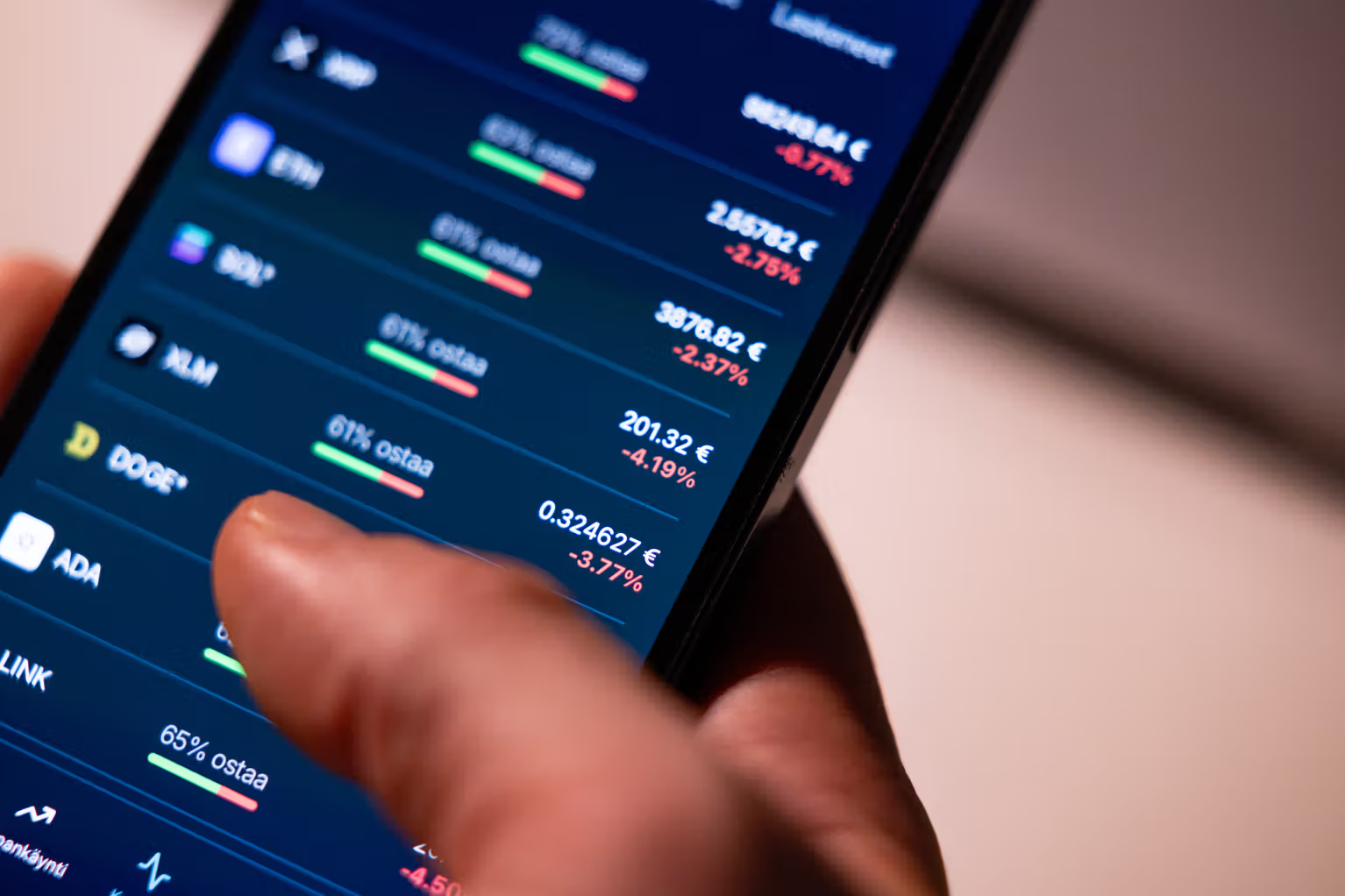
The Finnish Tax Administration says anyone who sells or otherwise trades cryptocurrency must include the relevant transactions in their tax return, regardless of whether the activity resulted in a profit or a loss.
Juho Hasa, a senior adviser at the Finnish Tax Administration, confirmed the estimated reporting gap to Yle. He also warned that failing to declare cryptocurrency transactions can have financial and legal consequences. These may include tax increases, interest charges and, in more serious cases, criminal complaints.
The figures highlight a significant gap between cryptocurrency trading activity in Finland and the number of investors reporting their transactions to the authorities. In 2025, investors declared cryptocurrency sales worth a combined 3.3 billion euros for the previous tax year.
One possible reason for the low reporting rate is the difficulty of calculating and compiling transaction records, particularly for investors who use several trading platforms and digital wallets.
Antero Törhönen, chair of the Finnish Bitcoin Association, told Yle that keeping track of cryptocurrency movements can make tax reporting complicated. Investors may have purchased coins through different services, transferred them between wallets or used multiple platforms, making it difficult to assemble a complete and reliable record of their transactions.
Törhönen also pointed out that simply holding cryptocurrency does not create a reporting obligation in Finland. Investors who retain their holdings without selling or otherwise carrying out taxable transactions do not have to declare the ownership of those assets in their tax returns. Finland does not currently impose a general wealth tax.
The Finnish Bitcoin Association recommends long-term cryptocurrency saving, which Törhönen described as a simpler approach from a tax perspective. However, holding cryptocurrency should not be confused with avoiding reporting obligations when taxable transactions take place.
The rules governing cryptocurrency taxation are also set to become easier for the authorities to enforce as Finland prepares to receive more information directly from trading platforms.
ALSO READ: Finland Shelves Tourist Tax Plans After Coalition Fails to Reach Agreement
At present, the Finnish Tax Administration must request information about cryptocurrency transactions from brokers and exchanges, including those operating outside Finland. From 2027, Finnish cryptocurrency service providers will begin supplying transaction information automatically, reducing the need for individual information requests.
Hasa estimates that approximately 50,000 people in Finland could see information about their cryptocurrency transactions included in their pre-completed tax returns next year. This would more than triple the number of investors whose trading information is available to the tax authority through this reporting process.
The authorities will also gain access to information from foreign cryptocurrency platforms through the OECD’s Crypto-Asset Reporting Framework (CARF). The international system is designed to enable participating countries to exchange information about crypto-asset transactions automatically, helping tax authorities identify activity that might otherwise go unreported.
For cryptocurrency investors in Finland, the changes mean that relying on the tax authority not having information about their transactions may become increasingly difficult. Keeping accurate records and checking that all taxable transactions have been correctly reported will become more important as automatic information exchange expands.