
The best coastal cities in Morocco offer considerably more than beach holidays. Stretching between the Atlantic Ocean and the Mediterranean Sea, the country’s coastline brings together historic port cities, fishing communities, surf destinations, resort towns and old medinas shaped by centuries of trade and cultural exchange. From the cosmopolitan atmosphere of Tangier to the fortified streets of Essaouira and the Mediterranean beaches of Al Hoceima, each destination offers a different experience of Morocco.
For travellers planning a trip to Morocco, choosing a coastal destination depends largely on what they want from the journey. Some cities are better suited to beach holidays and water sports, while others appeal to visitors interested in architecture, local food, history and everyday Moroccan life. There are also places where the coastline itself is the main attraction, with long stretches of sand, fishing ports and relatively relaxed seaside communities.
Tangier is one of the country’s most distinctive coastal cities. Positioned near the Strait of Gibraltar, where the Atlantic Ocean meets the Mediterranean Sea, it has long occupied an important position between North Africa and Europe. Its geographical location has influenced its history, architecture and international character, giving the city an identity that differs from many other Moroccan destinations.
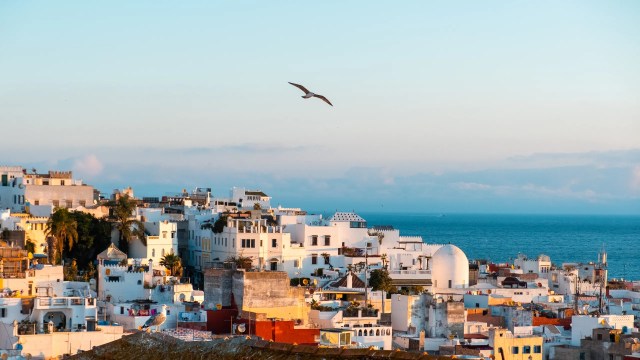
The old medina, with its narrow streets, traditional houses and busy markets, provides a glimpse into Tangier’s historic character. The Grand Socco, the Kasbah and the surrounding historic neighbourhoods are among the places that give the city much of its appeal. Beyond the old town, Tangier has a more contemporary side, with modern developments, restaurants, hotels and a busy waterfront.
Its beaches also make it an attractive destination for visitors who want to combine city exploration with time beside the sea. Tangier’s main beach is close to the city centre, while the coastline around Cape Spartel and the Caves of Hercules offers opportunities to explore some of the area’s better-known coastal scenery. The city is particularly suitable for travellers who want a combination of urban life, history, restaurants and seaside activities.
Further along the Atlantic coast, Asilah offers a considerably quieter experience. This small coastal city is known for its whitewashed buildings, historic medina and painted walls, which give its streets a distinctive appearance. Its location south of Tangier makes it an appealing stop for travellers exploring northern Morocco without spending their entire journey in larger cities.
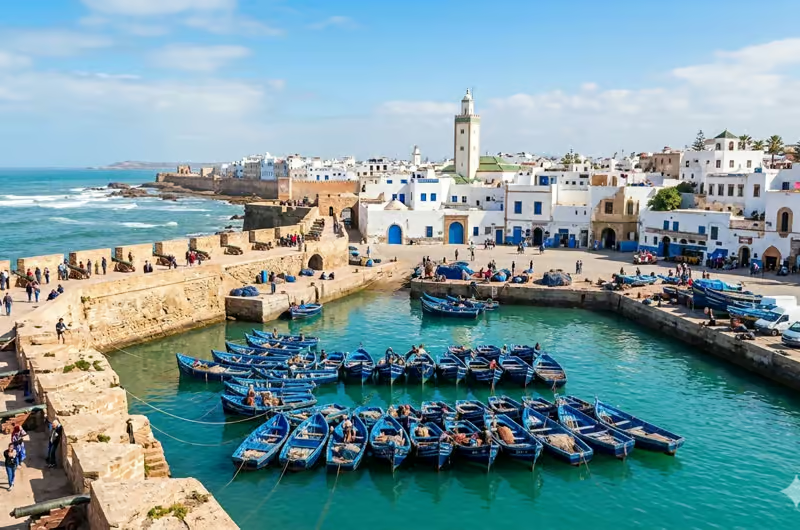
Asilah’s appeal lies partly in its scale. The medina is relatively easy to explore on foot, and its narrow streets lead towards historic walls overlooking the Atlantic. Compared with Tangier and Casablanca, the atmosphere is more relaxed, particularly outside the busy summer holiday period. Visitors can spend time exploring the old town, enjoying seafood and visiting nearby beaches. It is a particularly interesting destination for travellers who prefer smaller coastal communities to large commercial seaside resorts.
Essaouira is arguably one of the most rewarding coastal destinations in Morocco for travellers who want history and seaside scenery in the same place. Located on the Atlantic coast, the city is recognised for its fortified medina, traditional fishing port, whitewashed buildings and blue-painted doors. Its former name, Mogador, reflects its long history as an important trading port connecting Morocco with other parts of the world.
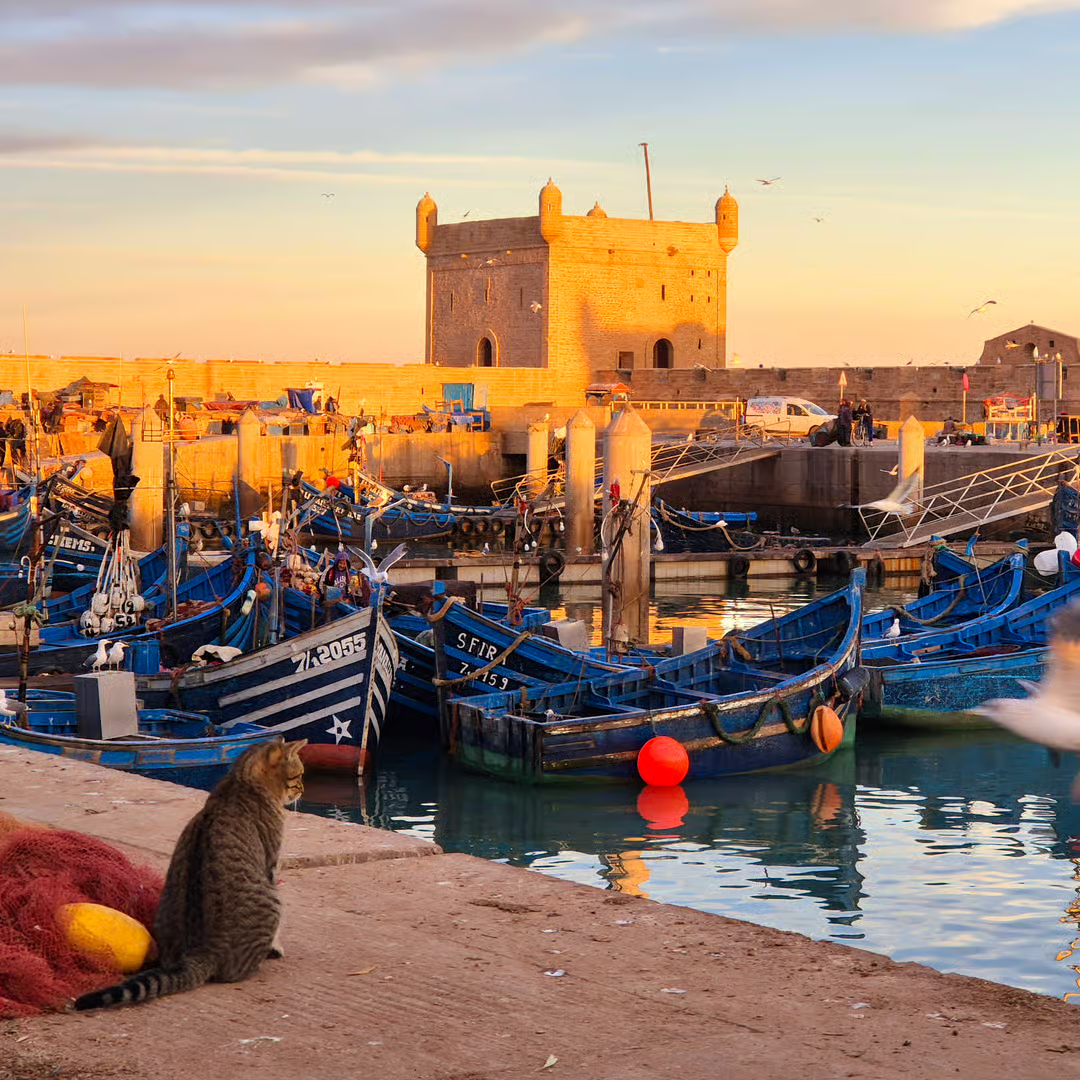
The medina of Essaouira is a UNESCO World Heritage Site, recognised for its well-preserved 18th-century fortified architecture. Its defensive walls, historic gates and narrow streets give the city a strong sense of place. Along the harbour, fishing boats arrive with their daily catch, while seafood stalls and restaurants serve fish prepared in traditional ways. The port remains an important part of the city’s everyday identity rather than simply a backdrop for visitors.
Essaouira is also known for its exposure to Atlantic winds, making it popular with surfers, windsurfers and kitesurfers. The conditions can be less suitable for travellers looking for consistently calm swimming water, but they give the city a particular appeal among visitors interested in outdoor activities. Its artistic atmosphere, independent galleries and relaxed pace make it a strong alternative to Morocco’s larger tourist centres.
Rabat, Morocco’s capital, offers a different relationship with the Atlantic. Although it is not primarily marketed as a beach resort, its coastal setting is an important part of its character. The city combines government institutions, modern neighbourhoods, historic monuments and traditional markets with beaches and waterfront spaces.

The Kasbah of the Udayas, overlooking the mouth of the Bouregreg River, is one of Rabat’s most recognisable landmarks. Its whitewashed buildings, blue details and narrow streets provide a contrast to the modern capital surrounding it. The Hassan Tower, the Mausoleum of Mohammed V and the historic site of Chellah also give visitors reasons to spend time beyond the coastline. Rabat’s medina offers another opportunity to experience the city’s commercial and cultural life.
For travellers who prefer a coastal city with substantial historical and cultural attractions rather than a holiday built entirely around the beach, Rabat is a particularly good choice. Its position also makes it convenient to combine with Casablanca on an Atlantic coast itinerary.
Casablanca is often associated with business, finance and Morocco’s modern urban identity, but its position beside the Atlantic gives it a place among the country’s significant coastal destinations. It is the country’s largest city and an important commercial centre, with a waterfront that reflects its mixture of modern development and historic architecture.

The Hassan II Mosque is the city’s most prominent landmark. Positioned beside the Atlantic, it is known for its monumental scale and location overlooking the ocean. The surrounding Corniche in the Ain Diab district is another popular area, with restaurants, cafés, hotels and leisure facilities facing the sea. Visitors looking for nightlife and a more contemporary seaside atmosphere will find a different experience here from the quieter coastal towns further south.
ALSO READ: Best eSIM for Morocco: Stay Connected in Marrakech, Fes and Beyond Without a Physical SIM Card
Casablanca is not necessarily the first choice for someone whose priority is a traditional beach holiday. Its appeal is broader, combining urban exploration, architecture, shopping, restaurants and access to the coast. The city’s Art Deco buildings and busy streets also make it interesting for travellers who want to understand a side of Morocco beyond its historic medinas and resort areas.
Further south, Agadir is one of Morocco’s best-established seaside destinations. Its long Atlantic beachfront, hotels, restaurants and leisure facilities make it particularly attractive to visitors planning a conventional beach holiday. The city is also known for its relatively mild coastal climate, making it a destination that attracts visitors outside the main summer holiday season.
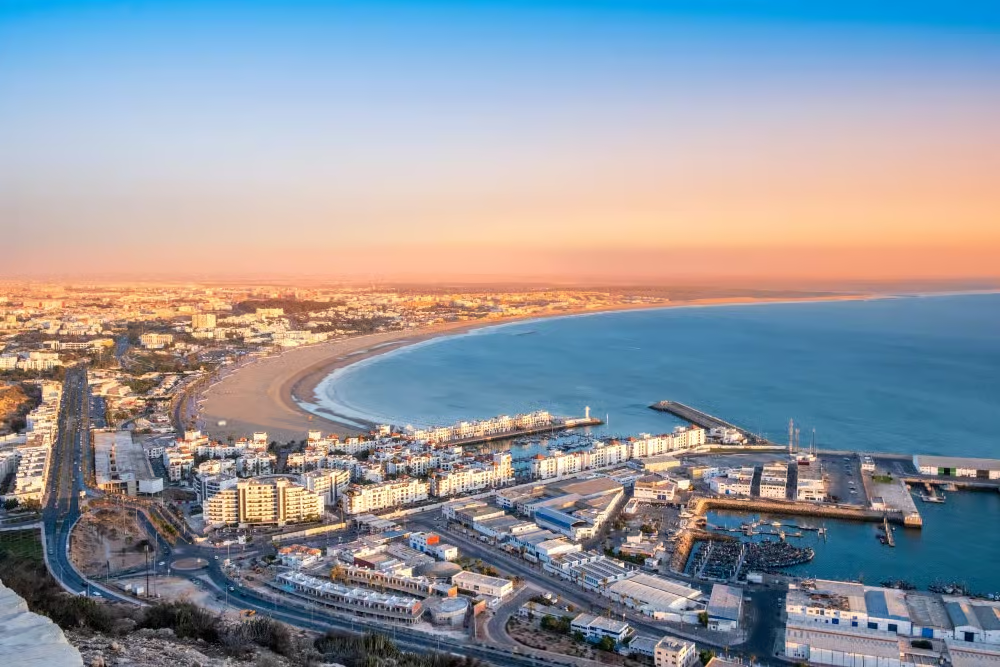
Agadir’s modern appearance is closely connected to the earthquake of 1960, which devastated much of the city and led to extensive reconstruction. Much of what visitors see today belongs to the rebuilt city rather than its earlier historic landscape. The result is a more modern seaside destination, with a wide promenade, beach-facing accommodation and a layout suited to tourism.
The city’s location also makes it a useful base for exploring the surrounding Atlantic coastline. Taghazout, a coastal village north of Agadir, has developed a strong reputation among surfers and visitors seeking a more laid-back atmosphere. The surrounding area offers opportunities for surfing, coastal excursions and exploring smaller communities. Travellers who want the facilities of a larger city but still want access to quieter coastal locations may find Agadir a practical choice.
Al Hoceima, on Morocco’s Mediterranean coast, offers a noticeably different landscape. Surrounded by hills and overlooking clear blue waters, the city is particularly appealing to travellers interested in beaches, coves and coastal scenery. Its setting within the Rif region gives it a distinctive character compared with the flatter stretches of Morocco’s Atlantic coastline.

The beaches around Al Hoceima are among its main attractions, with opportunities for swimming, relaxing by the sea and exploring the surrounding coastline. The city’s port remains an important part of local life, and the waterfront provides an opportunity to observe fishing activity alongside the visitor-oriented side of the destination. The nearby natural landscapes also make the area attractive to people interested in walking and outdoor exploration.
Al Hoceima is worth considering for visitors who want a Mediterranean holiday without concentrating exclusively on Morocco’s more internationally recognised Atlantic destinations. It has a more regional atmosphere than Agadir, although the summer holiday period can bring increased activity to its beaches and accommodation.
Tetouan is another interesting destination for travellers exploring northern Morocco. The city itself is not directly on the Mediterranean shoreline, but its location near the coast makes it an important cultural base for visiting the surrounding seaside resorts. Its historic medina, recognised by UNESCO, reflects strong Andalusian architectural and cultural influences.

The streets of Tetouan’s old town, traditional markets and historic buildings offer a different experience from the country’s larger coastal cities. Visitors can explore its cultural heritage before heading towards the nearby Tamuda Bay area, where Mediterranean resorts and beaches provide opportunities for swimming and seaside relaxation. Martil, M’diq and Cabo Negro are among the coastal destinations in the surrounding area.
This combination makes Tetouan particularly suitable for travellers who do not want to choose between a cultural city break and a beach holiday. Staying in or around the city also provides an opportunity to explore northern Morocco beyond Tangier.
El Jadida deserves attention for its historical importance and seaside setting. Situated on the Atlantic coast southwest of Casablanca, it is best known for the Portuguese City of Mazagan, a fortified historic settlement that has been recognised as a UNESCO World Heritage Site since 2004.

The Portuguese fortifications date back to the early 16th century and preserve evidence of the architectural and cultural exchange between European and Moroccan societies. The ramparts, bastions, historic cistern and Church of the Assumption are among the most significant features of the old settlement. Walking through this part of El Jadida provides a different historical perspective from the medinas more commonly associated with Moroccan tourism.
Outside the historic quarter, the city offers beaches and seaside accommodation, including the popular Sidi Bouzid area. El Jadida is a good option for travellers who want to combine coastal relaxation with a visit to an important historical site. Its proximity to Casablanca also makes it suitable for a shorter coastal excursion.
Safi, further down the Atlantic coast, is another destination with a strong connection to the sea. It is an important fishing and port city, but its identity is also closely associated with pottery and traditional craftsmanship. The city’s pottery workshops and ceramics markets provide a reason to visit beyond its beaches and harbour.
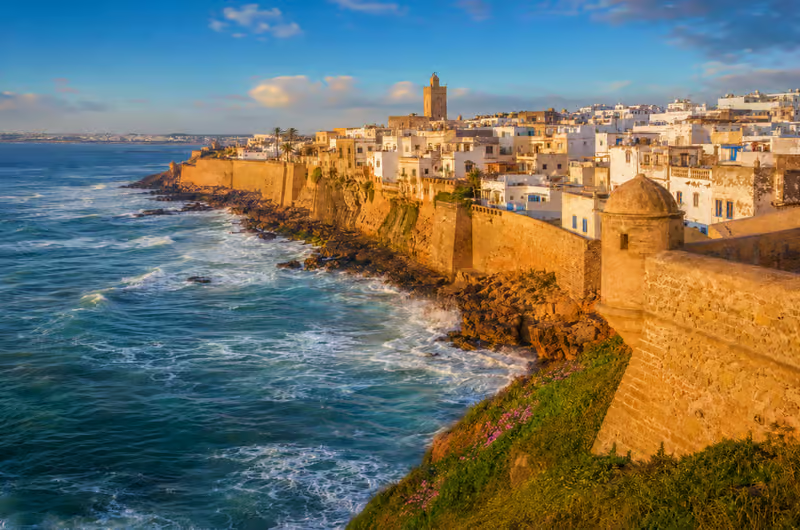
Safi has a less polished tourist atmosphere than Agadir or Essaouira, which may appeal to travellers interested in seeing a working Moroccan coastal city rather than a destination developed primarily around international holidaymakers. Its historic medina, Portuguese-influenced fortifications and coastal views offer further reasons to explore the area. The city is particularly relevant to visitors interested in Moroccan crafts, fishing culture and local industries.
The choice between Morocco’s coastal cities ultimately depends on the kind of experience a traveller wants. Tangier and Tetouan are strong choices for exploring the north, while Al Hoceima offers a Mediterranean setting with attractive beaches and natural scenery. Along the Atlantic, Essaouira stands out for its historic port, architecture and watersports, while Agadir is better suited to visitors looking for established beach facilities and a longer seaside stay.
Rabat and Casablanca offer a more urban interpretation of coastal Morocco, combining the Atlantic with architecture, culture and modern city life. El Jadida and Safi provide opportunities to explore the country’s historic and working port communities.
Travellers do not necessarily need to choose just one. Morocco’s coastline is extensive enough to support different kinds of journeys, from a northern route connecting Tangier, Tetouan and Al Hoceima to an Atlantic itinerary linking Rabat, Casablanca, El Jadida, Essaouira and Agadir. Each city reveals a different relationship between Morocco and the sea, and that variety is what makes the country’s coastline worth exploring beyond its most familiar holiday resorts.


