A Finnish personal identity code is one of the first practical details non-EU nationals need to sort out when settling in Finland, whether they are moving for work, starting university or joining family. The code helps authorities, employers and banks identify individuals, but getting one is not automatic in every situation. The process depends on why a person is in Finland, whether they already have a residence permit and whether their details have been entered into the country’s Population Information System.
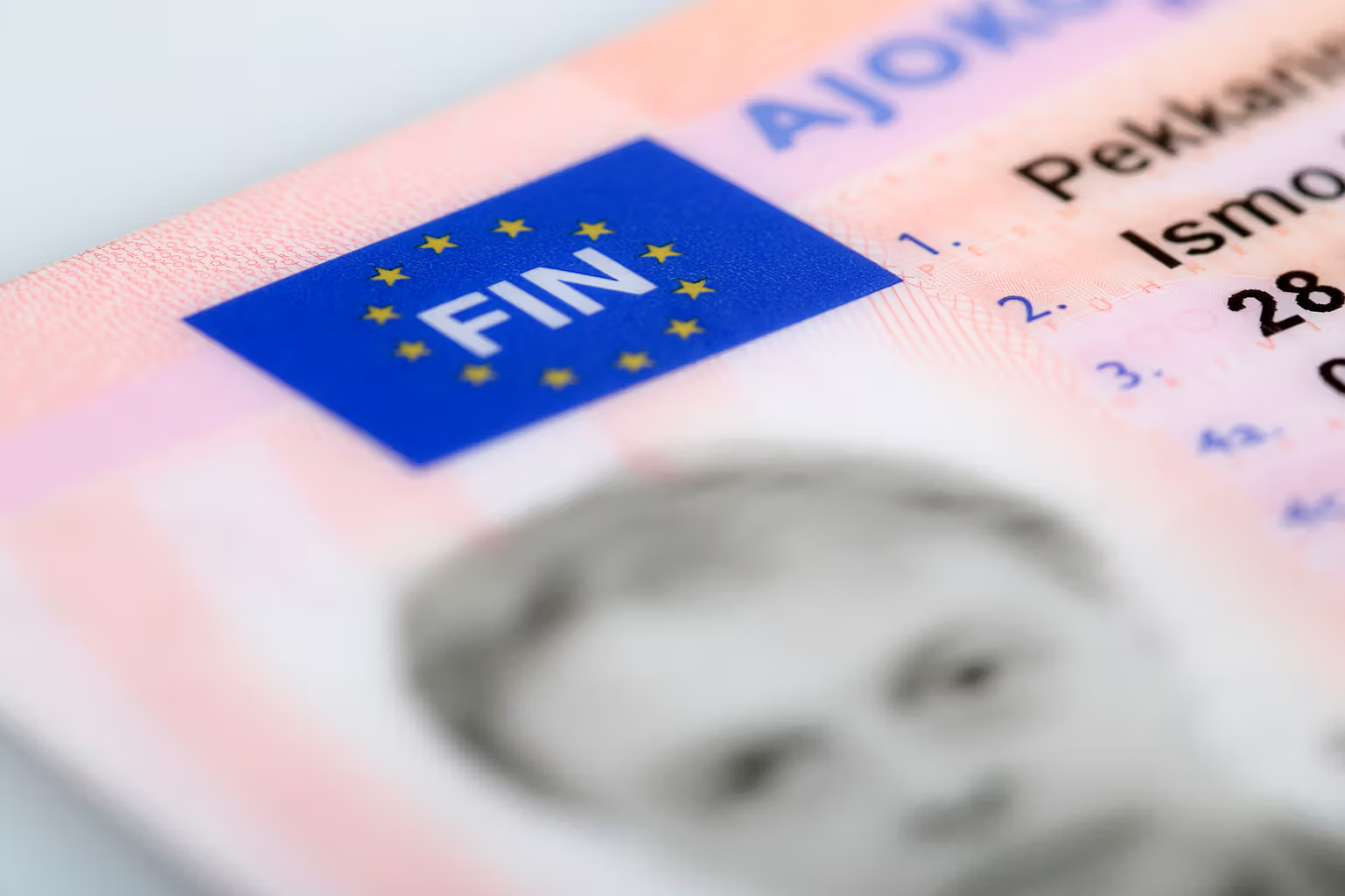
Known in Finnish as a henkilötunnus, the personal identity code is an 11-character identifier linked to an individual’s date of birth and other identifying information. It is used in dealings with public authorities and can be needed for employment, taxation and banking. For newcomers, the important distinction is that receiving a residence permit, obtaining a personal identity code and being registered as a resident of a Finnish municipality are separate matters. Completing one step does not necessarily mean the others have been completed.
For many non-EU nationals, the simplest route begins before they arrive. When applying for a Finnish residence permit through the Finnish Immigration Service, known as Migri, applicants can request registration in the Population Information System as part of the process. If the application is approved, the applicant’s identity has been verified and the other registration conditions are met, the code can be issued alongside the residence permit decision. Applicants should check that they have requested registration rather than assume that every successful permit application automatically includes a personal identity code.
The first step, therefore, is to check the residence permit application and any documents already received from Migri. A personal identity code may appear on the residence permit card or in the accompanying registration information. If the code is already there, applying for another one is unnecessary. The same applies to people who have previously lived in Finland and were registered in the Population Information System. The Finnish authorities use an individual code, so newcomers should establish whether one has already been assigned before starting a new application.
If the code was not issued with the residence permit, the next step is to contact the Digital and Population Data Services Agency, known as DVV. The agency maintains Finland’s Population Information System and handles registration for foreign nationals who need a code but have not received one through another authority. Depending on the person’s circumstances, an application may be started through DVV’s online registration service, or the person may need to arrange an in-person appointment. The official instructions should be checked before applying because the required procedure and supporting documents depend on the applicant’s situation.
Applicants should prepare a valid passport or other accepted identity document, their residence permit or relevant immigration documents, and evidence explaining why they need to be registered in Finland. For someone moving for employment, this may include an employment contract. A student may need a certificate of study or an attendance letter. DVV’s online form requests supporting documents according to the applicant’s circumstances, so it is important to follow the document requirements rather than rely on a generic checklist. Names and dates of birth should match the travel document exactly to reduce the risk of discrepancies during registration.
A third route is available to people who need a personal identity code specifically for tax purposes. The Finnish Tax Administration, known as Vero, can issue codes in certain circumstances, particularly to people arriving to work in Finland who need to obtain a tax card or tax number. This route is not interchangeable with every form of population registration, so applicants should first establish whether their immediate need is tax-related or whether they also require registration through DVV. Only certain Tax Administration service points issue personal identity codes, and an appointment is required.
For the tax route, applicants should prepare the relevant registration form and tax application before attending their appointment. Vero’s guidance identifies Form 6150e for registration information for a foreigner staying temporarily in Finland, alongside the appropriate tax application: Form 5057e for certain non-resident tax situations or Form 5042e for people staying in Finland for longer than six months. The correct form depends on the circumstances, so applicants should use Vero’s current instructions rather than choose one based solely on the length of their employment contract. A valid passport, applicable residence permit or visa, and documentation showing the work to be carried out in Finland may also be required.
An employment offer alone may not be enough. Vero requires reliable evidence that the applicant will actually work in Finland, and non-EU nationals generally need to demonstrate that they have a valid right to work under the rules applying to their circumstances. A preliminary job offer or an incomplete contract may not meet the requirements. Applicants should make sure their documents identify the employer, describe the work and provide the relevant dates and workplace details. If the contract does not contain sufficient information, additional documentation from the employer or the Finnish party commissioning the work may be necessary.
Once an application has been submitted, the waiting time depends on the route and whether the documents are complete. Vero says processing for relevant worker applications is normally one to three business days when the required information and documentation have been provided. That estimate should not be treated as a universal deadline for all applications through DVV or Migri. Anyone who needs the code before starting a job, arranging payroll or completing tax registration should confirm the appropriate process early and avoid making plans based on an assumed same-day decision.
Receiving the code also does not automatically give a person a municipality of residence, known as a kotikunta. This is a separate registration decision with practical consequences for access to certain municipal services. A newcomer who needs a municipality of residence should discuss the relevant eligibility requirements with DVV rather than assume the personal identity code settles the matter. The code is an identifier, not a residence permit, a work permit or proof that every other registration requirement has been fulfilled.
For non-EU expats, the most efficient approach is to establish which authority is responsible before booking appointments or submitting forms. Those applying for a residence permit should check whether they requested population registration through Migri. People already in Finland without a code should review DVV’s registration instructions, while workers who need the code for taxation should consult Vero’s specific guidance. Keeping identity documents, immigration papers and evidence of employment or study ready can help avoid unnecessary delays.
The Finnish personal identity code is a small but important part of establishing life in the country. Getting it usually means following the correct administrative route, providing consistent documentation and understanding what the code does, and does not, establish. Checking the current instructions on the official Migri, DVV and Vero websites before applying is the safest way to ensure that the process matches an individual’s circumstances.