
Lufthansa’s planned investment in TAP Air Portugal could generate around €450 million in annual savings and additional revenue, but the German airline group may have to wait several years before realising the full benefits of the deal.
The assessment comes from Gimme Credit, an independent corporate bond research firm, following Portugal’s decision to select Lufthansa’s offer for a stake of up to 49.9% in TAP. The proposed acquisition is expected to cost as much as €1.2 billion and remains subject to further negotiations and regulatory approvals, with completion targeted for 2028.
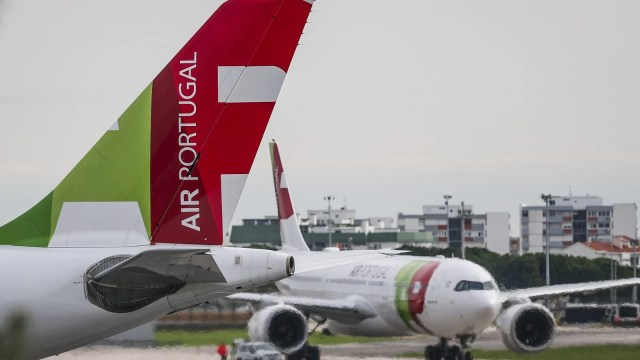
Portugal’s government selected Lufthansa’s proposal over a competing bid from Air France-KLM. Lufthansa offered a higher valuation for TAP and agreed to pay entirely in cash, while the Franco-Dutch airline group proposed a combination of cash and shares.
Under the terms announced, Lufthansa will pay €1.025 billion for a 44.9% stake. Its investment could rise to €1.2 billion if it acquires an additional stake of up to 5%, initially offered to TAP employees, and pays a fee that accumulates while the transaction awaits completion.
The Portuguese state will retain a 50.1% majority stake, giving it continued control of the airline. Lufthansa, however, will have the right to appoint TAP’s chief executive, while the Portuguese government will retain a majority on the airline’s board.
The arrangement gives Lufthansa access to TAP’s routes and commercial operations without transferring full ownership. However, the division of control could also limit how quickly the two companies align their operations and introduce group-wide efficiencies.
Gimme Credit noted that Lufthansa had gone to considerable lengths to secure the deal. Lufthansa chief executive Carsten Spohr has described TAP as a strong and profitable airline, although its recent financial results show that the carrier faces challenges.
TAP recorded its fourth consecutive annual profit in 2025, but net earnings fell to €4.1 million following a one-off tax adjustment. The airline then reported a loss of €99.2 million in the first half of 2026 as rising fuel costs weighed on its performance.
Lufthansa expects to generate the projected annual benefits through closer commercial cooperation, improved connections between airline networks, joint purchasing and cargo operations, according to Cedric Rimaud, Gimme Credit’s director of European research.
TAP’s extensive network to Brazil and other parts of Latin America is a central attraction for Lufthansa. The Portuguese airline also carries passengers between Europe and Portugal and connects southern European markets with North America.
The acquisition would strengthen Lufthansa’s presence in the South Atlantic market, a region where TAP has an established position. Spohr has said the transaction would sustainably strengthen Lufthansa’s position in that market.
According to Rimaud, Lufthansa’s management expects passenger traffic on routes between Europe and Latin America to increase by around 2% to 3% between 2025 and 2030. Traffic on other relevant routes is forecast to grow by approximately 6% to 7% over the same period.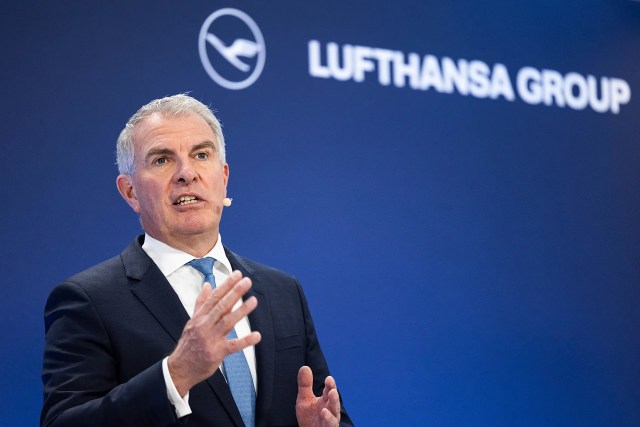
TAP’s position on routes between Europe and Brazil is particularly significant. Aviation data company OAG puts the airline’s share of seat capacity on those routes at 24%, second only to Latin American airline group LATAM. Adding TAP would increase the combined capacity share of Lufthansa’s airlines to 36%.
The Portuguese carrier also operates an all-Airbus fleet, which offers opportunities to coordinate engineering, maintenance, training and other technical activities with Lufthansa. Airbus aircraft already account for most of Lufthansa’s fleet, potentially allowing the companies to benefit from shared expertise and purchasing arrangements.
Lufthansa has also promised to expand TAP’s fleet to 117 aircraft by 2035 and invest €500 million in Portugal, according to the Portuguese government. The German group has pledged to preserve TAP as a standalone airline, a commitment that could restrict its ability to consolidate operations and remove overlapping costs across the wider group.
Another expected benefit is TAP’s potential entry into Lufthansa’s transatlantic joint venture with United Airlines and Air Canada. The arrangement allows participating airlines to coordinate schedules and share revenue on eligible routes, helping them offer more connected services across the Atlantic.
However, Lufthansa’s experience with ITA Airways, the Italian airline in which it acquired a stake in January 2025, suggests that such cooperation can take considerable time to establish.
ITA is still awaiting approval from the US Department of Transportation for its participation in the transatlantic arrangement. Its first jointly coordinated transatlantic flight is not expected until summer 2027. The European Union’s competition authorities must also examine the proposed integration of TAP into the joint venture.
Rimaud therefore expects additional revenue from TAP’s integration into the arrangement to be unlikely before 2030. That timeline raises questions about how quickly Lufthansa can translate its projected synergies into financial results.
Capacity constraints at Lisbon Airport could present another obstacle. The airport is already full, limiting TAP’s ability to expand its hub operations. According to OAG, a replacement airport is not expected to open before 2034, meaning infrastructure restrictions could remain a problem well beyond the anticipated completion of the acquisition.
The transaction itself is not expected to place substantial pressure on Lufthansa’s balance sheet. The group can finance the purchase with its own cash, and Gimme Credit does not anticipate a significant increase in Lufthansa’s leverage as a result of the investment.
TAP’s existing debt is also considered manageable in the near term, with no significant repayment due until its bonds mature in 2029.
Gimme Credit expects Lufthansa to seek to acquire the remaining shares in TAP by 2028, following Portugal’s launch of a process to privatise the airline fully. Any further purchase would depend on the terms of the privatisation process and the decisions of the parties involved.
Despite the potential commercial benefits, Gimme Credit maintained its sell recommendation on Lufthansa’s bonds. The firm cited a yield of 5.52% for Lufthansa debt, compared with 6.9% for Air France debt.
The central challenge for Lufthansa will be turning access to TAP’s valuable routes into measurable financial gains while navigating government oversight, competition reviews and operational restrictions. Although the investment could strengthen its position in the Atlantic market, the experience with ITA Airways suggests that the timetable for integration may extend well beyond the initial acquisition.
For investors assessing the deal, the distinction is between the annual benefits Lufthansa expects to achieve once cooperation is fully established and the time required to make that cooperation work. The projected €450 million in annual synergies remains a target, and the regulatory and operational steps ahead mean the full financial contribution may not emerge until the end of the decade or later.


