G7 countries have agreed to release 100 million barrels of oil and refined fuels from emergency reserves over the next four months as governments try to ease rising fuel prices and protect households and businesses from further energy costs.
The decision was reached during a virtual meeting of G7 leaders on Friday and will be coordinated through the International Energy Agency (IEA). The release will begin immediately, with a substantial amount of diesel to be made available during the first 20 days. The countries will also consider further diesel releases if market conditions remain tight.
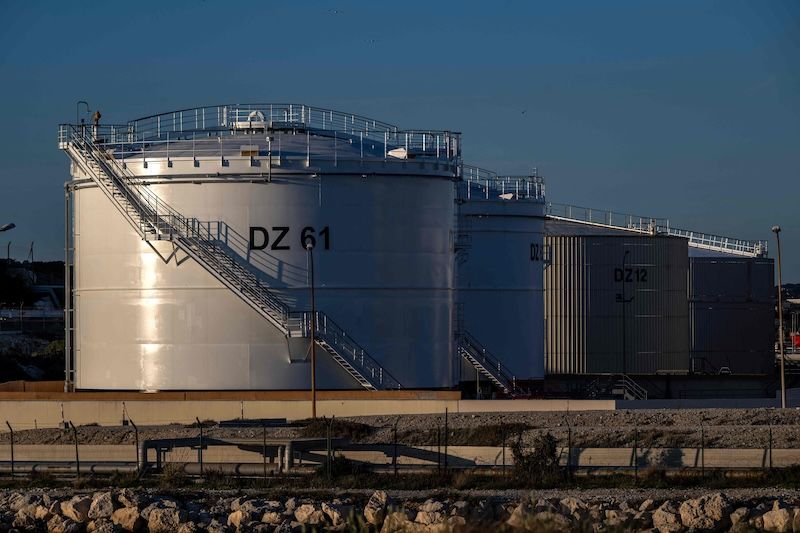
Diesel has become a particular concern because supplies of refined fuel have tightened in several major markets. The G7 said its members would coordinate refinery maintenance schedules to avoid several facilities being taken offline at the same time. Countries with significant refining capacity will also be encouraged to increase production of diesel and other refined products where possible.
The agreement comes as oil and fuel prices remain well above levels seen before the conflict involving the United States and Iran began. Brent crude was trading at around $100 a barrel on Friday. Reuters reported that Brent had risen to $103.50 a barrel at the end of September as concerns about fuel supplies and geopolitical tensions continued to affect the market.
The disruption has also affected the movement of energy through the Strait of Hormuz, one of the world’s major shipping routes for oil and gas. In its statement, the G7 called for the restoration of navigational rights through the strait and said it would continue working with the IEA and other partners to limit further disruption to fuel and commodity markets.
French President Emmanuel Macron, whose country holds the G7 presidency this year, said the group was acting together to bring down petroleum product prices, with diesel receiving particular attention. The G7 includes the United States, Canada, France, Germany, Italy, Japan and the United Kingdom.
The move also follows pressure from US President Donald Trump, who had threatened to restrict US diesel exports if European countries did not make greater use of their emergency reserves. Trump welcomed the G7 decision in a post on Truth Social, saying Europe had agreed to release a large amount of stored diesel and that the process would begin immediately.
The G7 has also agreed not to impose restrictions on energy and energy product trade between its members. It called on other producing countries to avoid export bans that could further reduce supplies and increase pressure on prices.
The urgency is particularly clear in Europe, where diesel supplies have been under pressure. The United Kingdom reached a new milestone on Friday when the average price of diesel hit 200.01 pence per litre, according to the RAC. A 55-litre tank of diesel at the average UK price now costs about £110, roughly £31.70 more than it did at the end of February.
The increase has implications beyond the cost of filling a private car. Diesel is widely used by freight, delivery and commercial vehicles, meaning higher fuel costs can feed into the price of transporting goods and providing services. The RAC said the latest increase was already placing additional pressure on households and businesses.
The G7’s reserve release is designed to add supply to the market while governments work on wider measures to address the disruption. The group has asked the IEA to monitor the implementation and the effect on energy security and market stability. A follow-up report is expected within 20 days and is to include recommendations, including how emergency stocks should be replenished.
The decision follows another major intervention earlier this year. In March, IEA member countries agreed to make 400 million barrels of emergency crude oil available after the conflict involving Iran sent energy prices sharply higher. The IEA described that action as the largest government oil stock release in its history.
The latest decision is more focused on the immediate shortage of refined products, particularly diesel. It also reflects concern among G7 governments that further disruption to international fuel supplies could push costs higher at a time when households and businesses are already facing elevated energy bills.
Oil markets responded quickly to Friday’s announcement. Reuters reported that Brent crude fell by about $1.80 to around $100.50 a barrel after the reserve-release agreement was announced, while US West Texas Intermediate crude fell by about $2.02 to $90.85.
The G7 has not ruled out further action. Leaders said they would meet through the IEA in the coming days to consider whether additional diesel reserves should be released, while the agency will assess how the current measures affect energy markets.