Food tourism in Asia has become one of the clearest ways travellers experience a destination, because eating is rarely just about satisfying hunger in a region where food is closely tied to family, history, religion, geography and everyday life.
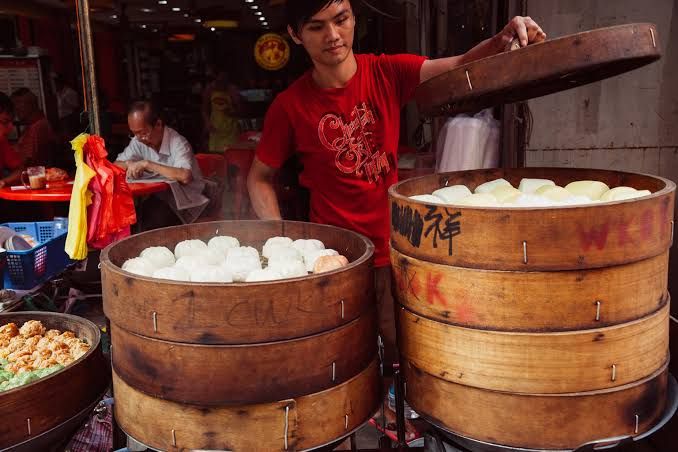
A traveller may arrive in Bangkok wanting to see temples, visit Tokyo for its neighbourhoods and technology, or travel to Penang for its streets and architecture. But sooner or later, the journey often becomes a search for something to eat. A bowl of noodles, a plate of rice, a market breakfast or a meal prepared over charcoal can become as memorable as any landmark.
That is part of what makes food such a powerful force in Asian tourism. It does not require a traveller to understand a country’s history before encountering its culture. Food offers an immediate entry point. A visitor can sit at a small table, order something unfamiliar and begin to understand a place through its flavours, ingredients and the people who prepare them.
Across Asia, food traditions have developed from centuries of movement and exchange. Trade routes carried spices, rice, tea and other ingredients across borders. Migration introduced new cooking techniques and changed existing ones. Religion influenced what people ate and when they ate it. Climate and geography determined what could be grown, caught or preserved. Colonial history also left its mark on kitchens across the region.
The result is an extraordinary range of food cultures, often within relatively small geographical areas. Two neighbouring countries can have very different culinary identities, while cities within the same country can have their own traditions and specialities. Even a familiar dish may change considerably from one region to another.
For tourists, that variety creates another reason to travel. The destination is no longer simply the place where a particular attraction exists. It becomes the place where a particular meal can be experienced in its original setting.
This helps explain why markets have become such important parts of the travel experience in Asia. Markets are not simply places to buy food. They can reveal how a city wakes up, what local people eat, how ingredients move through a community and which foods remain part of everyday life.
A market breakfast can tell a traveller something that a polished restaurant sometimes cannot. There may be no carefully designed menu explaining the history of a dish. Instead, there is the cook preparing the same food for regular customers, the vendor arranging ingredients, the smell of something frying nearby and the rhythm of people stopping for a quick meal before work.
That ordinary experience can become one of the strongest memories of a trip.
Street food plays a similar role. It brings visitors into contact with food outside the formal tourism industry and often allows them to experience dishes that have developed as part of everyday life rather than as products designed specifically for visitors.
This distinction matters. Travellers increasingly look for experiences that feel connected to the places they visit. A restaurant built around an international concept can exist almost anywhere. A local dish prepared according to a regional tradition is much harder to reproduce outside its cultural setting.
Food also gives tourists a reason to move beyond the most obvious attractions. Someone travelling for cuisine may deliberately seek out a neighbourhood market, a small family restaurant, a fishing village, a tea-growing region or a rural community known for a particular ingredient. The journey becomes less concentrated around famous monuments and more connected to the places where food is produced and consumed.
For destinations, that creates an opportunity to spread tourism beyond the traditional sightseeing circuit.
A city can be known for its restaurants, but a wider food culture can also connect urban tourism with farmers, fishermen, producers, markets and rural communities. A culinary experience can therefore create a chain of economic activity that extends well beyond the restaurant where the visitor eventually eats.
This is one reason food tourism has attracted growing attention from tourism organisations. The United Nations tourism agency has described gastronomy as an important part of cultural heritage and has examined its role in local economic development, entrepreneurship and community participation. Its work on gastronomy tourism in Japan, Indonesia and the wider Asia-Pacific region reflects the growing recognition that food can be part of how destinations develop and present themselves to visitors.
But the appeal is not purely economic.
Food can also preserve stories that are difficult to capture in a museum. Recipes can carry memories of migration, family traditions, religious practices and local environments. A dish may reveal what people historically had access to, how they preserved ingredients and how communities adapted to changing circumstances.
That gives food a different relationship with tourism. A monument is something a visitor looks at. Food is something a visitor participates in.
The difference is important. Eating requires interaction. It involves taste, smell, conversation and often a degree of uncertainty. Travellers may not know exactly what they have ordered. They may have to watch how others eat it or ask someone nearby for advice. Those small moments can make the experience feel more personal.
Social media has amplified this effect. A striking bowl of ramen, a crowded night market, colourful desserts or a street vendor preparing food can become a powerful visual invitation to travel. Food photographs and videos are easy to share, easy to recognise and often capable of making viewers curious about the place where the food came from.
Yet the strongest food stories are rarely just about appearance.
The popularity of food-focused travel can sometimes create pressure on local communities. When a dish becomes famous, demand can change the way it is prepared, priced and presented. Neighbourhoods that once served mainly local residents can become destinations for visitors. Small businesses may benefit, but rising attention can also alter the character of the places that made those food traditions attractive in the first place.
There is also a risk that complex culinary cultures become reduced to a handful of internationally recognised dishes. Visitors may arrive expecting one version of a country’s cuisine and miss the regional differences, seasonal foods and less famous traditions that tell a fuller story.
The challenge for Asian destinations is therefore not simply to promote food, but to protect the culture behind it.
That means giving attention to local producers and communities rather than treating cuisine only as a marketing tool. It means allowing regional traditions to remain visible and making space for the people who have carried those traditions forward. It also means recognising that authenticity is not necessarily about keeping food frozen in the past. Food cultures have always changed through migration, trade, technology and experimentation.
Some of Asia’s most interesting culinary traditions are precisely the result of those changes.
For travellers, this is what makes food such a powerful way of understanding the continent. A meal can connect a visitor with a city, but it can also lead somewhere much further. The ingredients can point towards a farm. A cooking technique can reveal a regional tradition. A market can lead to a neighbourhood. A dish can open a conversation with someone who lives there.
The journey can begin with hunger and end with a much deeper understanding of place.
Asia’s strength as a food tourism destination is not simply the number of famous dishes it has produced. It is the extraordinary variety of cultures in which food remains part of everyday life. In many places, cuisine is not separated from identity and presented only for visitors. It is still being cooked at home, sold in markets, served at family gatherings and passed between generations.
That gives travellers something tourism cannot easily manufacture: a genuine connection between the experience and the place.
People may forget the name of a street they walked down or the exact details of a museum they visited. They are less likely to forget a meal that surprised them, a flavour they had never encountered before, or the person who showed them how to eat it.
That is why food drives so much tourism in Asia. It gives travellers more than something to consume. It gives them a way into the culture itself, one meal at a time.