Princess Diana was allegedly groped by businessman Mohamed Al Fayed during the early stages of her relationship with his son Dodi, according to a new memoir by Diana’s younger brother, Charles Spencer.
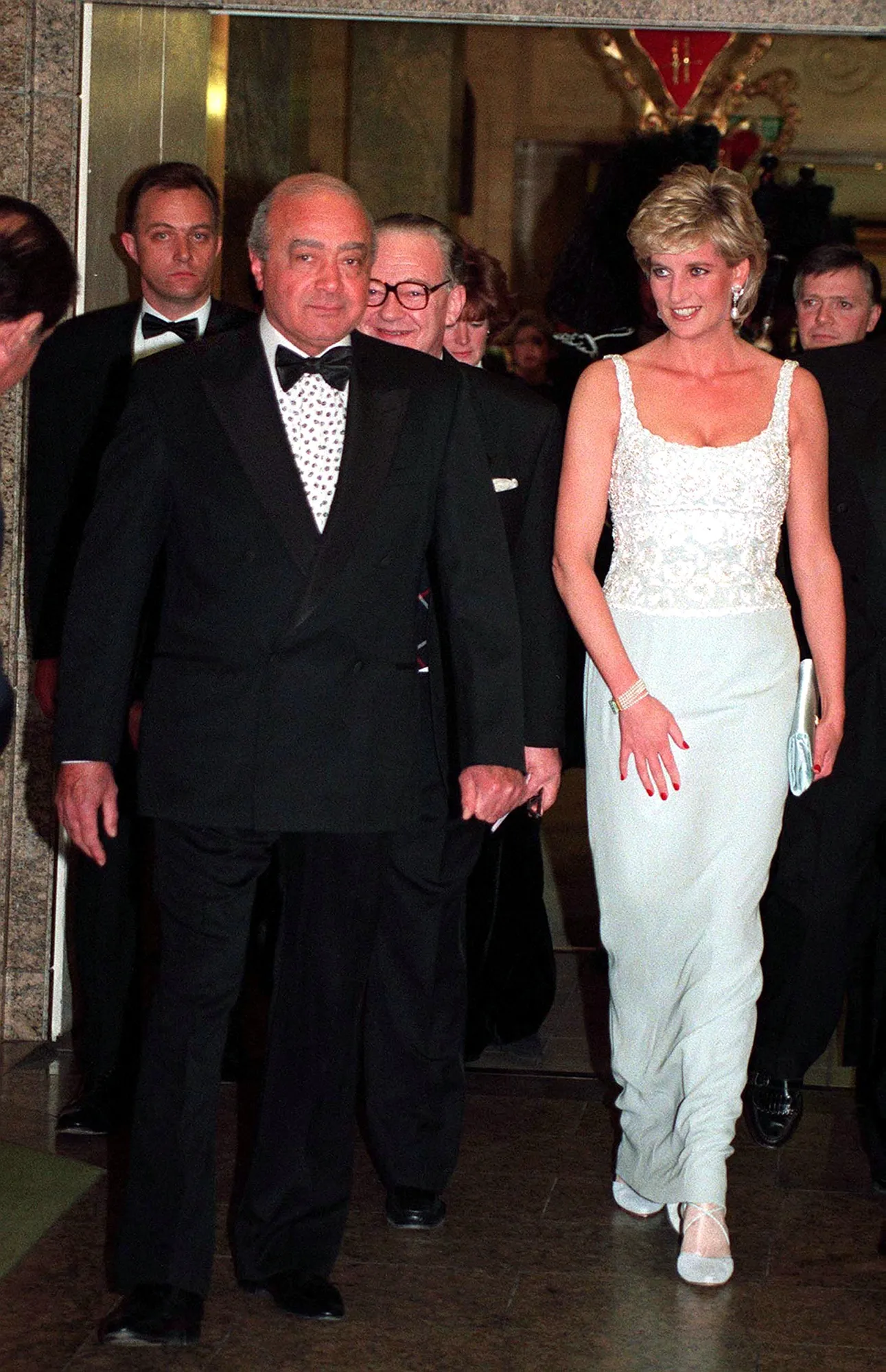
In “Swan Song: Diana, My Sister”, released Tuesday, Spencer revisits some of the most private and difficult episodes of his sister’s life, including her troubled relationship with the Royal Family, her marriage to then-Prince Charles and the events surrounding her death in a Paris car crash in 1997.
One of the book’s most personal allegations concerns Al Fayed, whose son Dodi was romantically involved with Diana shortly before both were killed in the Paris crash. Spencer writes that Diana told him Al Fayed approached her at one point and placed a hand on her buttocks while making a suggestive remark.
According to Spencer’s account, Diana described the encounter with “revulsion”. He writes that the incident changed the way she viewed Dodi’s father and added another layer of discomfort to her relationship with the Al Fayed family.
The allegation is presented in the memoir as Spencer’s recollection of what his sister told him. There is no independent confirmation of the private conversation described in the book.
Spencer also uses the memoir to revisit Diana’s doubts about her relationship with Charles in the months before their 1981 wedding. He recalls a family gathering at Windsor Castle that Diana had apparently hoped would give her an opportunity to spend time with her fiance after his return from New York.
Instead, Spencer writes, she felt largely ignored.
“Diana had dreamt of spending the party at Windsor Castle at her fiance’s side. But he had shown next to no interest in her,” he writes.
Spencer says the evening left his sister deeply upset. According to his recollection, Diana later approached their father and told him she did not believe she could marry Charles because she felt he did not love her.
The memoir also contains a more affectionate portrait of Diana as a mother. Spencer describes her relationship with Prince William and Prince Harry and praises the effort she made to give them a sense of emotional security and values that extended beyond the traditions and expectations of royal life.
“I have never, in my life, come across a better mother,” Spencer writes.
He portrays Diana as determined to help her sons develop their own outlook on life rather than simply inherit the responsibilities and conventions associated with the monarchy. Her aim, he suggests, was to help them become the “best versions of themselves.”
Some of Spencer’s most striking recollections concern the aftermath of Diana’s death. He describes a telephone conversation with Charles in the days following the crash in Paris and says the former Prince of Wales appeared unusually upbeat during the call.
“Unlike my other callers, who were stunned, barely able to articulate their condolences and offers of help, he sounded giddily elated – like a lottery winner, I remember thinking at the time,” Spencer writes.
Spencer says Charles told him that he had informed William and Harry of their mother’s death while they were at Balmoral.
The memoir makes clear that Spencer’s interpretation of the conversation developed beyond what he heard directly. He writes that he later wondered whether Charles was already thinking about how Diana’s death might affect his future with the woman he loved. That is Spencer’s personal interpretation of the exchange rather than an independently established account of Charles’ thoughts or motives.
Another episode recalled in the book concerns the death of Spencer’s father, John Spencer. Spencer describes becoming emotional as his father’s coffin was carried into the church by six members of the family’s long-serving staff.
He says Charles then remarked, “You’re so lucky”, referring to Spencer’s inheritance of the family estate while still in his twenties.
According to Spencer, Charles went on to complain that, despite being 43 and employing dozens of people, his own parents still treated him “like a child”. Spencer also recalls Charles becoming visibly frustrated and stamping his foot during the conversation.
The episodes form part of a memoir centred less on the public image of Diana than on Spencer’s personal memories of his sister and his encounters with the people around her. His account offers an intimate, and at times deeply critical, interpretation of events that have remained subjects of public fascination for decades.
Buckingham Palace has disputed claims arising from the memoir, including Spencer’s account of Charles’ behaviour after Diana’s death. The allegations concerning private conversations and personal encounters remain Spencer’s recollections and interpretations, and some of the events described cannot be independently verified.