Albania has become one of Europe’s fastest-growing travel destinations, with international arrivals reaching 11.9 million in 2025, according to UN Tourism. That was a 3.3% increase from the previous year and 93.6% higher than the number recorded in 2019, showing just how quickly the Balkan country has moved from relative obscurity to the European holiday map.
The scale of that change is striking for a country that spent much of the 20th century deliberately cut off from the outside world. Under communist dictator Enver Hoxha, Albania became one of Europe’s most isolated states. Foreign tourism was extremely limited, and the country remained largely unknown to the mass international traveller.
That began to change after Hoxha’s death in 1985 and the collapse of communism in the early 1990s. Albania gradually opened itself to the world, but it took decades before international visitors began arriving in significant numbers. What has happened more recently is something different: Albania is no longer simply a country travellers stumble upon while exploring the Balkans. It has become a destination in its own right.
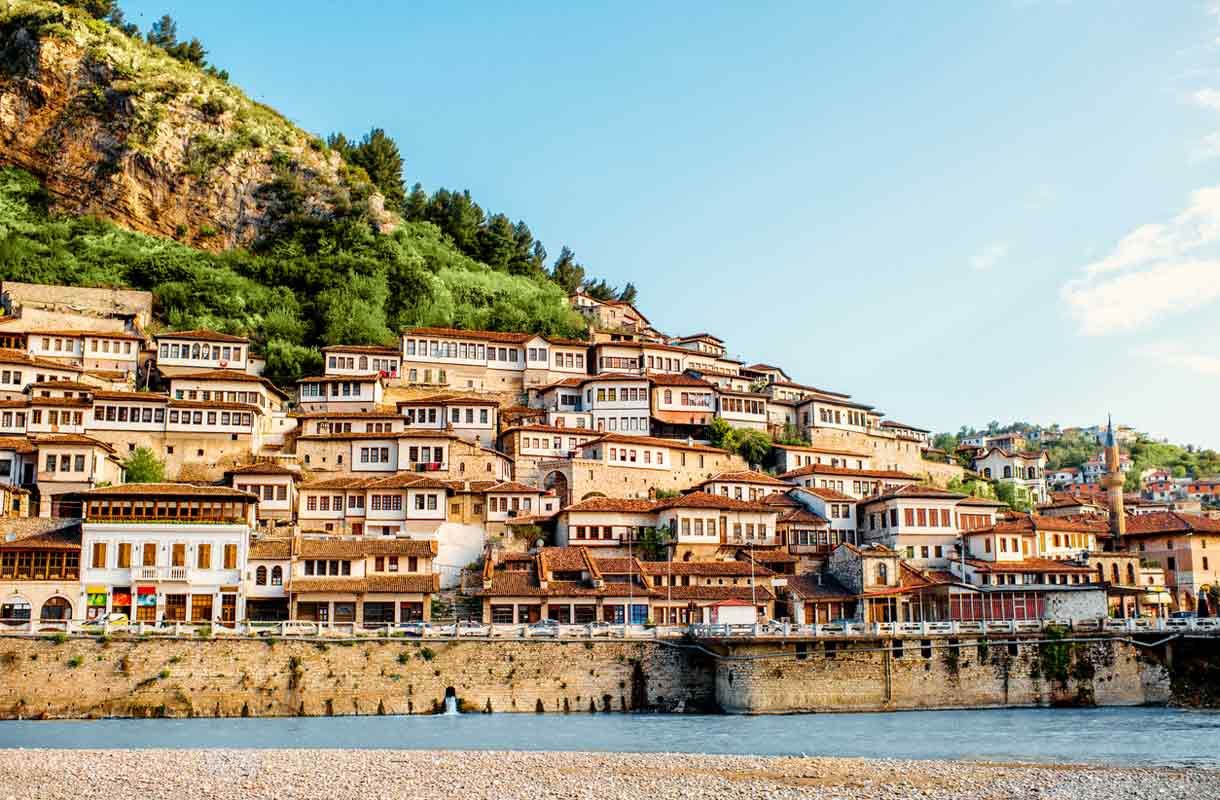
The reasons are varied. Albania offers Adriatic and Ionian beaches, historic cities, dramatic mountain landscapes and a relatively affordable alternative to some of Europe’s more established tourist destinations. Its growing visibility on social media and in international travel coverage has also helped push the country further into the mainstream.
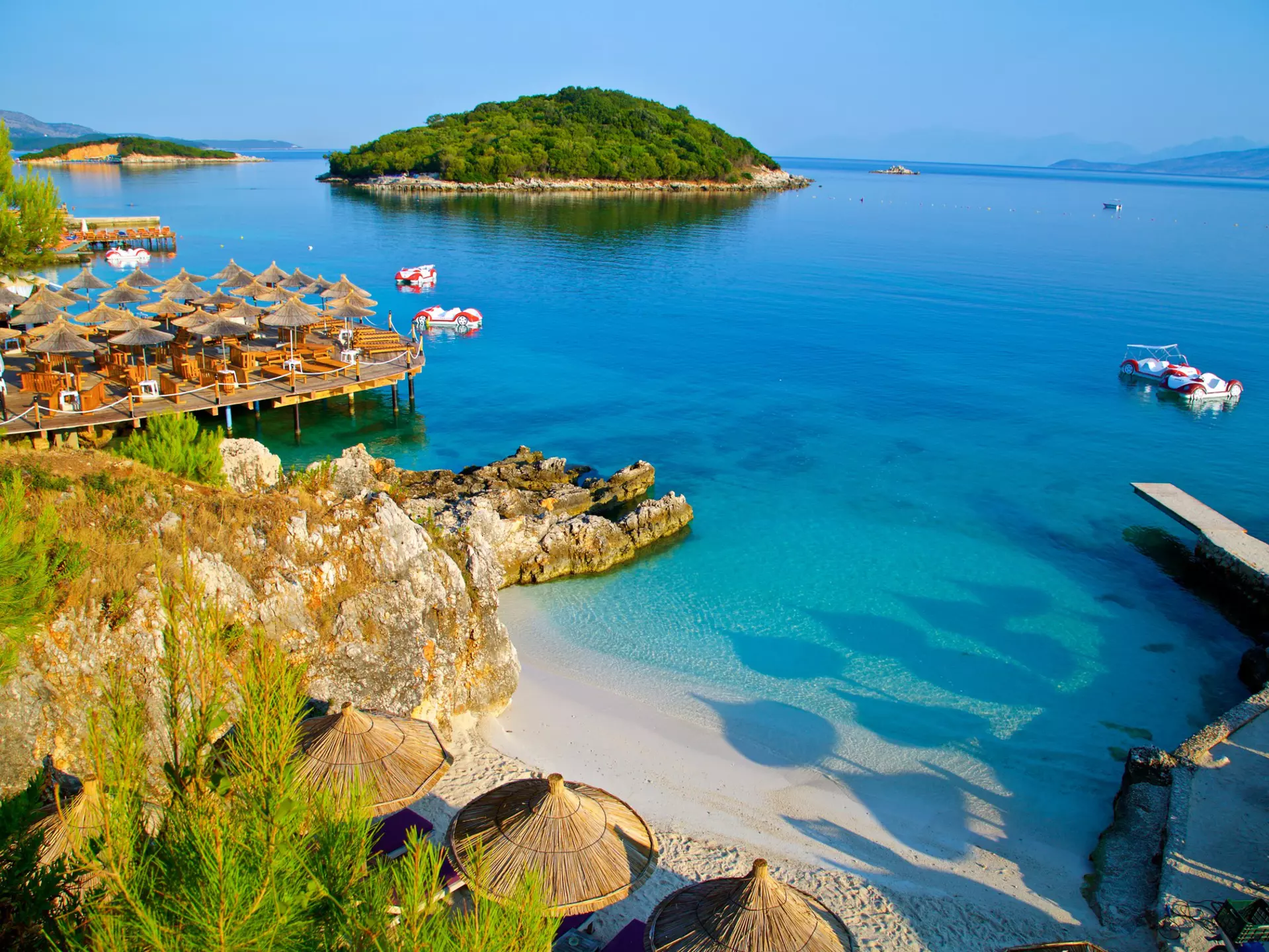
The Albanian Riviera has perhaps played the biggest role in that transformation. Clear water, coastal villages and beaches stretching along the Ionian coast have attracted increasing attention from travellers looking beyond the more crowded resorts of neighbouring Croatia and Montenegro. The description “Maldives of Europe” has been used repeatedly by travel publications to describe the coastline, although the comparison can obscure what makes Albania distinctive in its own right.
The country’s rise also fits a broader pattern in European tourism. Travellers who once concentrated on established destinations increasingly look towards places that offer a different experience, particularly when prices and overcrowding become concerns elsewhere.
Croatia provides one example. Dubrovnik became a global tourism phenomenon, helped in part by its appearance in Game of Thrones, and visitors subsequently began looking beyond the city’s crowded streets and towards other parts of the Adriatic. Montenegro benefited from that shift, and Albania has increasingly become the next stop for travellers moving south along the coast.
Its position within the Balkans makes that movement relatively easy. Albania can be combined with trips to Montenegro, Kosovo and North Macedonia, allowing travellers to cross several countries in a single journey. Bus connections between regional cities have made such itineraries accessible to independent travellers who do not necessarily want to rely on organised tours.
Air connections have also changed the equation. The expansion of Tirana International Airport has increased the country’s accessibility, while the establishment of a Wizz Air base in Tirana in 2020 brought a wider range of lower-cost flights linking Albania with cities across Europe. Routes have included destinations such as Barcelona, Budapest, London, Madrid, Rome and Stockholm.
But Albania’s appeal is not confined to its coastline. Its capital, Tirana, offers a concentrated introduction to the country’s complicated modern history and the speed at which it has changed since the end of communism.
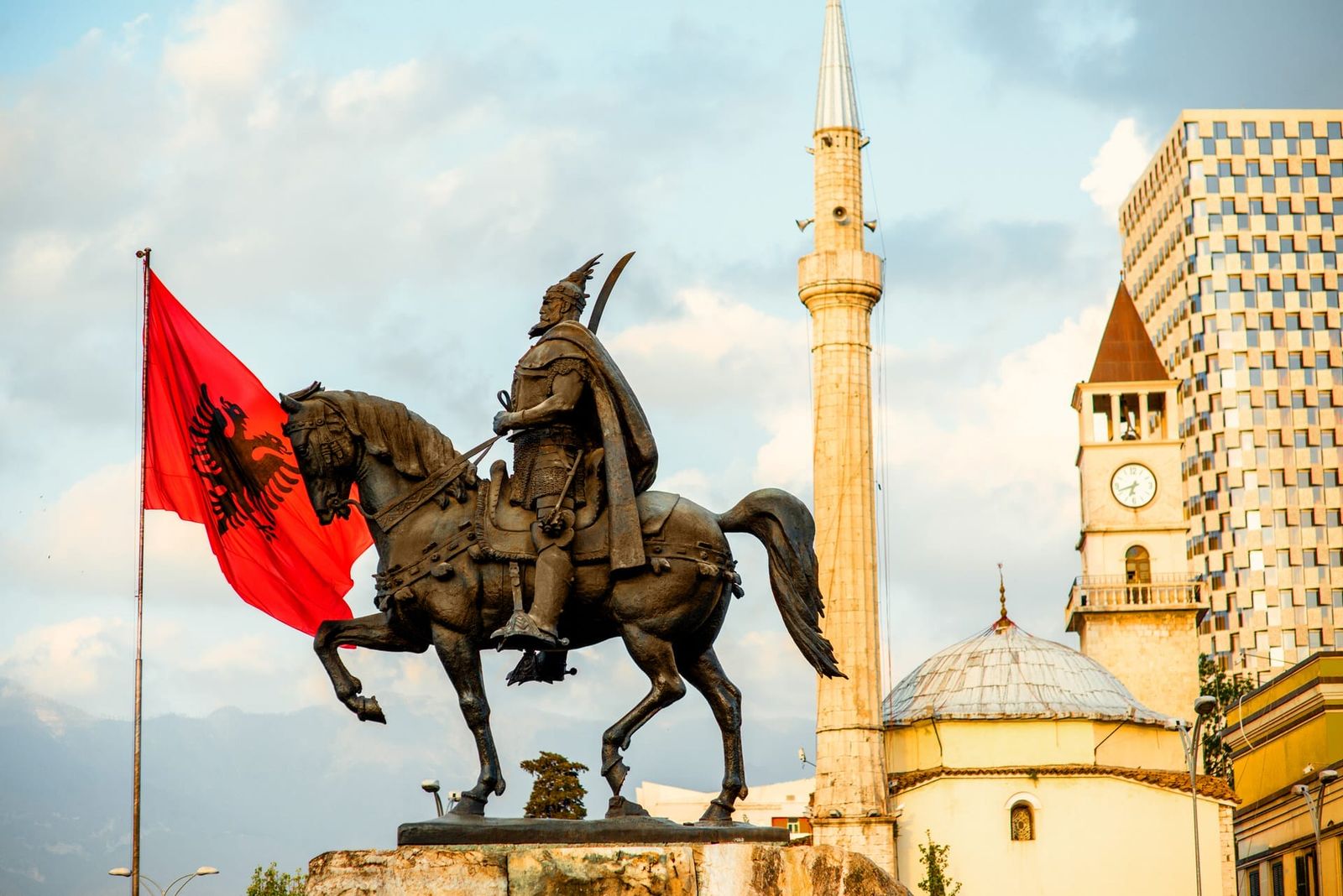
Skanderbeg Square sits at the centre of the capital, named after the national hero whose resistance to the Ottoman Empire in the 15th century remains an important part of Albanian identity. The National Historical Museum is currently closed for renovation, with reopening expected in 2028, but its exterior mural still provides a visual introduction to different chapters of Albania’s past.
The communist period is particularly visible in Tirana. At the House of Leaves, visitors can explore the former headquarters associated with the country’s secret police, the Sigurimi. Documents, photographs, recordings and former interrogation spaces offer a glimpse into a system in which surveillance and political repression were part of everyday life.
Another reminder of the Hoxha era can be found underground. Albania is dotted with concrete bunkers built during the communist period, remnants of a regime obsessed with the possibility of foreign invasion. Bunk’art 2, close to central Tirana, examines the history of the secret police and political persecution, while the larger Bunk’art 1 occupies a former nuclear bunker on the outskirts of the city and covers Albanian history from the 1930s through to the end of communist rule in 1990.
Tirana’s present-day character is very different from the closed society represented by those museums. The city has developed a busy restaurant, café and nightlife scene, particularly around the Blloku district, an area that was once associated with the country’s communist leadership and is now one of the capital’s social centres.
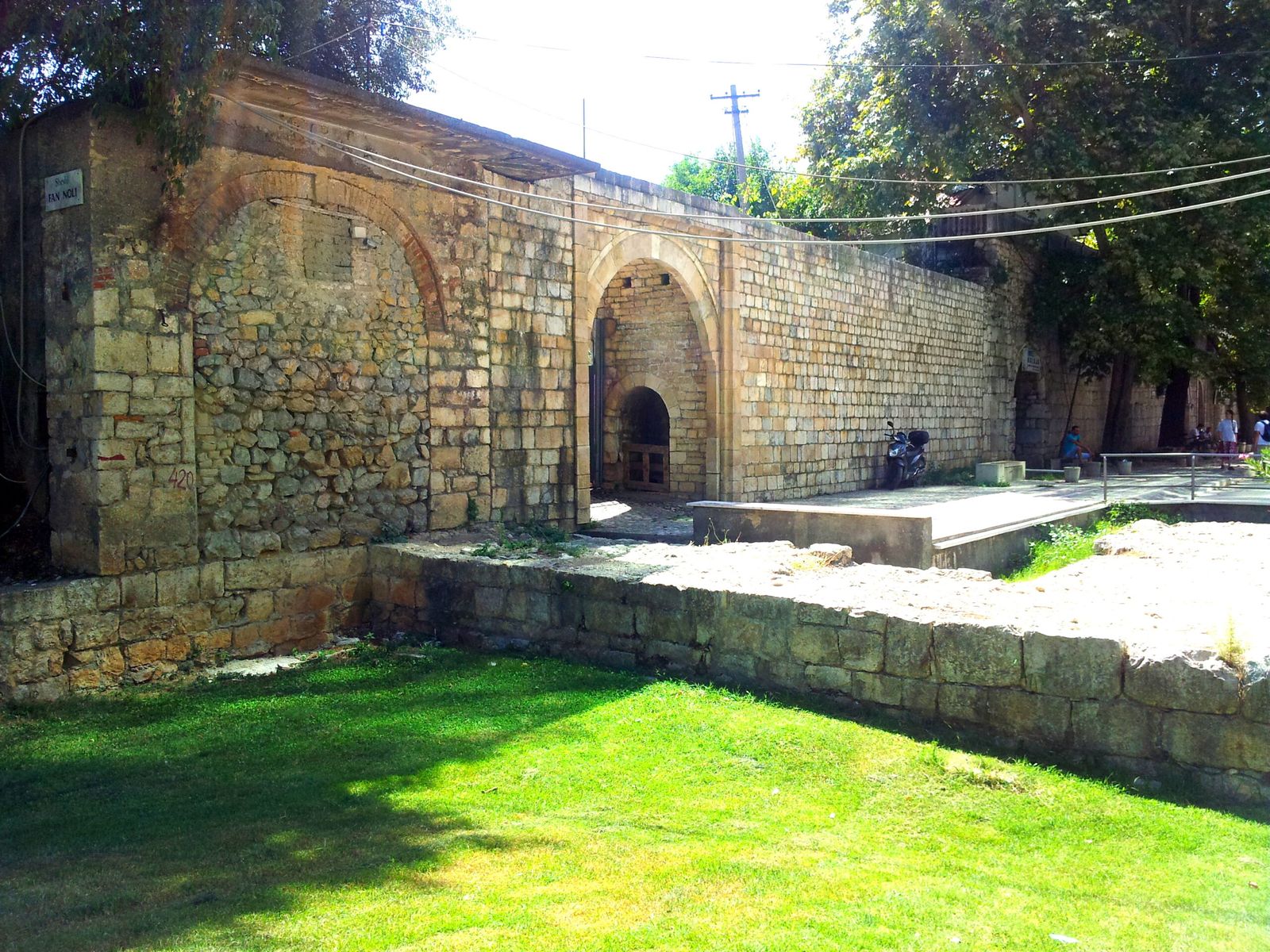
Tirana Castle, also known as the Fortress of Justinian, offers another window into the city’s changing identity. The historic site now contains restaurants, cafés and independent shops, bringing together elements of Albania’s past and its increasingly modern urban culture.
Further north, Shkodër provides a slower introduction to the country. The city sits near Lake Shkodër, the largest lake in Southern Europe, which stretches across the border between Albania and Montenegro. Rozafa Castle overlooks the surrounding landscape, but the lake itself is arguably the main attraction for visitors looking to step away from the country’s faster-growing tourist centres.
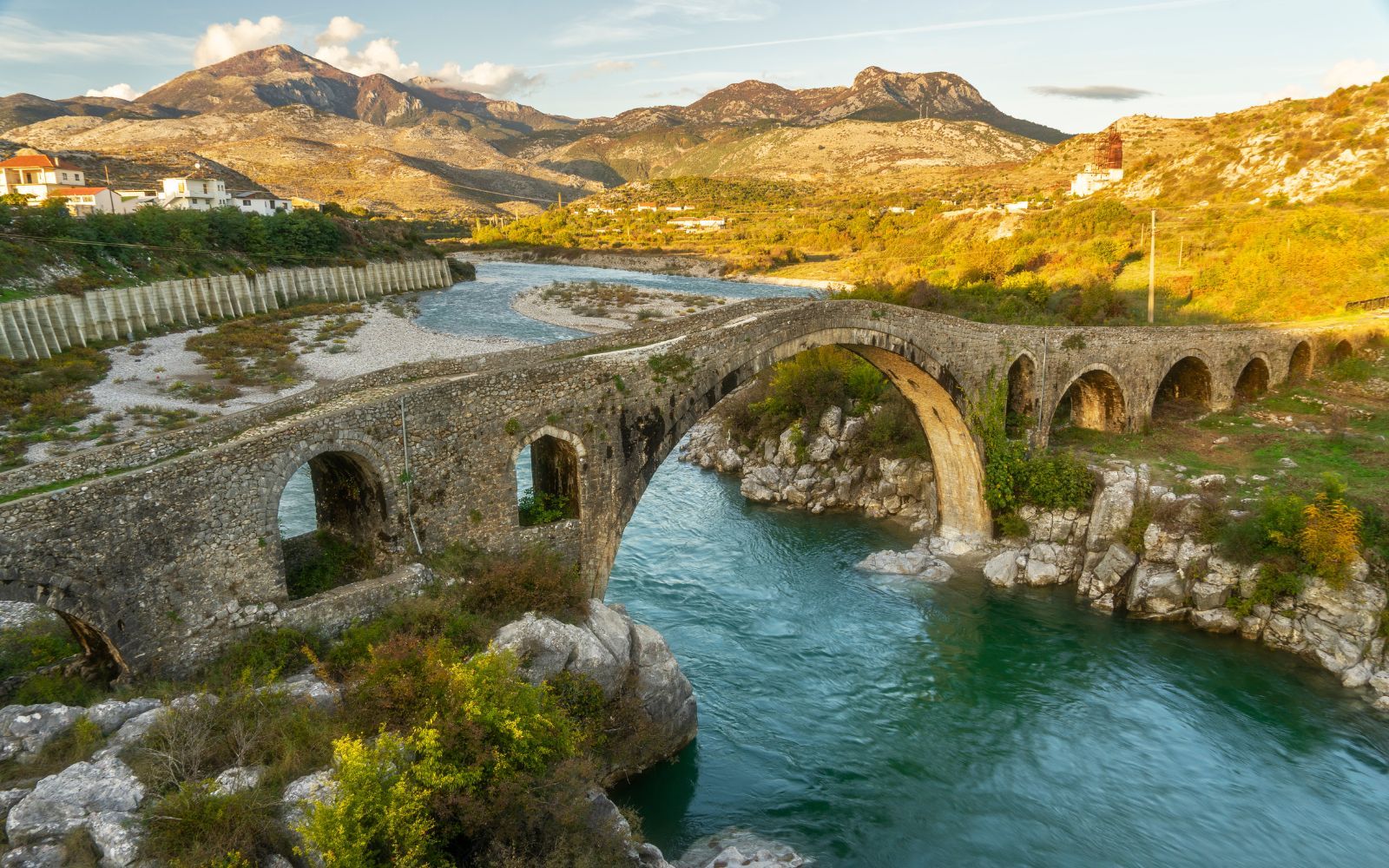
Cycling around the lake is one way to experience the area at a more relaxed pace. Shkodër is also a gateway to some of northern Albania’s most dramatic landscapes, including Lake Koman, the Shala River and the Albanian Alps.
For hikers, the mountains provide a very different reason to visit. The Valbona Pass, linking Valbona with the village of Theth, is among the country’s best-known trekking routes. The roughly 12-kilometre trail can take between seven and 10 hours, depending on conditions and pace, and passes through mountain scenery, meadows and dramatic peaks.
The popularity of the route reflects another side of Albania’s tourism appeal. The country is not simply benefiting from the search for cheaper beach holidays. Its mountainous north offers a landscape that attracts travellers interested in hiking, nature and outdoor adventure.
Then there is the coast, which remains the strongest image associated with Albania’s tourism boom.
Vlorë, Albania’s third-largest city, has experienced a substantial increase in visitors, while destinations such as Dhërmi, Sarandë and Ksamil have become increasingly familiar names among international beach travellers. The combination of warm Mediterranean weather, clear water and a growing selection of accommodation has helped turn sections of the Albanian Riviera into major summer destinations.
The growth has also brought investment. New hotels and resorts have appeared along the coast, including Green Coast Hotel – MGallery Collection, Crowne Plaza Durres by IHG and Miamar Luxury Hotel & Spa. That expansion is changing the physical landscape of places that were once far less developed for international tourism.
Getting to Albania has consequently become easier. Tirana International Airport has direct connections with major European cities including London, Frankfurt, Amsterdam and Istanbul, although some routes operate seasonally. Travellers already moving through the Balkans can also reach Tirana by bus from cities including Skopje and Ohrid in North Macedonia, Podgorica and Budva in Montenegro, and Prishtina and Prizren in Kosovo.
Albania’s tourism boom is therefore about more than beaches. Its appeal comes from the combination of a dramatic coastline, mountain landscapes, a complicated and relatively recent history, a developing food and nightlife scene and its location at the crossroads of the Balkans.
The challenge now is that the country is no longer a secret. The same international attention that helped put Albania on travellers’ itineraries is also changing the places those visitors have come to see. Beaches that once felt remote are receiving new hotels and infrastructure, while towns that were once bypassed are becoming part of established Balkan travel routes.
For now, Albania remains one of Europe’s most striking tourism transformations. In little more than three decades, a country once defined by isolation has become a destination increasingly defined by its openness to international travellers. The question is no longer whether people will discover Albania, but how the country will manage the attention that has arrived so quickly.