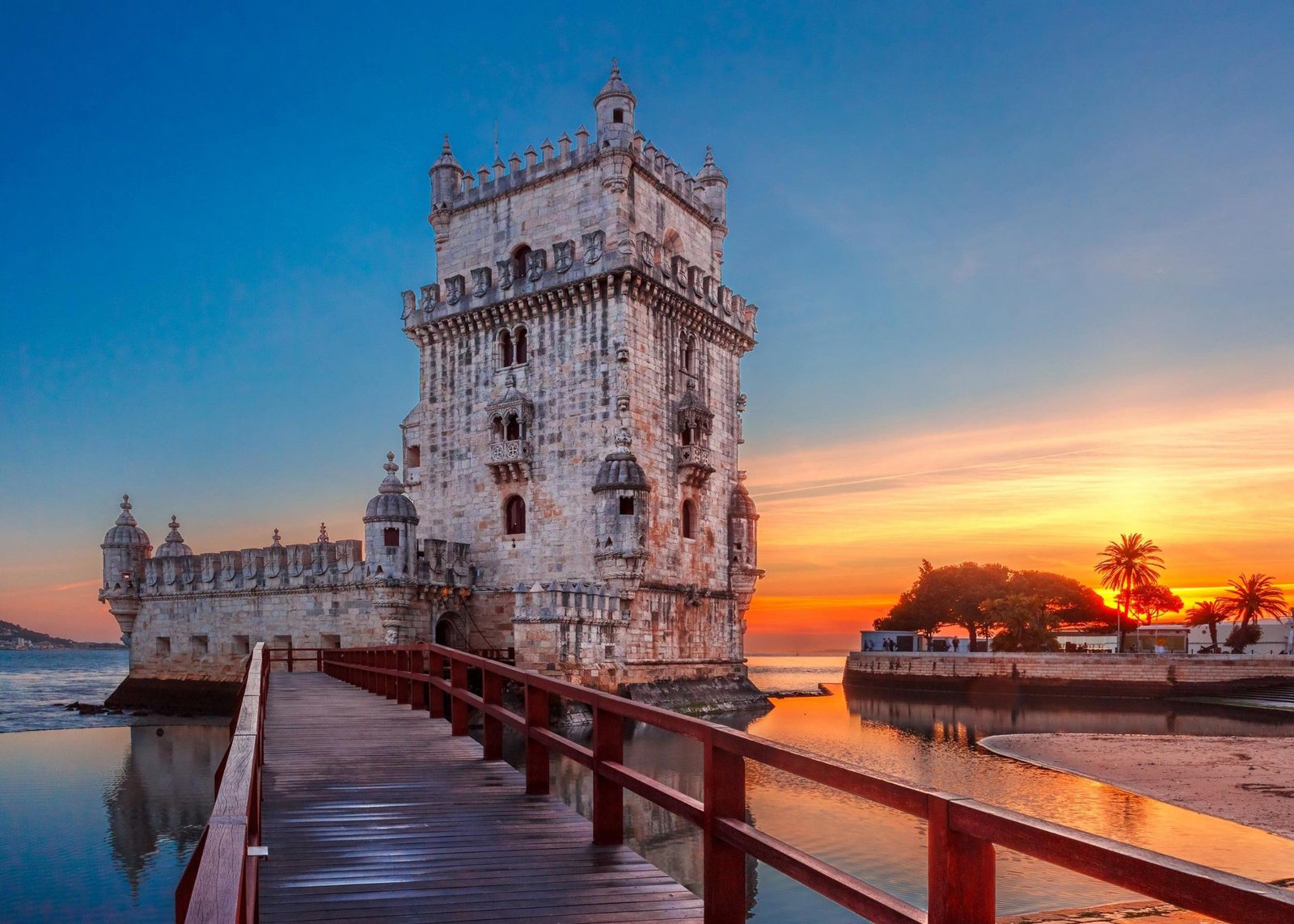
Lisbon has been named the world’s happiest travel destination in a new global survey that assessed 47 cities using factors linked to wellbeing, including sunlight, healthy food, sleep quality, physical activity and access to nature.
The Portuguese capital topped the Holiday Happiness Index compiled by BookRetreats, which examined destinations through the lens of how their physical environment and everyday travel experience may contribute to a visitor’s sense of wellbeing. The ranking reflects a growing interest in travel that offers more than sightseeing, with factors such as walking, access to green space, healthy eating and opportunities to spend time outdoors becoming part of how travellers assess a destination.
Lisbon’s position at the top of the ranking was driven by several elements, but food was one of the strongest factors identified by the study. According to the analysis, almost 10 per cent of restaurants in the city are classified as healthy, giving Lisbon the second-highest share among the destinations assessed and placing it ahead of major food cities including Paris, Tokyo and New York.
The study also pointed to the affordability and variety of food available in Lisbon. Fresh seafood, traditional taverns and a broad choice of cuisine make it possible for visitors to eat well without necessarily facing the prices associated with some of the world’s better-known culinary capitals.
Walking was another factor that helped Lisbon stand out. Although parts of the city are known for steep streets and uneven terrain, the study found that its compact layout makes it relatively easy to explore on foot. Its hills also provide something in return for the effort, with viewpoints across the city offering visitors a reason to slow down rather than simply move from one attraction to another.
Green space was another important part of the assessment. The study estimates that Lisbon has 49 square metres of green space per resident, almost four times the figure cited for Madrid. The city’s access to the Atlantic coast also adds another dimension, with Cascais and Costa da Caparica both reachable by public transport in less than an hour.

Weather, unsurprisingly, played a significant role in the ranking. Lisbon receives an estimated 2,828 hours of sunshine each year, giving visitors ample opportunity to spend time outdoors, whether walking through the city, sitting in its parks or travelling towards the coast.
Natalie Dattilo-Ryan, an affiliated clinical psychologist at Harvard who specialises in holistic happiness, guided the assessment. The methodology considered environmental and lifestyle factors that are associated with wellbeing and the body’s natural production of hormones linked to positive mood.
António Valle, director-general of the Lisbon Tourism Association, said the city’s appeal also lies in the different ways visitors can experience it while maintaining the qualities that distinguish the destination.
Lisbon’s first-place position was not the only notable result. Helsinki ranked second, continuing a strong showing for the Finnish capital in international measures connected to quality of life and wellbeing.
The Holiday Happiness Index highlighted Helsinki’s relationship with nature as one of its defining strengths. According to the study, the city has around 126 square metres of green space per person, with parks, tree-lined streets and forest trails forming part of the urban landscape.
The ranking also pointed to Helsinki’s walkability, safe streets and efficient public transport. Its emphasis on trust and relatively calm urban environment were identified as factors that can make it easier for visitors to slow down and disconnect from the pressures of everyday life.
Orlando took third place and was the only city outside Europe to appear in the top 10. While the Florida city is internationally associated with major theme parks, the study focused instead on its lakes, green spaces and favourable conditions for outdoor activities. Orlando records an estimated 2,930 hours of sunshine a year, according to the ranking.
European destinations dominate the remainder of the top 10. Athens placed fourth, followed by Edinburgh, Madrid, Vienna, Budapest, Oslo and Vilnius.
The results suggest that the idea of a satisfying holiday is being measured in increasingly practical terms. A destination does not necessarily have to offer the greatest number of attractions to create a positive travel experience. Access to nature, the ability to walk, good food, daylight and opportunities to rest can shape how visitors experience a city just as much as its famous landmarks.
For Lisbon, the ranking puts those everyday qualities at the centre of its appeal. Rather than measuring happiness solely through entertainment or the number of attractions available, the survey presents the city as a place where food, sunshine, public spaces, walking and access to the coast come together to influence the way travellers experience their time away.