Finnish winter announces itself long before the first lasting snow, and people who live in Finland learn to notice the signs without needing a weather forecast. The change is gradual, almost understated at first. Then one day, the country feels different.
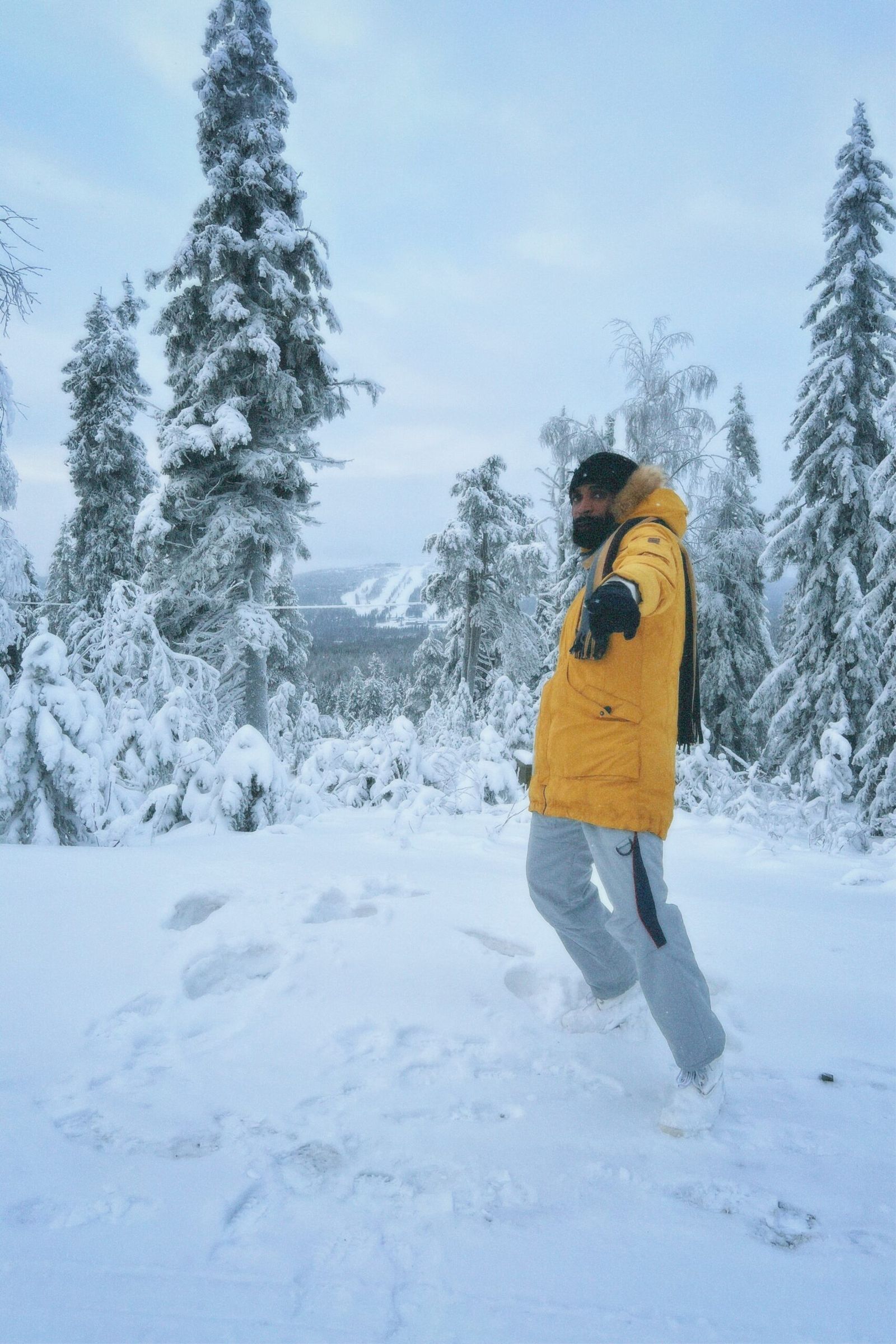
The mornings are darker. The air has a sharper edge. People begin checking the temperature before leaving home, not because they are particularly interested in the number, but because a few degrees can now determine what kind of jacket is needed. On the roads, drivers start thinking about tyres. In shops, winter clothing takes over more space. And somewhere in the background, the possibility of snow becomes part of everyday conversation.
This is what makes Finnish winter different from the way winter is often imagined from abroad. It does not necessarily arrive with a dramatic storm or a sudden transformation of the landscape. In much of Finland, winter is a process that begins before the country turns white.
One of the clearest signs is the light.
By September, the difference is already noticeable. The long summer evenings have disappeared, and daylight becomes increasingly limited as autumn moves on. In southern Finland, where cities such as Helsinki, Lahti and Turku still have relatively moderate autumn conditions, the change can feel gradual. Further north, the loss of daylight becomes much more pronounced.
For someone who has recently arrived in Finland, the changing light can be one of the first genuinely striking signs that winter is approaching. It is not simply that the sun sets earlier. The entire rhythm of the day begins to change. A morning that felt bright in August can feel distinctly dark a few weeks later.
Then there is the temperature.
The first cold mornings do not necessarily mean winter has arrived. Finland can move back and forth between relatively mild and cold conditions during autumn. A chilly morning may be followed by a warmer afternoon, and temperatures can fluctuate considerably before the more persistent winter weather settles in.
Still, there is a moment when the cold starts to feel different.
It is the point when leaving the house without a proper jacket no longer seems like a harmless decision. Gloves begin appearing in pockets. Hats come out of storage. People start dressing for the temperature rather than the season written on the calendar.
For visitors, this can be easy to underestimate. Finnish cold is not something that can always be understood simply by looking at the temperature. Wind, moisture, darkness and how long you spend outside all change the experience. The practical response is often more important than the number itself.
The landscape also begins to give clues.
Leaves change colour and eventually disappear from the trees. Forest paths become covered with fallen leaves. Grass loses the bright appearance it had during summer. In many places, the landscape becomes quieter and more muted as autumn progresses.
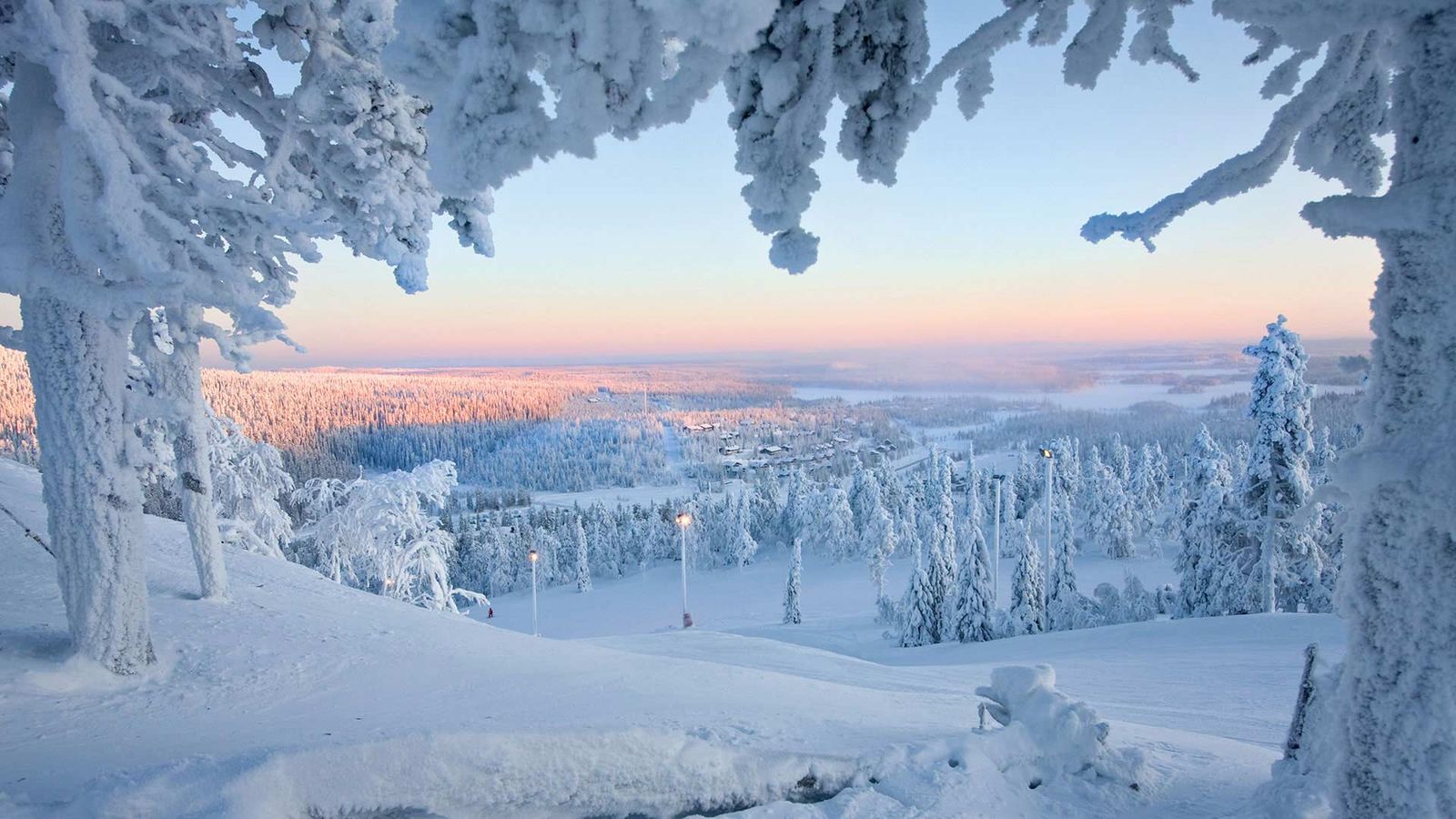
The change is particularly noticeable in Finnish cities, where parks and walking routes that were busy during the summer suddenly take on a different character. People still walk, cycle and spend time outdoors, but the easy summer habit of simply staying outside for hours begins to give way to more deliberate routines.
Then comes one of the most familiar questions in Finland: when will the first snow arrive?
There is no single answer because Finland is a long country with significant differences between the south and the north. The timing of permanent snow cover varies from place to place and from year to year. The first snowfall may disappear quickly, while later snow can remain on the ground.
That uncertainty is part of autumn in Finland. A forecast showing snow can suddenly become important. Not because everyone is necessarily excited about it, but because snow changes practical life.
Road conditions become a consideration. Walking routes can become slippery. Cycling requires more attention. Drivers begin preparing for winter conditions. The choice of shoes becomes less about fashion and more about whether they can handle cold, ice and wet ground.
Finnish winter is also visible in the way people prepare before it arrives.
This may be one of the least dramatic but most revealing aspects of life in Finland. Winter preparation is built into everyday routines. Clothing is changed. Cars are prepared. Homes are adjusted. Outdoor equipment comes back into use. The transition is not treated as an extraordinary event because winter is part of the normal rhythm of the country.
For newcomers, this can be one of the biggest cultural observations. The Finnish relationship with winter is largely practical. There is little point in being surprised every year that it is cold.
People simply prepare for it.
That does not mean Finns necessarily love every part of winter. The darkness can be difficult, especially when daylight becomes limited. Cold weather can make ordinary tasks more demanding. Snow and ice can create practical problems. Yet outdoor life does not simply stop because temperatures fall.
Instead, the definition of being outdoors changes.
A walk in winter requires different clothing. Cycling may require different equipment. A trip to the forest becomes an experience shaped by snow, ice and shorter days. Even a simple journey to work or the supermarket can feel different when the streets are covered in snow.
Another sign that Finnish winter is coming is the return of a particular kind of silence.
Snow changes the sound of a place. When the ground becomes covered and the landscape loses some of its autumn movement, familiar surroundings can suddenly feel quieter. In rural areas and forests, that change can be especially noticeable.
For someone used to warmer climates, it can be tempting to think of Finnish winter simply as snow and freezing temperatures. But the reality is more complicated. Winter is also about darkness, changing routines, preparation and adaptation.
That is why some of the earliest signs of Finnish winter have nothing to do with snow at all.
It is the earlier darkness when you leave work. It is the first morning when you see frost on a car. It is the moment you realise you have started carrying gloves. It is the first time you check the weather before deciding what shoes to wear. It is the gradual disappearance of the long evenings that made summer in Finland feel almost endless.
Eventually, snow becomes part of the picture, but by then winter has already announced itself.
Living in Finland makes these small changes easier to notice. What may look like an ordinary seasonal transition to a visitor becomes a series of familiar signals to someone who has experienced it before. The country does not suddenly become winter. It moves towards winter, day by day, until the change is impossible to miss.
And perhaps that is the most Finnish thing about the season.
Winter rarely needs to make an entrance. You notice it in the darkness, in the cold air, in the clothes people start wearing and in the way daily life quietly adjusts. By the time the first lasting snow settles across the landscape, Finland has usually been preparing for winter for weeks.