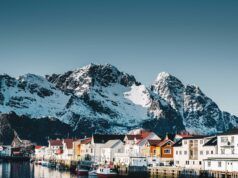
Beyond the postcard is where many destinations begin to make sense. The famous square, landmark, beach or viewpoint may be the reason travellers arrive, but it is often a less celebrated street, neighbourhood cafe, swimming spot, market or nearby town that locals will mention when asked where visitors should actually go.
Travel has become increasingly easy to research before departure. A few minutes online can produce a list of the places everyone appears to visit, complete with photographs, directions and reviews. That convenience has changed the way people move through cities. The most photographed places are often the easiest to find, while the places that residents genuinely enjoy can remain almost invisible to outsiders.

Ask someone who lives there, however, and the answer can be very different.
In Paris, a resident may point a visitor towards a neighbourhood bakery rather than another famous monument. In Lisbon, the recommendation might be a local restaurant away from the busiest tourist streets. In Cape Town, someone who lives in the city may suggest a beach, market or neighbourhood that receives far less international attention than the city’s most recognisable attractions. In Tokyo, the appeal may lie in a small district where people eat, shop and meet friends rather than in another observation deck.
The difference is not simply about avoiding crowds. It is about seeing a destination through a different set of priorities.
Visitors tend to ask what they should see. Locals are more likely to think about where they would actually spend an afternoon.
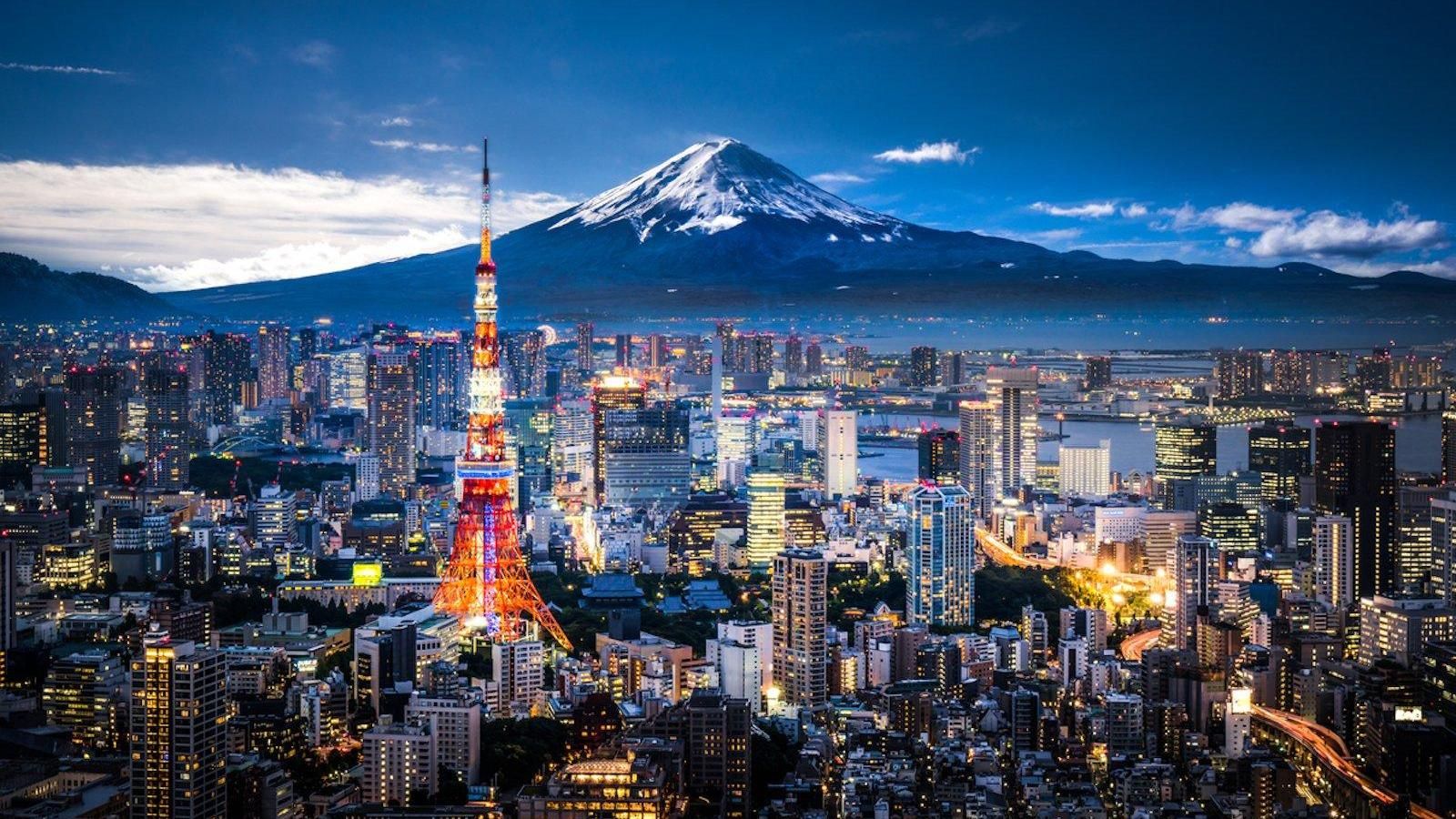
That distinction matters. A landmark tells you something about a city’s history or identity, but everyday places can reveal how that identity is lived. A neighbourhood park can say more about the rhythm of a city than a monument. A busy food market can explain local tastes better than a polished restaurant designed around international visitors. A public beach can reveal how residents use their coastline when nobody is taking photographs for a travel brochure.
This is where the idea of travelling “like a local” can become misleading. Visitors will always be visitors. They do not suddenly become residents because they eat at a neighbourhood restaurant or take a bus outside the city centre. The more useful goal is to become a better observer.
That starts with asking better questions.
Instead of asking a hotel receptionist for the “best tourist attraction“, ask where they go on their day off. Ask a taxi driver where they take their family for dinner. Ask a shopkeeper which neighbourhood they enjoy walking through. Ask a university student where people their age spend an evening. Ask someone at a market what they would recommend eating, rather than simply ordering the dish that appears most often in tourist guides.
The answers will not always produce a hidden gem. Sometimes the local recommendation will be a place that is already popular. That is useful information too. If residents continue to return to a particular beach, restaurant, park or market despite the presence of tourists, its popularity may have a different foundation from an attraction that exists largely because visitors have been told to go there.
There is also a practical reason to look beyond the postcard.
Tourism tends to concentrate. When millions of visitors are directed towards the same small collection of streets and attractions, pressure builds around those places. Prices can rise, public spaces become crowded and ordinary neighbourhood life can become secondary to the visitor economy. Moving some attention towards less concentrated areas does not solve every problem created by tourism, but it can help travellers experience more of a destination while spreading spending beyond its most famous locations.
That does not mean every quiet neighbourhood should become the next tourist attraction. In fact, one of the most important lessons from local recommendations is knowing when a place is not asking for more visitors.
A neighbourhood can be interesting without being a tourist site. A family-run restaurant can be worth visiting without needing to become an Instagram destination. A residential street does not become a better travel experience simply because outsiders have discovered it. Responsible travel sometimes means enjoying a place without turning it into content.
This is particularly important in cities that have experienced intense tourism. The search for the “undiscovered” has itself become a tourism trend, and once a supposedly secret location appears repeatedly on social media, it can quickly stop being secret. The language of discovery can also encourage travellers to treat ordinary communities as attractions rather than places where people live.
The best local recommendations therefore require a little judgement.
A resident may recommend a restaurant because the food is good, not because the interior is photogenic. They may suggest a park because it is peaceful in the late afternoon. They may send you to a neighbourhood that has no famous landmark at all. They may tell you to take a particular bus route simply because the journey offers a good view of the city.
These recommendations can feel almost insignificant compared with the attractions printed on a tourist map. Yet they often become the memories travellers remember most clearly.
There is a reason for that. Travel is rarely experienced as a collection of monuments. It happens between them.
It happens while sitting outside with a coffee, waiting for a train, watching people leave work, finding a small shop, getting slightly lost, hearing a language you do not understand, or discovering that a city has an entirely different pace on an ordinary weekday. These moments are difficult to package into a standard itinerary because they depend on being present rather than simply moving from one attraction to another.
The places locals recommend can also complicate the neat image a destination presents to visitors. A city marketed through architecture may turn out to have a strong food culture. A beach destination may have a surprisingly lively inland community. A capital known for museums may have its strongest character in neighbourhood markets and public spaces. The version of a destination that exists in advertising is often only one version of the place.
That is why the most useful local recommendation is not necessarily a secret location. It is a different way of looking.
Travellers who follow those recommendations may still visit the famous landmark. There is nothing wrong with that. The Eiffel Tower is still the Eiffel Tower. Table Mountain is still Table Mountain. The old streets of Lisbon are still worth walking. Tokyo’s major districts still deserve attention. Famous places become famous for reasons, and avoiding them simply because other tourists visit them can be another form of following the crowd.
The difference comes when the landmark is not the entire trip.
A destination becomes more interesting when there is room for the ordinary alongside the spectacular. The tourist attraction can provide the photograph, but the local recommendation may provide the story.
For travellers willing to look beyond the postcard, that may be the most valuable shift of all. Instead of asking whether a place is famous enough to deserve a visit, ask whether there is something there that people who live nearby genuinely value.
Sometimes the answer will lead to a place that never appeared on the itinerary.
Those are often the places worth remembering.