Finland public warning system mobile alerts are set to change how emergency information reaches people across the country, as authorities move toward faster, more direct communication during crises.
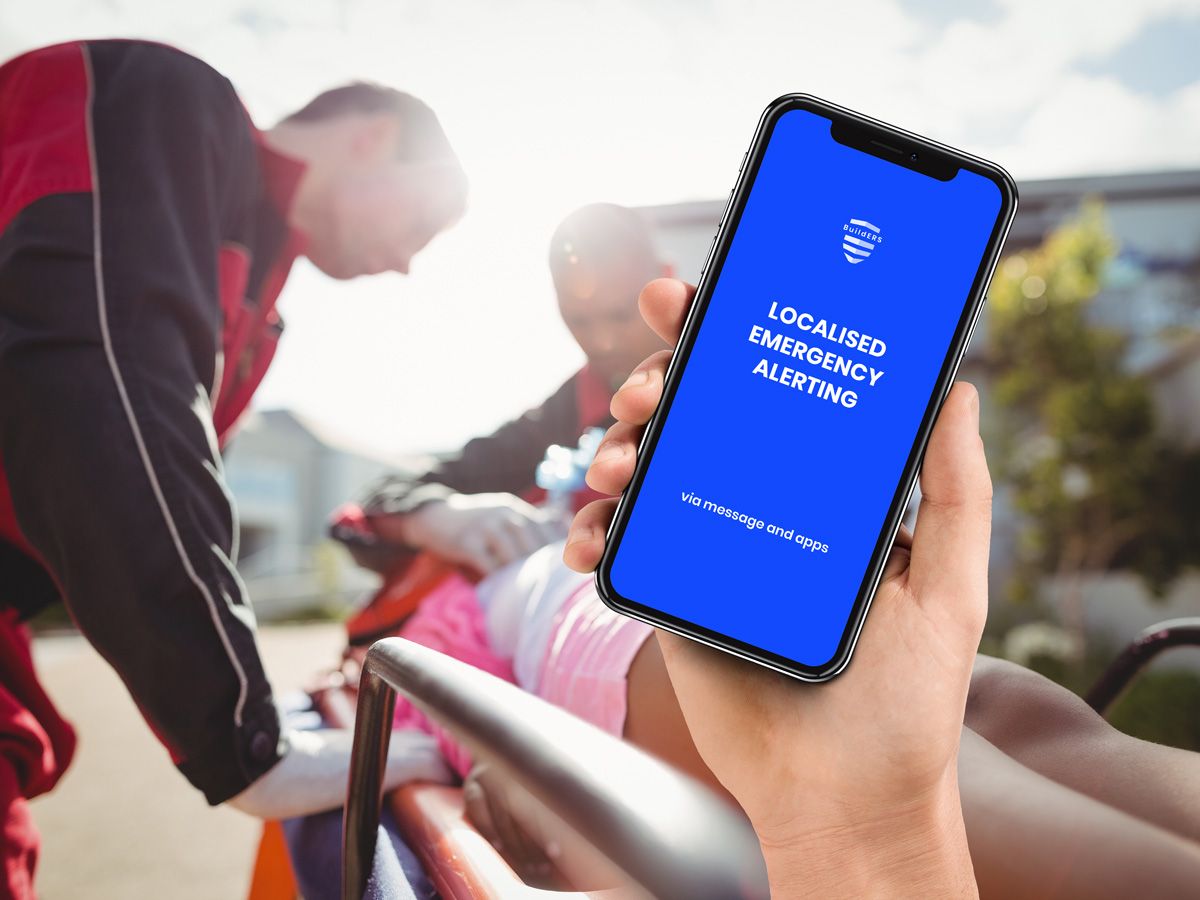
The Interior Ministry has confirmed plans to introduce a mobile-based alert system using Cell Broadcast technology. The aim is simple: reduce delays in emergency communication and ensure warnings reach people in a specific area at the same time, even when networks are under pressure.
Finland already uses a layered warning system. Alerts are issued through television, radio, websites, sirens, loudspeaker vehicles, and the 112 Suomi application. Each channel serves a different purpose, especially when infrastructure is strained or when people are on the move.
The problem has not been the absence of warning tools, but the speed and reach of older systems. Radio and TV require people to be tuned in. Apps require installation and active use. Sirens and public announcements depend on proximity.
The new mobile alert system is designed to close those gaps.
The upgrade relies on Cell Broadcast technology, which sends messages directly to all mobile phones within a defined geographic area.
Unlike standard SMS messaging, it does not send texts to individual numbers. Instead, it uses mobile base stations to distribute alerts to every compatible device in range at the same time.
This approach reduces pressure on mobile networks during emergencies, when systems are often overloaded. It also removes the need for phone number databases, which can be incomplete or outdated.
The message appears automatically on phones, meaning users do not need to install an app or register for the service.
Alignment With European Emergency Standards
Finland’s system is being developed in line with the EU-Alert framework, which several European countries have already adopted or are currently rolling out.
More than 20 countries across Europe have implemented similar mobile warning systems, especially in response to extreme weather events, public safety incidents, and national emergencies.
The shift reflects a broader policy direction across the region: move away from fragmented communication tools and toward unified, instant alert delivery.
Role of the 112 Suomi Application in the New System
The 112 Suomi app will continue to be part of Finland’s emergency communication structure. It already has more than two million users and is widely used for official warnings and safety information.
Authorities are expanding its capabilities further. A new feature under development will allow alerts related to airborne threats, adding another layer to the existing system.
However, officials emphasize that the mobile broadcast system is not dependent on app usage. Even users without the app will receive alerts if their phone supports Cell Broadcast, which most modern devices already do.
Emergency communication systems are often judged not by how many tools exist, but by how quickly information reaches the public when conditions are unstable.
In large-scale incidents, mobile networks can become congested. Standard SMS alerts may arrive late or not at all. Internet-based notifications can be delayed if data traffic is high.
Cell Broadcast avoids these bottlenecks by sending one message to many devices simultaneously, without relying on typical messaging infrastructure.
For authorities, this means fewer points of failure. For the public, it means faster awareness in situations where minutes matter.
The upgraded warning system is expected to be fully operational by 2027. The rollout involves integration with existing emergency communication channels rather than replacing them.
Finland is taking a gradual approach, ensuring compatibility with current systems before full deployment. This includes coordination between mobile operators, emergency authorities, and public information platforms.
The move reflects a broader shift in how Finland manages public safety communication. Instead of relying on a single channel, the country continues to build a layered system designed to reach people in different environments and situations.
Mobile alerts add speed. Broadcast media adds reach. Sirens provide immediate local warning. Apps add detail and follow-up information.
The new system is not replacing these tools. It is tightening the gaps between them.