Radisson Hotel Group Africa expansion has crossed a defining threshold, with more than 100 hotels now operating or in development across the continent, signaling a shift from ambition to execution in one of the world’s most complex hospitality markets.
This is not just a milestone count. It reflects how the Group has quietly built one of the most balanced and adaptable hotel portfolios in Africa, combining legacy strength with aggressive, targeted growth.
For years, international hotel expansion in Africa followed a predictable pattern. Build slowly, enter cautiously, and focus on capital-heavy flagship properties. That model has changed.
Radisson’s growth has been driven by conversion. Existing hotels are rebranded, upgraded, and integrated into global standards. It is faster, less risky, and more aligned with how African cities actually evolve.
In the past five years alone, more than 15 hotels, nearly 3,000 rooms, joined through conversion. That pipeline has allowed the Group to scale without waiting for long construction cycles, while still maintaining brand consistency.
This approach explains why the last 12 months alone delivered over 2,500 newly signed rooms and more than 15 hotel deals. The expansion is not theoretical. It is already materializing on the ground.
Two brands are doing most of the heavy lifting.
Radisson Blu remains the anchor. It carries recognition, especially in key African capitals and commercial hubs. It is the brand that signals stability to investors and familiarity to travelers.
But the real acceleration is happening with the Radisson brand itself. It is more flexible, easier to deploy, and better suited to conversions. That makes it ideal for secondary cities and fast-growing urban corridors.
This dual strategy is deliberate. One brand protects legacy. The other unlocks speed.
Nigeria, Morocco, South Africa: The Real Battlegrounds
Nigeria: Scale Meets Demand
Nigeria has become one of the clearest examples of how the model works in practice.
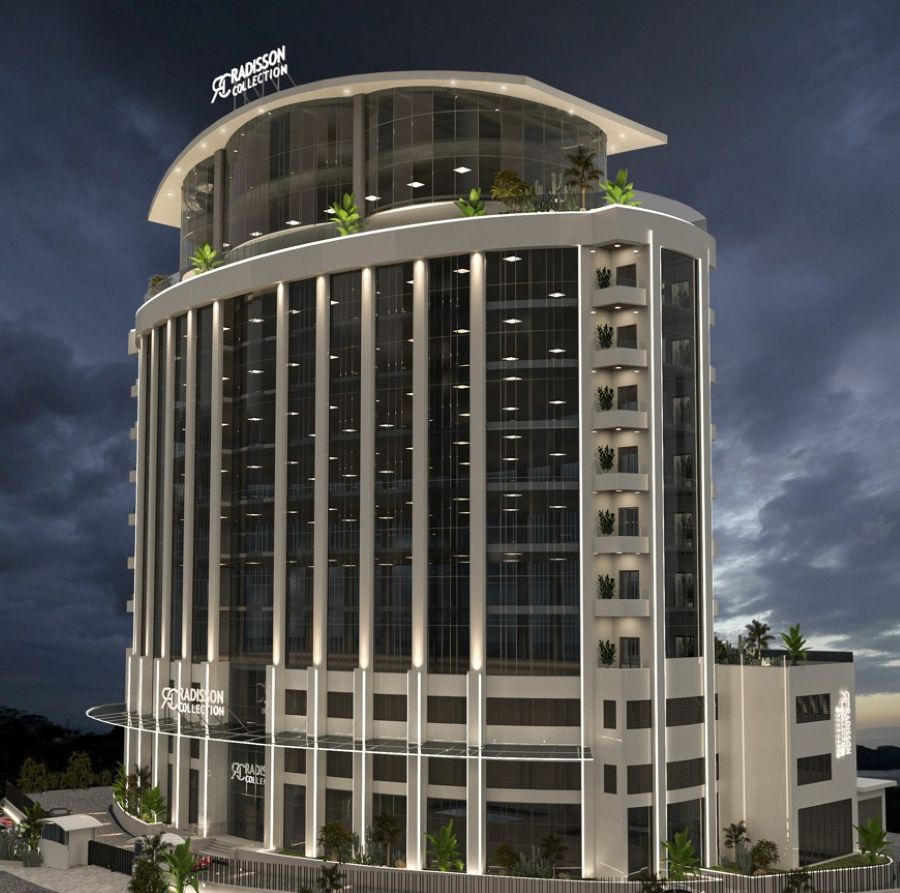
The Group now operates or is developing 13 hotels in the country. Abuja alone has three properties in the pipeline, totaling 458 rooms. Lagos continues to attract higher-end developments, including a Radisson Collection project on Victoria Island.
What stands out is not just volume. It is positioning. These hotels are being placed near government zones, commercial districts, and transport corridors. The logic is simple. Follow demand that already exists.
Morocco: Structured Growth With Strong Infrastructure
Morocco offers a different dynamic. It is already a mature tourism market with strong air connectivity and government-backed development zones.
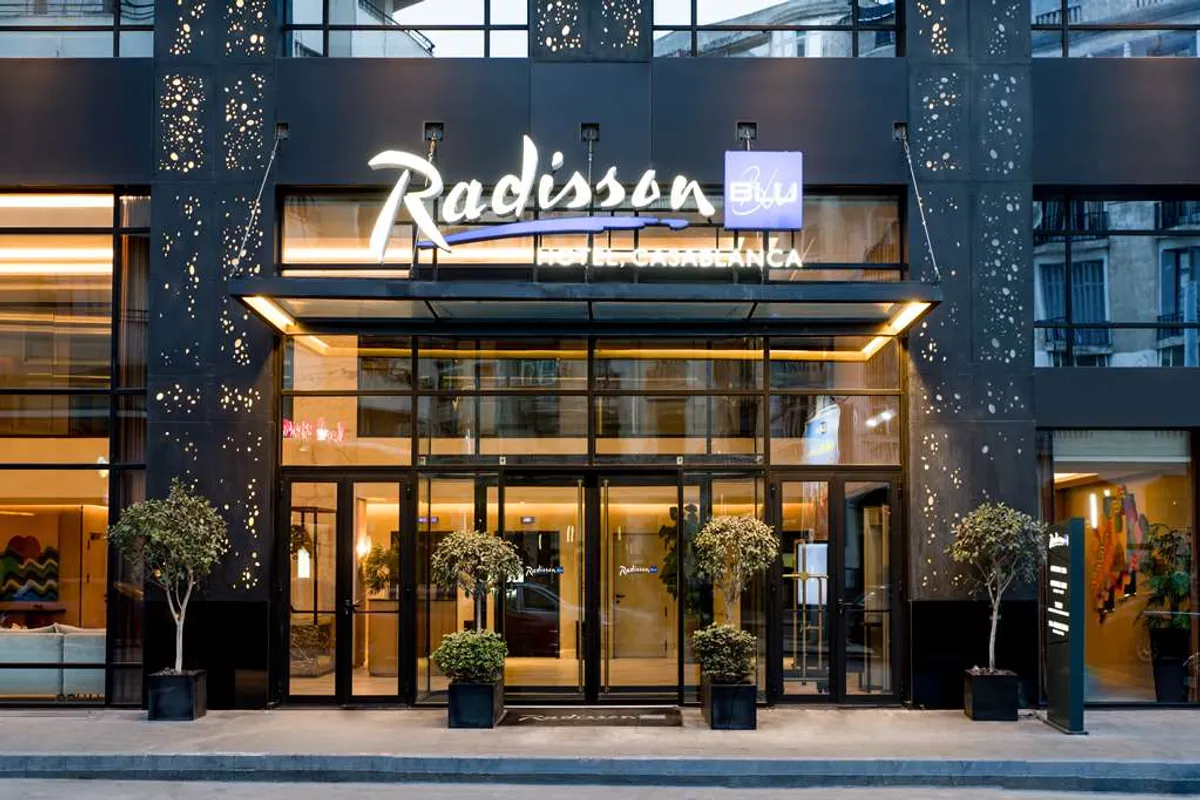
Radisson’s expansion here is more structured. Casablanca, Rabat, and Marrakech are not new bets. They are calculated reinforcements.
Projects like the Casablanca Bouskoura conference hotel and the Rabat Technopolis development show a focus on business travel, conferences, and long-stay demand. This is less about tourism headlines and more about steady occupancy.
South Africa: Resetting a Competitive Market
South Africa is not an easy market. It is saturated, competitive, and highly segmented.
Radisson’s strategy here is to reposition rather than expand blindly. Cape Town remains central, but attention is shifting toward secondary cities like Durban and Pretoria, as well as leisure corridors such as Kruger National Park and the Garden Route.

There is also a noticeable pivot toward serviced apartments and extended-stay formats. This reflects changing travel patterns, where guests are staying longer and blending business with leisure.
The Group’s recent moves into the Democratic Republic of the Congo and Zimbabwe highlight a more calculated expansion style.
Instead of large, high-risk flagship investments, Radisson is layering different property types within the same market. In Lubumbashi, for example, the pipeline includes a city hotel, serviced apartments, and an airport hotel. Each serves a different segment of demand.
This cluster approach reduces risk. It also creates operational synergy.
Zimbabwe follows a similar pattern. A serviced apartment project in Harare targets long-stay guests, while a resort near Victoria Falls leans into tourism and nature-driven travel.
The Shift Toward Nature and Experience-Based Travel
One of the more telling signals in the strategy is the growing focus on leisure and nature-led destinations.
Plans to expand into Zanzibar, along with interest in lodge and safari opportunities across Namibia, Botswana, and Zambia, point to a broader shift in demand. Travelers are moving beyond city stays. They want access to landscapes, wildlife, and slower travel experiences.
Radisson is positioning itself to capture that shift without abandoning its urban core.
Crossing 100 hotels in Africa is not just about scale. It marks a transition.
The early years were about entry and brand establishment. The current phase is about density, efficiency, and market depth. The next phase, leading to 2030, will test whether that network can deliver consistent performance across very different economic environments.
The Group’s leadership has framed this as a move toward resilience. That is accurate, but incomplete.
What is really happening is a recalibration of how global hotel groups operate in Africa. Faster entry. Lower capital exposure. More flexible formats. Stronger alignment with local demand.
Radisson has not solved every challenge in the market. No operator has. But it has built a system that is better suited to Africa’s realities than many of its competitors.
And for now, that system is working.
The next five years will determine whether this growth can be sustained. Pipeline numbers are strong, but execution will matter more than announcements.
If conversions continue to deliver, and if key markets like Nigeria and Morocco maintain momentum, Radisson is likely to deepen its position as one of the most active international hotel operators on the continent.
If not, the 100-hotel milestone will be remembered as a peak rather than a foundation.
At this stage, the trajectory suggests the latter is unlikely.