Most Unserious Airports in the World is not an official aviation ranking, but some airports have built such frustrating reputations among passengers that the description feels almost inevitable. An airport can have a modern terminal, a long list of airlines and millions of passengers passing through its doors, yet still leave travelers wondering how such a basic part of a journey became so unnecessarily difficult.
Airports are supposed to make travel easier. They are the places where passengers check in, clear security, find their gates, collect their luggage and move on. When those basic steps become slow, confusing or unreliable, the airport quickly becomes part of the problem rather than part of the journey.
There is no single definition of an “unserious” airport. Some struggle with punctuality. Others have poor passenger feedback, limited facilities, long queues or a combination of several problems. AirHelp’s 2025 Airport Score offers one useful way of looking at the issue. Its assessment covered 250 airports in 68 countries and considered punctuality, customer opinion, and food and shopping options. The resulting list placed Tunis Carthage Airport at the bottom, followed by Rhodes Diagoras Airport and Ho Chi Minh City’s airport.
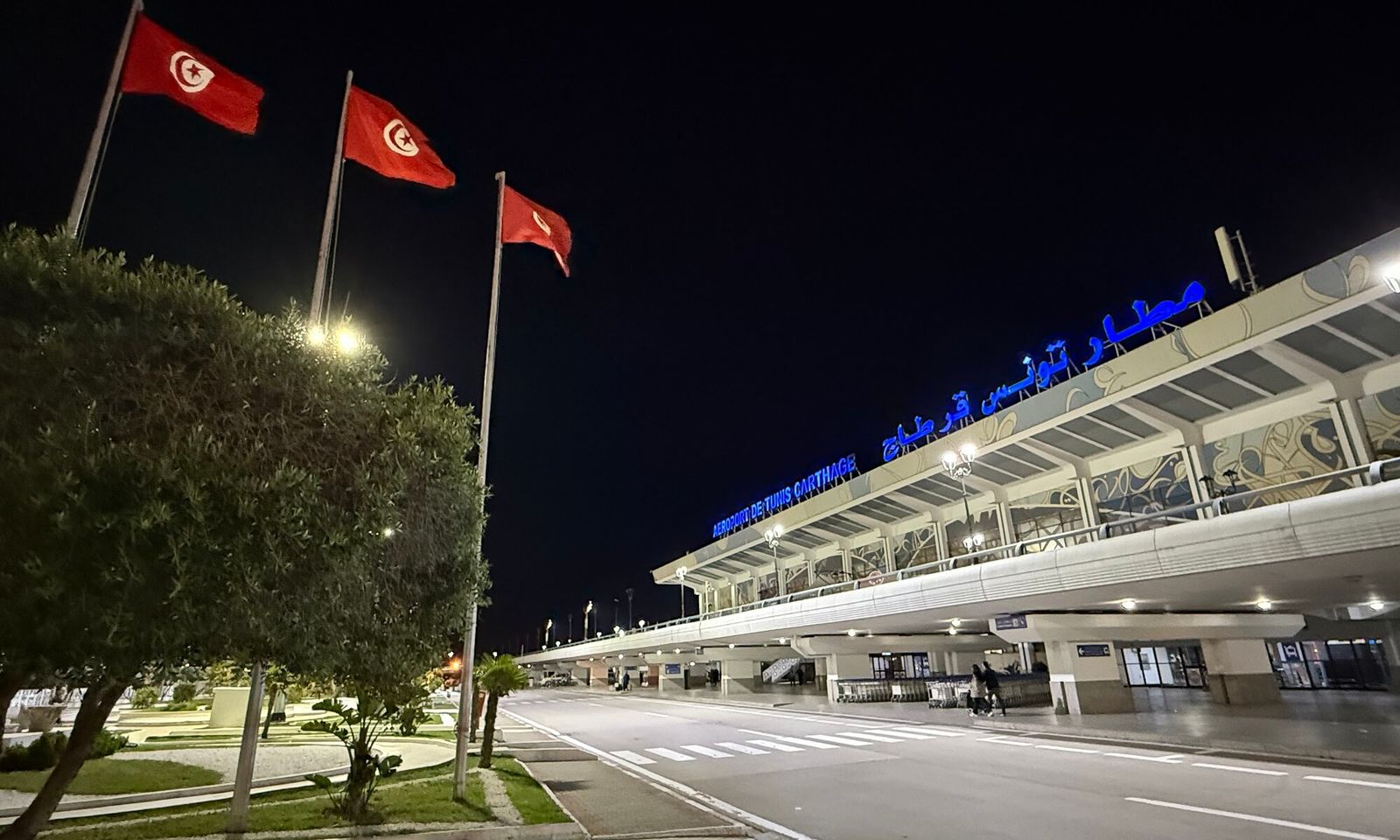
Tunis Carthage International Airport in Tunisia occupies the uncomfortable position of being the lowest-ranked airport in the 2025 AirHelp assessment. Its overall score was 5.73, with particularly weak marks for punctuality. Customer opinion and the airport’s food and shopping offer did little to change its position. That does not mean every passenger arriving in Tunis will have a bad experience, but the figures show that the airport has struggled to deliver the level of consistency travelers increasingly expect from an international gateway.
The problem with an airport such as Tunis Carthage is that expectations are naturally higher when it serves a major capital and an important tourism market. Tunisia receives visitors from across Europe and beyond, and the airport is often the first and last physical impression travelers have of the country. A difficult airport experience can therefore become part of the story people tell about an otherwise enjoyable trip.
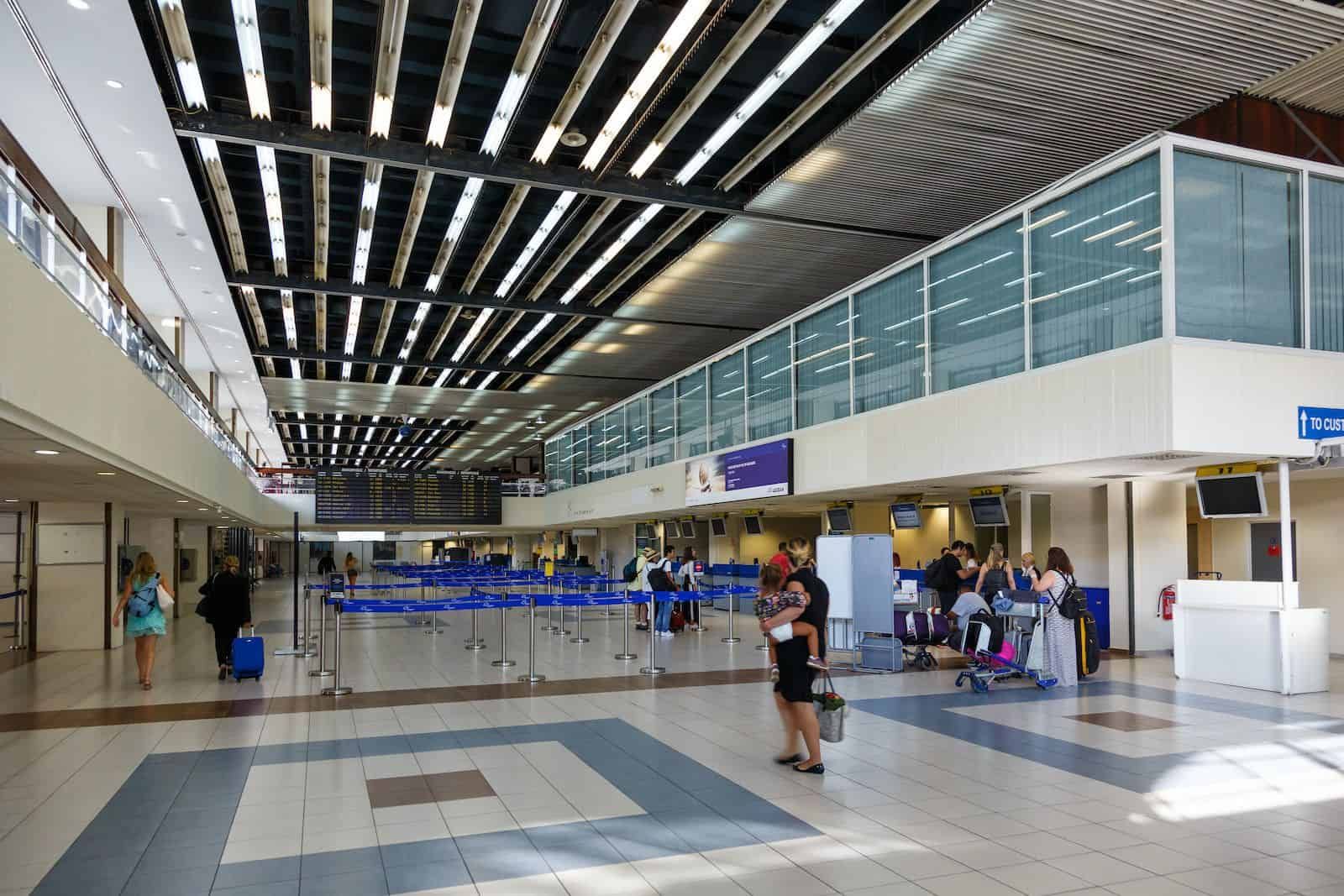
Rhodes Diagoras Airport in Greece came next in the 2025 AirHelp ranking, recording an overall score of 6.05. Rhodes is one of the Mediterranean’s major holiday destinations, which makes the airport’s role particularly important during the busy travel season. An airport serving a heavily visited island has to deal with intense seasonal pressure, and the passenger experience can deteriorate quickly when demand rises faster than facilities and operations can comfortably handle it. AirHelp placed Rhodes second from the bottom among the airports it assessed.
That distinction matters because a bad airport experience is not always the result of a dramatic failure. Sometimes it is the accumulation of small frustrations. A long queue here, unclear information there, limited seating, a delayed departure and an unpleasant transfer can turn what should have been a routine part of a holiday into one of its most memorable annoyances.
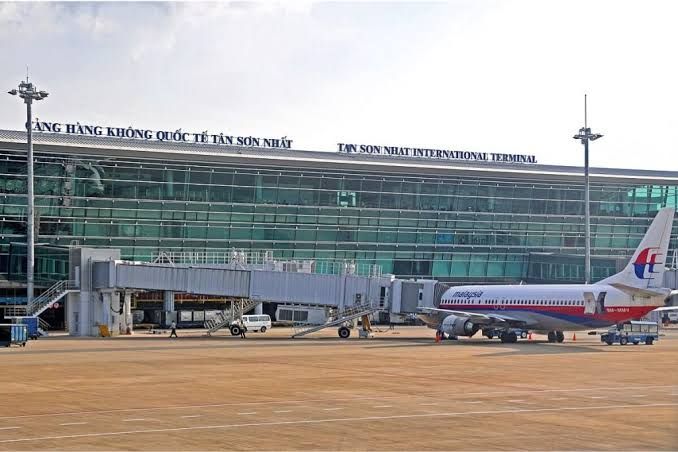
Ho Chi Minh City’s Tan Son Nhat International Airport was ranked third from the bottom by AirHelp in 2025, with an overall score of 6.21. The airport is one of the most important gateways into Vietnam’s largest city and handles a substantial volume of domestic and international traffic. Its position on the list reflects passenger and operational concerns captured by the ranking rather than a claim that every traveler has the same experience.
For travelers, airports become particularly frustrating when their physical size and passenger demand do not seem to match. An airport can function perfectly well on an ordinary day and feel completely overwhelmed when several flights arrive or depart at roughly the same time. The traveler sees the queue, the crowded waiting area and the delay. The reasons behind them may be buried somewhere in airport capacity, airline scheduling or ground operations.
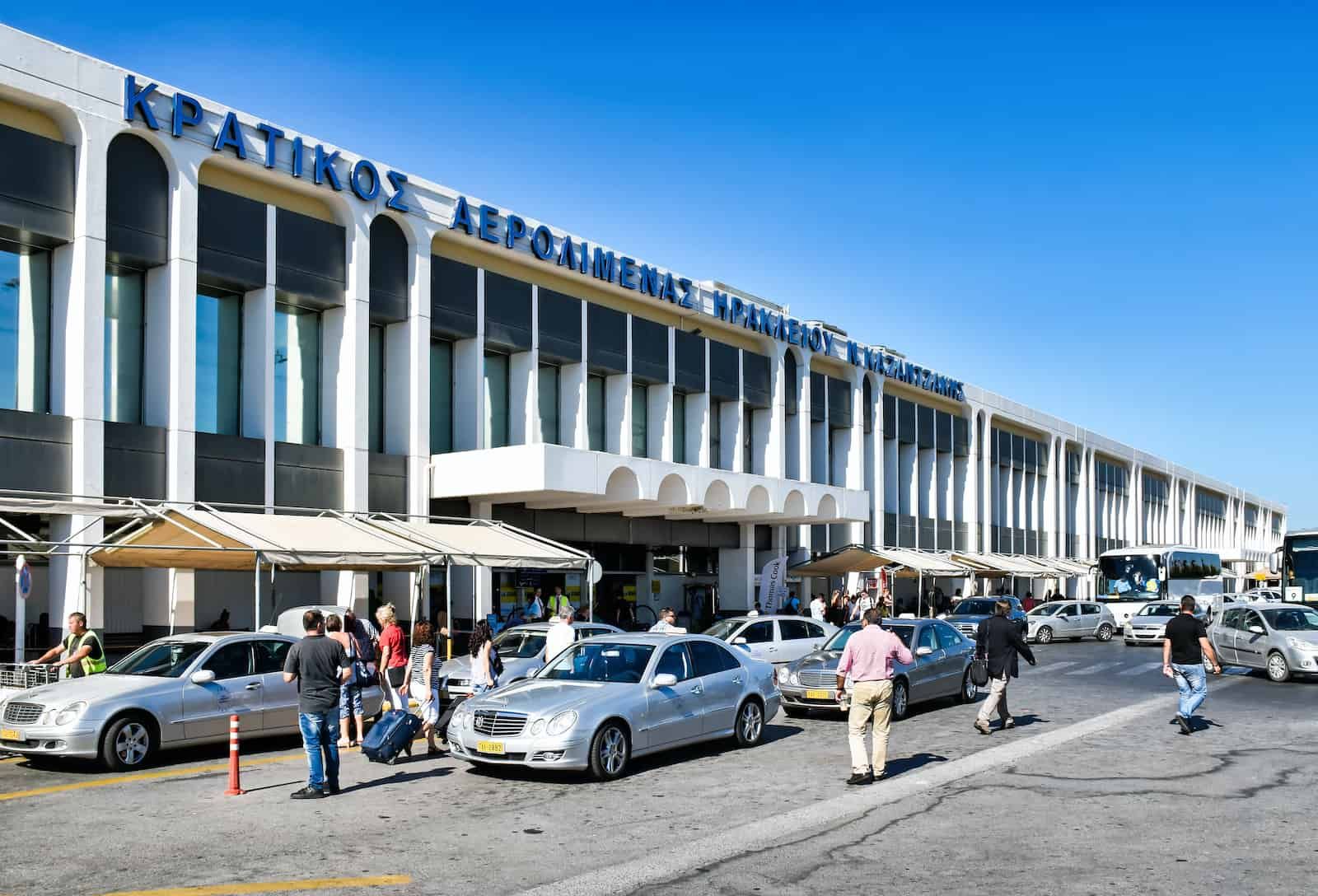
Heraklion Airport in Greece was fourth from the bottom in the 2025 AirHelp assessment, with a score of 6.26. The airport serves Crete, one of Greece’s most popular tourist destinations, and its position illustrates another recurring airport problem: heavy tourism can place enormous pressure on infrastructure that must cope with sharp seasonal peaks.
The contradiction is obvious. The destination is selling sunshine, beaches and an easy holiday, while the airport can become the first test of a traveler’s patience. Airports serving popular leisure destinations often have to handle passenger volumes that fluctuate dramatically between seasons. That makes the quality of planning and passenger management particularly important.
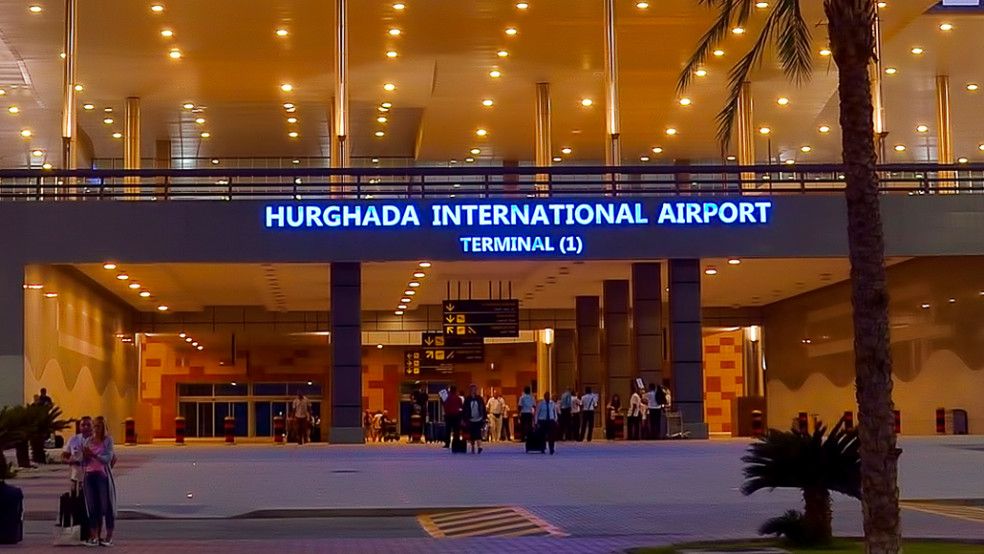
Hurghada International Airport in Egypt also appears among the ten lowest-ranked airports in AirHelp’s 2025 assessment, placing fifth from the bottom with a score of 6.29. Hurghada is one of Egypt’s major Red Sea tourism gateways, meaning the airport plays a central role in bringing international visitors into one of the country’s best-known resort regions.
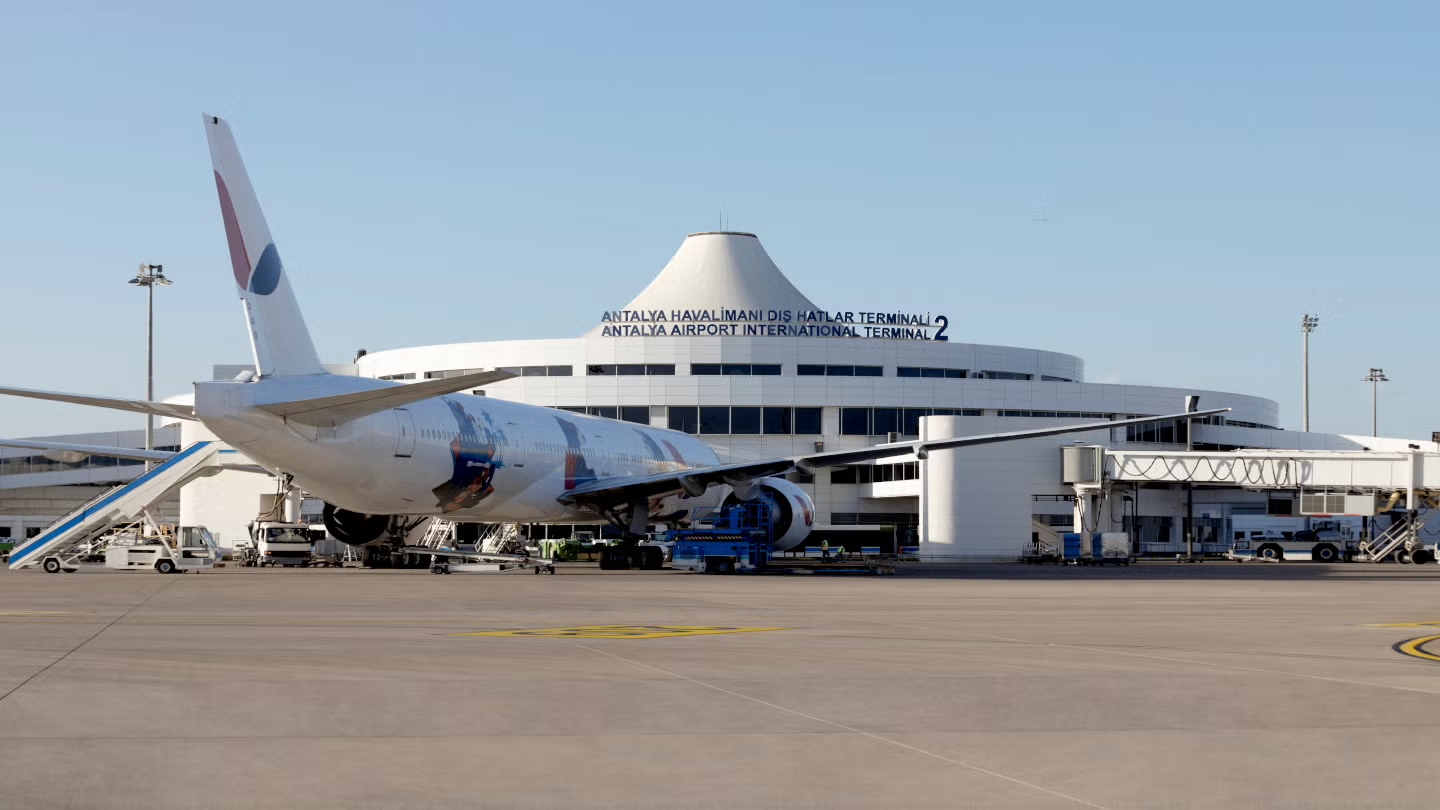
Antalya Airport in Turkey follows it in the AirHelp ranking. With an overall score of 6.34, it was the sixth-lowest airport among those assessed. Like Hurghada and Heraklion, Antalya handles large numbers of leisure travelers, making the airport experience especially important to a tourism economy that depends heavily on international visitors.
Antalya is also a useful reminder that airport frustration cannot simply be reduced to whether a terminal looks modern. Travelers judge airports by what happens to them. Was the flight on time? Was information clear? Did staff help when something went wrong? Could passengers find somewhere to sit? Were there enough places to eat or buy basic travel necessities? These practical details often matter more than architecture.
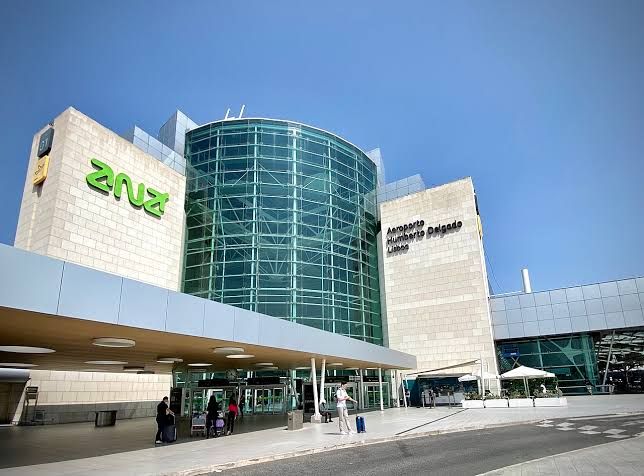
Lisbon Humberto Delgado Airport was seventh from the bottom in the 2025 AirHelp ranking, with a score of 6.46. Its inclusion is notable because Lisbon is one of Europe’s major city-break and tourism destinations. A traveler can arrive expecting a relaxed Portuguese holiday and instead spend the opening moments of the trip negotiating queues, congestion or operational frustrations.
The airport’s position also shows why being in a major European city does not automatically guarantee a smooth airport experience. Airports across Europe have faced pressure from rising passenger demand, limited infrastructure and operational constraints. The result can be an uncomfortable gap between the image of a destination and the reality of getting through its main gateway.
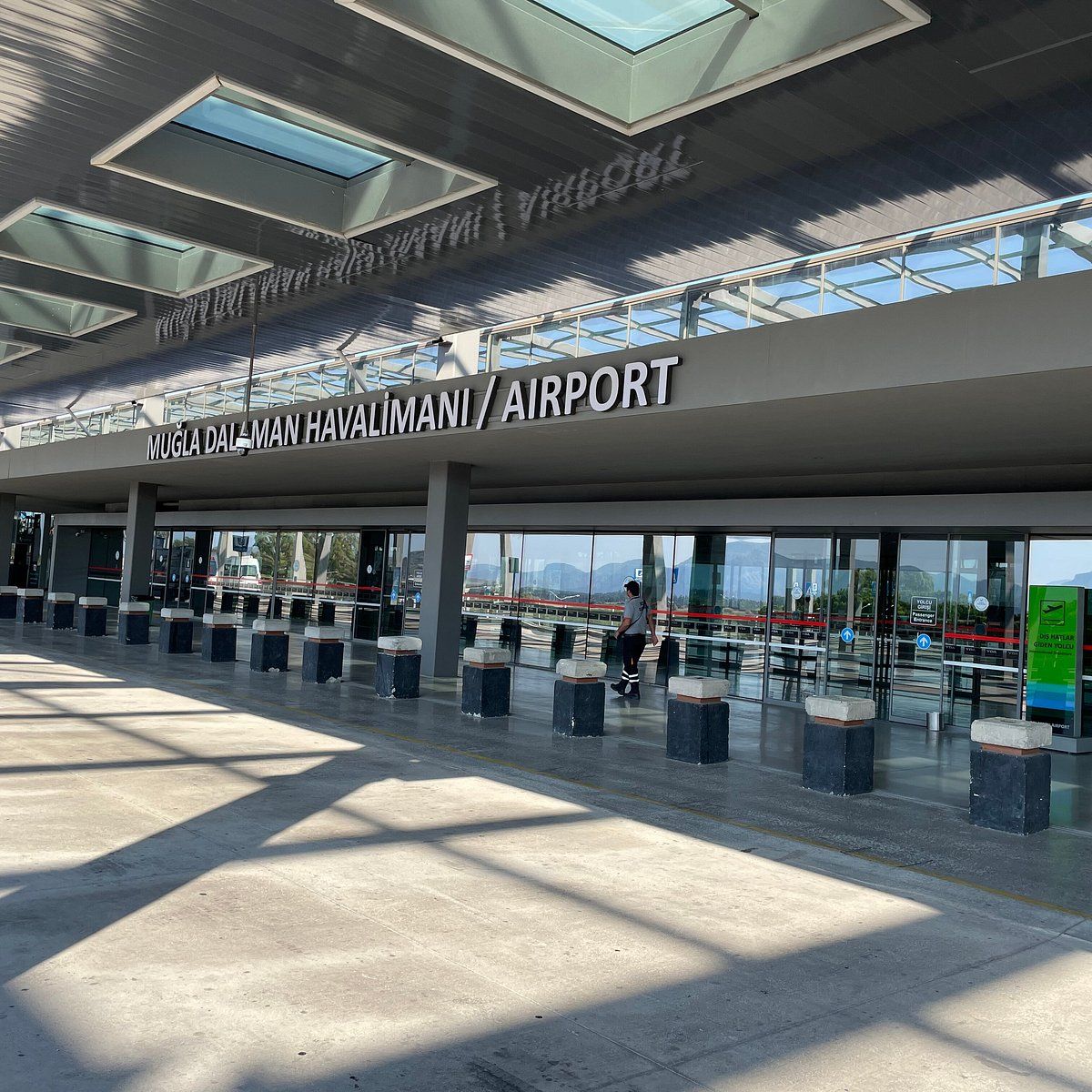
Dalaman Airport in Turkey completes this group of eight, ranking eighth from the bottom in AirHelp’s 2025 assessment with a score of 6.46. Like several others on the list, Dalaman serves a major holiday region and experiences the intense seasonal traffic that comes with it.
There is an important qualification to all of this. Calling an airport “unserious” is a subjective judgment, and a ranking based on passenger experience does not mean an airport is unsafe or incapable of operating flights. Airport performance changes. Terminals are renovated, operators change, new infrastructure is introduced and passenger volumes rise or fall. An airport that frustrates travelers one year can look very different later.
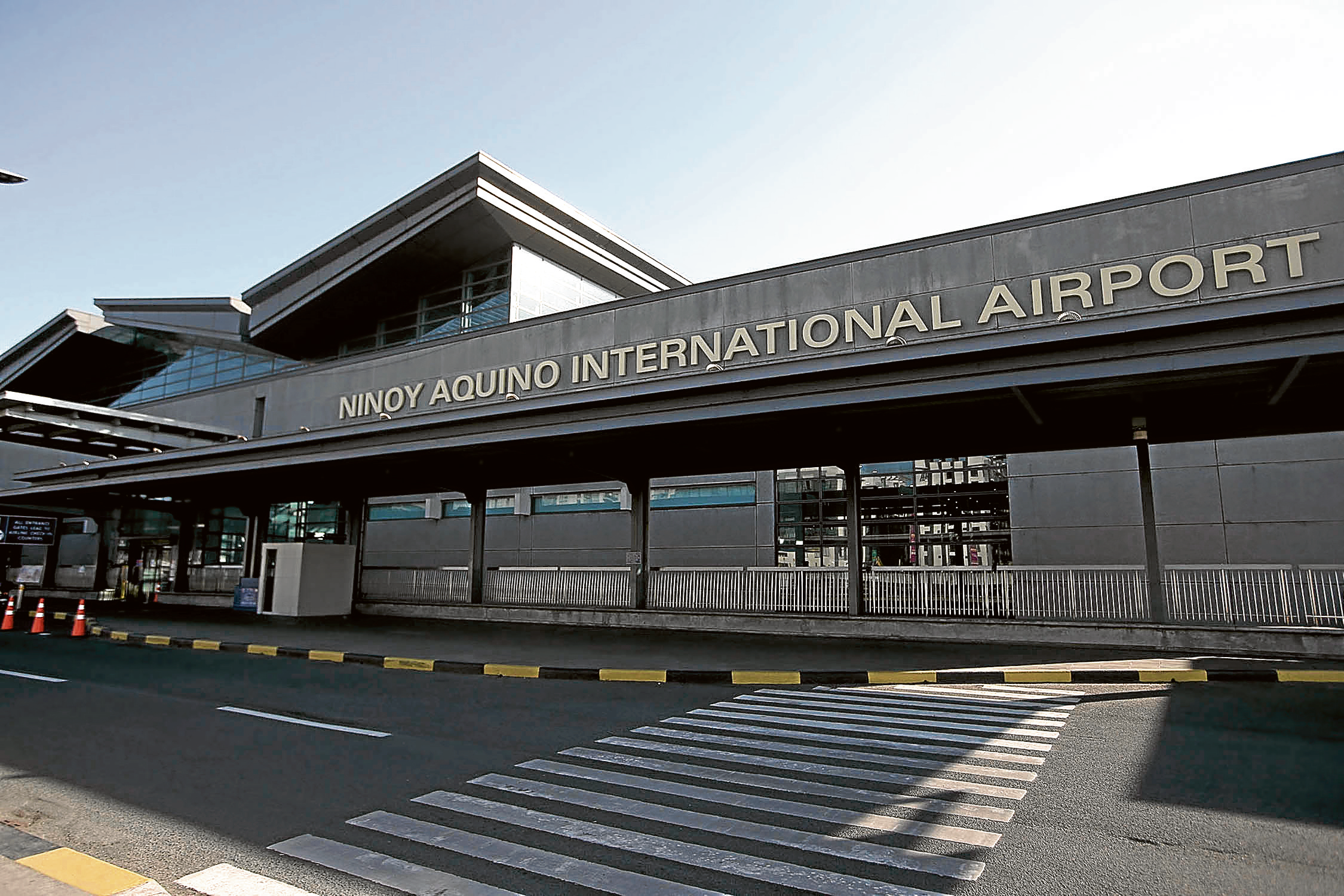
The Ninoy Aquino International Airport in Manila offers a useful example of why airport reputations need context. NAIA has long been criticized for congestion and operational problems, and in 2024 it handled more than 50 million passengers despite having a stated capacity of about 35 million. Private operator New NAIA Infrastructure Corp. took over operations and maintenance in September 2024 as part of a broader effort to rehabilitate the airport.
That distinction matters when discussing the world’s “worst” airports. A poor passenger experience can reflect years of accumulated infrastructure problems rather than the performance of one airport employee or one bad day. It can also change rapidly when investment, management and capacity change.
The same principle applies to airports that appear on negative lists year after year. Juba International Airport, for example, was ranked among the world’s worst airports by the Guide to Sleeping in Airports in several years during the 2010s, including first place in 2017. At the time, the airport’s passenger facilities included temporary structures, although subsequent improvements and expansion projects changed the situation.
That is why airport rankings are best read as snapshots rather than permanent verdicts. The traveler standing in a security queue does not care much about an airport’s history, but airport managers, airlines and governments have to think about the long-term infrastructure behind that queue.
There is also a difference between an airport being bad and an airport simply being overwhelmed. A small terminal dealing with an enormous seasonal rush may look chaotic without necessarily being badly managed. A larger airport may have excellent facilities but poor punctuality. Another may operate flights reliably while receiving weak passenger reviews because of its food, retail or customer service.
AirHelp’s methodology reflects some of that complexity by combining punctuality, customer opinion and food and shopping options rather than relying on a single measure. Its 2025 results also show how wide the gap can be. Cape Town International Airport ranked first globally with a score of 8.57, while Doha Hamad International Airport was second at 8.52.
The lesson is not that eight airports are permanently beyond redemption. It is that the airport experience has become a serious part of modern travel. Passengers notice when systems work, and they notice even faster when they do not.
For travelers, the practical response is simple: check recent airport information before flying, allow extra time when an airport is known for congestion, and avoid assuming that a famous destination automatically has a smooth gateway. For airports themselves, the challenge is harder. Travelers may forgive a delayed flight caused by weather or an unavoidable operational problem. They are less forgiving when the basic experience feels unnecessarily difficult.
That is ultimately what makes an airport seem “unserious.” It is not an ugly terminal or a bad cup of coffee. It is the feeling that the most basic parts of moving people through an airport have been allowed to become harder than they need to be. And for a traveler who has already spent hours in the air, that can be enough to turn an ordinary arrival into the first complaint of the trip.