World Cup digital nomads are creating a new tourism trend in Mexico as the 2026 FIFA World Cup approaches, bringing longer stays, remote work culture, and a stronger local economic impact than traditional short-term tourism.
Mexico will host only 13 matches out of the 104 games scheduled for the 2026 FIFA World Cup, yet cities like Mexico City, Guadalajara, and Monterrey are already becoming major hubs for a new kind of traveler: the digital nomad who wants to live the tournament, not just visit it.
These travelers are not arriving for a weekend football trip. Many are planning to stay for weeks or even months, working remotely while experiencing the World Cup atmosphere from inside the host cities. It is a shift that is quietly reshaping tourism in Mexico.
The Rise of World Cup Digital Nomads
Traditional sports tourism usually follows a familiar pattern. Fans fly in, attend matches, visit a few landmarks, and leave within days.
That is not what is happening ahead of FIFA World Cup 2026.
A growing number of European professionals, especially from Spain, are using the tournament as an opportunity to temporarily relocate. They work from laptops in coworking spaces, rent apartments for mid-length stays, use local transport, and become part of the city for a period of time rather than passing through it.
This trend reflects a wider global movement toward remote work. Across Europe and beyond, professionals increasingly want flexible lifestyles that allow them to combine work, travel, and personal experience. Major sporting events like the World Cup simply accelerate that decision.
Instead of asking, “Can I take time off for the World Cup?” many are asking, “Why not work from Mexico for a month and experience it fully?”
Why Mexico Is Attracting Remote Football Travelers
Mexico has a natural advantage.
It offers strong international flight connections, major urban centers with modern infrastructure, established tourism industries, and cultural depth that extends far beyond football. For digital nomads, this matters.
A city must be livable, not just visitable.
Mexico City offers international business networks, strong coworking culture, and world-class food and arts. Guadalajara combines football passion with a strong creative economy and a growing tech scene. Monterrey brings business infrastructure and easier access for international professionals moving between North America and Europe.
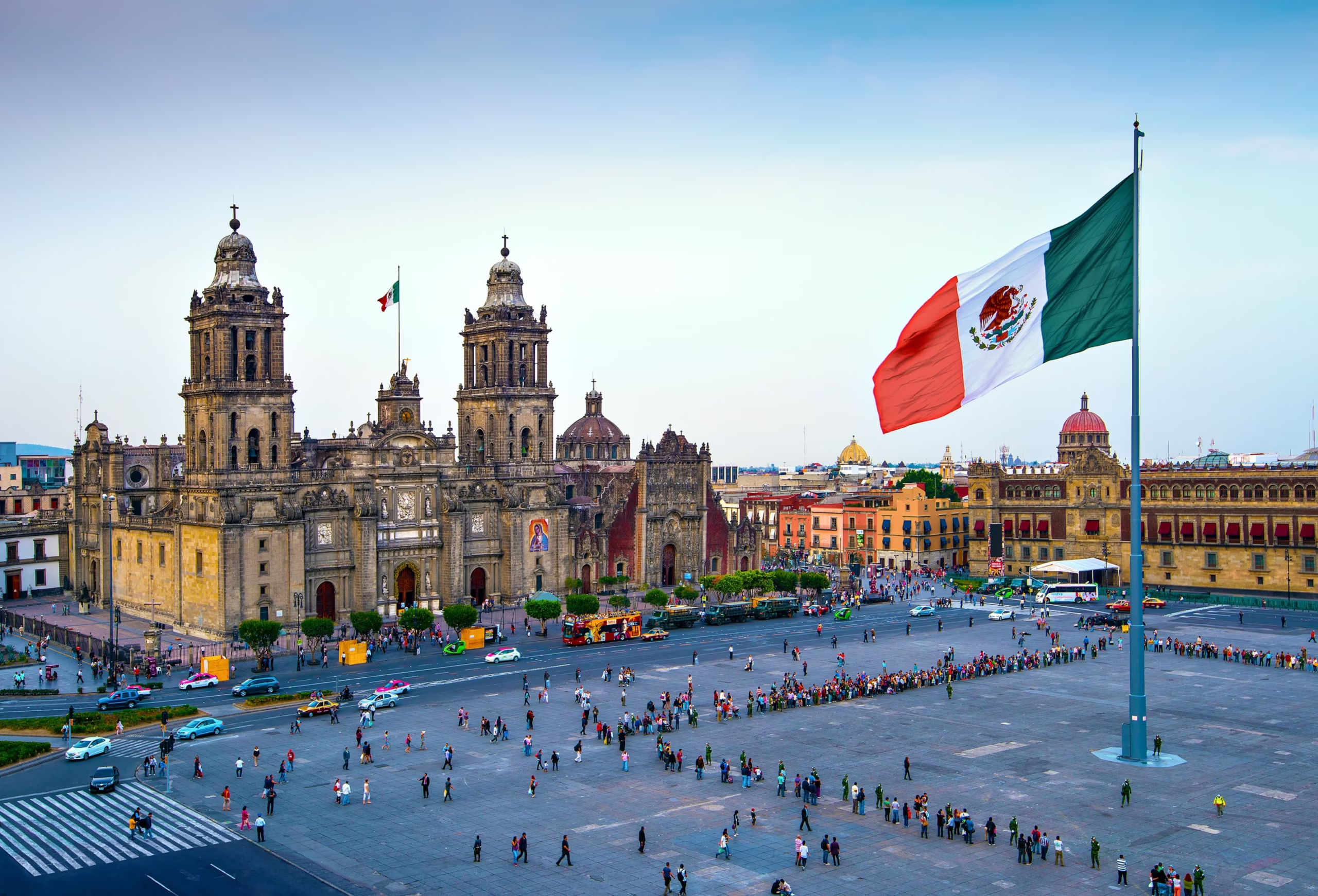
These are not simply host cities. They are temporary homes.
Adriana Vega, tourism secretary for Querétaro, has described the World Cup as a major opening for European tourism, particularly from Spain. According to her office, Spanish arrivals have already shown significant growth, and direct air connections from Madrid have been strengthened to support that demand.
This is important because European travelers, especially long-stay visitors, plan carefully. They are not booking spontaneous weekend trips. They are building travel around work schedules, accommodation needs, and regional experiences.
That creates a very different tourism economy.
A Bigger Economic Impact Than Short-Stay Tourism
Short-term tourists spend quickly, but digital nomads spend consistently.
That difference matters.
Someone staying for 18 nights contributes to local restaurants, grocery stores, transportation systems, apartment rentals, laundry services, gyms, and neighborhood businesses in ways a three-day visitor never does.
This creates a wider economic spread.
Instead of tourism money staying concentrated around stadium districts and luxury hotels, it moves deeper into residential neighborhoods and local business ecosystems.
Coworking spaces benefit. Flexible rental platforms grow. Cafes see repeat customers instead of one-time visitors. Local communities feel the effect directly.
This is one reason cities are paying attention. The World Cup is not only a sports event. It is becoming an urban economic project.
Spaniards Are Leading the Trend
Why Spanish Travelers Stand Out
Among European visitors, Spanish travelers are emerging as one of the strongest drivers of this new tourism pattern.
According to travel platform data, many Spaniards planning World Cup travel are not limiting themselves to one destination. Instead, they are expected to visit multiple cities during a single trip and stay for much longer periods than the average sports tourist.
This matches the digital nomad lifestyle perfectly.
They combine work and leisure, move between destinations, and prioritize flexible accommodation over standard hotel stays.
The presence of Spanish national team matches in Guadalajara also increases interest, making Mexico an even stronger base for longer travel routes across the tournament.
For many, the trip is not just about football. It is about building a temporary lifestyle around football.
World Cup Digital Nomads and the Future of Tourism
This may be the most important part of the story.
What is happening in Mexico is not simply a World Cup trend. It reflects a deeper change in how people understand travel itself.
Tourism is shifting from short escapes to temporary living.
Remote work allows people to stay longer. Global events provide the reason to move. Together, they create a model where travel becomes part of normal life, not an exception from it.
The World Cup is simply the perfect stage for that transformation.
Football is no longer experienced in 90 minutes inside a stadium. It is experienced over weeks through daily routines, neighborhood cafes, shared workspaces, local friendships, and city life built around the tournament.
Mexico is not only preparing to host matches. It is preparing to host lives.
That distinction matters.
Because after FIFA 2026 ends, the bigger legacy may not be the goals scored on the pitch, but the way the tournament changed how people choose to travel, work, and belong somewhere temporarily.
The World Cup is accelerating something much larger than sports tourism.
It is helping define the next model of global mobility.