Egypt scuba diving instructor incident has sparked online discussion after a US tourist shared video footage from a diving lesson in Egypt that she says shows inappropriate physical contact during an underwater training session.
The tourist, Rasha Mediene from Los Angeles, booked a beginner scuba diving course in Egypt costing about €350 while traveling solo. She later said the experience changed after she entered the water for training on March 1.
She explained that the interaction on land appeared normal at first. According to her, the instructor maintained professional behavior during their initial meeting, even referencing Ramadan when avoiding physical greetings.
The concern, she says, began once the training moved underwater.
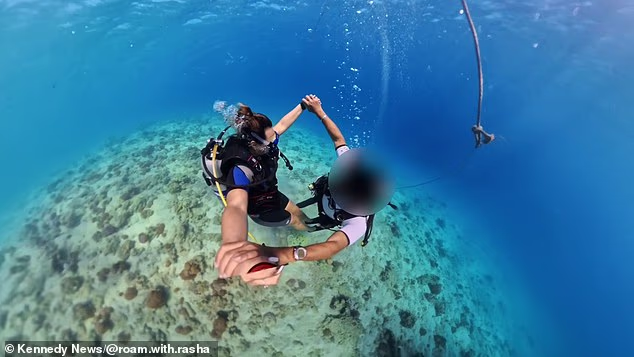
During the dive, Mediene says the instructor initially guided her by holding her hand, which she understood as part of beginner training.
But she claims the contact did not stop there.
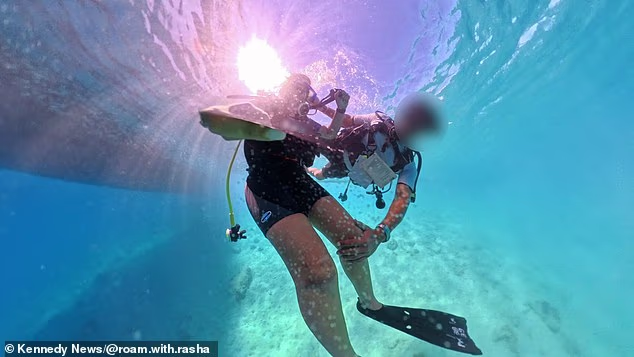
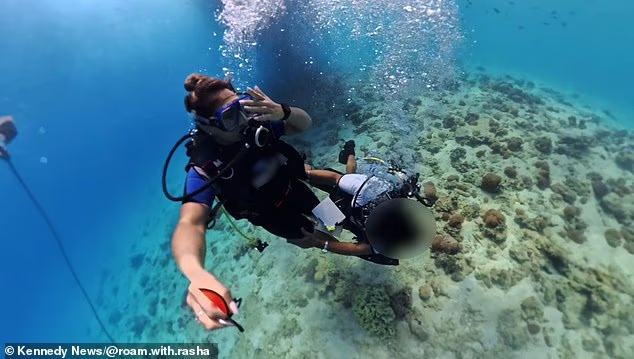
She says the instructor stayed unusually close throughout the dive and made repeated physical contact, including touching her legs and lower body. Footage she recorded shows the pair swimming closely together, with the instructor frequently adjusting her position.
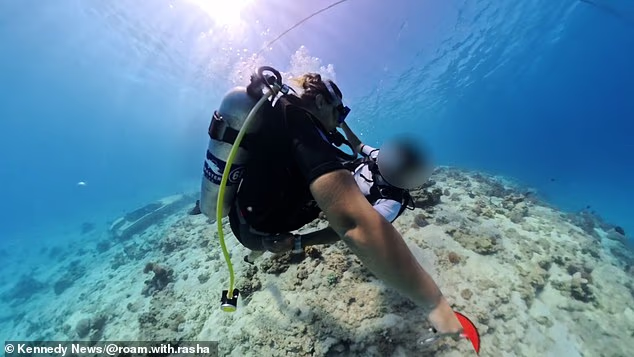
At several points, she says she attempted to move away but found it difficult due to the underwater environment and her limited experience with scuba equipment.
Mediene said the conditions underwater made her feel exposed and dependent on the instructor. Although she works as a lifeguard and swim instructor, she explained that scuba diving introduces unfamiliar risks like pressure control, oxygen equipment, and limited visibility.
She described not being fully aware of depth changes or how to safely adjust her position without assistance.
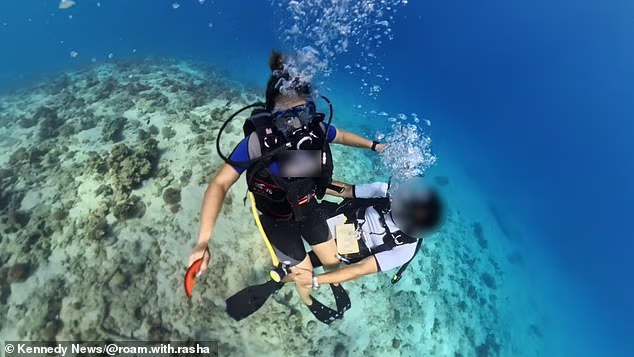
That uncertainty, she said, created a sense of vulnerability that made the situation harder to interpret in real time.
Once the session ended, Mediene says the instructor acted normally on land and even made casual conversation. She claims he offered to drive her back to her accommodation, which she declined.
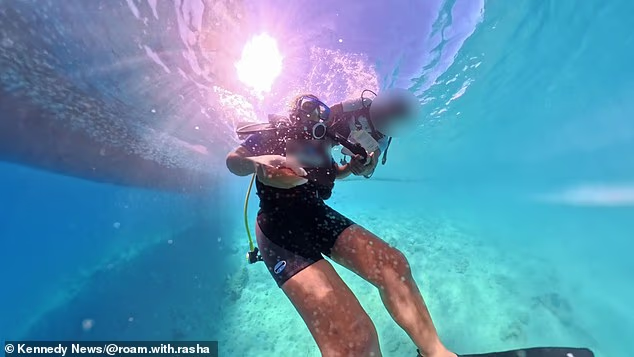
She later returned to her hotel and reviewed the footage she had recorded during the dive.
After the video began circulating online, she says the instructor contacted her and denied any inappropriate behavior, questioning the interpretation of what was seen in the footage.
She chose not to continue the conversation, saying the explanation did not match her experience.
The case has raised wider questions about scuba diving instruction, especially in tourist destinations where short training courses are common.

In scuba training, instructors often need to maintain physical contact with students for safety, particularly for beginners. However, industry practice also requires clear professional boundaries and communication so students understand what is necessary instruction and what is not.
This situation highlights how easily underwater interactions can be interpreted differently depending on context, experience level, and clarity of instruction.
It also brings attention to the importance of supervision standards in one-on-one training environments.
Following the experience, Mediene has encouraged travelers to research diving schools carefully before booking courses abroad.
She suggests asking clear questions about training methods, instructor conduct, and physical contact before entering the water.
She also advises women travelers, in particular, to consider requesting female instructors where possible and to ensure they feel fully comfortable with the setup before beginning training.
Her message focuses on awareness and preparation rather than discouraging diving as an activity.
The Egypt scuba diving instructor incident has become part of a broader conversation about safety in adventure tourism, where trust, communication, and professional boundaries play a central role in shaping the traveler experience.
While scuba diving remains one of Egypt’s most popular activities, the case underscores how important it is for training environments to maintain clear standards that protect both student safety and confidence.