US intercepts Iranian cargo ship in the Gulf of Oman after what Washington says was an attempted breach of a naval blockade, escalating already fragile tensions between the United States and Iran.
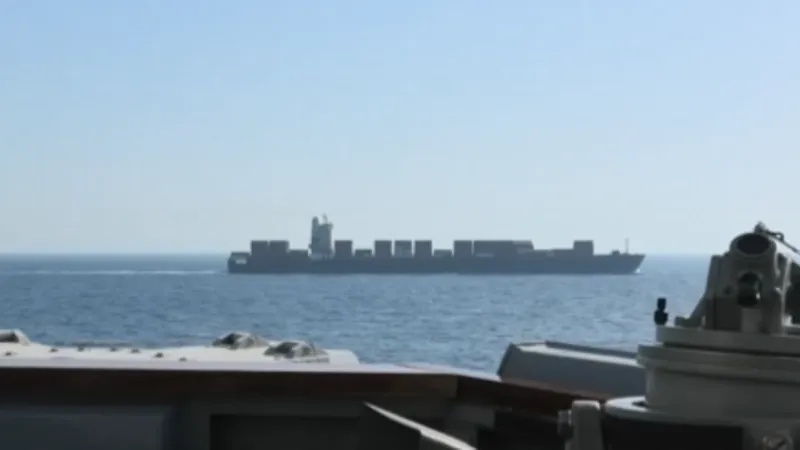
The United States Navy has intercepted and taken control of an Iranian-flagged cargo vessel, the Touska, after it allegedly ignored repeated orders to stop while operating in the Gulf of Oman, according to a statement posted by US President Donald Trump on Truth Social.
Trump said the ship was disabled after US forces fired on its engine room when it failed to comply with naval warnings. US Marines later boarded the vessel and assumed control.
The nearly 900-foot cargo ship was reportedly already under US Treasury sanctions for what Washington describes as a pattern of illicit activity.
No independent verification of the US account has been released.
Iran strongly rejected the seizure, calling it an “act of armed piracy” and accusing the United States of violating an existing ceasefire agreement.
Military officials in Tehran warned that Iranian armed forces would respond to the incident, signaling a possible escalation if diplomatic pressure continues.
Iranian state media also said there is no confirmation of ongoing or scheduled negotiations with the United States, contradicting earlier expectations of renewed talks.
The incident comes at a sensitive moment for regional diplomacy. A fragile two-week ceasefire, reportedly mediated through Pakistan after weeks of conflict involving the US, Israel, and Iran, is set to expire this week.
Diplomatic efforts had been expected to continue, with a US delegation including Vice-President JD Vance and senior advisers preparing for further discussions. Those plans are now uncertain.
Tehran has said it will not return to negotiations while it claims a US naval blockade remains in place.
Global energy markets have responded quickly to rising tensions. Oil prices climbed following the incident, driven by concerns over maritime security in the Gulf region.
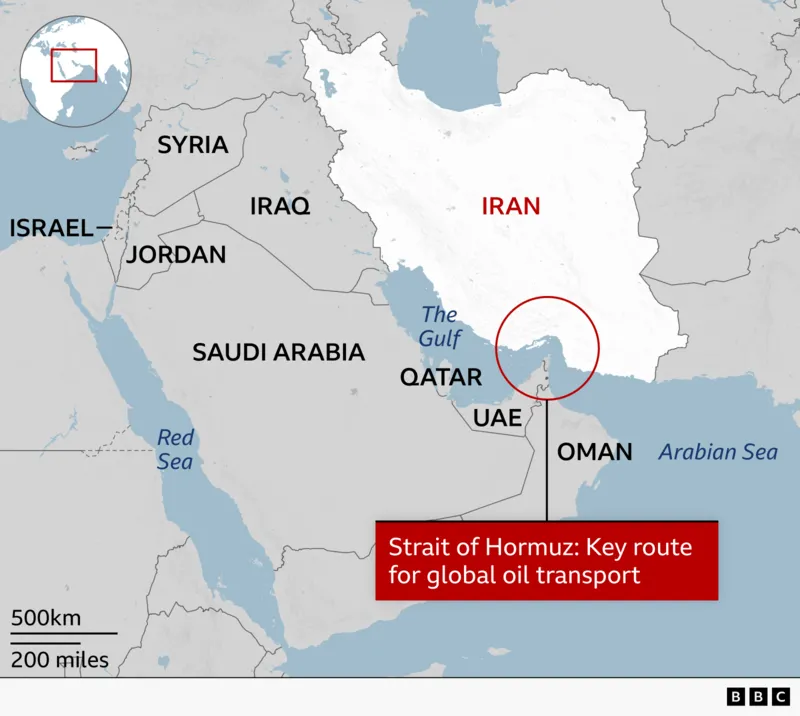
The Strait of Hormuz, a critical passage for global oil shipments, remains a key pressure point. Any disruption in the waterway typically triggers immediate concern in global energy supply chains.
The situation remains fluid, with conflicting accounts from Washington and Tehran and no third-party confirmation of the full details of the naval operation.
With the ceasefire nearing expiration and diplomatic channels under strain, the risk of further escalation in the Gulf region remains high.