The Supo intelligence case has led Finnish prosecutors to charge seven people over suspected unlawful practices at Finland’s Security and Intelligence Service, including alleged misuse of intelligence powers, breaches of official duties and the handling and disclosure of classified information.
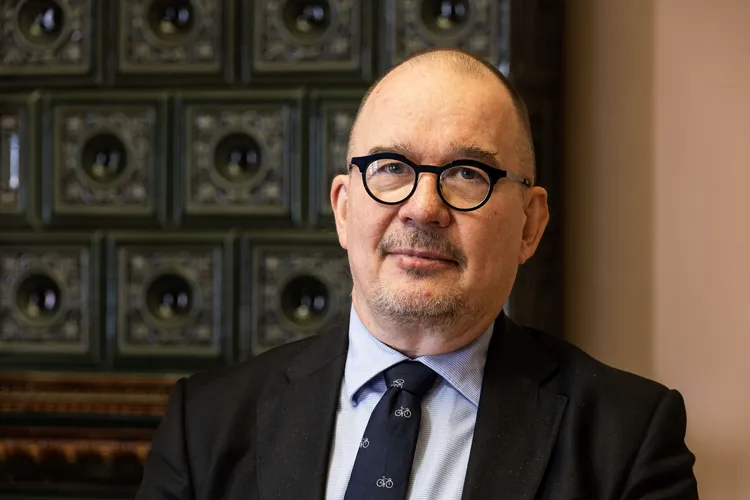
Deputy Prosecutor General Jukka Rappe brought the latest charges on 21 September after prosecutors completed their consideration of the evidence gathered during a lengthy criminal investigation. All seven defendants deny wrongdoing.
The case centres on whether Supo officials complied with the legal rules governing intelligence operations, police powers and the protection of classified information. It is the largest criminal case involving Finland’s intelligence service to date and covers several separate allegations arising from its operations.
Among those charged is Antti Pelttari, the former director of Supo who later became secretary general of the Finnish Parliament. Pelttari has been suspended from that position since summer 2025. He faces charges of disclosing a security secret and abusing public office, in addition to an earlier charge of breach of official duty relating to his time at Supo.
The allegations against Pelttari cover different periods and relate to his activities while serving at the intelligence service. The case against him is part of a wider examination of how intelligence work was conducted and how sensitive information was accessed and controlled.
Investigators originally suspected 10 people of offences. Prosecutors have now decided to bring charges against seven, while issuing 10 decisions not to prosecute in allegations involving nine people. The decisions cover several allegations examined during the investigation, meaning that not every matter initially investigated will proceed to trial.
One of the most sensitive parts of the Supo intelligence case concerns the use of retired former intelligence officers in counterintelligence operations. Finnish media have reported that retired Supo employees were used for years in operations connected to efforts to identify and counter Russian espionage.
The use of former intelligence personnel itself is not the central question before prosecutors. The investigation has instead examined whether those arrangements were carried out within the legal safeguards governing intelligence work and whether people outside Supo were given access to classified information without the required supervision.
According to the National Prosecution Authority, investigators found grounds to suspect that civilians involved in the activities had gained access to classified material and handled it without supervision. The investigation also found that a device used by one of the civilians was hacked, resulting in classified information being exposed to an outside party.
That incident brought another question into focus: how effectively sensitive intelligence material was protected when operations involved people who were no longer serving within the organisation.
Prosecutors also examined whether Supo complied with rules covering covert intelligence methods and civilian intelligence activities. Those rules are intended to define what intelligence authorities can do, how such powers can be used and what safeguards must be followed when operations involve intrusive methods or sensitive information.
Several former senior Supo officials have also been drawn into the case. Finnish media have reported charges involving former counterintelligence chief Pertti Haaksluoto, former counterterrorism chief Lasse Anttila and former deputy director Seppo Ruotsalainen in connection with allegations surrounding the disclosure of security secrets and other suspected misconduct.
The investigation extends beyond the use of retired personnel. Other allegations concern the possible misuse of intelligence powers, including claims that Supo entered a residence and copied documents and information from devices without court authorisation.
Investigators have also examined whether courts were provided with misleading or incorrect information in applications for technical surveillance and telecommunications monitoring. Such allegations go directly to the safeguards intended to ensure that intrusive intelligence powers are used only within the limits set by law.
The charges now move the case into the judicial process, where the allegations will be tested in court. Helsinki District Court will determine when the proceedings begin.
Much of the pre-trial investigation material and the charges are expected to become public when the case reaches court, although some information may remain secret because of national security considerations or other legal restrictions. Given the nature of the allegations, parts of the proceedings are likely to involve material that cannot be made public.
The Supo intelligence case places unusual attention on the balance between the secrecy required for intelligence work and the legal controls imposed on organisations that exercise those powers. Intelligence agencies necessarily operate with information and methods that cannot always be disclosed publicly, but their activities remain subject to legislation and oversight.
The court proceedings will determine whether the individuals charged committed the offences alleged by prosecutors. The charges themselves do not establish guilt.
For Supo, however, the case has already brought its internal practices, use of former personnel and handling of classified information under the most extensive criminal scrutiny the agency has faced. What happened inside Finland’s intelligence service will now be examined through the courts, with the evidence and legal arguments providing the basis for determining whether the alleged breaches actually occurred.