Category: CULTURE

Reporting from entertainment events and cultural spaces in Finland and abroad, with a focus on people, creativity and experience.

  • Marie Noelle Beauty Academy Graduates New Class of Certified Beauty Professionals in Accra

    Marie Noelle Beauty Academy Graduates New Class of Certified Beauty Professionals in Accra

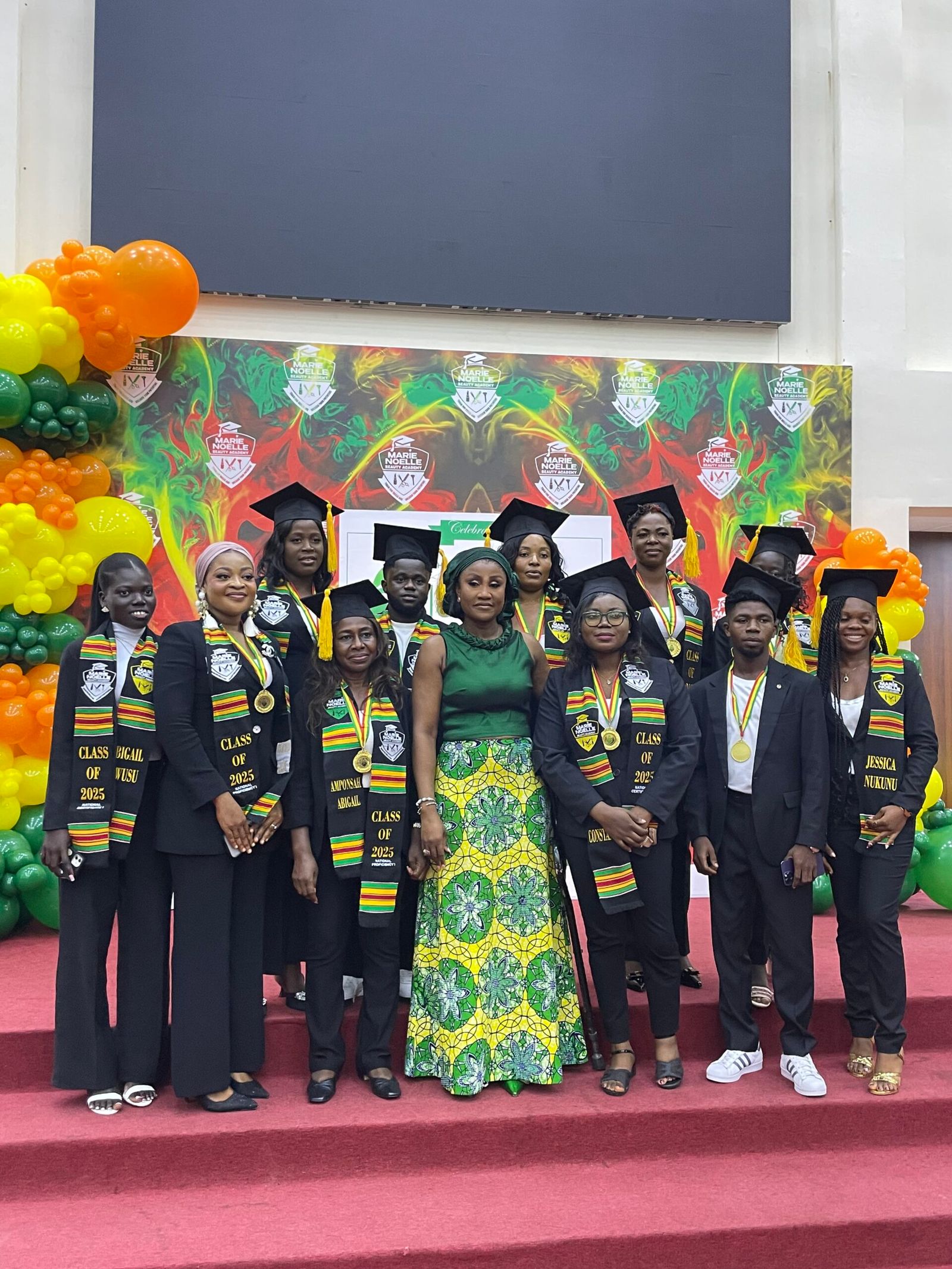
    Marie Noelle Beauty Academy Graduation Ceremony brought together students, instructors, families, and industry figures in Accra to celebrate the completion of professional beauty training. The ceremony marked an important milestone for graduates who have spent months developing their skills and are now ready to step into the beauty industry with confidence and proper certification.

    Marie Noelle Beauty Academy Graduates New Class of Certified Beauty Professionals in Accra

    The event was hosted by Nigerian-Ghana based media personality Chris Kata, who served as the Master of Ceremonies. She guided the program smoothly, keeping the atmosphere warm, organized, and engaging for both graduates and guests. Her presence helped set a calm and professional tone throughout the ceremony.

    The CEO of Marie Noelle Beauty Academy, Marie-Noelle Yakubu, addressed guests and students during the event. In her speech, she spoke about the value of discipline, consistency, and professionalism in the beauty industry.


    View this post on Instagram


    A post shared by Monte OZ Networks (@monteoznetworks)

    She reminded the graduating students that completing their training was not the end of their journey, but the beginning of a responsibility to uphold standards, respect clients, and continue learning as professionals. Her message focused on growth, integrity, and taking pride in one’s craft.

    Rebecca Donkor, CEO of Makeup Ghana, was also in attendance and delivered a speech to the graduates. She shared practical insights about the realities of the beauty industry, stressing the importance of personal branding, confidence, and maintaining high standards when working with clients.


    View this post on Instagram


    A post shared by Monte OZ Networks (@monteoznetworks)

    Her words encouraged the graduates to position themselves properly in a competitive market and to take their work seriously as a business and profession.

    Graduates of Marie Noelle Beauty Academy completed structured training that focused on practical skills, hygiene, client care, and professional conduct. The academy places strong emphasis on real-world preparation rather than shortcuts, ensuring that students understand what is expected of them once they begin working with clients. This approach was evident in the confidence and professionalism displayed by the graduates throughout the ceremony.

    The graduation took place at the GTEC Hall, providing a formal setting that matched the importance of the occasion. For many graduates, the environment made the achievement feel official and meaningful after months of dedication, practice, and personal growth.

    As graduates received their certificates, the moment carried a clear message. Certification represents readiness to work professionally, not the end of learning. Students were encouraged to continue improving their skills, remain disciplined, and uphold the values taught during their training.

    Family members and friends in attendance shared in the celebration, showing pride and emotion as they watched their loved ones reach this milestone. Smiles, applause, and quiet moments of reflection highlighted the personal journeys behind each graduate’s success.

    By training and graduating certified beauty professionals, Marie Noelle Beauty Academy continues to contribute to raising standards within Ghana’s beauty industry. The presence and participation of industry leaders such as Rebecca Donkor reinforced the connection between professional training institutions and the wider beauty sector.

    As the ceremony came to a close, one message stood out clearly. Graduates of Marie Noelle Beauty Academy are entering the beauty industry prepared, confident, and aware of the responsibility that comes with their profession. Under the leadership of Marie-Noelle Yakubu, the academy remains committed to quality training and professional development, shaping the next generation of beauty professionals in Ghana.
  • Fifa World Cup 2026 Could Be Boycotted Over High Ticket Prices and United States Visa Fears

    Fifa World Cup 2026 Could Be Boycotted Over High Ticket Prices and United States Visa Fears

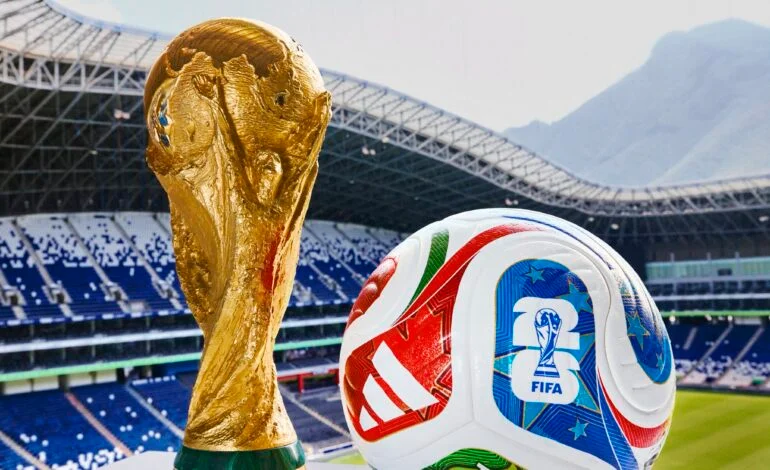
    Fifa World Cup 2026 boycott fears are increasingly being discussed across global football communities, tourism circles, and travel policy forums. What began as scattered frustration among fans is now evolving into a broader concern that the tournament, hosted largely in the United States, risks becoming inaccessible to the very audience that defines the World Cup.

    Fifa World Cup 2026 boycott fears

    At the center of the debate are three issues that intersect in troubling ways. Escalating ticket prices, rising travel and accommodation costs, and United States entry policies that many fans consider restrictive and unpredictable.

    Together, they raise serious questions about who the 2026 World Cup is really for.

    A tournament facing an affordability crisis

    The World Cup has always required financial commitment, but previous tournaments balanced cost with accessibility. Fans from diverse economic backgrounds found ways to attend, often prioritizing the experience over comfort.

    For 2026, that balance appears to be shifting.

    Preliminary pricing structures and early hospitality offerings suggest that match tickets will reach levels significantly higher than recent tournaments. Entry level tickets for group stage matches are projected to cost more than what many fans earn in an entire month, particularly in Africa, South America, and parts of Asia. Knockout stage tickets and high demand fixtures are expected to reach prices that place them firmly in the luxury category.

    When tickets alone approach the cost of long haul flights, the World Cup stops being a sporting event and starts resembling an exclusive entertainment product.

    The added burden of US travel costs

    Ticket prices are only one part of the financial equation.

    The United States is among the most expensive destinations in the world for large scale events. Host cities such as New York, Los Angeles, Miami, and San Francisco are already known for high accommodation costs, aggressive hotel price surges during peak periods, and limited budget lodging near stadiums.

    Short term rental restrictions in several cities further reduce affordable options. Public transportation systems vary widely in efficiency and coverage, often requiring visitors to rely on paid ride services.

    For many fans, especially those traveling long distances, the total cost of attending even a single match in the United States could exceed the cost of attending an entire previous World Cup tournament elsewhere.

    Visa uncertainty deepens the risk

    For millions of potential attendees, affordability is compounded by uncertainty over entry into the United States.

    Fans from Africa, the Middle East, and parts of Asia already face high visa refusal rates, lengthy processing times, and non refundable application fees. In many cases, travelers are required to show proof of accommodation, return flights, and financial means before receiving a decision.

    This creates a serious dilemma. Fans must commit large sums of money before knowing whether they will be allowed to enter the country.

    Recent expansions in background screening and digital data disclosure requirements have added to the anxiety. While framed as security measures, they are perceived by many as invasive and unclear in scope.

    For a sporting event meant to unite people, the process feels increasingly exclusionary.

    Why Fifa World Cup 2026 boycott discussions are gaining traction

    Boycott discussions are not being driven by organized activist campaigns. Instead, they are emerging organically in fan forums, supporter group chats, and travel planning communities.

    The sentiment is consistent. The risk feels too high. The cost feels unjustifiable. The experience feels uncertain.

    Some fans are openly stating they will skip the tournament altogether. Others are planning to attend only matches in Canada or Mexico, where entry processes are perceived as clearer and less intrusive.

    This fragmented approach undermines the idea of a unified World Cup experience.

    Corporate dominance and atmosphere concerns

    As prices rise, the composition of stadium audiences is expected to change.

    Higher ticket prices naturally favor corporate buyers, sponsors, hospitality clients, and brand partners. While these attendees fill seats, they do not replace the passion, chants, and cultural energy brought by traveling supporters.

    A World Cup atmosphere is built by fans who arrive with flags, drums, songs, and emotional investment. When those fans are priced out or deterred by travel barriers, the tournament risks becoming visually impressive but emotionally muted.

    Players notice this difference. Broadcasters feel it. Viewers sense it.

    ALSO READ: United States of America May Force Tourists to Disclose 5-Years Social Media History Before Entry

    FIFA faces a credibility challenge

    FIFA has long promoted the World Cup as a global and inclusive event. Accessibility, diversity, and fan participation are central to its messaging.

    If large segments of the global fan base feel excluded by pricing and policy barriers, that message loses credibility.

    So far, FIFA has not clearly addressed concerns about ticket affordability or fan friendly visa pathways. The absence of clear communication is allowing uncertainty to shape perception.

    In major tournaments, perception matters almost as much as reality.

    What could still change

    There is still time to address these concerns.

    Fan specific ticket pricing tiers, transparent resale systems, and clear entry facilitation for verified ticket holders would go a long way toward restoring confidence. Past host nations have implemented streamlined visa arrangements tied to match tickets. The United States has the capacity to do the same.

    Clear limits on data collection and predictable border procedures would further reduce anxiety.

    Without these measures, hesitation may solidify into long term disengagement.

    A defining moment for modern football

    The Fifa World Cup 2026 is poised to be the largest tournament in history. But scale alone does not guarantee success.

    If fans feel unwelcome, priced out, or uncertain, attendance will suffer. More importantly, trust will erode.

    The greatest risk facing the tournament is not protest or empty seats. It is indifference.

    A World Cup that fans choose not to attend, even when it comes to their continent, represents a warning that football’s relationship with its audience is under strain.

  • 2024 Eurovision Winner Returns Trophy in Protest Over Israel Participation

    2024 Eurovision Winner Returns Trophy in Protest Over Israel Participation

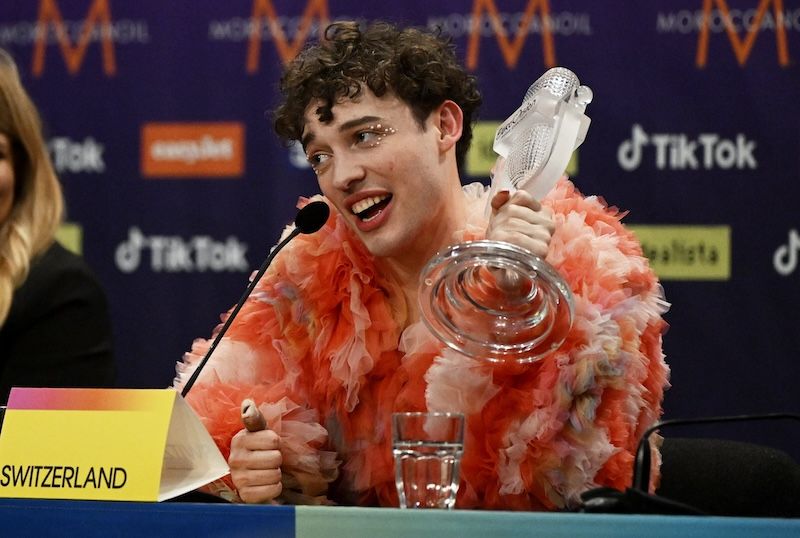
    The 2024 Eurovision winner returns trophy in a rare and symbolic act of protest that is now reshaping debate around the contest itself. Swiss artist Nemo Mettler has announced they are sending back the Eurovision trophy to the European Broadcasting Union, citing ethical concerns over Israel’s continued participation in the competition.

    2024 Eurovision Winner Returns Trophy

    Nemo, who won the 2024 Eurovision Song Contest in Malmo, Sweden, with the song “The Code”, confirmed the decision in a public statement shared on Instagram. The glass microphone trophy will be returned to the EBU headquarters in Geneva.

    “I will always be grateful for the Eurovision community and everything this experience taught me,” Nemo wrote. “But I no longer feel this trophy belongs on my shelf.”

    Israel’s confirmed inclusion in the 2026 Eurovision Song Contest, scheduled for May, has triggered sustained backlash across Europe. Artists, broadcasters, and audiences have increasingly questioned whether the competition can still claim political neutrality.

    At least five countries, Iceland, Ireland, Spain, the Netherlands, and Slovenia, have formally withdrawn from the contest. Several performers have also stated they would refuse to participate even if selected through national finals.

    For Nemo, the issue goes beyond personal protest.

    The 2024 Eurovision winner returns trophy as a direct challenge to what Nemo described as a contradiction between the EBU’s stated principles and its actions. The artist referenced the EBU’s publicly declared values of unity, inclusion, and dignity, arguing that these ideals cannot coexist with Israel’s participation amid ongoing allegations of serious human rights violations.

    Citing findings from a United Nations commission on Gaza, Nemo said the competition’s ethical framework is being undermined.

    “When entire countries are withdrawing from the contest because of this contradiction, it should be obvious that something is deeply wrong,” they wrote. “It is not about individuals. It is about the institution.”

    Nemo also rejected claims that Eurovision remains apolitical.

    “If we do not live by the values we sing about, then even the most beautiful songs lose their meaning,” the artist added.

    The European Broadcasting Union has not issued a public response regarding the returned trophy. Earlier this month, the EBU confirmed that Israel would be allowed to participate in the 2026 contest despite growing calls for exclusion from artists and activists across Europe.

    Finland’s public broadcaster Yle has confirmed that Finland will take part in the contest. Finland’s Eurovision fan club has backed that decision, arguing that participation should not be politicised.

    Nemo made history in 2024 as Eurovision’s first nonbinary winner, using they and them pronouns. Their winning entry, “The Code”, was praised for its genre-blending sound and its exploration of identity and self-expression.

    By returning the trophy, Nemo becomes the first known Eurovision winner to renounce the award over political or ethical concerns related to the organisation of the contest itself. The gesture has already sparked renewed debate about Eurovision’s role, responsibilities, and credibility in an increasingly divided global climate.

  • Miss Finland Loses Crown After Racism Controversy

    Miss Finland Loses Crown After Racism Controversy

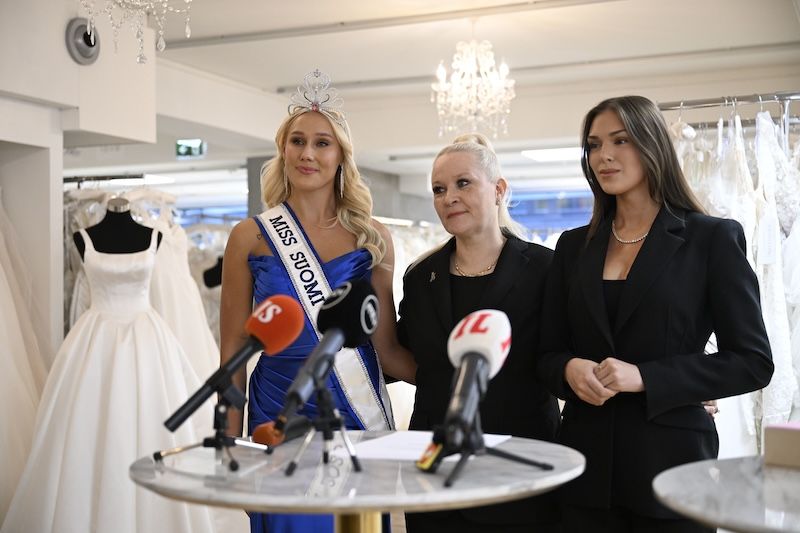
    The story of Miss Finland loses crown unfolded quietly at first, then turned into one of the most debated moments in Finnish pageantry this year. What began as a single photo shared in a private group ended with Sarah Dzafce losing the national title she had carried for only three months. The Miss Suomi organisation confirmed the decision at a press event in Helsinki, bringing a tense chapter to a close while opening another for her successor, Tara Lehtonen.
    Miss Finland Loses Crown After Racism Controversy
    CEO of the Miss Finland competition Sunneva Sjogren stands with the newly appointed Miss Finland Tara Lehtonen and former titleholder Sarah Dzafce during the Miss Suomi organisation press conference in Helsinki on 11 December 2025. The event addressed the Miss Finland 2025 situation and the steps the organisation will take moving forward. Photo: Emmi Korhonen / Lehtikuva

    The situation developed quickly after a late November image gained widespread attention. In the photo, Dzafce is seen pulling the corners of her eyes while sitting at a dinner table. The gesture was interpreted by many as mocking East Asian features. The picture included a caption written in Finnish that referenced Chinese people in a casual tone that critics said deepened the offence. Although the image had been posted by a friend rather than Dzafce herself, the public reaction did not ease.

    At the press conference, Dzafce apologised directly and repeatedly. She looked visibly shaken as she told reporters that she understood the gravity of the moment and the pain caused to the Asian community. She also explained that she had been struggling with a headache when the picture was taken and that the caption had been added without her approval. Her explanation, however, did not calm the backlash.

    The controversy intensified days later when Dzafce posted a short video from a Finnair business class cabin. In the clip, she commented on the criticism she was receiving while showing herself seated in a premium cabin. Viewers described the video as dismissive of the situation and disrespectful to those raising concerns. She removed the clip soon after it spread online.

    Her public apology on Instagram came on Monday. She wrote that she wanted to speak directly to anyone affected and promised to learn from what had happened. By then, pressure on the Miss Suomi organisation had escalated to a point where further internal discussion was described as unavoidable.

    Sunneva Sjogren, CEO of the Miss Suomi organisation, explained at the press event that the decision was made after lengthy conversations within the team and with Dzafce herself. She noted that earlier in the week the organisation had believed the matter could be resolved without altering the outcome of the competition. As criticism grew across Finland and abroad, the leadership reconsidered.

    Miss Finland Loses Crown After Racism Controversy

    Sjogren stated that the title of Miss Suomi carries a level of responsibility that requires trust, accountability, and respect for all communities. She expressed regret for the distress caused, acknowledged the intensity of the reaction, and said the organisation recognised the harm felt especially within Asian communities in Finland.

    Dzafce said she had been informed of the decision that same morning. She accepted it and took full responsibility for her actions. She also announced that she would step away from social media for the time being to focus on her wellbeing and avoid further missteps.

    Tara Lehtonen, 25, who had placed first runner up, said she was surprised when she received the call asking her to step into the national role. She was at work when she was reached. She described taking a moment to absorb the news before agreeing. She added that she has always kept her own social media use modest and neutral and does not expect a similar situation to arise with her.

    Both Dzafce and Lehtonen stood together at the event. They were seen embracing briefly before the new crown was placed. Lehtonen said their relationship remains friendly.

    This is the first time since 2011 that a Miss Suomi title has changed hands mid year. In that earlier case, Pia Lamberg, known then as Pakarinen, resigned due to disagreements with the organisation. Her title went to Sara Sieppi, then the first runner up.

  • Why Ghana Hosts Detty December Experience Way Much Better Than Nigeria

    Why Ghana Hosts Detty December Experience Way Much Better Than Nigeria

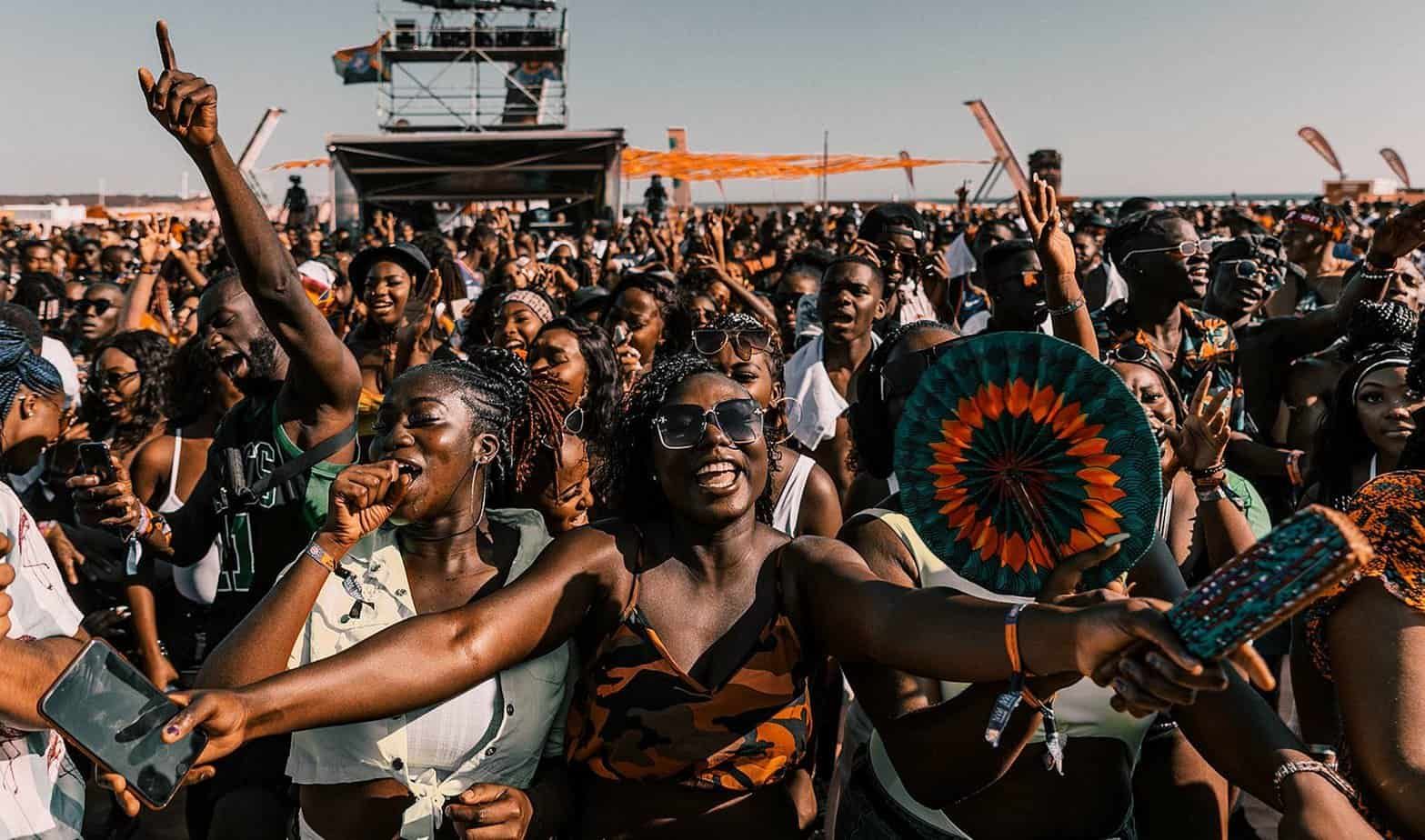
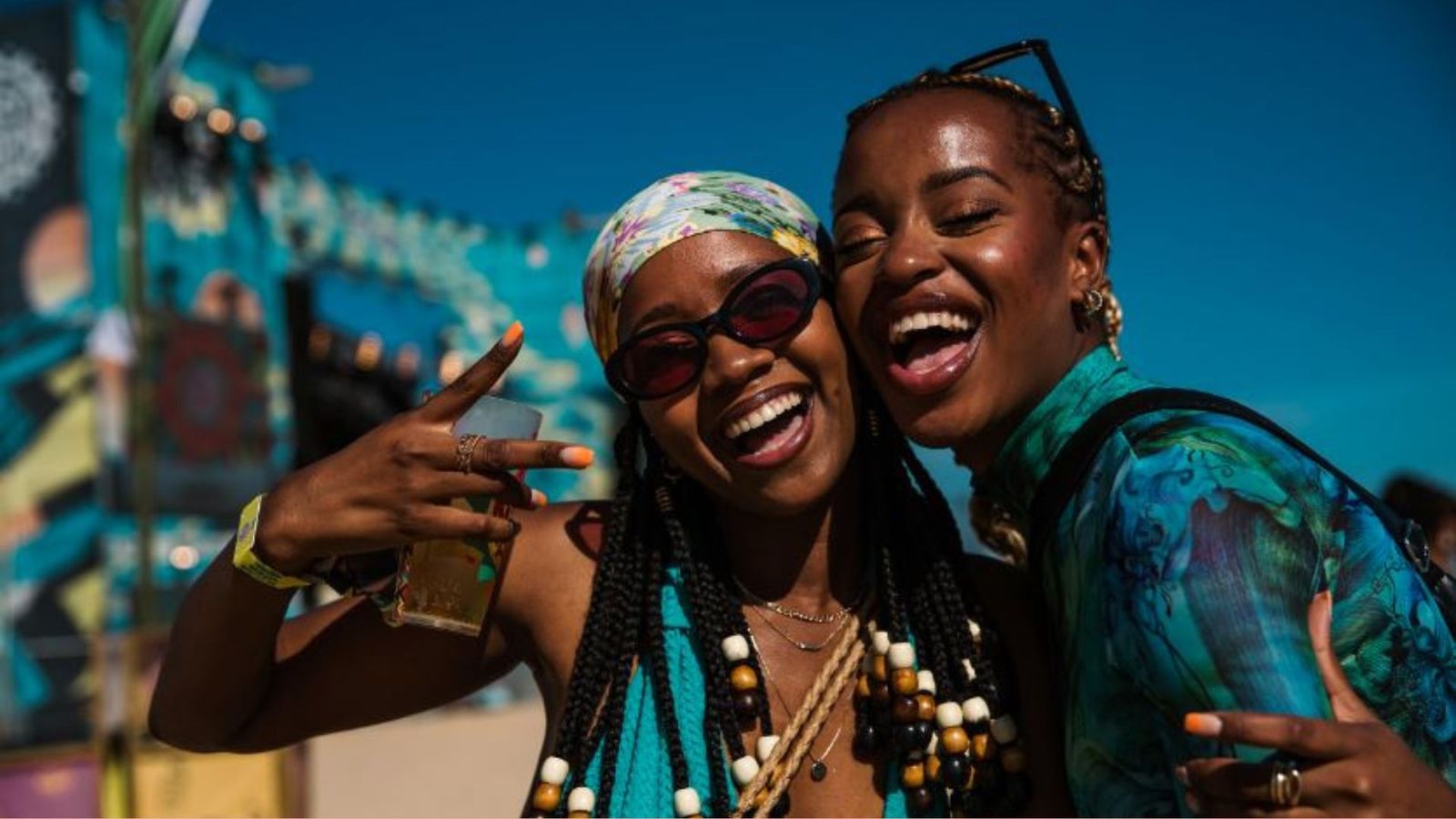
    Ghana hosts Detty December experience way much better than Nigeria. That sentence alone captures a truth that both travelers and returning diaspora visitors repeat every year after they step into Accra during the festive season. The atmosphere feels intentional. The hosting feels measured. The entire city switches into a rhythm that blends tourism, culture, nightlife, hospitality, and community in a way that is difficult to replicate anywhere else on the continent.

    Why Ghana Hosts Detty December Experience Way Much Better Than Nigeria

    Accra carries a festive character that does not need forced hype. It builds itself through people, history, sound, and movement. Tourists do not only attend events. They become part of the city’s heartbeat. That is the real difference that sets Ghana far ahead when Detty December comes around.

    The following detailed breakdown offers a realistic look at why Ghana delivers the season with more consistency, smoother execution, and stronger international appeal than Nigeria.

    Accra has learned how to receive large numbers of guests without losing its everyday calm. The hospitality scene has grown with intention. Hotels, apartments, restaurants, bars, ride services, nightlife venues, and security systems prepare months ahead. The result is a city that moves smoothly even when visitor numbers rise sharply.


    View this post on Instagram


    A post shared by Monte OZ (@monteozafrica)

    While Lagos is iconic for energy, the holiday chaos can overwhelm first time visitors. The traffic pressure, unpredictable timing, and the general pace of the city leave little room for a relaxed holiday flow. Accra, on the other hand, stretches itself wide enough for guests to breathe. Movement feels lighter. Event access feels simpler. Visitors are not forced to wrestle with the city in order to enjoy it.

    No African country has mastered the emotional return of the diaspora like Ghana. This is not a marketing tactic. It is a national culture built across years of intentional programming. The Year of Return created a wave. Beyond the Return sustained that wave. Today the Ghanaian December calendar feels like a reunion ground for Black travelers from the United States, the Caribbean, Europe, and other regions.

    This global pull does not only raise attendance numbers. It raises the quality of the interactions. The crowd mixes naturally. Creative professionals network without trying too hard. Business conversations happen in casual places. The diaspora presence fuels a higher standard for event design, music quality, fashion style, and hospitality service. Ghana understands this audience and delivers what they travel for.

    ALSO READ: Everything You Need To Know Before You Travel To Ghana for Detty December

    Detty December events in Ghana have one thing in common. They blend modern entertainment with Ghanaian cultural expression. Afro Nation, Afrochella (now AfroFuture), Wildaland, street carnivals, art exhibitions, pop up shows, and community festivals create a calendar that feels rich, not repetitive.

    Nigeria has giant stages and superstar lineups, but Ghana wins in curation. The events feel structured. The sound quality is reliable. The planning is cleaner. Visitors do not chase schedules in confusion. They move from one experience to the next with clarity. The entertainment comes with a sense of place, not just performance.

    Accra’s nightlife is built on warmth. Clubs, lounges, beach bars, and live music venues do not rely on aggressive crowds. They rely on atmosphere. People dance with ease. Guests start conversations with strangers. There is a friendliness that makes solo tourists feel comfortable and groups feel at home.

    Lagos nightlife is legendary, but it is intense. The style, the rush, the competition for tables, the strict entry systems, and the unpredictable closing times often create pressure. Ghana offers a softer entrance into West African nightlife without losing the excitement. The balance is what visitors appreciate.

    Many travelers measure safety not only by statistics but also by how a city feels when they walk through it. Accra gives visitors a stable sense of movement. People stay out late without fear. Ride services are easy to track. Tourist corridors are well lit. Event venues maintain strong security checks without creating discomfort.

    Why Ghana Hosts Detty December Experience Way Much Better Than Nigeria

    Tourists talk about this openly. They say Accra gives them the peace of mind they need to enjoy the season fully. This confidence is one of the strongest reasons Detty December thrives in Ghana year after year.

    Businesses in Ghana treat December as a major economic season. Restaurants adjust menus and operating hours. Hotels create packages. Transportation companies expand availability. Fashion designers produce holiday collections. Creative agencies work around the clock on branding, photography, and event production.

    This ecosystem gives visitors a polished experience without making it feel commercial. Nigeria has scale, but Ghana has structure. The organization is what makes the difference.

    Tourists describe Ghana as a welcoming place. The friendliness is natural. People speak with ease. Locals guide visitors with patience. Markets are lively but not overwhelming. Food is accessible. Beach areas offer quiet moments between events. The culture feels open enough for foreigners to integrate without struggle.

    This environment shapes the entire Detty December journey. People remember Ghana not only for the parties but for the warmth they received in taxis, restaurants, and busy streets. It becomes a complete experience instead of a rushed holiday schedule.

    Visitors return because they trust Ghana to deliver. They know what to expect. The country maintains its December identity every year. Events grow. Hospitality improves. Tourism structures strengthen. That consistency is rare in many destinations.

    Nigeria has the talent and the culture, but Ghana has the rhythm that international visitors understand. This rhythm is what makes Detty December in Ghana feel like its own global festival.

  • Everything You Need To Know Before You Travel To Ghana for Detty December

    Everything You Need To Know Before You Travel To Ghana for Detty December

    Detty December in Ghana has grown into one of the biggest year end travel seasons on the African continent. It is loud in the right way. It is chaotic in a charming way. It is warm and full of energy in a way that hits you the moment you step out of Kotoka International Airport.

    Everything You Need To Know Before You Travel To Ghana for Detty December

    If this is your first time planning a December holiday in Ghana, it helps to know what the country looks and feels like at that time, how the crowds move, how prices change, and how to settle in smoothly without feeling overwhelmed. This guide walks you through the reality of the season in a clear and honest tone, so you can land in Accra with confidence and enjoy everything the city and the country offer during the busiest period of the year.

    The energy of Ghana during December

    The month is a long celebration. People return from abroad. Young Ghanaians come home from university. Travellers arrive for festivals and concerts. The city fills up from early morning and heats up all the way into the night. Everything from food courts to beaches to high end lounges stretches with activity. December in Ghana is not a quiet holiday. It is a cultural wave that moves fast, changes mood by the day, and rewards anyone who arrives prepared.

    Visa entry, airport arrival, and first steps
    What you should know about entry requirements

    Ghana offers a visa on arrival during some festive periods, but not every year. Travellers who expect it without checking official notices often face problems when they land. If you want a smooth journey, apply for your visa before travel. Ghana Immigration reviews applications faster during peak season, but queues still form, so start early. Carry printed copies of your return ticket and accommodation reservation. Immigration officers work professionally, but they appreciate travellers who come prepared.

    Arriving at Kotoka International Airport

    Kotoka is busy in December. Flights arrive back to back and luggage belts move continuously throughout the day. Even if your flight lands at night, you will see long lines at immigration. Have your passport ready and keep your arrival form fully filled. If someone meets you, agree on a location at the arrival hall before you travel. The airport can feel crowded, and mobile networks sometimes take a few minutes to connect after you switch on your phone.

    @monteozafrica #ghana #visitghana #kotokainternationalairport #ghanatiktok🇬🇭 #travel #seeghana #traveltoghana ♬ original sound – Monte OZ

    Money, payments, and real costs during Detty December
    Be ready for higher prices

    Accommodation rates rise across Accra from mid November. Ride hailing prices surge more often. Event tickets sell out early and sometimes cost more at the gate. Ghana is friendly and welcoming, but December is peak season. Visitors who book rooms at the last minute often pay double. If you want comfort, reserve your stay early and confirm your booking directly with the hotel or apartment host.

    How to handle payments

    Mobile money is widely used in Ghana, but visitors usually rely on cash and card. Visa and Mastercard work in most formal spaces like restaurants, malls, and hotels. Smaller food spots, taxis that are not on apps, and some event vendors prefer cash. Carry a mix. ATMs are easy to find in Accra, but withdraw during the day. Banks load their machines more often in December, but crowds can clear them out on weekends.

    Moving around Accra and beyond
    Transportation tips that save time

    If you are relying on ride hailing apps, expect longer wait times at night. Drivers deal with traffic that can stretch for miles around event zones. If you have a big schedule, plan pockets of rest between your activities. Traffic in Accra during Detty December does not play. It can turn a fifteen minute trip into a one hour crawl, especially between Osu, Cantonments, Labone, and Airport Residential Area.

    Day trips and excursions

    If your plan goes beyond nightlife, Ghana has beautiful beaches, forts, and cultural towns that are easy to reach. Cape Coast Castle, Elmina Castle, Aburi, Ada, and Shai Hills are popular day trip locations. Book a certified guide or use a known tour company to stay safe and well informed. December has strong daylight and warm temperatures, so carry water everywhere and protect your skin.

    @monteozafrica The Cape Coast Slave Castle in Ghana 🇬🇭 Cape Coast Castle is one of Ghana’s most significant historical sites, deeply tied to the transatlantic slave trade. Built by the Swedes in 1653 and later controlled by the British, the castle served as a major hub where enslaved Africans were held before being shipped across the Atlantic. A visit to Cape Coast Castle is both haunting and educational. The infamous “Door of No Return” symbolizes the last passage of those taken from their homeland. The underground dungeons, which once held hundreds in horrific conditions, are a stark reminder of the brutality of the slave trade. Today, the castle is a UNESCO World Heritage Site and a museum that provides insight into Ghana’s colonial past and the resilience of its people. It’s a must-visit for anyone looking to understand African history and heritage. #creatorsearchinsights #ghana #ghanatravel #visitghana #monteoz #capecoast #ghanaslavedungeon #slavecastle #capecoastcastle #monteoztravels #ghanatourism ♬ original sound – فردوس🦅

    Detty December Events And Nightlife
    The real experience on the ground

    Accra hosts concerts, art shows, brunches, block parties, raves, and beach festivals throughout the month. The crowd is a mix of locals, diaspora, and international travellers. Some people land with a full itinerary. Others let the city lead them. Both approaches work, but there are a few things everyone should note.
    Events start late. Crowds move late. The vibe kicks in long after sunset and stretches deep into the night. If you want the full experience, rest during the day. Hydrate often. Ghanaian nightlife is fast and warm, and you will dance more than you expect.

    Safety, etiquette, and local culture
    How to stay safe without feeling anxious

    Ghana is one of the most stable and welcoming countries in the region. You can move freely, but common sense goes a long way. Avoid keeping your phone loose in crowded areas. Put your bag in front of you when moving through a packed space. Use licensed taxis or ride hailing apps after dark. Keep your valuables secured. Most locals you meet will be kind and helpful, but stay aware of your surroundings.

    Travel To Ghana for Detty December

    Local culture and social tips

    Ghanaians value respect. A simple greeting changes the tone of an interaction. If you ask for help in a polite way, people respond with warmth. Do not snap photos of people without permission. When visiting markets, start with a friendly tone and negotiate respectfully. If someone invites you to try local food, it is offered in good spirit.

    Food, water, and staying healthy
    Eating well in Ghana

    Ghanaian food is bold, flavorful, and comforting. Jollof rice, waakye, banku with tilapia, fufu with light soup, kelewele, and grilled chicken are everywhere. December nights create the perfect appetite for street food, but choose stalls that cook fresh and keep their area clean. Restaurants across Accra offer a good mix of local and international meals, so you will have options at every budget.

    Water and health precautions

    Drink bottled water. It is affordable and sold everywhere. December is hot, so carry some with you always. If your stomach is sensitive, start with mild meals before trying spicy dishes. Pharmacies remain open late during the season, and they carry all basic medications you may need.

    Packing and preparation for the trip
    Clothing for the season

    Accra is warm throughout December. Light clothing works best. Evenings are lively, so pack outfits for events, casual days, and beach trips. If you plan to visit the northern parts of Ghana, carry a light sweater for early mornings.

    Documents and essentials

    Carry printed copies of your key documents. Keep your passport secure. Add a small power bank to your bag because the long days and nights can drain your phone faster than usual.

    Accommodation And Booking
    Final advice to make your trip smoother

    If you want a stress free visit, plan your stay early, move with patience, and allow yourself to adjust to the rhythm of the city. Detty December is unforgettable because it blends nightlife, heritage, coastal beauty, and the warmth of Ghanaian hospitality. You will leave with new friends, new music in your playlist, and a deeper understanding of why many travellers return every year.

  • Ghana’s Sarah Laaru in Bespoke Gown Becomes a Symbol of Inclusion at Finland’s 108th Presidential Independence Gala

    Ghana’s Sarah Laaru in Bespoke Gown Becomes a Symbol of Inclusion at Finland’s 108th Presidential Independence Gala

    Sarah Laaru Turned a National Gala Into a Global Moment of Representation.

    The 2025 Independence Day Reception in Finland opened its doors to thousands of distinguished guests, yet one arrival drew a level of attention that reached far beyond the marble floors of the Presidential Palace. Sarah Laaru, chairperson of the Finnish African Society ry and Business Development Advisor at Laaru Consulting in Helsinki, stepped into the national celebration as the first Ghanaian to attend on an official invitation from the President of Finland, Alexander Stubb and the first lady Suzanne Innes-Stubb.

    Her presence marked a historic moment that resonated across cultural, diplomatic, and community lines. It also signaled a quiet but powerful reminder of how representation shapes the evolving identity of Finland.

    Sarah Laaru at Linnanjuhlat 2025
    Photography | Roosa Bröijer (iltalehti.fi)

    The Linnanjuhlat reception has long stood as the symbolic heart of Finland’s Independence Day. It is an event where the country reflects on its past and recognizes the contributions that shape its future. Sarah Laaru’s attendance placed Africa visibly within this space, not as an observer, but as part of the national fabric that continues to expand. For many in the African community, her appearance offered a sense of recognition that felt both overdue and deeply meaningful. It was a moment that said Africa is present, contributing, and woven into the lives and progress of modern Finland.

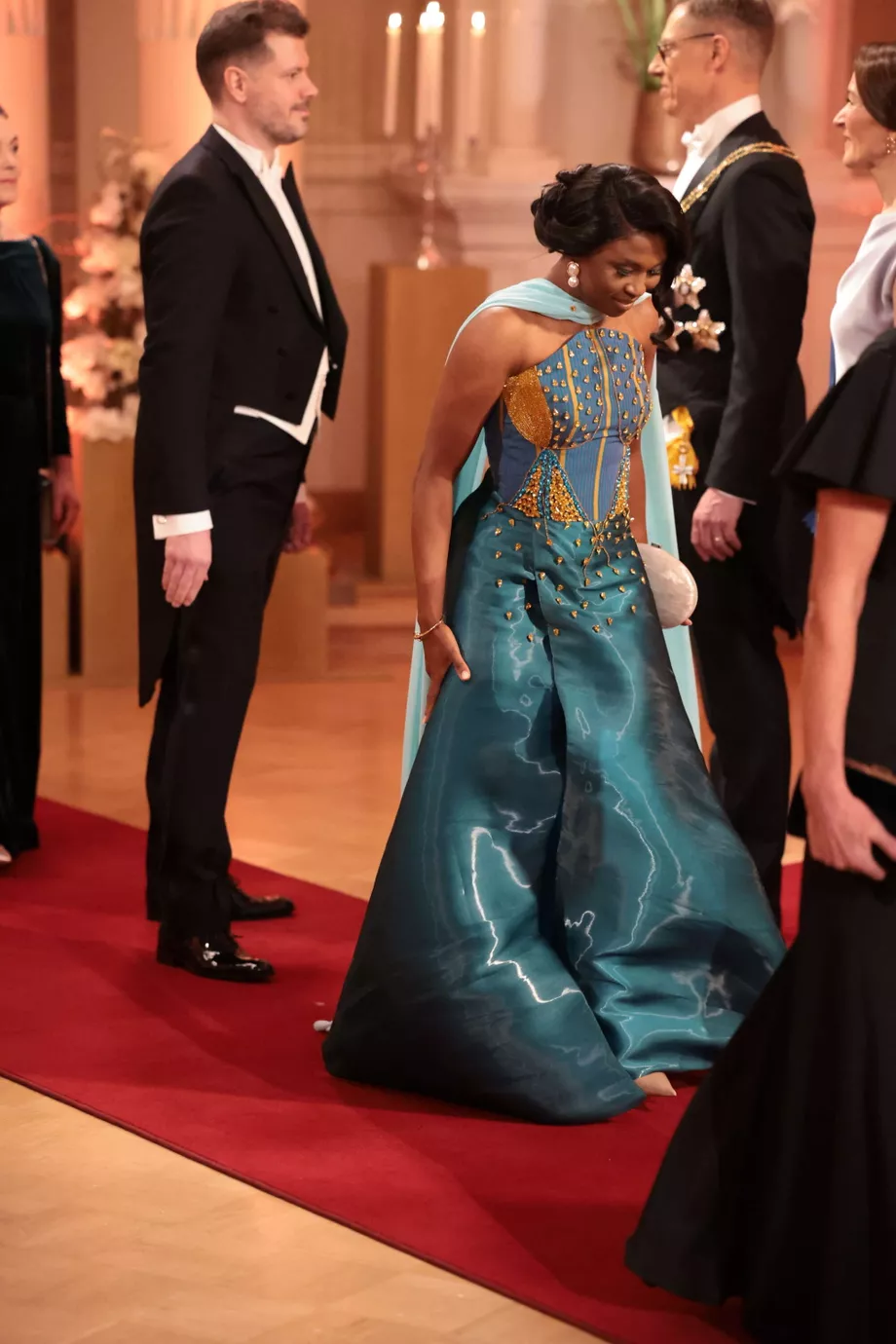
    Her gown became one of the most memorable visual statements of the evening. Designed by Omolara Odediran of F’Joy Couture, a Finland based Nigerian fashion designer known for original bespoke pieces, the dress carried a clear artistic direction from the first glance. The gown combined rich turquoise tones with a structured corset that featured gold detailing, creating a controlled yet luminous effect under the reception lighting.

    Sarah Laaru at Linnanjuhlat 2025
    Photography | @Studiopee

    The bodice revealed precise lines, careful layering of fabric, and bead placements that reinforced the designer’s commitment to craft. The skirt moved with a reflective sheen that captured light in broad ripples, giving the impression of motion even when she was standing still.

    A draped chiffon cape in a lighter shade of blue completed the silhouette. It flowed from the neckline down the back, softening the architectural structure of the gown with a calm, graceful movement. The effect balanced strength and elegance in a way that suited the occasion. Seen up close, the design revealed an intentional merging of African inspired detailing with European evening wear traditions. The aesthetic felt modern, restrained, and culturally grounded at the same time.

    Omolara of F Joy Couture, who hails from Osun State in Nigeria, has built a reputation for designs that rely on originality, handcraft techniques, and a deep respect for the artistic traditions that shaped her. Her journey into fashion began after completing her first degree, driven by an early interest in handwork and creativity. The move to Finland opened a new chapter, and her gradual rise in the Finnish fashion space has been anchored in bespoke work that attracts clients who seek individuality rather than mass style. Her creation for the Presidential Independence Gala highlighted why her brand continues to gain recognition across borders.

    Sarah Laaru at Linnanjuhlat 2025
    Sarah in Picture with the Glam Team at the Presidential Palace.

    The styling around Sarah Laaru’s appearance reinforced the precision of the gown itself. Her makeup, done by Lola Lorenzo, carried a refined balance suitable for a formal state event. The tones were natural, structured, and sharply blended, allowing her features to appear defined without drawing attention away from the attire. Her hair, handled by Super Touch Beauty Salon together with Shaya Clinic Beauty in Helsinki, stayed close to classic gala standards. It was sculpted in a smooth, polished form with subtle volume that framed her face. Her nails, done by Mabs Nails, added a clean finishing detail that matched the overall palette without introducing competing elements.

    Footage culled from | YLE NEWS

    Every detail in her presentation aligned with the tone of the event. Nothing appeared exaggerated or too ornamental. Instead, the styling conveyed intention, respect for tradition, and a clear understanding of the formality of Linnanjuhlat. The look was culturally expressive, yet fully aligned with the understated elegance expected at Finland’s most formal national celebration.

    Her appearance also carried meaning far beyond fashion. It highlighted the visibility of African professionals, leaders, and communities in Finland at a time when representation across industries continues to grow. The Finnish African Society ry, which she currently chairs, has long provided a platform for dialogue and cultural engagement between Finland and African nations. Her presence at the gala symbolized the role of African communities in shaping social, professional, and civic life in Finland. It also demonstrated the value of inclusive recognition at state functions where national identity is expressed through the guests who stand in the room.

    Sarah Laaru at Linnanjuhlat 2025
    Photography | @Studiopee

    Observers noted the significance of watching a Ghanaian leader walk through the Palace as an invited guest of the President. It reflected a Finland that acknowledges the contributions of its multicultural population. It also represented a milestone for Africans living in Finland, particularly those whose work in advocacy, business, community building, and cultural exchange continues to strengthen the country’s diversity.

    Sarah Laaru at Linnanjuhlat 2025
    Photography | Aleksi Jalava (IS)

    The moment was historic, not because it was loud or ceremonial, but because it happened at all. Representation often takes shape in small but deeply symbolic steps. Sarah Laaru’s attendance at Linnanjuhlat 2025 was one of those steps. It carried the weight of visibility, the pride of a wider community, and the promise of cultural presence in spaces that define the Finnish story. The scene was watched proudly by many, both in Finland and abroad, as a reminder that national celebrations gain richness when they reflect the full mosaic of the people who live within the nation.

  • Copenhagen Fashion Week AW26 Reveals a Landmark Line Up for 2026

    Copenhagen Fashion Week AW26 Reveals a Landmark Line Up for 2026

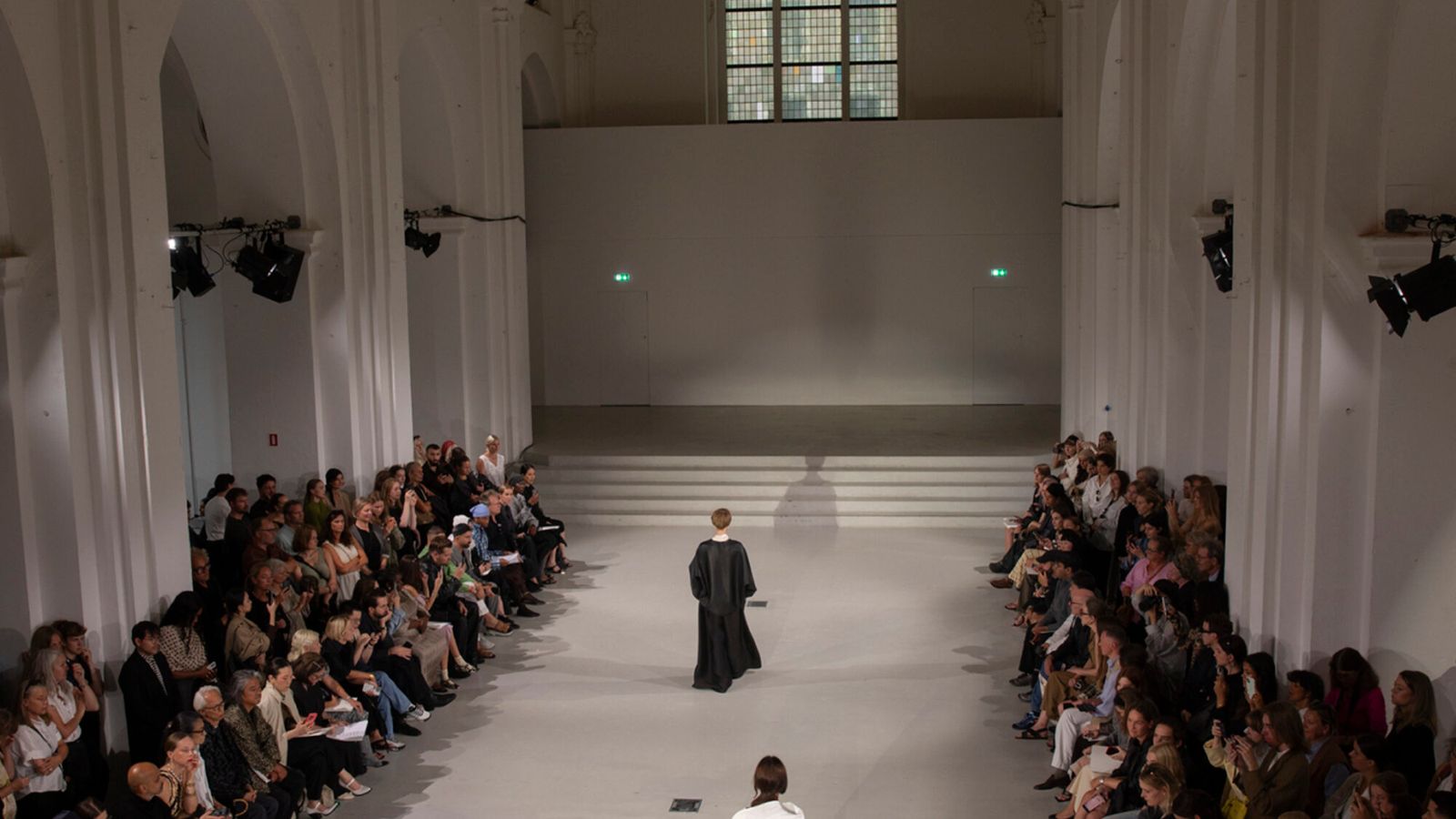
    Copenhagen Fashion Week AW26 opens a landmark moment for the Nordic fashion scene, beginning a year that celebrates twenty years of growth, creativity, and cultural influence. The anniversary in 2026 marks two decades of steady evolution for the region and highlights how the event has shaped new directions in global fashion.

    Copenhagen Fashion Week AW26

    Cecilie Thorsmark, CEO of Copenhagen Fashion Week, explained that reaching the twenty year point is not only a chance to look at the past. It is a moment to consider how the platform can guide a future industry that is still adapting to rapid changes. She noted that the last few years have tested the stability of many fashion businesses. Yet the Nordic community has continued to push forward, gaining international attention and strengthening its creative identity. She added that Copenhagen Fashion Week has been proud to support that journey.

    Throughout 2026, both editions of Copenhagen Fashion Week will run alongside a series of international projects. These will be revealed over the course of the year, reinforcing the expanding reach of the platform. Visitor numbers for the January and August dates are expected to rise sharply. The anniversary year will close with a major activation that honors Nordic designers who have influenced global fashion. A commemorative book will also be released, documenting the last twenty years of Copenhagen Fashion Week and outlining its vision for seasons ahead.

    The AW26 season officially opens with an evening cocktail event on Monday 26 January and closes with an anniversary dinner on Thursday 29 January. The show schedule runs from 27 to 29 January and presents a curated selection of leading Nordic and international labels. Several notable returns and debuts give the program a forward looking energy. Paolina Russo, winner of the 2024 Zalando Visionary Award, returns to the runway. Nazzal Studio, winner of the 2024 FTA Franca Sozzani Debut Talent award, also joins the schedule. Danish menswear design gains a new moment of visibility with the debut of O. Files.

    The AW26 edition is also the first season to fully apply the updated Sustainability Requirements. These requirements were introduced in 2024 and tested across two seasons to refine the structure. The revised framework strengthens the original set of expectations first used in 2023. Every brand on the official AW26 schedule has been assessed against the updated list of nineteen Minimum Standards.

    Cecilie Thorsmark noted that the purpose of these requirements is to guide the industry toward measurable progress. She stated that the strengthened framework raises the expectations for participating brands, which she sees as an essential step for long term change.

    AW26 OFFICIAL BRAND LINE UP

    Aiayu
    Alis
    Anne Sofie Madsen – (CPHFW NewTalent)
    Baum und Pferdgarten
    Bonnetje – (CPHFW NewTalent)
    Caro Editions
    Fine Chaos
    Forza Collective
    Gestuz
    Henrik Vibskov
    Herskind
    Holzweiler – (Homecoming Slot)
    MKDT Studio
    Nazzal Studio
    Nicklas Skovgaard – (CPHFW NewTalent Alumni)
    O. Files
    OperaSport
    Paolina Russo
    Ranra
    Rave Review
    Skall Studio
    Sson – (One To Watch)
    Stem – (CPHFW NewTalent)
    Studio Constance – (One To Watch)
    Sunflower
    Taus – (One To Watch)
    The Garment

  • Diddy Netflix Documentary Controversy Erupts Over Alleged Stolen Footage

    Diddy Netflix Documentary Controversy Erupts Over Alleged Stolen Footage

    Diddy Netflix documentary controversy has exploded across the entertainment world after Sean “Diddy” Combs publicly condemned Netflix and 50 Cent over the newly released docuseries Sean Combs: The Reckoning.

    Diddy Netflix Documentary Controversy

    The Bad Boy founder has described the project as a “shameful hit piece” and accused Netflix of using stolen and unauthorized footage filmed during one of the most sensitive periods of his life. The four-part series premiered on Netflix on Tuesday, December 2, and promises to examine alleged misconduct, lawsuits, and power dynamics surrounding Diddy’s career and personal life.

    However, according to Combs and his legal team, the documentary crossed a legal and ethical line.

    Diddy Accuses Netflix of Using Private and Unauthorized Video

    Diddy’s spokesperson issued a statement shortly before the show aired, sharply criticizing Netflix for what they claim is the use of private and illegally obtained footage. The most troubling content, according to his team, involves video filmed only days before his September 2024 arrest.

    In one clip featured in the documentary, Diddy is reportedly seen on a phone call with his legal advisers discussing his legal position and the growing pressure at the time.

    One statement attributed to him in the footage reads:
    “We need to find someone who will work with us who has worked in the dirtiest of dirty businesses. We are losing.”

    At the time, Combs was already facing multiple sexual assault lawsuits and was later indicted on charges related to sex trafficking and racketeering. His team insists these recordings were never meant to be public.

    Diddy’s Statement Claims Netflix Violated His Rights

    His spokesperson made it clear that the footage was part of a personal archive he had been building since his teenage years.

    “As Netflix and CEO Ted Sarandos know, Mr. Combs has been collecting footage since he was 19 to tell his own life story in his own way. It is fundamentally unfair and illegal for Netflix to take this material without permission.”

    The statement continued by accusing Netflix of exploiting legal trouble for profit.

    “Netflix is clearly motivated by spectacle, not truth. They are publishing private material that was never meant to be shared and that includes conversations with lawyers that were absolutely confidential.”

    The spokesperson also said the footage had never been licensed or transferred to Netflix or any other third party.

    Netflix Pushes Back and Defends Its Documentary

    Netflix rejected the claims and issued a response from the documentary’s director Alexandria Stapleton.

    According to Stapleton, the production team obtained the footage legally and holds the necessary rights to use it. She also addressed the issue of filmmaker confidentiality.

    “It came to us legally, we have the rights, and we took every measure to protect the identity of the person who shared it with us.”

    Stapleton added that Diddy’s legal team had been contacted several times before the documentary was released.

    “We reached out repeatedly for comment and interviews but received no response.”

    She also made an additional comment on Combs’ history of filming himself.

    “He has always documented his life. For decades, the camera has followed him because that is how he likes it.”

    Diddy Criticizes 50 Cent’s Involvement in the Project

    Another major point of contention is the involvement of 50 Cent as an executive producer.

    The statement from Diddy’s camp accused Netflix of giving his story to someone who has had years of personal conflict with him.

    “For Netflix to hand this story to a man who has publicly attacked him for years feels deliberate and deeply personal.”

    They also expressed disappointment, saying they expected fairness from a company they previously respected.

    50 Cent Responds and Denies Bias

    Although 50 Cent has not issued a formal response to Diddy’s legal team, he addressed the documentary in an interview with Good Morning America earlier this week.

    He explained his motivation clearly.

    “If I stay silent, that sends a message that hip hop accepts this behavior. Somebody had to speak out.”

    50 further denied that his history with Diddy shaped the content.

    “What they call a feud is really just me being uncomfortable with certain behavior. That was it.”

    He dismissed the idea of personal revenge and insisted that the project was not driven by emotion.

    “It is not personal,” he said.

    What Happens Next

    At this stage, no legal action has been formally confirmed. However, if Diddy’s claims are accurate, Netflix may face legal scrutiny for how it sourced the footage and whether any privacy or contractual agreements were violated.

    For many viewers, the controversy now rivals the documentary itself in scale. Questions about consent, ownership of personal materials, and the role of streaming platforms in high profile scandals are once again under the spotlight.

    For now, the Diddy Netflix documentary controversy continues to evolve as lawyers, platforms, and producers prepare for what could become another courtroom drama beyond the screen.

  • Kendrick Lamar Recorded Almost 100 Songs For GNX

    Kendrick Lamar Recorded Almost 100 Songs For GNX

    Kendrick Lamar Recorded Almost 100 Songs For GNX and the scale of it is far bigger than most fans ever imagined. Behind the tight 12-track final album sits an enormous archive of unreleased music that could easily fuel another project or two.

    Kendrick Lamar Recorded Almost 100 Songs For GNX

    Speaking to Variety, Kendrick Lamar’s longtime producer Sounwave confirmed that between 80 and 100 records were made during the GNX sessions. Only a fraction survived the final cut. The rest remain unheard, at least for now, locked away as part of one of the largest recording runs of Kendrick’s career.

    What makes this revelation even more surprising is how early the process began. Kendrick reportedly returned to the studio almost immediately after releasing “Mr. Morale & The Big Steppers” in 2022. GNX was not a rushed success. It was built slowly, reshaped repeatedly, and molded into the version the world eventually heard.

    Early versions of the album leaned heavily into a West Coast funk sound. That direction shifted once Jack Antonoff and Mustard entered the picture. Their involvement changed the temperature of the record, darkening some parts, sharpening others, and pushing the sound into unexpected spaces.

    Mustard, in particular, played a defining role. His beats power some of GNX’s standout records, including “Hey Now” and “TV Off.” For “TV Off,” Mustard revealed that he sent Kendrick two separate beats. Instead of choosing one, Kendrick combined them into a single track that now feels designed for stadiums, festivals, and halftime shows.

    “I never asked who put those two beats together,” Mustard admitted. “I just knew it worked. It was great.”

    One year after the album’s release, Sounwave reflected on what GNX represents creatively.

    “The album shows there are no boundaries,” he said. “We refuse to repeat ourselves. Reinvention is the goal. You make it exciting and the fans follow.”

    That excitement has crossed generations. Sounwave shared a moment he witnessed that still surprises him.

    “A 60-year-old woman was driving down the street rapping a GNX song word for word,” he said. “Back home people still play it like it just dropped. That means everything.”

    With so much unreleased material sitting in storage, fans have naturally started speculating about a deluxe edition. Those rumors gained momentum after rapper Lefty Gunplay, who appears on “TV Off,” hinted that more music already exists.

    “He has things in the chamber,” Lefty said during an interview with Bootleg Kev. “We have done more than one track. He told me we would work again.”

    When asked directly about a deluxe release, Lefty was confident.

    “I know there is a deluxe coming,” he added. “He is very private about it.”

    Kendrick himself has remained silent on the idea of a GNX deluxe. No release date, no confirmation, no teaser. Just quiet, which is often how he operates before making big moves.

    Whether the extra songs become a deluxe album, a surprise drop, or remain locked in the vault, one thing is clear. GNX is only part of the story. The real project was bigger than what the world heard.

    For now, fans are left waiting and replaying an album that still sounds fresh a year later. And with nearly 100 songs recorded, the GNX era may not be over yet.