Category: CULTURE

Reporting from entertainment events and cultural spaces in Finland and abroad, with a focus on people, creativity and experience.

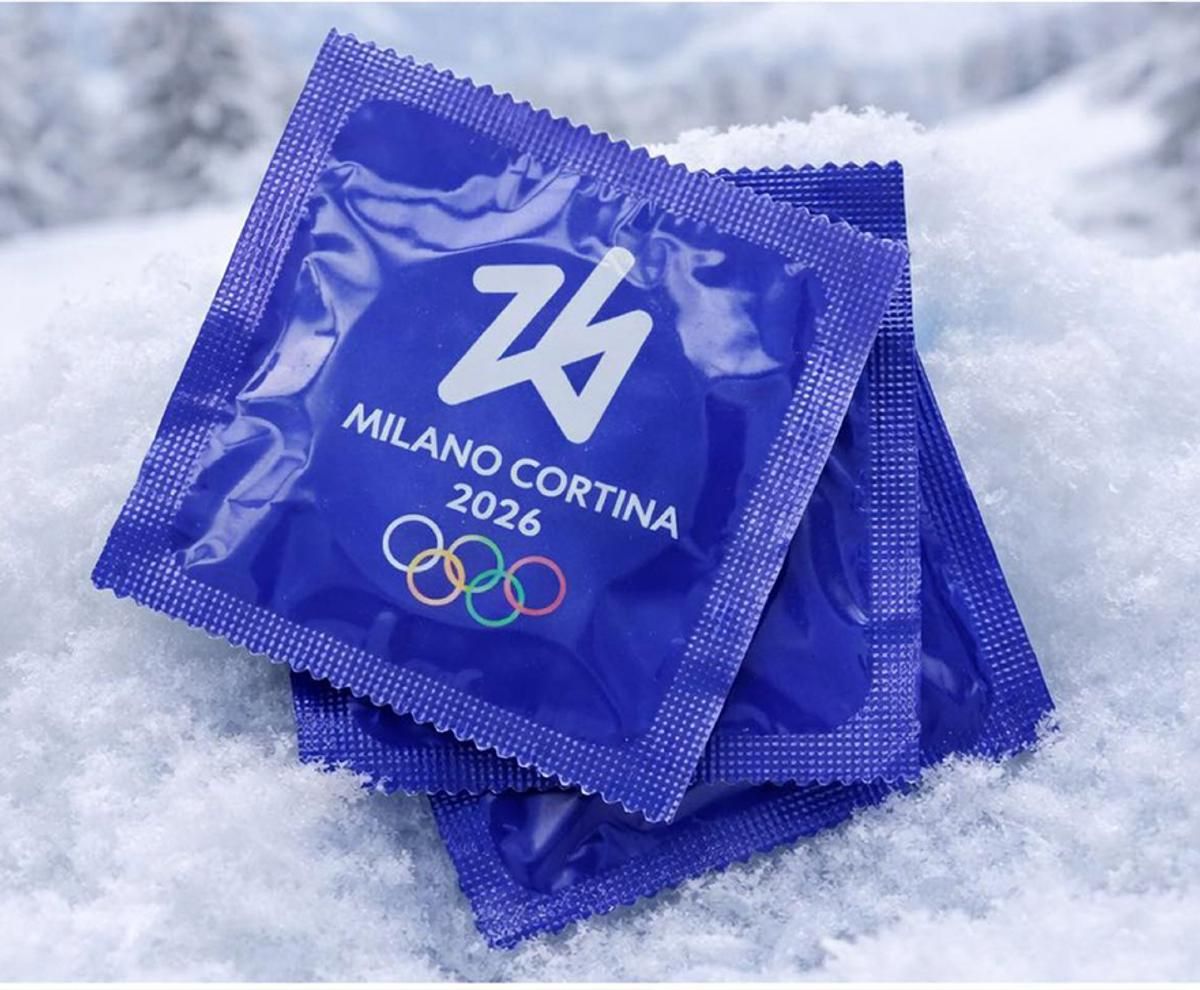
  • Winter Olympic Village Runs Out of Condoms in Three Days After Athletes Use 10,000

    Winter Olympic Village Runs Out of Condoms in Three Days After Athletes Use 10,000

    The Winter Olympic Village condoms shortage became headline news within the first 72 hours of the Games in Italy. Reports from inside the Village indicate that the allocated 10,000 condoms were entirely consumed within three days of the athletes’ arrival. This rapid depletion underscores a rarely discussed but persistent element of the Olympics: the ongoing efforts to promote sexual health among elite competitors during multi-week events.

    Winter Olympic Village Runs Out of Condoms

    An anonymous athlete, speaking to La Stampa, described the situation with a mixture of bemusement and frustration. “The supplies ran out in just three days,” they said. “They promised more will arrive, but who knows when.” For Olympic organizers, distributing condoms has long been a public health initiative aimed at preventing sexually transmitted infections (STIs) among a transient international population living in close quarters. However, the limited stock for the 2026 Winter Games seems to have underestimated the demand.

    The contrast with previous Olympics is striking. At the 2024 Paris Games, each athlete reportedly received two condoms per day, totaling around 300,000 units for the Village population. By comparison, this year’s Winter Games allocated fewer than 10,000 condoms to 2,900 athletes across 116 events in 16 disciplines. Female athletes constitute 47% of this year’s participants, the highest proportion in Winter Olympics history, amplifying the importance of adequate sexual health resources.

    Athletes have criticized the organizers for the low distribution. One insider told reporters that the numbers were “not particularly generous” and failed to account for the practical realities of daily Village life. For many, condom availability is more than a convenience; it is a public health necessity. The logistics of delivery, storage, and distribution, once carefully coordinated, appear to have lagged behind demand in the early days of the Games.

    The local government has defended the practice. Attilio Fontana, governor of Lombardy, publicly reminded the press and the public that the provision of condoms is standard practice at the Olympics. “Yes, we provide free condoms to athletes in the Olympic Village,” he stated in a social media post. “If this seems strange to some, they’re unaware of the established Olympic practice. It began in Seoul 1988 to raise awareness among athletes and young people about sexually transmitted disease prevention—a topic that shouldn’t cause embarrassment.”

    The initiative has also entered pop culture during the Games. Spanish figure skater Olivia Smart posted an Instagram video highlighting condoms stamped with the yellow Lombardy Region logo. “I found them,” she said in the clip that quickly went viral. “They have everything you need.” Such moments underscore the normalization of athlete sexual health as part of the Olympic experience, blending public health messaging with athlete engagement and visibility.

    Beyond the immediate shortage, the situation raises questions about the practicalities of athlete welfare in large-scale international events. With nearly 3,000 participants living in communal quarters, the Village functions as a microcosm of urban life, albeit condensed and highly monitored. Supplies of everyday necessities, including contraceptives, food, and hygiene items, must be scaled accurately to match both demographic and behavioral realities. Miscalculations, even minor, quickly become visible, as the rapid exhaustion of condoms demonstrates.

    The Winter Olympic Village condoms shortage also illuminates the broader dialogue around athlete health policies, transparency, and logistical planning. It invites reflection on how organizers forecast demand for sensitive health items and how these practices compare across global events. Beyond the immediate concern of sexual health, the shortage signals the delicate balancing act required to ensure athlete welfare, maintain public health standards, and respect privacy in highly visible international competitions.

    As the Games progress, organizers have pledged to replenish stocks, though timelines remain uncertain. For athletes, the early depletion is a reminder of the importance of preparedness, and for the Olympic administration, a lesson in the enduring challenges of anticipating human behavior on a global stage. In this context, the story of a few thousand condoms becomes a lens through which the operational, health, and social dimensions of the Winter Olympics can be examined with clarity and seriousness.
  • International Olympic Committee Faces Backlash Over 1936 Berlin Olympics T-Shirt

    International Olympic Committee Faces Backlash Over 1936 Berlin Olympics T-Shirt

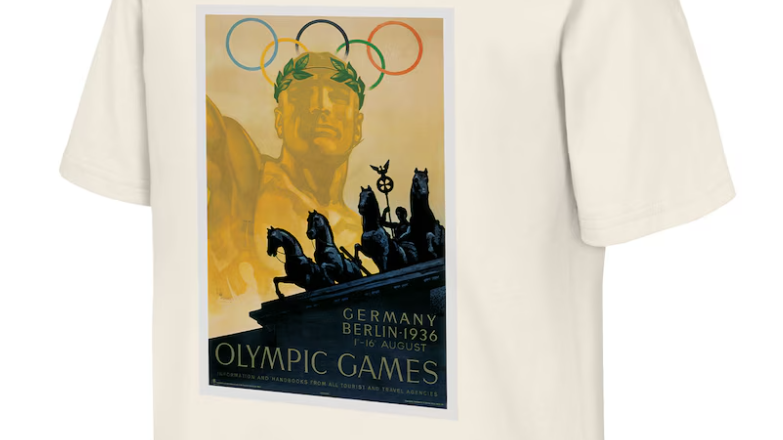
    The International Olympic Committee (IOC) has ignited controversy by offering a T-shirt commemorating the 1936 Berlin Olympic Games, a tournament infamously used as a propaganda tool by Adolf Hitler and the Nazi regime. The item, part of the IOC Heritage Collection, has sparked debate over whether sporting history can ever be separated from the political realities that framed it.

    International Olympic Committee

    Currently listed as “out of stock” on the official Olympic website, the T-shirt features the original 1936 poster designed by Franz Würbel. The artwork depicts a crowned athletic figure above the Olympic rings and the Brandenburg Gate, accompanied by the text “Germany Berlin 1936 Olympic Games.” The IOC frames the Heritage Collection as a tribute to the aesthetic and cultural history of the Olympics, describing each edition of the Games as reflecting “distinct historical moments when the world gathered to celebrate humanity.” Critics argue that this framing risks obscuring the oppressive political context of the Berlin Games, which occurred just three and a half years after the Nazi seizure of power.

    The 1936 Olympics were carefully orchestrated by Hitler to project an image of a strong, unified Germany. Nazi ideology was subtly woven into the pageantry, emphasizing the supposed superiority of Aryan athletes. At the same time, Jews and other marginalized groups were systematically excluded from competition. Hundreds of Roma residents in Berlin were forcibly detained, and overt antisemitic propaganda was temporarily minimized to avoid international criticism.

    International Olympic Committee

    Despite the regime’s intent to glorify its ideology, African American track and field star Jesse Owens emerged as the defining figure of the Games. Winning four gold medals, Owens directly challenged the Nazi narrative of racial superiority on the global stage. Christine Schmidt, co-director of the Wiener Holocaust Library in London, noted that while the sporting achievements were remarkable, they cannot be disentangled from the broader historical context. According to Schmidt, the Berlin Games allowed the Nazi regime to improve its international image even as persecution of Jews and other minorities escalated.

    Scott Saunders, chief executive of the International March of the Living, reinforced this concern, highlighting that the Berlin Olympics effectively legitimized Hitler’s government during a period of intensifying antisemitic oppression. Saunders emphasized the enduring risk of sanitizing history, cautioning that sport can be manipulated to normalize exclusion and hatred if lessons from the past are ignored.

    In defending the Heritage Collection, the IOC emphasized that it celebrates 130 years of Olympic art and design, spanning every edition of the Games. The organization acknowledged the political controversies surrounding the 1936 Olympics but also underscored the athletic achievements of the event: 4,483 athletes from 49 countries competed across 149 events. The IOC noted that historical context is addressed at the Olympic Museum in Lausanne and explained that production of the 1936-themed T-shirts was limited, accounting for their current unavailability.

    The controversy underscores a broader tension between preserving Olympic history and confronting the darker chapters embedded within it. While the IOC emphasizes artistic and athletic heritage, critics argue that selling merchandise linked to the Berlin Games risks trivializing the suffering and systemic persecution orchestrated by the Nazi regime. The debate raises fundamental questions about how institutions remember and present history when its symbols intersect with oppression and propaganda.

  • A$AP Rocky Don’t Be Dumb Tracklist Revealed

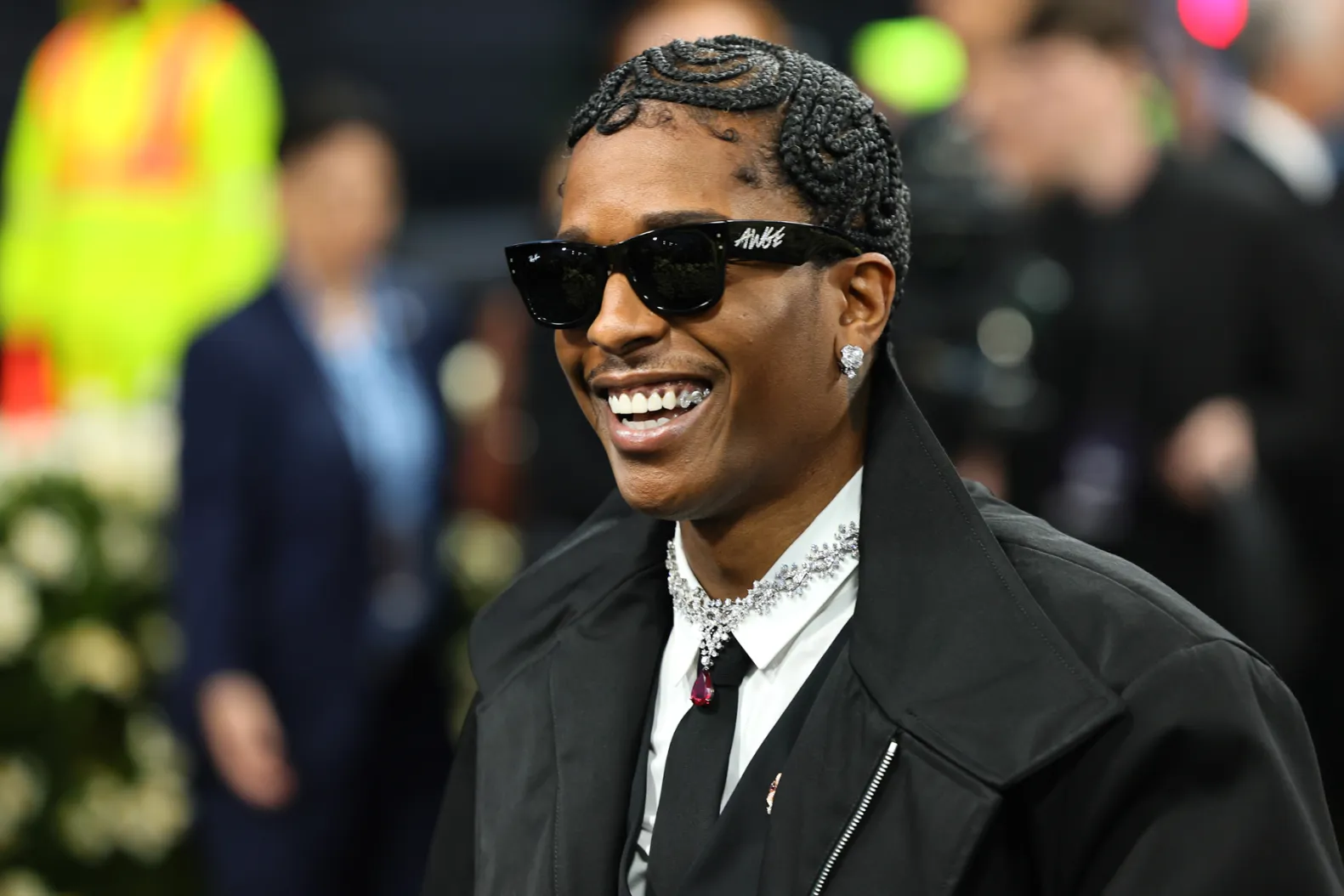
    A$AP Rocky Don’t Be Dumb Tracklist Revealed

    There is a certain kind of confidence required to disappear for years, ignore the noise, and then resurface with an album that announces itself as fully formed rather than hurried. A$AP Rocky Don’t Be Dumb tracklist does not read like a placeholder rollout or a stopgap release. It reads like a document that has been sitting in a drawer, revised quietly, sharpened slowly, and finally deemed ready.

    A$AP Rocky Don’t Be Dumb Tracklist Revealed

    For an artist whose public narrative has oscillated between fashion provocateur, cultural tastemaker, and reluctant rap traditionalist, Don’t Be Dumb feels less like a comeback and more like a recalibration. It is Rocky reclaiming authorship over his creative mythology.

    The tracklist reveal arrived ahead of the album’s January 16 release date, not through an accidental upload or a rushed press release, but with deliberate pacing. Fifteen tracks. No obvious filler. Titles that sound confrontational, ironic, and occasionally self-aware.

    Songs like “Helicopter$,” “Punk Rocky,” and “Stop Snitching” have already lived public lives through live performances, suggesting that Rocky has been pressure-testing this material for years. This is not new music in the conventional sense. It is field-tested music.

    The structure matters. The inclusion of “Interrogation (Skit)” at track three is a subtle signal that this album understands sequencing as storytelling, not just streaming optimization.

    Here is the official sequence, presented as it appears on the album:

    1. Order of Protection
    2. Helicopter$
    3. Interrogation (Skit)
    4. Stole Ya Flow
    5. Stay Here
    6. Playa
    7. Trespass
    8. Stop Snitching
    9. STFU
    10. Punk Rocky
    11. Air Force (Black DeMarco)
    12. Whiskey (I’m Not Resisting)
    13. Robbery
    14. Don’t Be Dumb / Trip Baby
    15. The End

    Even without hearing the record, the arc is visible. Authority. Surveillance. Theft. Defiance. Closure. Rocky has always been attuned to how titles frame perception, and this list reads like chapters rather than tracks.

    The eventual confirmation of guest appearances did not come from a press blast but through Spotify billboards, an appropriately modern and impersonal medium. The features list is expansive and stylistically aggressive:

    Tyler, The Creator, Westside Gunn, Doechii, Brent Faiyaz, Thundercat, Gorillaz, BossMan Dlow, will.i.am, Danny Elfman, Jon Batiste, Slay Squad, Jessica Pratt.

    This is not a features list built for chart safety. It is built for contrast. Jazz musicians next to underground rappers. Alternative icons next to orchestral composers. Rocky has always treated genre as a palette, not a boundary.

    One of the most misunderstood elements of modern hip hop rollouts is visual collaboration. Too often, it is decorative. In this case, it is foundational.

    Legendary filmmaker Tim Burton is not simply credited. He designed the album’s cover art, and his name appears directly on it. The tracklist description calls the album “the nightmare b4 the release,” a clear nod to Burton’s 1982 poem The Nightmare Before Christmas, later adapted into the cult-classic film.

    Rocky’s admiration is not casual fandom. In a previous interview, A$AP Rocky spoke at length about Burton’s use of German Expressionism, claymation, and matte painting. These are not references you make unless you have studied the work.

    Burton’s longtime collaborator Danny Elfman plays a direct musical role on the album. According to Rocky, Elfman scored portions of the project while they worked with old television footage playing silently in the background.

    This detail matters. It explains why the album has been described as cinematic rather than merely experimental. Scoring is about movement, tension, and atmosphere. It suggests that Don’t Be Dumb is designed to feel watched as much as heard.

    The vinyl listing offers the most revealing description of the album’s intent. It frames the project as a movement through genres the way one moves through a city. Jazz, hip hop, metal, indie, R&B. Each track capturing a block, a mood, a moment.

    This is where the “alter egos” language stops being marketing copy and becomes functional. Rocky has always contained multiple versions of himself. Here, they are allowed to coexist without being forced into a single sound or persona.

    The long gap between releases could have bred hesitation. Instead, it appears to have produced clarity. The A$AP Rocky Don’t Be Dumb tracklist reads like the work of an artist who stopped chasing relevance and started curating legacy.

    There is no apology in this album. No rush to reassure. No attempt to compress years of influence into something easily digestible. It assumes the listener will meet it halfway.

    That assumption alone sets it apart.

  • Ready 24 Lawsuit Pits J. Cole and Cam’ron Against Hip Hop Tradition

    Ready 24 Lawsuit Pits J. Cole and Cam’ron Against Hip Hop Tradition

    Some disputes in hip hop are born loud, fueled by egos and microphones. Others arrive quietly, through court dockets and legal filings, carrying consequences far heavier than any diss record. The Ready 24 lawsuit sits firmly in the second category, a conflict less about lyrical dominance and more about how trust, timing, and expectation unravel once a record turns into real money.

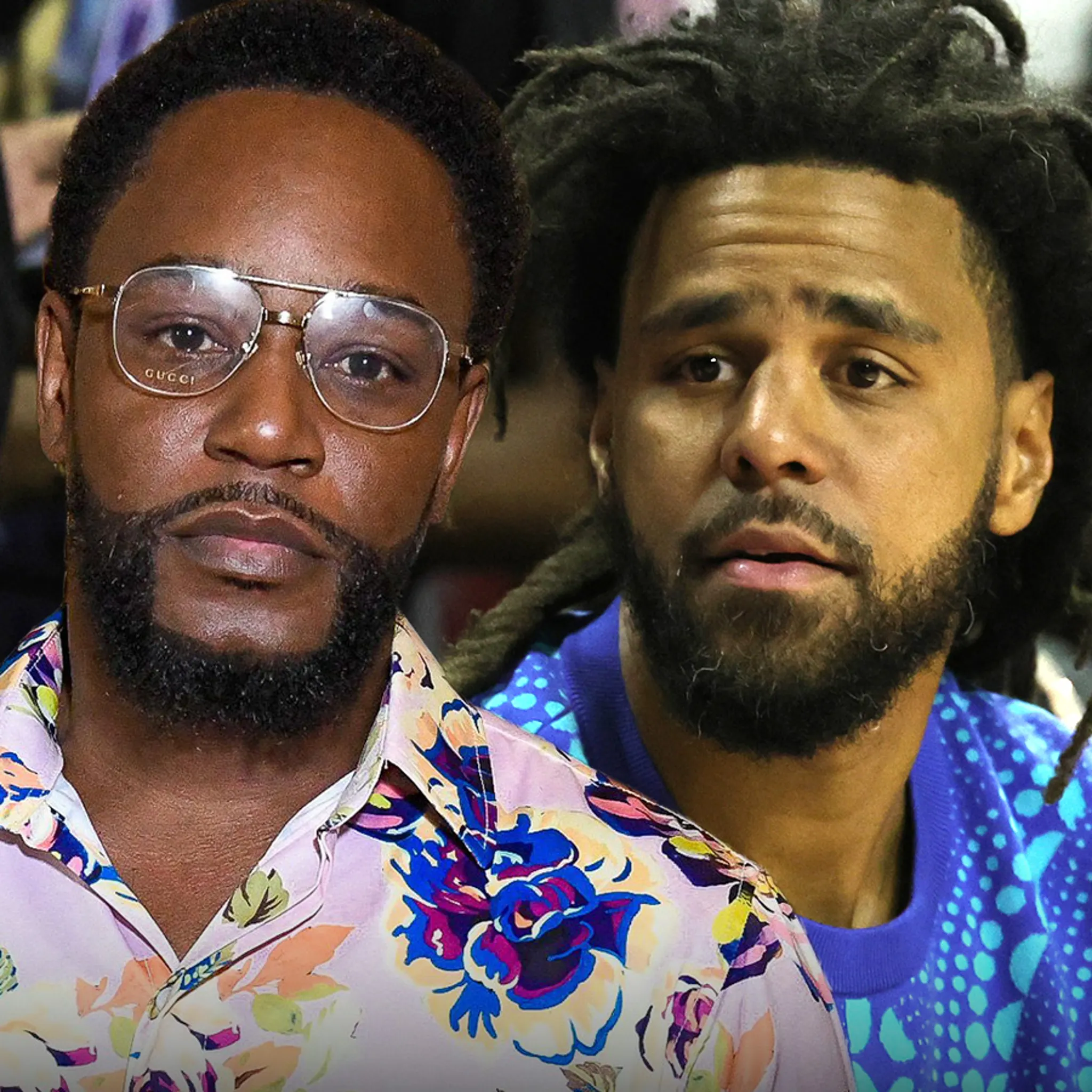
    Ready 24 Lawsuit Pits J. Cole and Cam'ron Against Hip Hop Tradition

    At the center of the case are J. Cole and Cam’ron, two artists whose careers were built in very different eras of the industry. Their disagreement does not hinge on whether a verse was delivered. It hinges on what that verse was understood to represent, and whether informal assurances still matter once success recalibrates the stakes.

    Cam’ron filed his lawsuit in October 2025, asserting that his appearance on “Ready 24” was never meant to be a no-strings contribution. According to his claim, the verse came with an understanding that J. Cole would later reciprocate, either with a guest verse of his own or with a high-visibility interview tied to Cam’s next release.

    From Cam’s perspective, neither option was a casual favor. He argues that he delivered value quickly and decisively, contributing to a track that ultimately reached the Billboard Hot 100. When the promised follow-up failed to materialize, he claims the imbalance became impossible to ignore.

    The financial figure attached to the case sharpened attention immediately. Cam estimates his unpaid share of the song’s success at a minimum of $500,000, transforming a dispute rooted in respect into one grounded in profit participation.

    J. Cole’s legal team responded in February with a firm denial of the lawsuit’s central premise. The filing states that no agreement, written or verbal, existed between the two artists. According to the response, Cam’ron participated in “Ready 24” voluntarily, without conditions, and without raising any objections prior to the song’s commercial release.

    Cole’s attorneys further argue that Cam actively supported the use of his performance and did so because it benefited his own career. The filing portrays the lawsuit not as enforcement of a promise, but as a retroactive attempt to renegotiate terms once the record’s commercial success became clear.

    The response also criticizes Cam’ron for taking the dispute public, framing his commentary as an effort to apply pressure rather than resolve a legitimate contractual issue.

    Outside the courtroom, Cam’ron has offered his version of events through his YouTube platform, Talk With Flee. His account reflects the informal mechanisms that still dominate many hip hop collaborations. He says he initially reached out to Cole for a feature and encountered repeated delays, which were framed as creative timing issues rather than outright refusals.

    Cam claims he returned Cole’s own feature request with speed, recording his verse for “Ready 24” in approximately 20 minutes. In his telling, that efficiency and goodwill established a reasonable expectation of reciprocity.

    When the verse did not happen, Cam says the conversation shifted toward an interview, something Cole allegedly agreed to as part of an album rollout strategy. That interview, however, was repeatedly postponed.

    One element that complicates the timeline is Cole’s brief and heavily scrutinized clash with Kendrick Lamar. According to Cam, Cole became increasingly reluctant to appear in interviews that might force him to address the situation publicly.

    Cam claims he offered to avoid the topic entirely, only to be told that an interview without acknowledging the feud would feel dishonest. Further attempts to reschedule were allegedly delayed again, with Cole citing continued work on his album.

    From Cam’s standpoint, the pattern reinforced the belief that earlier commitments were quietly abandoned. From Cole’s legal perspective, no commitments ever existed in the first place.

    The Ready 24 lawsuit exposes a fault line that has long existed in hip hop. The culture was built on relationships, verbal assurances, and reputation-based exchanges. For decades, those systems functioned because the financial upside was often limited or predictable.

    That reality no longer holds. A single track can generate substantial revenue across streaming, licensing, and brand alignment. When that happens, informal agreements are forced into a legal framework that does not recognize intent or tradition unless it can be proven.

    Courts look for clarity. They look for terms, evidence, and mutual assent. Cole’s response is structured entirely around that standard, asserting that goodwill does not equal obligation.

    Whether Cam’ron can demonstrate otherwise will determine how this case concludes. What is already clear is that “Ready 24” has become something more than a collaboration. It is now a reference point for how legacy artists and modern stars navigate expectation in an industry that no longer leaves much room for ambiguity.

    Until the court rules, the dispute remains unresolved, but its implications are already visible. In an era where success arrives faster and louder than ever, trust alone is rarely enough to protect anyone involved.

  • 50 Cent Reacts to Ja Rule Plane Argument, Turning a Mid-Air Clash Into Another Chapter of a 20-Year Feud

    50 Cent Reacts to Ja Rule Plane Argument, Turning a Mid-Air Clash Into Another Chapter of a 20-Year Feud

    50 Cent reacts to Ja Rule plane argument as if it were less a surprise than a ritual, another chapter added to a feud that has long outlived radio cycles, chart eras, and even the people who once tried to mediate it. What unfolded aboard a commercial flight this week was not a spontaneous clash so much as a reminder that some rivalries in hip hop never dissolve. They simply migrate into new spaces.

    50 Cent Reacts to Ja Rule Plane Argument

    The setting matters. Business class, confined, regulated, federal jurisdiction. The kind of place where bravado collides with consequence. And yet, when Tony Yayo and Uncle Murda found themselves seated a single row behind Ja Rule, restraint was never going to define the moment.

    Video footage posted to Instagram shows Uncle Murda filming himself alongside Tony Yayo as they exchange words with Ja Rule across the narrow aisle. The tone is immediate and familiar. Old insults resurface without preamble. No buildup, no irony.

    Ja Rule fires back, equally sharp, equally unfiltered. The exchange escalates quickly enough that, according to follow-up clips, Ja leaves the aircraft before takeoff. Murda pans the camera to the now-empty seat, narrating the moment with the casual confidence of someone who knows exactly how this will play online.

    The visual language is important here. The laughter. The framing. The decision to post immediately. This was not just an argument. It was content.

    Once the clips reached 50 Cent, the reaction was predictable and precise. He reposted the footage to his Instagram account, adding commentary that framed Ja Rule as isolated and performative, suggesting the scene was manufactured to force intervention.

    This is how 50 Cent has always fought. Not just with fists or diss records, but with narrative control. By reframing the incident as desperation rather than confrontation, he stripped it of menace and turned it into spectacle.

    That instinct has kept him relevant well beyond his musical peak. He understands audience psychology better than most of his peers. Conflict is only useful if you decide what it means.

    Hours later, more footage surfaced via TMZ, complicating the story. Ja Rule took to X to assert that he was not chased off the plane but removed temporarily after throwing a pillow at Tony Yayo. He described the act as comedic, dismissive, and victorious.

    He also shared what appeared to be a witness account stating that Ja was the aggressor, that the flight crew intervened, and that Yayo explicitly referenced the federal nature of in-flight incidents while refusing to escalate physically.

    This detail matters. Airplanes are not streets, studios, or clubs. They are regulated spaces where even minor physical contact can carry serious consequences. Yayo invoking federal jurisdiction was not cowardice. It was calculation.

    Tony Yayo and the long memory of G-Unit

    Yayo has never pretended to be above the feud. He has always positioned himself as the loyal enforcer, the one who remembers every slight and responds without hesitation. His version of events, repeated across interviews, remains consistent. He insists that during a hotel altercation in Atlanta years ago, 50 Cent knocked Ja Rule unconscious.

    That story resurfaced last year during his appearance on Million Dollaz Worth of Game, where he described the fight in vivid detail, emphasizing 50 Cent’s left-handed punch and the symbolic theft of Ja Rule’s crucifix chain.

    Ja Rule, for his part, tells a different story in his memoir Unruly: The Highs and Lows of Being a Man, published in 2014. His account casts himself as dominant, methodical, and victorious. Two narratives, irreconcilable, both repeated often enough to feel true to their tellers.

    What stands out is not the argument itself but the refusal to let it fade. Ja Rule continues to invoke physical dominance. 50 Cent continues to weaponize mockery. Tony Yayo continues to stand ready. Uncle Murda continues to film.

    This is not nostalgia. It is maintenance.

    Hip hop has moved on, but these men have chosen to carry their history forward, adapting it to social media, compressing it into clips, captions, and reaction cycles. The audience is no longer waiting for an album. They are waiting for a post.

    Seen through a wider lens, the plane incident reads less like an eruption and more like theater. Each participant played a role they have rehearsed for decades. The insults were familiar. The alliances unchanged. Even the exit, whether voluntary or enforced, fit neatly into existing narratives.

    The difference is the setting. In-flight confrontations strip away the myth of invincibility. There are cameras everywhere. Rules apply. Consequences are real.

    That tension, between street mythology and regulated reality, is what made this moment resonate. It was not dangerous. It was revealing.

    50 Cent did not need to invent anything. He simply amplified what already existed and framed it to his advantage. That has always been his greatest skill. Control the story, and you control the outcome.

    The feud continues not because it must, but because it still works. For engagement. For identity. For relevance.

    And somewhere between a business class seat and an Instagram caption, the early 2000s briefly reappeared, unchanged, unapologetic, and very much alive.

  • Finland Sends Ski Jumping Coach Igor Medved Home After Alcohol Rule Breach

    Finland Sends Ski Jumping Coach Igor Medved Home After Alcohol Rule Breach

    Finland sends ski jumping coach Igor Medved home after the Finnish Olympic Committee confirmed a breach of team rules linked to alcohol use during the Milan-Cortina Winter Olympics.

    Finland Sends Ski Jumping Coach Igor Medved Home After Alcohol Rule Breach

    Officials said the incident occurred outside official working hours but violated standards agreed by the national team. The decision was taken swiftly following an internal report submitted during the Games.

    The Finnish Olympic Committee announced on Thursday that Medved had already left Italy and returned to Finland. Team leader Janne Hanninen said the response reflected the seriousness with which team conduct is treated during the Olympics.

    “We take breaches of our team rules seriously and reacted without delay. Medved travelled home today, and the issue relates to alcohol use,” Hanninen said in a statement released by the committee.

    Medved released a brief apology through the Olympic Committee, addressing athletes, staff, and supporters.

    “I want to apologise to the whole Finnish team, the athletes, and the fans. I hope the team can focus on the competitions and continue its work in peace. I will not comment further,” Medved said.

    The Finnish Ski Association, which employs Medved, confirmed that a full review of the situation will take place once the Olympics conclude.

    https://youtu.be/5fpUwUtD960

    Following Medved’s departure, Finland appointed Lasse Moilanen to lead the men’s ski jumping team for the remainder of the Games. He will work alongside women’s coach Ossi-Pekka Valta and high performance director Petter Kukkonen.

    The Olympic Committee also cancelled a scheduled press conference on Thursday. The event had been planned as a preview of the large hill competition set for Saturday.

    Medved, a Slovenian national, took charge of Finland’s ski jumping team at the beginning of the 2024-25 season. Prior to his appointment, he coached Slovenia’s B national team.

    The incident comes at an early stage of the Winter Olympics, with several ski jumping events still ahead. Finland has entries in both men’s and women’s competitions.

    While Finland’s ski jumping program has produced top ten finishes during the current World Cup season, it has yet to record a victory.

    Despite the disruption, Finnish officials emphasized that the focus remains on athlete performance and maintaining a stable team environment for the remainder of the Olympic schedule.

  • South Africa LIV Golf Partnership Signals a New Era for Sports Tourism

    South Africa LIV Golf Partnership Signals a New Era for Sports Tourism

    South Africa LIV Golf partnership marks a defining moment in the country’s sporting and tourism story. Sport has always carried weight here. It has shaped identity, bridged divides, and placed South Africa firmly on the global stage. From iconic victories to athletes who became symbols of hope, sport has long been part of how the world understands this country.

    South Africa LIV Golf Partnership Signals a New Era for Sports Tourism

    South African Tourism has announced a bold partnership with LIV Golf, bringing one of the most disruptive and globally followed golf leagues to South African soil for the first time. From March 2026, South Africa will host a LIV Golf tournament that blends elite competition, entertainment, and destination storytelling in a way few sporting events have achieved before.

    This is not just about golf. It is about positioning South Africa as a world-class sports tourism destination that delivers experiences far beyond the fairway.

    The inaugural LIV Golf South Africa tournament will take place from 19 to 22 March 2026 at Steyn City Golf Club in Gauteng. The event is expected to draw significant international attention, with top-ranked players such as Jon Rahm, Cam Smith, Bryson DeChambeau, and South Africa’s own Louis Oosthuizen confirmed to compete.

    For local fans, Oosthuizen will be playing on home ground, leading his all-South African Stinger GC team. For international visitors, the tournament offers a first-hand experience of South Africa’s championship golf courses, modern infrastructure, and ability to host premium global events.

    Unlike traditional golf tournaments, LIV Golf is designed as a four-day festival-style experience. Alongside world-class competition, spectators can expect curated food and cocktail offerings, immersive fan zones, and live music performances featuring South African artists. One of the highlights will be the iconic 16th hole, transformed into a high-energy Party Hole that blends sport, sound, and celebration.

    This format aligns closely with South Africa’s tourism strategy of offering layered experiences that combine sport, culture, cuisine, and entertainment in one destination.

    According to Thandiwe Mathibela, Acting Chief Marketing Officer of South African Tourism, hosting LIV Golf represents far more than a single tournament.

    She describes the partnership as a landmark moment for the tourism sector and the country’s global brand. While golf is the anchor, the broader objective is to showcase South Africa as a destination capable of delivering premium experiences that extend well beyond sport.

    Thandiwe Mathibela | Acting Chief Marketing Officer of South African Tourism

    The partnership introduces South Africa to global audiences through a sport they already follow and trust. From there, it encourages visitors to stay longer, travel deeper, and build a stronger emotional connection with the country.

    Golf tourism has long been a high-value travel segment, and South Africa’s combination of championship courses, scenic landscapes, favorable climate, and hospitality culture positions it strongly within that market.

    South Africa has a proven track record of hosting large-scale international events, from global sports tournaments to major conferences and cultural festivals. LIV Golf’s arrival strengthens that reputation and creates opportunities across multiple sectors.

    South Africa LIV Golf Partnership Signals a New Era for Sports Tourism
    Steyn City | South Africa

    Hospitality providers, transport services, event organizers, creative professionals, and local suppliers all stand to benefit from increased visitor numbers and international exposure. For trade partners and investors, the tournament serves as a clear signal that South Africa remains open, capable, and confident on the world stage.

    Beyond immediate economic gains, the event supports long-term destination branding. International broadcasts and digital coverage will showcase not only South Africa’s golf courses, but also its landscapes, urban energy, and cultural depth.

    Mathibela notes that while the journey may begin with a golf tournament, the goal is to leave visitors with a lasting impression that draws them back repeatedly.

    The South Africa LIV Golf partnership reflects a shared ambition to reimagine how sport connects with place. It blends elite competition with storytelling, lifestyle, and local character in a way that feels natural to the South African experience.

    As March 2026 approaches, the focus is not only on the leaderboard, but on what the world will see, feel, and remember about South Africa.

    It may start with a tee shot, but its impact is expected to travel far beyond the course.

  • FITUR 2026 Best Stand Awards Recognize Design Excellence and Sustainability in Madrid

    FITUR 2026 Best Stand Awards Recognize Design Excellence and Sustainability in Madrid

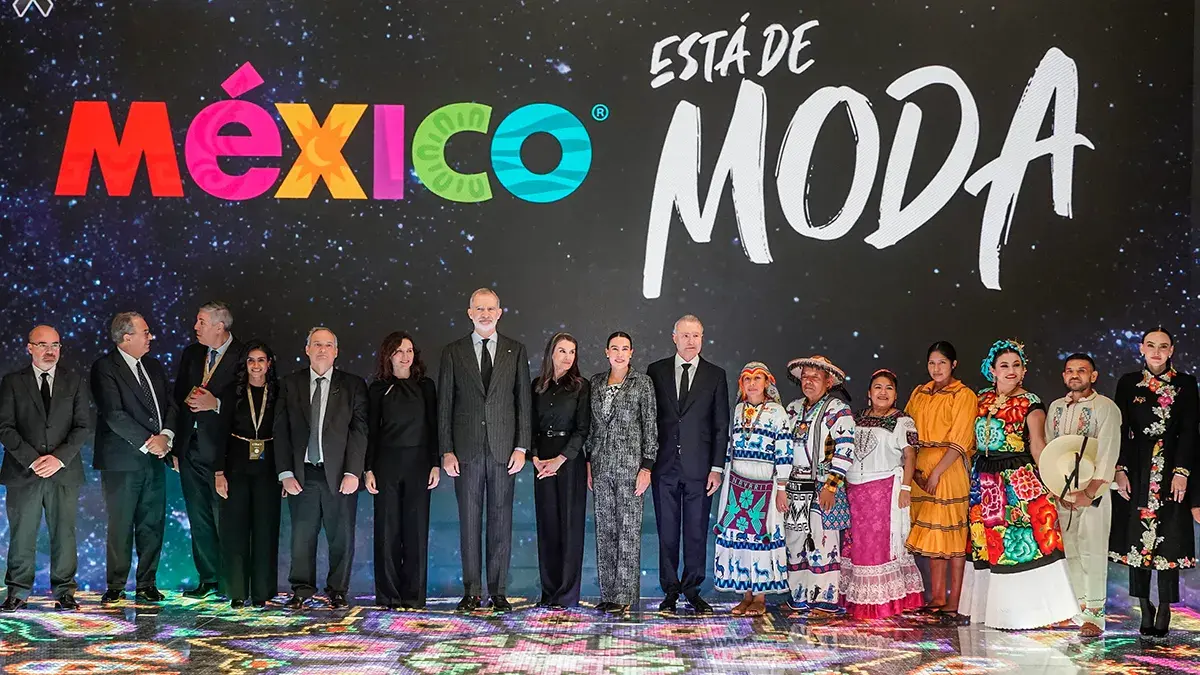
    FITUR 2026 Best Stand Awards have been officially announced, spotlighting the most outstanding stand designs and the strongest sustainability commitments at the International Tourism Trade Fair in Madrid.

    During its third professional day, FITUR 2026, organized by IFEMA MADRID and held from 21 to 25 January, revealed the winners of the 46th Best Stand Awards and the 7th Sustainable Stand Awards. The recognitions celebrate excellence in architectural design, visual identity, visitor experience, functionality, and responsible participation across the global tourism industry.

    FITUR 2026 Best Stand Awards

    Vincci Hotels claimed top honors for a stand built around creativity, emotion, and playful interaction. The design explores hospitality through bold visual storytelling, Op Art-inspired compositions, and carefully crafted spaces designed for visitor engagement and social sharing.

    Melia Hotels International delivered a refined and understated presence that reflected its Mediterranean roots. An olive tree stood at the heart of the stand, beneath a large skylight that allowed natural light to shape the space. Ceramic latticework, earthy tones, natural landscaping, and translucent panels combined to create an atmosphere of serenity, beauty, and environmental awareness.

    Alsa completed the Companies category winners with a stand defined by clarity and movement. A central corridor connected both sections of the space, while cantilevered canopies guided visitors through an imagined journey. A reinterpreted typeface and deep blue visual ceiling translated the brand identity into a physical experience with confidence and restraint.

    Guatemala presented one of the most delicate and culturally rich stands at FITUR 2026. The design centered on four elements: wood, colorful textile threads, a pyramidal screen, and Mayan glyph imagery. Minimalist in structure yet rich in meaning, the stand reflected the country’s nature, craftsmanship, architecture, and ancestral traditions.

    Abu Dhabi showcased luxury and heritage through refined finishes and subtle ethnic references. The stand recreated both an expansive oasis and an urban setting, blending soft carpeting, sand textures, latticework, dark wood accents, and green-toned furniture within modern, organic architectural forms.

    Egypt brought its historical legacy to life through a stand inspired by Abu Simbel and the new Grand Egyptian Museum in Cairo. Monumental installations anchored both the commercial and exhibition areas. Aswan stone featured prominently throughout, while luminous spaces evoked solar power, permanence, and the grandeur of ancient Egyptian civilization.

    Castilla y Leon immersed visitors in a dramatic visual narrative inspired by a forthcoming solar eclipse in August 2026. Under the slogan “The sky has chosen us”, the stand recreated a mysterious night sky filled with planets, moons, and stars visible in daylight, placing visitors at the center of a rare celestial event.

    Madrid captured attention with a monumental stand titled “Madrid Marca, the brand of Madrid”. The space combined iconic landmarks like the Santiago Bernabeu stadium with everyday city life, racing circuits, and urban infrastructure. Technology and tradition merged seamlessly, projecting a modern identity designed to remain relevant beyond passing trends.

    Galicia closed the category with a poetic proposal centered on land, water, and rain. Moving images, mirrored surfaces, and continuous reflections of light and droplets created an ever-changing environment that expressed the region’s relationship with nature and its cultural pride.

    Sustainability remains a central pillar of FITUR, and the Sustainable Stand Awards recognize exhibitors aligned with the Sustainable Development Goals.

    Galicia received recognition for innovation through the use of textile panels produced from more than 50,000 recycled plastic bottles, transforming waste into architectural material.

    Cantabria was awarded for its “Inicia 2030” platform, developed to track sustainability objectives and measurable outcomes. The project also includes a dismantling protocol that avoids demolition and reduces environmental impact.

    Grupo Pinero earned recognition for a comprehensive sustainability strategy that integrates environmental responsibility across all levels of its operations, including visitor engagement.

    The Castelldefels City Council was honored for anchoring sustainability in cultural identity. Its stand design was inspired by the traditional beach bar, or chiringuito, which served as both an aesthetic reference and a source of reused materials for structural elements.

  • Helsinki New Year’s Eve 2026 Celebration Guide

    Helsinki New Year’s Eve 2026 Celebration Guide

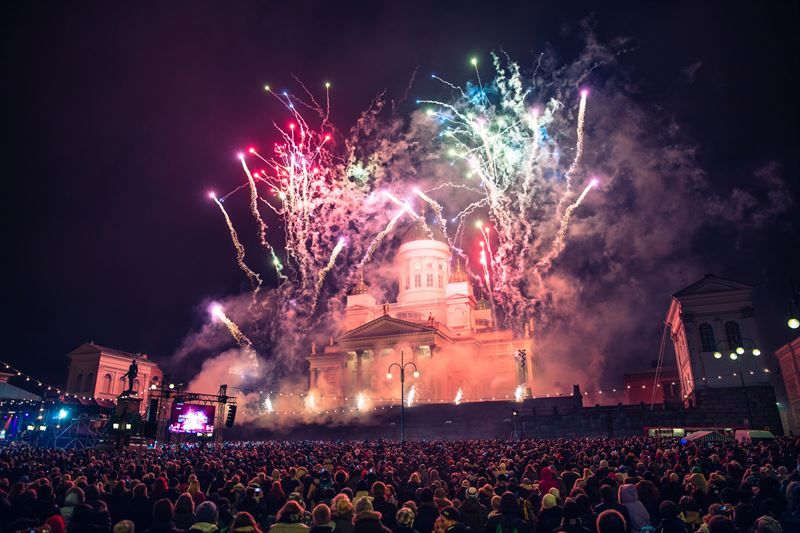
    Helsinki New Year’s Eve 2026 celebration preparations are officially underway as the Finnish capital gets ready to welcome the new year with music, fireworks, and large-scale public events across the city centre. The main celebration will take place on 31 December at Kansalaistori Square, drawing thousands of residents and visitors into the heart of Helsinki.

    Helsinki New Year’s Eve 2026 Celebration Guide

    City officials, police, and emergency services have confirmed a full evening programme that includes family activities, live performances by popular Finnish artists, and extensive traffic and public transport adjustments.

    A family friendly start to the evening

    The celebration begins early to accommodate families and children. From 17:00, Kansalaistori Square will host a children’s programme led by the heavy metal band Hevisaurus, a group known for engaging younger audiences in Finland.

    At 18:00, a dedicated fireworks display designed for families will light up the sky. Organisers are advising families to arrive early, as crowd control measures and movement restrictions will be in place throughout the city centre.

    Evening concert programme at Kansalaistori

    As the night progresses, the focus will shift to adult audiences. The main concert programme will start at 22:15 with DJ Pahkala setting the tone for the final hours of the year.

    Rap artist Ares will take the stage at 22:30, followed by pop star Erika Vikman at 23:00. At 23:30, Helsinki Mayor Daniel Sazonov will deliver the official New Year address to the public.

    The musical programme will conclude with a performance by the trio KAJ, scheduled from 23:40 until shortly after midnight at 00:15.

    Midnight fireworks and viewing areas

    The highlight of the night will be the midnight fireworks display marking the arrival of 2026. In addition to Kansalaistori Square, the fireworks will be visible from several nearby locations, including Mannerheimintie and Töölönlahti Park.

    Television viewers can follow the celebrations live. Finnish broadcaster Nelonen and streaming service Ruutu will air the concert from 22:30 onwards.

    Fireworks restrictions and safety measures

    Police have confirmed a strict ban on private fireworks within the official event area. The Helsinki Rescue Department has defined a restricted zone covering parts of the city centre where private fireworks are not allowed. These areas are clearly marked on public maps provided by city authorities.

    National regulations permit the use of fireworks only between 18:00 on New Year’s Eve and 02:00 on New Year’s Day. Anyone handling fireworks must be at least 18 years old and wear approved protective glasses.

    Police patrols will be visible throughout the evening. Officers will focus on preventing illegal fireworks, underage alcohol consumption, and crimes involving young people.

    Inspector Harri Kopra reminded parents of their responsibilities, stating that guardians are responsible for the safety of children and young people during the celebrations. Authorities encourage the public to report disturbances or suspected crimes involving minors.

    Traffic restrictions and public transport changes

    Due to expected crowds, traffic restrictions will begin as early as 16:30. The Baana cycling route will close near Kansalaistori around that time.

    Access through the Sanomatalo building will close at 17:00, while the pedestrian route on Eero Erkon katu between Sanomatalo and the Oodi Library will close at approximately 19:00.

    The most significant traffic restrictions will be in effect between 22:00 and 02:00.

    Public transport will also operate on adjusted routes. From 21:45, tram lines 4 and 10 will be diverted. Elielinaukio bus terminal will close, with buses redirected to Kamppi. Metro passengers are advised to use Kamppi Station when travelling to or from the city centre.

    Detailed updates are available on the official websites of the City of Helsinki and Helsinki Region Transport.

    New Year events in Espoo and Vantaa

    New Year celebrations will extend beyond Helsinki. In Espoo, residents will gather in Tapiola, where a light art installation by Swiss artist Dan Acher will illuminate the sky from 18:00 to 22:00. The installation, titled Borealis, recreates the visual effect of the northern lights and will remain on display until Epiphany.

    Espoo’s Cultural Centre will also host a Skidit-disco for children from 17:00 to 20:00, with DJ Mortti performing until 22:30. The city discontinued traditional fireworks displays in 2008 and now focuses on light-based events.

    In Vantaa, no central New Year event has been organised. Residents are expected to celebrate locally across different neighbourhoods. Fireworks are permitted only in authorised areas between 18:00 and 02:00.

    Global New Year timeline

    Globally, New Year celebrations will begin in Sydney at 15:00 Finnish time, followed by Tokyo, Seoul, and Pyongyang at 17:00. Helsinki will welcome 2026 at midnight, with London following at 02:00 and New York at 07:00 Finnish time.

  • Blac Chyna Confirms She is Single Again After Reunion Talks With Rob Kardashian

    Blac Chyna Confirms She is Single Again After Reunion Talks With Rob Kardashian

    Blac Chyna confirms she is single again, shutting down months of speculation about a possible reunion with Rob Kardashian and making it clear that their romantic chapter has come to an end.

    Blac Chyna Confirms She is Single Again

    The reality star and rapper, now publicly known by her birth name Angela White, shared the update directly with fans on Instagram on Tuesday. In a short video post, she wrote, “Guess who is ending the year single,” followed by a caption that read, “You knew it. You and I.” The message left little room for interpretation and quickly spread across entertainment media, including Daily Mail.

    For weeks, fans had been closely watching Angela and Rob after a series of public comments and social media interactions suggested they might be rebuilding their relationship. Those hopes gained traction in October when Angela appeared as a keynote speaker at the Los Angeles Women’s Expo.

    During the event, she spoke openly about her connection with Rob while answering questions from a moderator. She explained that they were in a healing phase, staying in communication, and taking things slowly.

    “We are healing and we are communicating and we are just going with the flow. And if God be, then it will be something,” she said at the time.

    When asked about a recent outing the pair shared at Universal Studios, Angela did not hesitate to acknowledge how close they appeared. She agreed that the moment reflected genuine comfort between them and described Rob as “actually hilarious.”

    She also playfully suggested that they were on a path toward reconciliation, forming a heart shape with her hands and calling out Rob’s name during the discussion. The moment quickly circulated online, reigniting reunion rumors.

    Angela also spoke candidly about her desire to expand her family. She revealed that if she were to have another child, she would prefer it to be with Rob rather than with her other former partner, rapper Tyga.

    She shares a nine year old daughter, Dream Kardashian, with Rob. With Tyga, she has a 13 year old son, King Cairo.

    Just days before confirming she was single, Angela fueled speculation again with a cryptic Instagram post. She shared images of herself dressed in white beside a white Ferrari, captioned, “This love is forever @robkardashianofficial.” Rob added to the intrigue by liking the post, which fans interpreted as a quiet confirmation of renewed closeness.

    The renewed attention also brought reminders of the couple’s turbulent history. Their relationship previously ended in a highly public and painful split that included legal disputes, explosive accusations, and Rob sharing explicit images of Angela online during their breakup.

    That history made the recent warmth between them surprising to many observers, especially those familiar with how volatile their past conflicts had been.

    Despite earlier signs of reconciliation, Angela’s latest post makes it clear that there is no romantic relationship at present. By choosing to make the announcement herself, she effectively closed the door on speculation, at least for now.

    As the year comes to an end, Blac Chyna confirms she is single again, leaving fans watching closely to see what 2026 may bring for both her and Rob Kardashian.