Cambridge University returns 116 Benin artefacts to Nigeria, completing a major step in addressing the legacy of colonial-era looting. These objects, seized by British forces during the 1897 sacking of Benin City, carry centuries of cultural and historical significance for the Edo people and Nigeria as a whole.
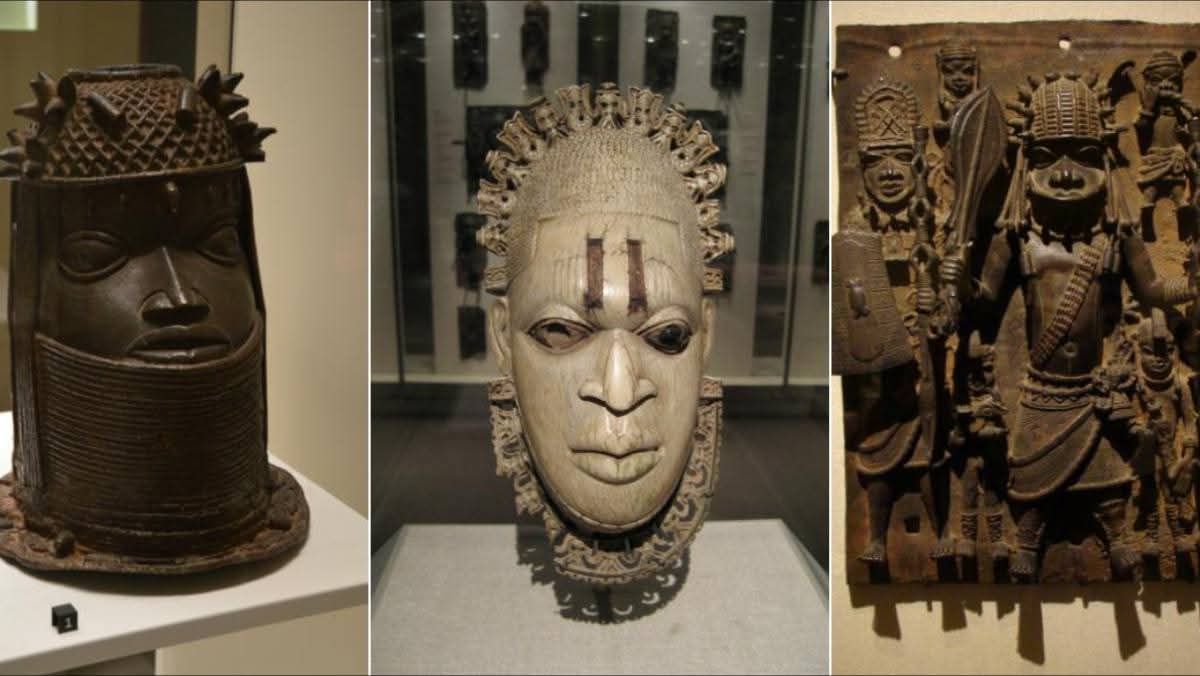
The Museum of Archaeology and Anthropology (MAA) at the University of Cambridge officially transferred legal ownership of the artefacts to Nigeria’s National Commission for Museums and Monuments (NCMM). The NCMM operates under a management agreement with the Benin Royal Palace, ensuring the objects are returned to their cultural custodians.
The process began with a formal request from the NCMM in January 2022, seeking the repatriation of items taken by British forces during the so-called ‘Punitive Expedition’ of February 1897. Cambridge University’s Council reviewed the claim, ultimately supporting the request. Approval from the UK Charity Commission was granted, enabling the university to proceed with the transfer.
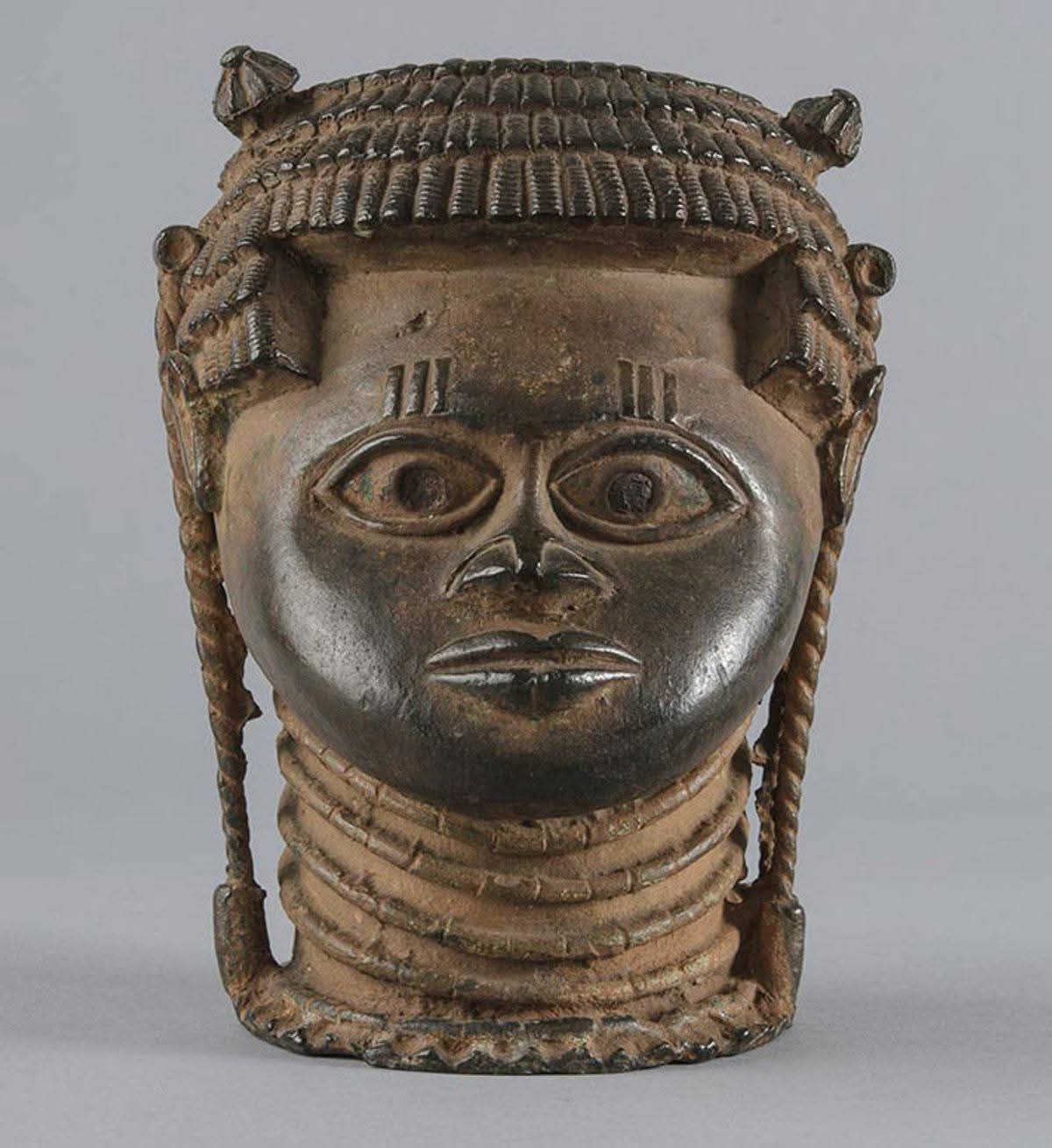
While the majority of the artefacts will be physically returned in the coming months, seventeen pieces will remain on loan at the MAA for an initial period of three years. This arrangement allows continued access for researchers, students, and museum visitors, reflecting a commitment to both repatriation and ongoing study.
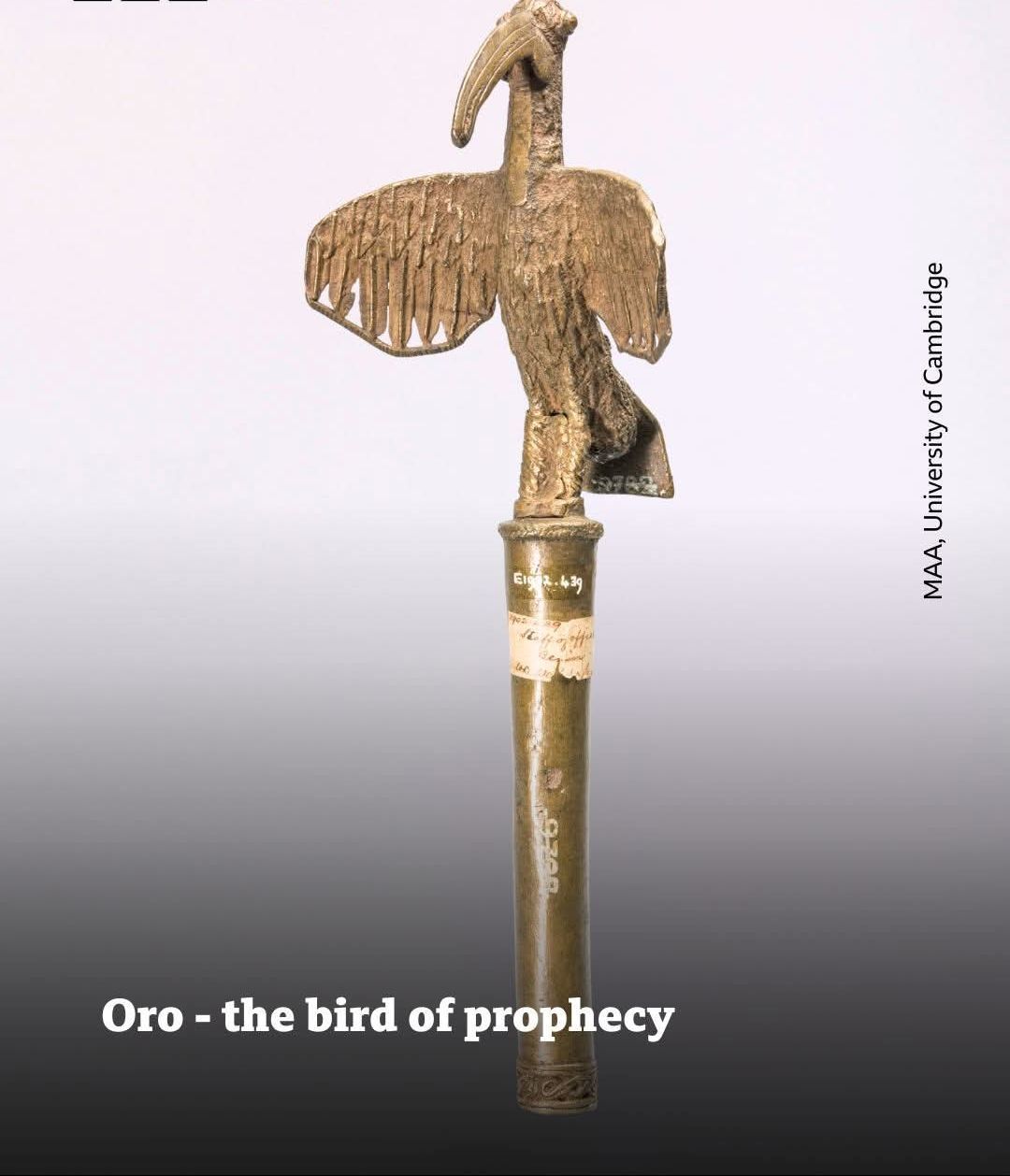
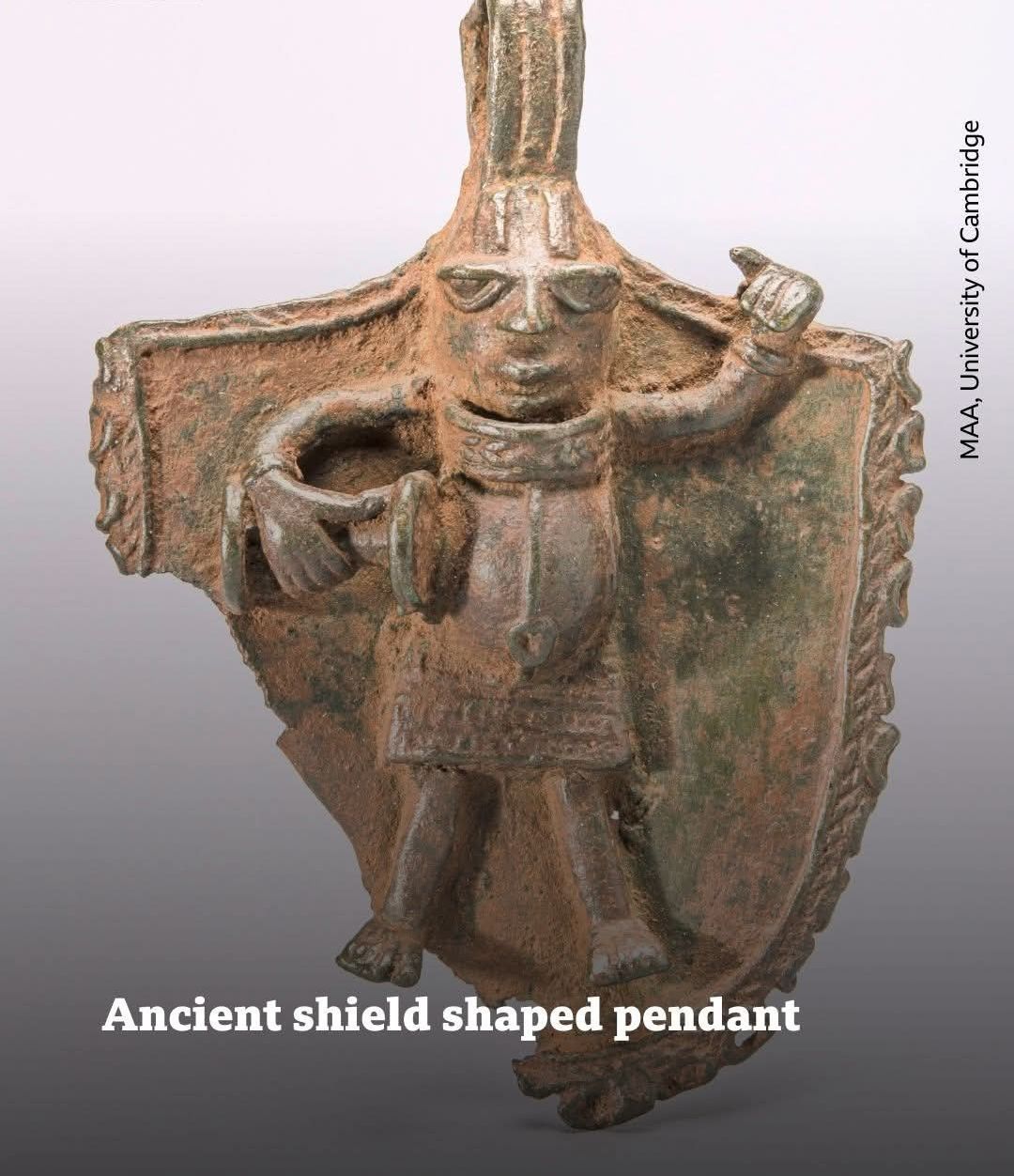
The 116 artefacts encompass brass, ivory, and wooden sculptures. They were removed during a violent military campaign triggered by trade disputes, an episode that left deep scars on Benin City and its people. These objects are not merely decorative; they embody centuries of royal tradition, religious practice, and artistic mastery, representing a material connection to a culture disrupted by colonial violence.
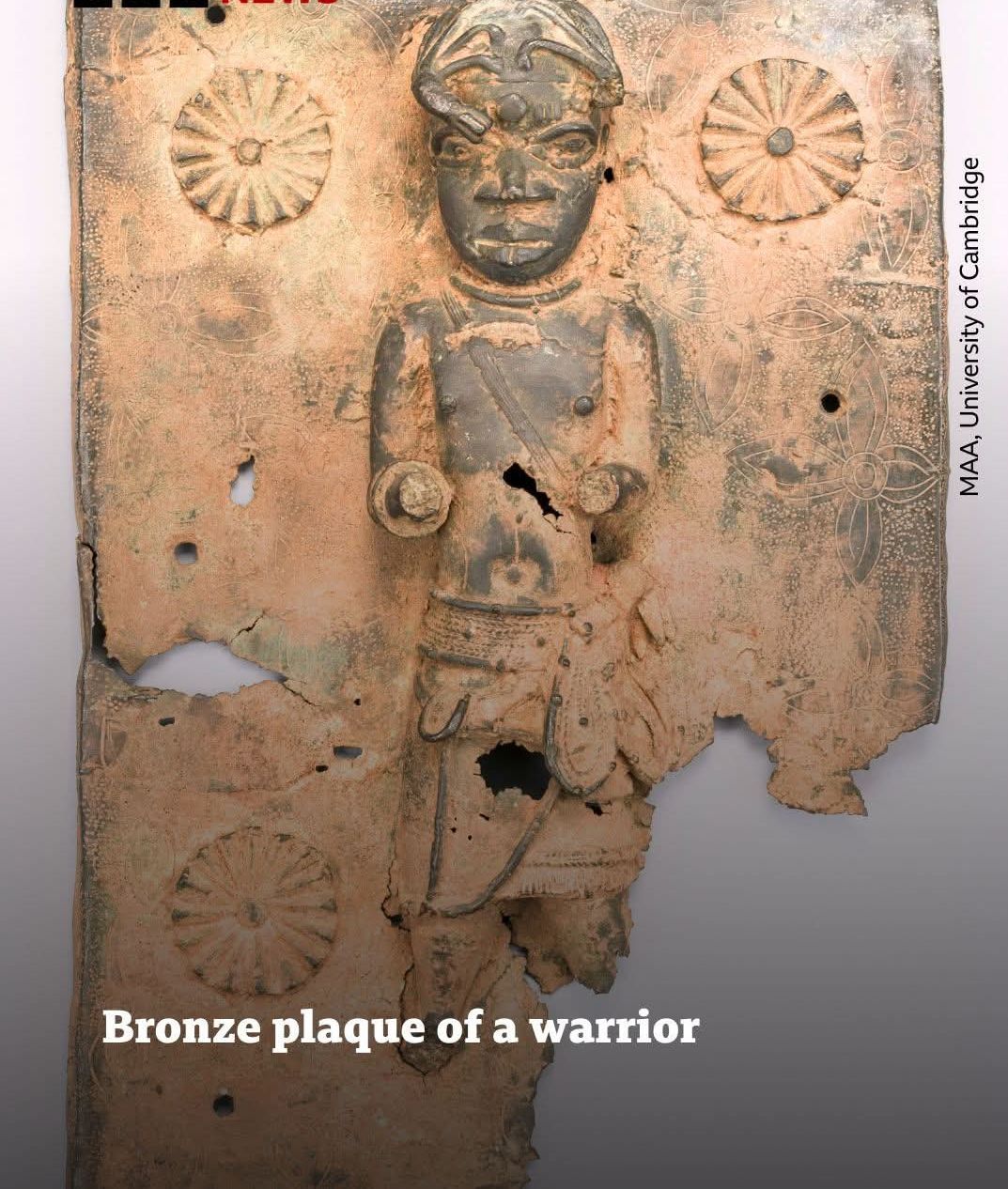
The MAA is one of several UK museums with significant holdings from Benin, and it has engaged in long-term research and partnerships with Nigerian stakeholders. These collaborations have included dialogues with the Royal Court of Benin, Nigerian scholars, artists, and students, aiming to understand and contextualize the artefacts while planning for their eventual return.
Since 2018, curators from the MAA have made study visits to Benin City, meeting the Oba, court officials, and government leaders to foster mutual understanding. Earlier initiatives included hosting the Benin Dialogue Group in 2017 and welcoming NCMM and Royal Court representatives to Cambridge in 2021.
Professor Nicholas Thomas, Director of the Museum of Archaeology and Anthropology, emphasized the significance of these exchanges:
“It has been immensely rewarding to engage with colleagues from the National Commission of Museums and Monuments, members of the Royal Court, and Nigerian scholars, students, and artists over the last ten years. Support has grown nationally and internationally for the repatriation of artefacts appropriated in the context of colonial violence. This return has been keenly supported across the University community.”
Olugbile Holloway, Director-General of Nigeria’s NCMM, framed the repatriation as both symbolic and practical:
“This development marks a pivotal point in our dialogue with the Museum of Archaeology and Anthropology at the University of Cambridge. The return of cultural items is not just the restoration of physical objects, but also the recovery of pride and dignity lost when these objects were taken. We hope this initiative encourages other institutions to follow suit.”
Holloway also thanked Hannatu Musawa, Nigeria’s Minister of Art, Culture, Tourism and the Creative Economy, for her support, and expressed anticipation for the artefacts’ return to Benin City.
The Cambridge return aligns with a growing international movement for the restitution of cultural heritage. Across Europe and the United States, museums are reassessing holdings acquired during colonial periods, balancing preservation with ethical responsibility. The Benin artefacts case exemplifies how careful dialogue, research, and collaboration can restore historical justice without compromising scholarship or public access.
For Nigeria, the return is both a triumph and a reminder of the enduring impact of colonialism. It signals a renewed global recognition of the importance of cultural ownership, and the tangible benefits of cooperative stewardship between museums and source communities.