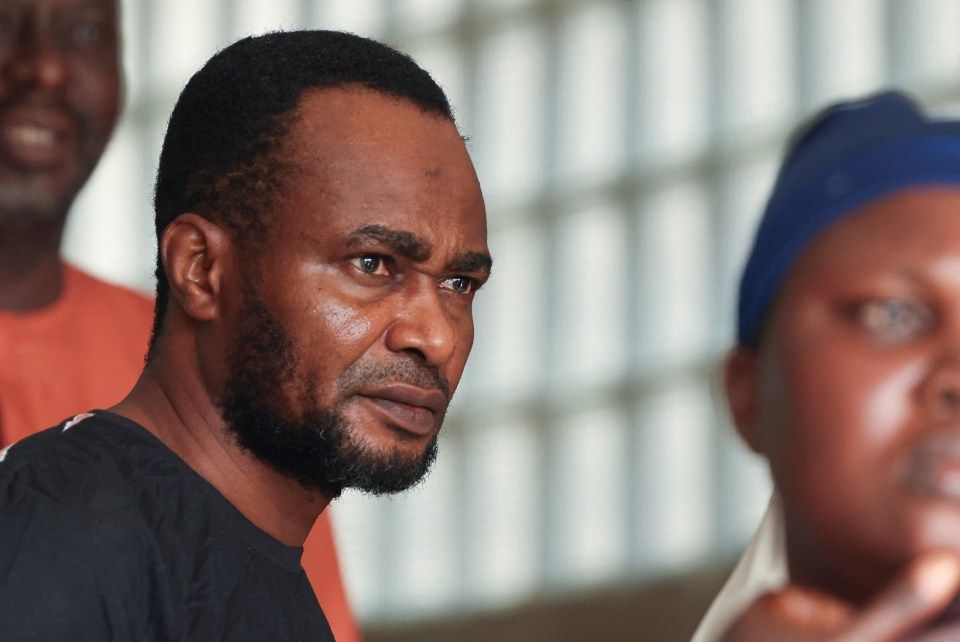
The Anthony Joshua crash that claimed the lives of two of his closest friends has taken a new turn in the legal system. Adeniyi Mobolaji Kayode, the 46-year-old driver involved, appeared at Sagamu Magistrates Court in Ogun State near Lagos on Wednesday, with his case adjourned to March 13 as prosecutors continue compiling evidence.

The tragedy unfolded on December 29 when Joshua’s personal trainer, Latif Ayodele, and his strength coach, Sina Ghami, were killed after their vehicle collided with a stationary lorry. Joshua, 36, narrowly survived, sustaining injuries that required immediate hospital treatment but allowed for a miraculous recovery by New Year’s Eve.
Kayode, a father of three, faces multiple charges, including causing death by dangerous driving, reckless and negligent driving, driving without due care, and operating a vehicle without a valid license. Life imprisonment remains a potential outcome should he be convicted. During his initial court appearance on January 20, Kayode had not yet entered a plea.
Prosecutors emphasized the need for additional time to gather evidence before the case can proceed. Legal observers note that the range of charges, combined with the high-profile nature of the victims, makes this a case likely to draw sustained media and public attention in Nigeria and beyond.
For Joshua, the crash was a personal catastrophe as well as a public story. In the aftermath, he paid tribute to Ayodele and Ghami, describing them as “very important players” in both his personal and professional life. Speaking shortly after the tragedy, he said: “My goal is to help their families and to help them achieve their goals, even though they may not be here in the physical. I will be saying my prayers, and I’m going to help them fulfil their dreams for their families. There is a whole system that will be helping fulfil their legacy, fulfil their dreams.”
Joshua has also memorialized his friends permanently with tattoos of their names on his right arm, a gesture signaling both grief and enduring respect. Analysts suggest this reflects a broader cultural dimension in Nigeria where public figures often intertwine personal loss with visible acts of remembrance.
The Anthony Joshua crash and the ongoing legal proceedings highlight several pressing issues in Nigerian road safety. Stationary vehicles on major highways remain a frequent hazard, while enforcement of licensing and driver safety laws has long been inconsistent. Cases such as this may place additional pressure on authorities to tighten regulations and prevent similar tragedies.
For Joshua, the incident is more than a headline. It is a defining moment, shaping both his public persona and his private commitments. As legal proceedings unfold, the wider world watches how justice will balance with remembrance, and how a sports figure grapples with the loss of those who helped shape his career.