Chelsea and West Ham fined £625k over players misconduct is more than a disciplinary footnote. It is a reminder of how quickly Premier League tension can spill beyond football and into sanctionable territory.
In a ruling confirmed by The Football Association, Chelsea F.C. were fined £325,000 and West Ham United F.C. were ordered to pay £300,000 following a mass confrontation during their January meeting at Stamford Bridge. Both clubs admitted the charges.
This was not a routine booking incident inflated by headlines. It was a late match flashpoint that forced the league, officials, and the FA to confront the broader question of collective responsibility.
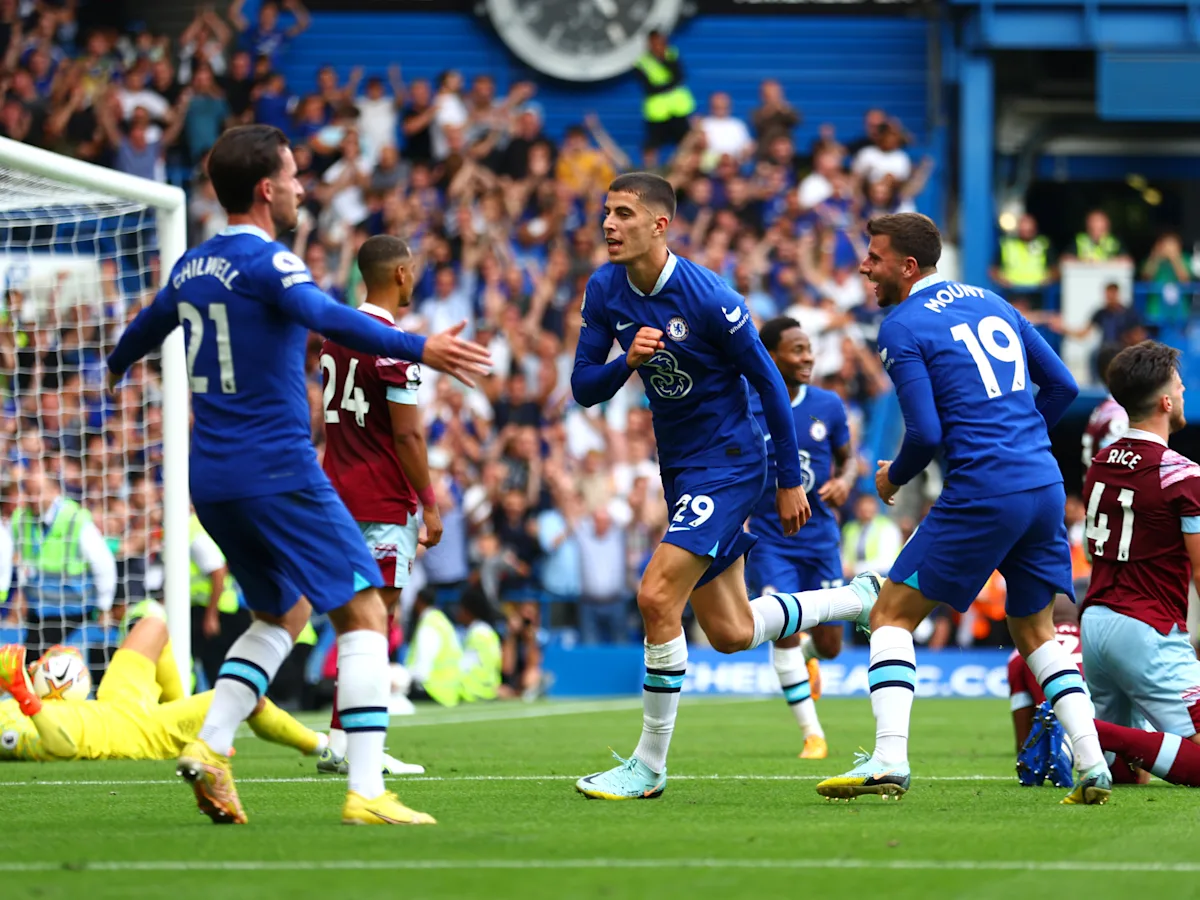
The altercation erupted deep into stoppage time. Chelsea forward Joao Pedro reacted angrily after what he perceived as an aggressive shove by West Ham winger Adama Traore on defender Marc Cucurella.
Within seconds, players from both sides converged. Shoving escalated. Tempers rose. Referee Anthony Taylor halted proceedings as technical staff and teammates attempted to restore order.
A lengthy VAR review followed. After examining the footage, West Ham defender Jean-Clair Todibo was shown a straight red card for grabbing Joao Pedro by the neck.
The scene was chaotic but familiar to anyone who follows high stakes Premier League fixtures. Rivalries intensify in the final minutes. Fatigue lowers restraint. Yet the FA’s ruling made clear that emotional context does not dilute regulatory standards.
Both clubs were charged under FA Rule E20.1, a provision that prohibits behaviour deemed improper, offensive, violent, threatening, abusive, indecent, insulting, or provocative.
Chelsea were cited for failing to ensure their players did not behave in an improper or provocative manner around the 95th minute.
West Ham faced a parallel charge, accused of failing to prevent players from acting in an improper, provocative, or violent manner during the same incident.
An independent regulatory commission reviewed the case, including each club’s previous breaches of the same rule. That history influenced the financial penalties imposed.
The fines, totalling £625,000, reflect not just the incident itself but an institutional expectation. Clubs are responsible for maintaining order among their players. Emotional heat is not a defence.
Why Chelsea and West Ham Fined £625k Over Players Misconduct Matters
Chelsea and West Ham Fined £625k Over Players Misconduct Signals Institutional Accountability
The Premier League markets intensity. Broadcasters package confrontation as part of the spectacle. Yet the FA operates under a separate logic. Its concern is not drama but discipline.
When the FA fines clubs rather than only individuals, it reinforces a principle that responsibility is collective. Managers, captains, and senior players are expected to defuse flashpoints, not inflame them. Failure to do so carries financial consequence.
In recent seasons, the FA has increased scrutiny on technical area conduct and mass confrontations. The governing body is acutely aware that televised chaos shapes public perception. Youth football mirrors what it sees at the top level. Sponsors monitor reputational risk.
This is not merely about decorum. It is about authority.
The regulatory commission considered prior Rule E20.1 breaches when determining the sanctions. That detail is critical.
Football governance operates on precedent. Repeat offences suggest structural problems in player management and emotional control. The more frequent the breach, the steeper the response.
For Chelsea and West Ham, the financial impact is manageable relative to Premier League revenues. For the FA, however, proportional punishment maintains deterrence.
The alternative would signal tolerance.
Anthony Taylor’s management of the incident also underscores the delicate balance referees face. Modern officiating operates under microscopic scrutiny. VAR reviews extend stoppages and amplify tension.
By issuing a straight red card to Todibo after review, the officiating team delivered a decisive conclusion. Yet discipline does not end with the final whistle. That authority shifts to the FA.
The division between in game sanction and post match accountability has become sharper in the VAR era. On pitch punishment addresses the moment. Regulatory fines address systemic control.
Mass confrontations have become more frequent in high intensity fixtures. Tactical fouls, time wasting accusations, and late match drama create combustible environments.
The FA’s decision in this case fits a broader pattern of escalating financial penalties for collective misconduct. The message is consistent. Clubs must police their own.
Managers often speak about passion and fight. The FA draws a line where passion tips into provocation.
Chelsea and West Ham fined £625k over players misconduct will fade from weekly news cycles. The match result will be archived. The fines will be paid.
What remains is the precedent.
Premier League clubs operate in a commercial ecosystem where brand discipline matters as much as tactical discipline. Every confrontation is replayed globally within minutes. Regulatory response now travels just as fast.
The FA’s ruling reinforces a simple principle. Control is part of professionalism. And when control breaks down, accountability extends beyond the individual to the institution itself.
In modern English football, that accountability has a price.