Summer Events in Finland are not background entertainment. They shape the national mood. From late May through August, the country shifts outward. Offices thin out. Trains heading north fill up. City parks become stages. Lakesides glow well past midnight. If you live here long enough, you stop asking what is happening this weekend and start deciding what is worth your time.
2026 will not reinvent the Finnish summer. It will refine it. Many of the country’s most established festivals are entering mature phases, balancing commercial pressure with artistic credibility. Others remain defiantly local. The question is not what exists. The question is what still feels essential.
Below is a considered look at the Summer Events in Finland that genuinely merit attention in 2026, and why.
Helsinki Festival
Every August, the capital hosts the largest multi-arts festival in the Nordic region. It is easy to dismiss scale. That would be a mistake.
The Helsinki Festival has spent the past decade recalibrating its programming. It now pairs international orchestras and contemporary dance companies with site-specific installations and free city concerts. The Night of the Arts remains its democratic backbone, when museums, courtyards, and side streets open without hierarchy.
View this post on Instagram
For 2026, the interesting question is not who headlines. It is how the festival continues navigating public funding pressures while maintaining artistic ambition. Attendance has remained strong, but audience expectations have evolved. Younger visitors demand accessibility without simplification. The Festival’s success will depend on whether it continues integrating emerging Nordic creators alongside established global names.
If you are based in Helsinki, this is not optional. It is the cultural barometer of late summer.
Savonlinna Opera Festival
Opera inside a medieval castle should feel theatrical. In Savonlinna, it feels inevitable.
The Savonlinna Opera Festival takes place inside Olavinlinna, a 15th century fortress rising directly from Lake Saimaa. The acoustics are surprisingly clean. The atmosphere is not romanticized. It is precise, disciplined, and often sold out.
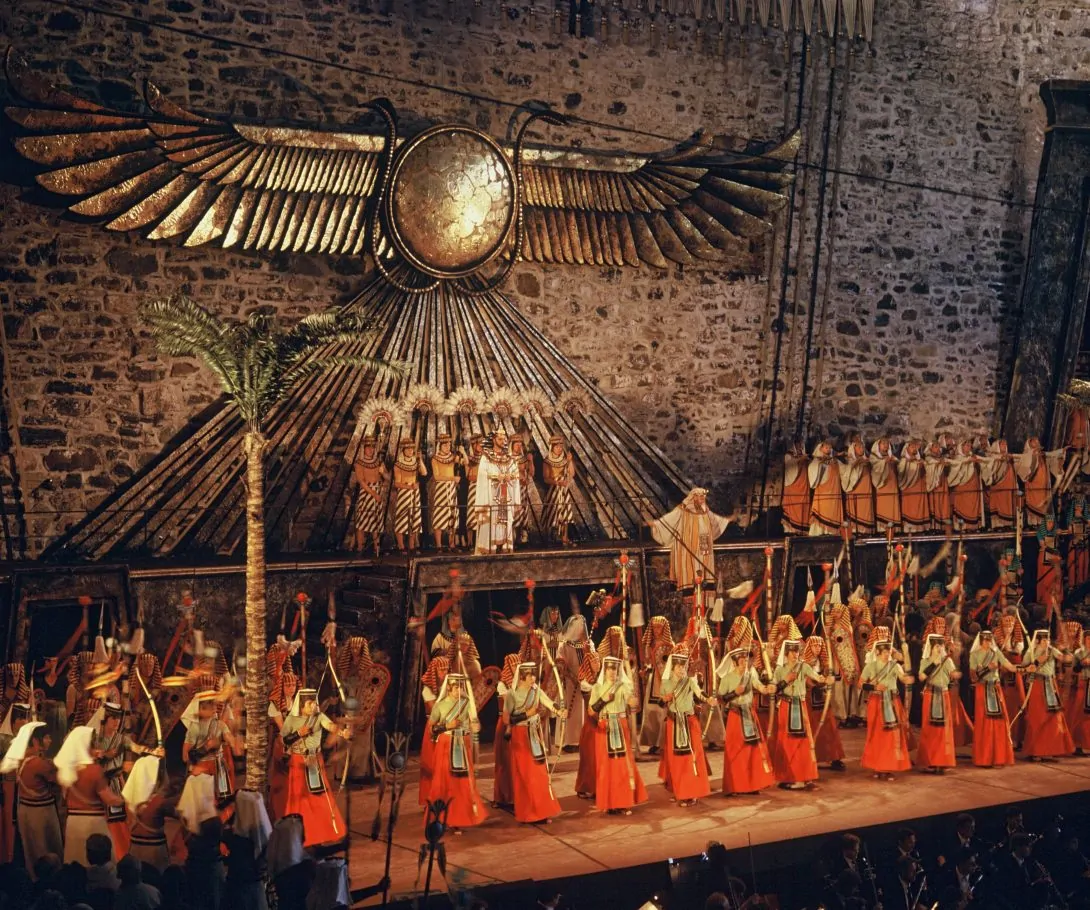
In recent seasons, the festival has balanced canonical productions with new Nordic interpretations. That tension will likely define 2026. Finnish audiences are knowledgeable. They expect rigor. International visitors often arrive for spectacle and leave with a deeper understanding of how seriously Finland treats high culture outside its capital.
Tickets are expensive. Travel to eastern Finland requires planning. Yet among all Summer Events in Finland, this one offers the strongest sense of continuity. It has survived economic downturns, shifting cultural tastes, and pandemic interruption. That resilience matters.
Pori Jazz Festival
Founded in 1966, Pori Jazz Festival is older than many of its current attendees. It has hosted global legends without losing its coastal informality.
Kirjurinluoto park becomes the epicenter each July. The programming stretches beyond strict jazz into soul, funk, and crossover acts. Critics sometimes question that expansion. Financially, it has been pragmatic.
View this post on Instagram
In 2026, Pori Jazz remains worth attending for one reason. It understands audience layering. You can spend the afternoon at a free riverside concert and the evening at a ticketed headline show without feeling manipulated. The city integrates the festival into daily life rather than building a temporary spectacle detached from residents.
Among Summer Events in Finland, Pori Jazz is one of the few that balances heritage and evolution without defensive nostalgia.
Ruisrock
Held on Ruissalo island in Turku, Ruisrock is one of Europe’s oldest rock festivals. It is also one of Finland’s most commercially successful.
By 2026, it will continue drawing large international acts alongside Nordic chart leaders. Ticket prices reflect that ambition. So does crowd size.
View this post on Instagram
Is it worth it? That depends on tolerance for scale. Ruisrock offers a highly organized, visually polished experience. It is efficient. It rarely surprises. If your aim is to experience how Finland participates in global festival culture, this is the clearest example. If you prefer intimacy, you will likely look elsewhere.
Still, Ruisrock’s endurance reveals something about Summer Events in Finland. The country supports both avant garde art and stadium scale music without apology.
Kaustinen Folk Music Festival
In central Ostrobothnia, Kaustinen does not compete for international headlines. It does not need to.
The Kaustinen Folk Music Festival centers on pelimanni traditions, fiddlers, and intergenerational performance. UNESCO recognition of Kaustinen fiddle music has strengthened its profile, but the core remains local.
View this post on Instagram
What makes it compelling in 2026 is authenticity without isolation. Younger musicians experiment with electronic layering and cross Nordic collaboration. Elder performers maintain strict traditional forms. Both coexist without cultural anxiety.
For anyone serious about understanding the depth of Summer Events in Finland beyond capital cities, Kaustinen offers rare clarity.
Midnight Sun Film Festival
In Sodankyla, north of the Arctic Circle, films screen at midnight under natural daylight. The Midnight Sun Film Festival has built its reputation on conversation rather than red carpets.
Directors, critics, and audiences eat in the same cafes. Discussions run long. The programming favors cinematic history and auteur retrospectives over commercial premieres.
View this post on Instagram
Travel logistics are demanding. Accommodation books early. Yet this is one of the most intellectually rigorous Summer Events in Finland. The environment shapes perception. Watching cinema without darkness shifts attention. It becomes reflective rather than immersive.
For 2026, expect continued emphasis on curated dialogue. This festival resists spectacle. That restraint is its strength.
Flow Festival
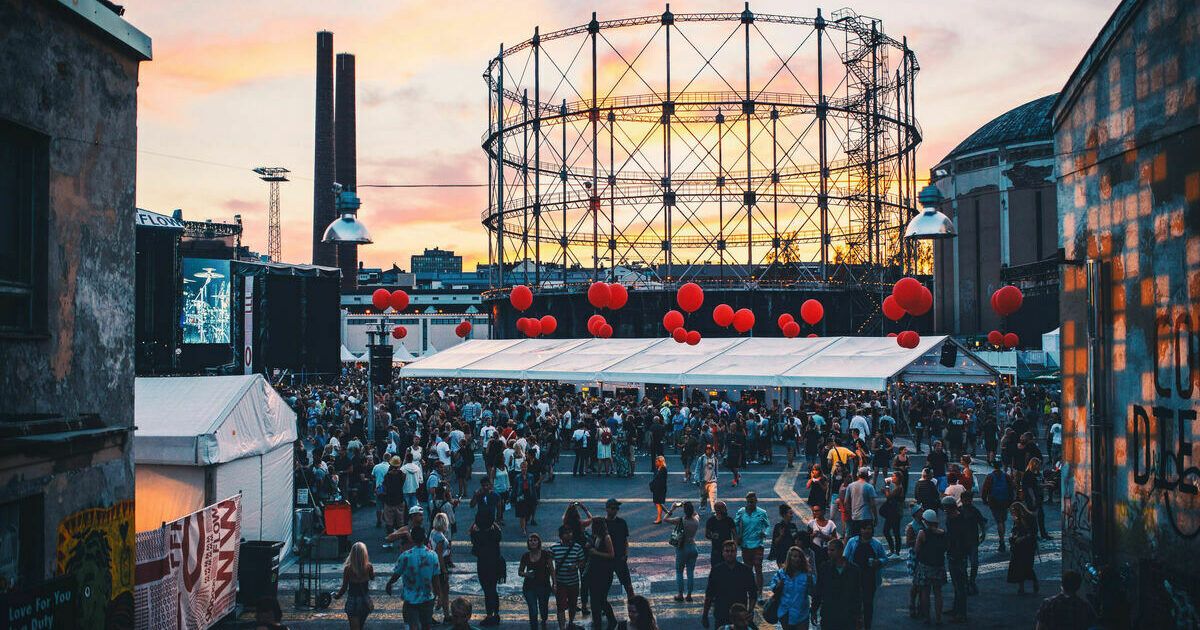
Flow Festival transformed a former power plant area in Helsinki into one of Europe’s most aesthetically controlled urban festivals. It merges electronic music, indie acts, contemporary art, and high quality food curation.
The branding is meticulous. So is the audience.
In 2026, Flow remains significant because it reflects Helsinki’s evolving identity. It attracts international visitors who might otherwise bypass Finland. It positions the city as culturally literate and environmentally conscious, though those claims deserve scrutiny.
View this post on Instagram
If you want to observe how Summer Events in Finland engage with global creative economies, Flow is the clearest case study.
Finland is often described through winter. That is incomplete.
Summer events redistribute cultural power. Savonlinna draws opera audiences away from the capital. Sodankyla becomes a cinematic center. Small municipalities like Kaustinen gain national visibility. Even commercially dominant festivals generate regional employment, transport demand, and short term housing markets.
Statistics from previous seasons show domestic tourism peaks aligning with major festival weekends. Train occupancy rates between Helsinki and Turku or eastern Finland rise sharply during event periods. Hotels in Lapland report significant summer growth tied to cultural programming rather than winter sports.
The implication for 2026 is practical. Attending Summer Events in Finland is not only about entertainment. It is participation in a seasonal economic and cultural shift that temporarily decentralizes the country.
What Is Actually Worth Your Time
Not every event deserves a weekend flight or train journey. Choose with intention.
If you value artistic discipline and acoustic excellence, Savonlinna is unmatched.
If you want intergenerational cultural continuity, Kaustinen offers substance rarely found in urban festivals.
If you are analyzing how Helsinki positions itself internationally, Flow and the Helsinki Festival provide material evidence.
If scale and social atmosphere are your priority, Ruisrock and Pori Jazz deliver without pretense.
The mistake is assuming one experience represents the whole. Summer Events in Finland are plural by design. They reflect regional identities, funding models, and audience expectations that vary widely across a country of just over five million people.
Finland does not exaggerate its summers. It simply uses them well. By the time August fades and evenings darken, the country feels briefly synchronized. Not unified, but aligned.
That alignment is fragile and temporary. It is also the reason these events remain worth attending in 2026.