Airport Lounge Worth It or Not is a question I hear most often from people who already know the answer for themselves but do not trust it. They have stood outside the frosted glass doors. They have glanced at the buffet trays. They have calculated the day pass fee against the price of a sandwich and a beer in the terminal. And still, the doubt lingers.
I have spent enough hours in airports to know that the answer shifts depending on the airport, the ticket, the time of day, and the traveler. There is no universal verdict. There is only context.
The Economics Behind the Glass Door
A typical walk up lounge pass at a major European hub costs between 30 and 60 euros. In the United States, it often ranges from 50 to 75 dollars. Annual memberships can exceed 400 dollars. Premium credit cards bundle lounge access into annual fees that stretch well past 600 dollars. On paper, it is a simple calculation. If you eat and drink enough to offset the entry price, the lounge is “worth it.”
But airports distort normal spending logic.
At a place like Heathrow Airport or John F. Kennedy International Airport, a basic meal with a drink can easily reach 35 dollars or more. Add a second coffee, a glass of wine, reliable WiFi, and a power outlet that is not shared between three strangers, and the math tightens. In that context, a 50 dollar lounge entry begins to look less indulgent and more like price consolidation.
Yet the arithmetic alone is misleading. Most travelers do not consume 50 dollars worth of food in two hours. What they are buying is insulation.
The Value of Controlled Space
Airports are designed for throughput. Lounges are designed for containment.
In 2024, global passenger traffic surpassed pre 2019 levels, according to data from Airports Council International. That recovery has not been evenly distributed. Peak travel periods now feel compressed, crowded, and loud. Security lines spill into walkways. Gate areas fill long before boarding begins.
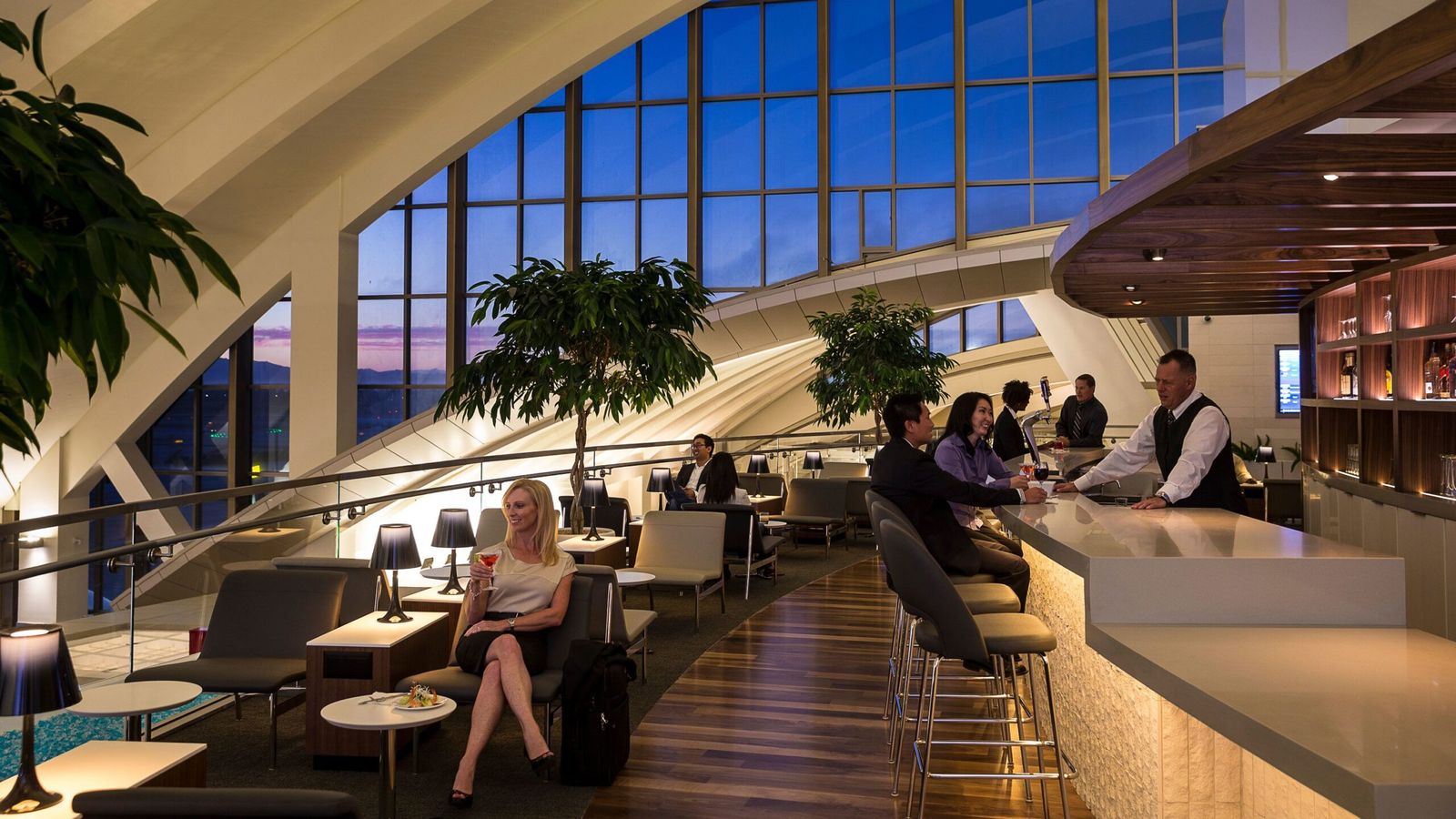
Inside a lounge, the density changes. The lighting softens. Seating is spaced with intent. There is an implied code of conduct that most people respect. Phone calls are shorter. Conversations are quieter. Even when a lounge is busy, it rarely mirrors the noise profile of the main concourse.
For frequent travelers, this shift is not cosmetic. It preserves energy. Long haul trips, particularly those involving connections through hubs like Hamad International Airport or Changi Airport, are marathons. A predictable, quieter space between flights can alter how the second leg feels physically.
The worth, in that case, is physiological rather than culinary.
When Status Changes the Equation
The conversation around Airport Lounge Worth It or Not becomes more complex when access is tied to status or cabin class.
Business and first class tickets on major carriers often include lounge access by default. Elite frequent flyer tiers grant entry even on economy tickets. In these cases, the lounge is not an additional purchase. It is part of a broader loyalty ecosystem.
Airlines do not offer this lightly. Lounges are retention tools. They create habit. Once a traveler becomes accustomed to entering through a separate door, bypassing terminal chaos, and boarding from a calmer state, reverting to the public concourse feels like a downgrade.
This is not accidental design. It is behavioral economics applied to travel.
However, there is an important distinction between flagship lounges and contract lounges. A flagship space operated directly by a carrier in its home hub often reflects brand identity and investment. A contract lounge serving multiple airlines may feel generic, crowded, and under resourced. Paying 60 dollars for the latter can feel like a mistake.
The Myth of Unlimited Luxury
Social media has inflated expectations. Champagne on ice. Made to order dining. Private nap pods. These experiences exist, but they are not standard.
At many mid tier lounges in Europe and North America, the offering is practical: soups, salads, a hot dish, basic spirits, house wine, coffee machines, packaged snacks. Clean bathrooms. Decent WiFi. That is the core product.
There are exceptions. Certain premium spaces in hubs such as Dubai International Airport invest heavily in design and scale. Some Asian carriers treat lounges as extensions of national hospitality culture. But the average lounge worldwide is neither opulent nor disappointing. It is functional.
Understanding this resets the Airport Lounge Worth It or Not debate. If someone expects a five star hotel experience, they will likely feel underwhelmed. If they expect a controlled environment with food, seating, and time to think, the experience aligns more closely with reality.
Overcrowding and Diminishing Returns
There is a structural tension in the lounge model. As more premium credit cards include access and more travelers chase status, lounges become busier. In some US airports during peak summer months, lines form to enter the lounge itself. At that point, the premise collapses.
Airlines have responded by tightening guest policies, raising membership fees, and limiting access during peak hours. This is not about exclusivity for its own sake. It is capacity management.
If a lounge is full, noisy, and short on seating, it loses the very attribute that justifies its existence. In those moments, the public terminal with a good pair of noise canceling headphones may serve just as well.
The answer depends less on income and more on travel pattern.
For the occasional leisure traveler with a two hour wait at a quiet regional airport, the lounge is often unnecessary. That money could fund a better meal in the city at destination.
For the consultant who flies twice a week, it can function as an auxiliary office. Reliable WiFi, stable seating, and predictable refreshments reduce friction. Over a year, the cumulative benefit is measurable in productivity and reduced stress.
For long haul economy passengers facing eight hour layovers, especially overnight, a lounge can provide showers and safe rest space that materially change the journey. In that scenario, the fee can feel modest.
There is also a psychological dimension. Travel is exhausting in subtle ways. Decision fatigue builds. Noise accumulates. The lounge offers fewer choices. Sit. Eat. Charge devices. Wait. That simplicity has value.
Credit Cards and the Illusion of Free Access
Premium credit cards often market lounge access as a headline perk. The annual fees can exceed 600 dollars. Cardholders sometimes describe lounge visits as “free” because there is no charge at the door.
This framing is inaccurate.
The cost is embedded in the annual fee. The real question is whether the traveler extracts enough value from the broader card benefits to justify that fee. If lounge visits are infrequent, the effective cost per visit can be surprisingly high.
In my experience, travelers who maximize lounge access tend to travel at least six to eight times per year. Below that threshold, paying per visit can make more financial sense.
The Intangible Return
Airport Lounge Worth It or Not ultimately rests on what kind of traveler you are.
Some people are comfortable in noise. They can work from a crowded gate, eat quickly, and board without friction. For them, the lounge offers marginal gain.
Others feel their energy drain in crowded terminals. They arrive at destinations already depleted. For this group, the lounge is less about comfort and more about preservation. The return is not visible on a receipt, but it is evident in how they step off the plane.
I have exited lounges feeling composed before overnight flights that would otherwise begin in chaos. I have also walked out of overcrowded lounges wondering why I paid for the privilege of standing in another queue.
Both experiences are true.
The debate is not about luxury versus frugality. It is about friction versus control. If the lounge meaningfully reduces friction in your specific travel pattern, it is worth it. If it does not, the glass door is simply another optional expense in an industry already full of them.