Why Some Destinations Feel Overrated is not a question I ask lightly. I have built a career on crossing borders, revisiting cities after the hype cycle fades, and watching places I once loved become backdrops for someone else’s curated moment. When seasoned travelers start whispering that a city “is not what it used to be,” they are rarely talking about nostalgia alone. They are responding to structural changes in how tourism works.
The word overrated is often thrown around carelessly. Yet behind it sits something measurable: pricing distortion, expectation inflation, infrastructure strain, and cultural dilution. The feeling is real, even if the label is imprecise.
The modern traveler does not arrive at a destination neutral. They arrive preloaded.
Instagram geotags, TikTok itineraries, ranking lists, cinematic drone footage. Entire neighborhoods are reduced to three angles and a sunset filter. By the time a visitor steps into central Paris or Santorini’s caldera, the place has already been consumed visually dozens of times.
When expectations escalate beyond lived reality, disappointment becomes almost inevitable. The Eiffel Tower is extraordinary engineering. The issue is not the structure itself. It is the belief that standing beneath it will feel transformative. When a landmark is positioned as a life milestone rather than a monument, the gap between marketing and reality widens.
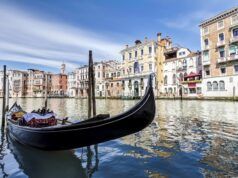
Cities like Venice receive over 20 million visitors annually despite having a resident population under 50,000 in the historic center. That imbalance changes the experience. Narrow alleys become corridors of congestion. Cafes convert to turnover machines. Authenticity does not disappear overnight, but it thins.
Overrated often means overwhelmed.
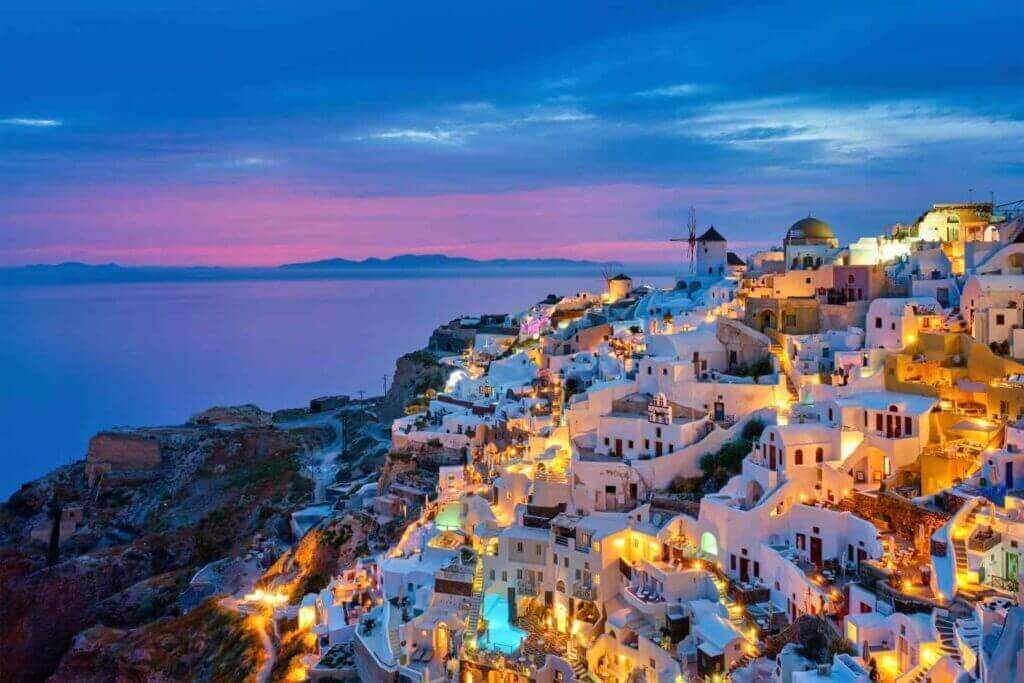
Destinations are rarely designed for the volume they eventually receive. Consider Santorini. In peak summer months, cruise ship arrivals can bring more than 10,000 passengers in a single day to an island with limited road capacity and water resources. The whitewashed cliffside villages remain photogenic. The experience navigating them can be exhausting.
In Barcelona, local authorities have capped short term rental licenses after years of tension around housing affordability. When apartments shift from residential use to tourist accommodation, neighborhoods transform. The visitor may still enjoy the tapas, but the lived city becomes harder to find.
Overrating a place sometimes reflects a mismatch between infrastructure and demand. The traveler senses friction everywhere: queues, price surges, noise, rushed service. None of it aligns with the romantic narrative they were sold.
Tourism once dispersed gradually through guidebooks and word of mouth. Now a single viral clip can redirect thousands of people to a previously quiet street in Kyoto or a tucked away beach in Albania.
The algorithm rewards spectacle and uniformity. As a result, travelers cluster around identical spots, recreating identical images. Restaurants adjust menus for visibility rather than depth. Hotel design leans toward photogenic minimalism.
The algorithm does not ask whether a place can absorb attention sustainably. It simply amplifies.
This contributes to why some destinations feel overrated. Not because they lack value, but because they are experienced in narrow, repetitive slices. The city becomes a highlight reel rather than a living organism.
Travelers tend to tolerate inconvenience if value feels fair. What shifts the mood is cost.
In 2010, a mid range hotel in central Reykjavik averaged far less than it does today. Following Iceland’s tourism boom after 2012, prices surged across accommodation, dining, and car rentals. Some of that reflects economic growth and currency fluctuation. Some reflects simple demand pressure.
When dinner costs double what it did five years prior, expectations double as well. A good meal must now be extraordinary. A scenic viewpoint must justify parking fees. The higher the price, the thinner the margin for disappointment.
Overrated often translates to overpriced relative to the experience delivered.
There is also a subtler layer.
In heavily visited cities, culture can become performative. Traditions are scheduled around visitor flows. Music is curated for ambiance. Crafts are reproduced for speed.
This is not inherently negative. Tourism sustains livelihoods. But it alters texture.
A flamenco show staged nightly for visitors in Seville is polished and impressive. Yet it may lack the intimacy of a local gathering. A temple visit in Bali can feel ceremonial yet transactional when surrounded by tour groups rotating through in 30 minute intervals.
The seasoned traveler senses when a place is presenting itself and when it is simply being itself. That distinction shapes the overrated label more than most people admit.
Some destinations feel overrated because they are mismatched to personal temperament.
Dubai dazzles with scale and precision. For travelers seeking organic street life and layered history, it can feel sterile. For others, it represents architectural ambition and efficiency.
Las Vegas overwhelms some visitors within hours. Others thrive in its theatrical excess.
Declaring a destination overrated sometimes reveals more about the traveler than the place. The problem is not the city. It is the assumption that universal appeal exists.
Frequent travelers notice another pattern. The more one travels, the harder it becomes to be impressed by first layer attractions.
The first medieval old town feels magical. The tenth invites comparison. Cobblestones blur. Cathedrals compete for attention.
When destinations are framed through superlatives such as “most beautiful,” “most romantic,” or “must see before you die,” they are set against an impossible benchmark. The experienced traveler arrives already comparing.
That comparative lens can erode enjoyment. It also raises the question of whether the overrated label is sometimes a symptom of overconsumption.
National tourism boards operate with clear narratives. Greece sells island serenity. Switzerland sells alpine precision. Japan sells harmony between tradition and modernity.
Narratives simplify. They must. But simplification can flatten complexity.
Arriving in Athens expecting uninterrupted classical grandeur ignores the modern sprawl and economic scars visible in many neighborhoods. Visiting Los Angeles expecting cinematic glamour overlooks traffic congestion and urban inequality.
When a destination’s marketed identity clashes with its layered reality, disappointment follows. The place has not failed. The narrative has.
Why Some Destinations Feel Overrated in the current era is inseparable from scale. International tourist arrivals surpassed 1.4 billion annually before the pandemic. Even with temporary declines, global mobility continues to expand.
More flights. More access. More visibility.
Mass travel is not inherently destructive. It democratizes movement. But it compresses experience. What once required effort now requires booking speed.
A beach that felt remote twenty years ago might now sit beneath a line of drones. A mountain trail once navigated by locals can become an entry level Instagram trek.
As volume increases, intimacy decreases. Some travelers interpret that shift as decline.
The more useful question is not whether a destination is overrated, but whether it is misunderstood.
Timing matters. Visiting Venice in January produces a different emotional response than arriving in August. Moving beyond the historic core of Barcelona reveals a layered, lived city. Spending time in secondary neighborhoods often restores balance.
It also requires examining our own expectations. Are we arriving to confirm a narrative or to observe?
Destinations do not become overrated in isolation. They become overexposed, overpromoted, and overcompressed. The label is less a verdict on the place than a commentary on how we consume it.
Travel has always involved projection. We project longing, escape, status, curiosity. When reality fails to align with projection, we call the destination overrated.
A more disciplined traveler asks different questions. What structural pressures is this place facing. How has tourism reshaped it. Where does authenticity still reside. What am I actually seeking here.
Those questions do not eliminate disappointment. They refine it.
Overrated is rarely about beauty. It is about context. It is about scale. It is about expectation. And increasingly, it is about the systems that move us faster than we are prepared to interpret.
The destinations themselves remain complex, layered, and alive. The challenge lies in how we approach them.