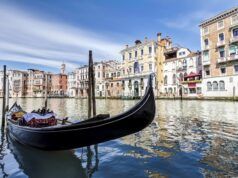
The 12 Most Underrated Cities in Europe are not hidden. They are simply overlooked. They sit just beyond the gravitational pull of Paris, Rome, Barcelona, and Amsterdam. They have airports, universities, working ports, serious art scenes, complicated histories, and in many cases better infrastructure than the cities that dominate travel feeds.
Yet they rarely headline itineraries. Flights connect through them. Trains pass by them. Travelers promise to return and often do not.
Over the past decade, I have made a point of spending time in secondary European cities, sometimes for weeks at a stretch. What becomes clear quickly is that the phrase “underrated” is not about obscurity. It is about misalignment between perception and reality. These are places with depth, economic relevance, architectural weight, and cultural energy that far exceed their tourist profile.
Below are 12 cities that deserve more serious attention.
1. Aarhus, Denmark
Copenhagen absorbs most international attention in Denmark. Aarhus quietly functions as the country’s intellectual counterweight.
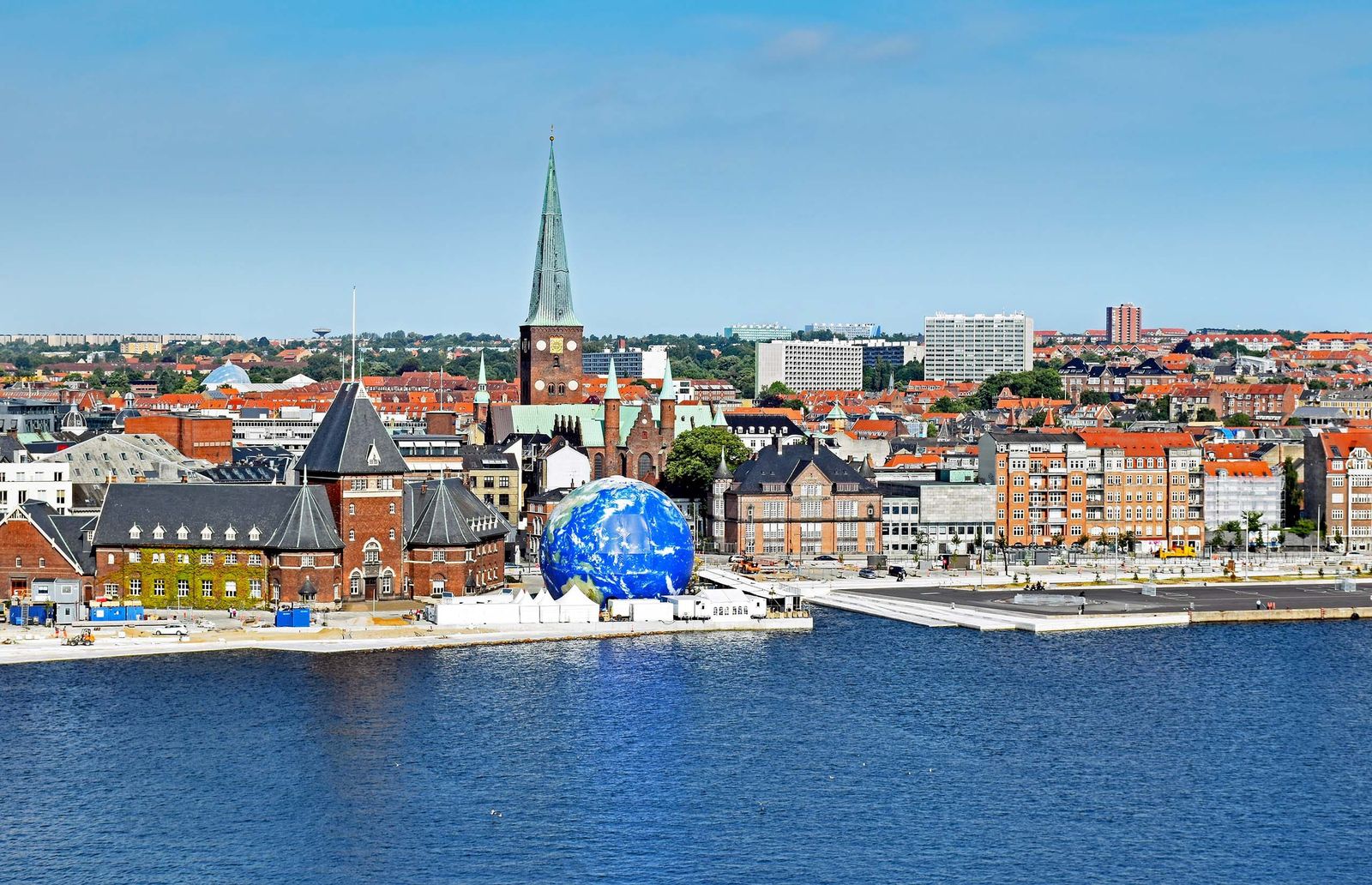
Home to Aarhus University, one of Scandinavia’s strongest research institutions, the city carries a youthful confidence. The waterfront redevelopment has transformed former industrial zones into housing, design studios, and cultural venues. The ARoS Art Museum, with its circular rooftop panorama, is not a novelty attraction but a serious contemporary art institution.
Denmark consistently ranks high on quality of life indices. In Aarhus, that ranking feels tangible rather than abstract. Public transport works. Urban planning is human scale. Cycling infrastructure is seamless. The restaurants lean local without trying to imitate Copenhagen’s culinary theatrics.
Aarhus is not a weekend spectacle. It rewards slower observation.
2. Trieste, Italy
Italy’s northeast often functions as a corridor to Venice or Slovenia. Trieste is treated as a detour.
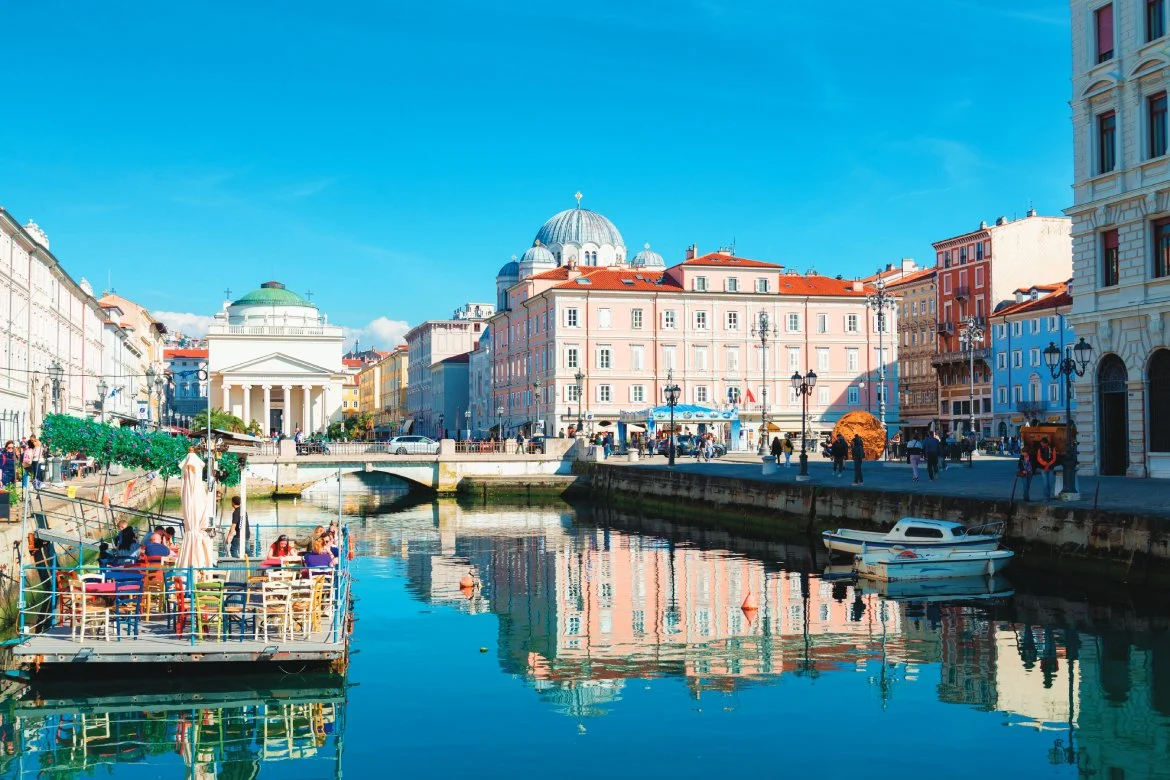
Historically a major port of the Austro Hungarian Empire, Trieste still carries Central European architecture, coffee house culture, and a literary pedigree tied to James Joyce. The city’s grand Piazza Unita d Italia faces the Adriatic with an openness that feels deliberate and confident.
Trieste consumes more coffee per capita than most Italian cities. Its port remains economically relevant. The cultural layering is not decorative. It is structural.
Tourism remains modest compared to Venice. That gap between substance and visibility is precisely why Trieste belongs on this list.
3. Leipzig, Germany
Berlin draws global creatives. Leipzig absorbs those who stay.
Property prices historically lower than Berlin’s have made Leipzig attractive to artists, musicians, and start up founders. The Baumwollspinnerei, a former cotton mill, now houses dozens of galleries and studios. St Thomas Church anchors a musical heritage shaped by Johann Sebastian Bach.
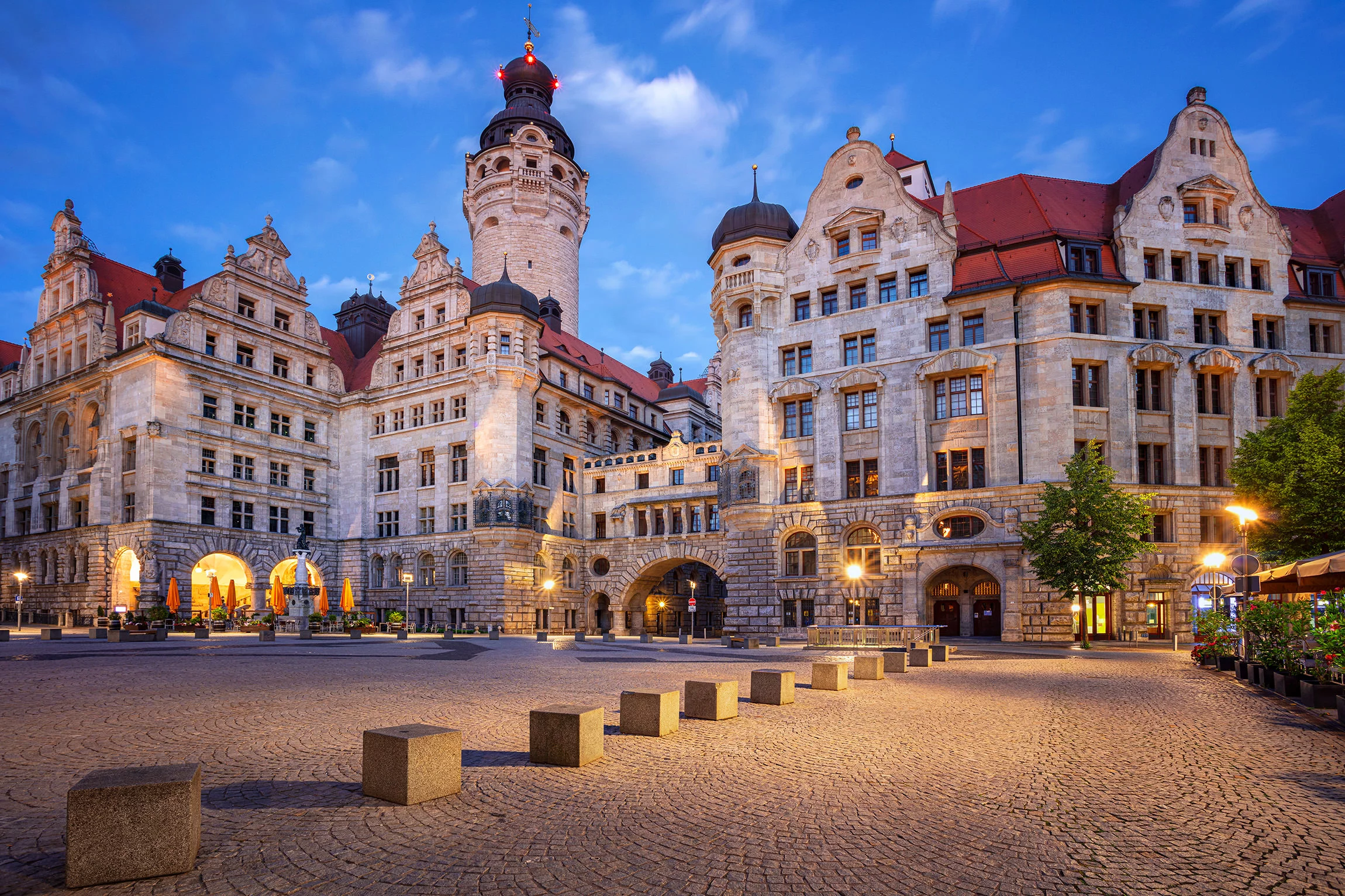
Saxony’s broader political complexities are part of the city’s context, not separate from it. Yet Leipzig’s energy is distinct from the more polarized narratives often associated with eastern Germany.
It feels transitional in the best sense. Not finished. Not polished. Actively becoming.
4. Valencia, Spain
Barcelona dominates Mediterranean city breaks. Valencia functions with less noise and, arguably, more coherence.
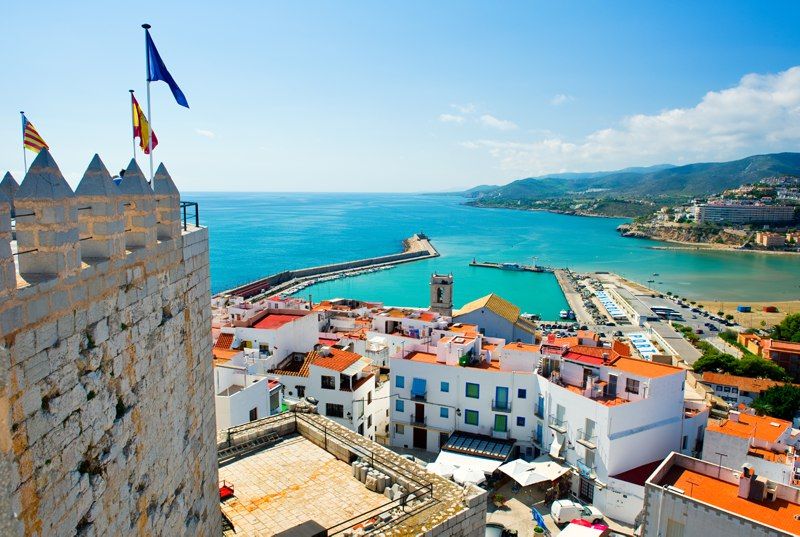
The Turia riverbed, converted into a linear park after devastating floods in 1957, remains one of Europe’s most successful examples of urban redesign. The City of Arts and Sciences complex is architecturally ambitious without overwhelming the historic core.
Valencia is Spain’s third largest city. It has beaches, a strong agricultural hinterland, and a tech sector that has grown steadily over the past decade. It also claims the origin of paella, though locals are quick to clarify what authentic means.
It balances scale and livability unusually well.
5. Porto, Portugal
Lisbon has captured international imagination. Porto maintains a more restrained posture.
The Ribeira district is compact, layered, and visibly worn in places that have not yet been renovated into uniform boutique aesthetics. Port wine production in Vila Nova de Gaia remains economically significant. The Douro Valley trade routes shaped the city’s identity long before tourism surged.
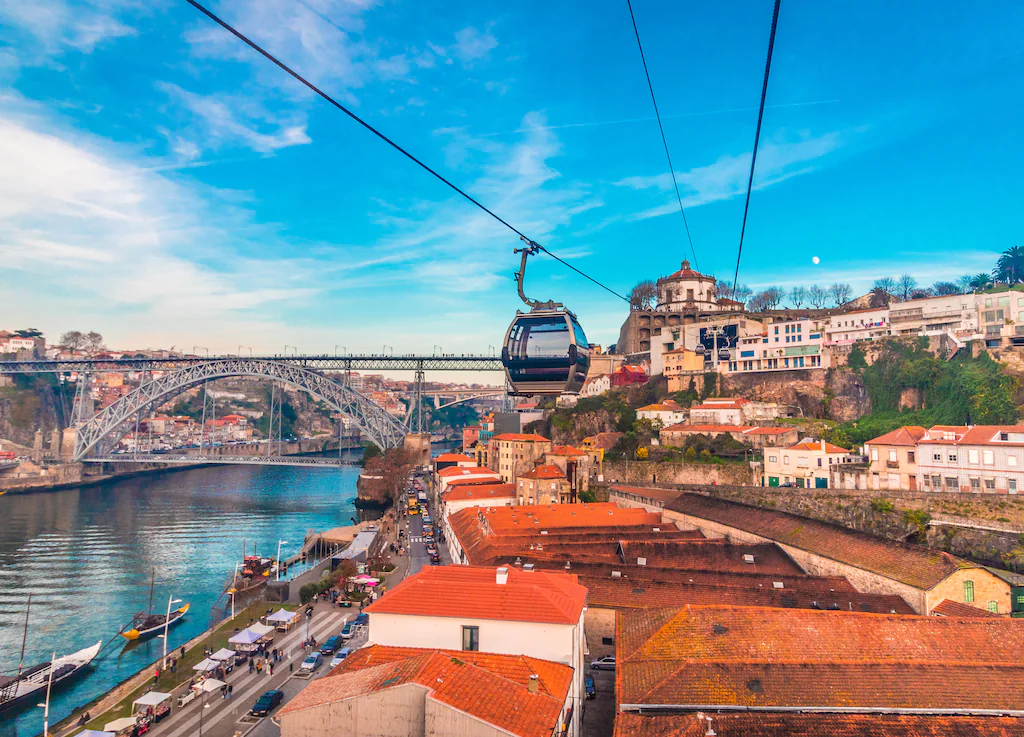
There has been growth in short term rentals and foreign investment, but the transformation feels slower and less speculative than Lisbon’s.
Porto’s appeal lies in texture rather than spectacle.
6. Ljubljana, Slovenia
Slovenia is often marketed as a nature destination. Its capital deserves equal attention.
Ljubljana’s car free center creates a scale that feels almost improbably calm for a European capital. The Triple Bridge and riverside cafes form a cohesive urban core rather than a fragmented tourist zone.
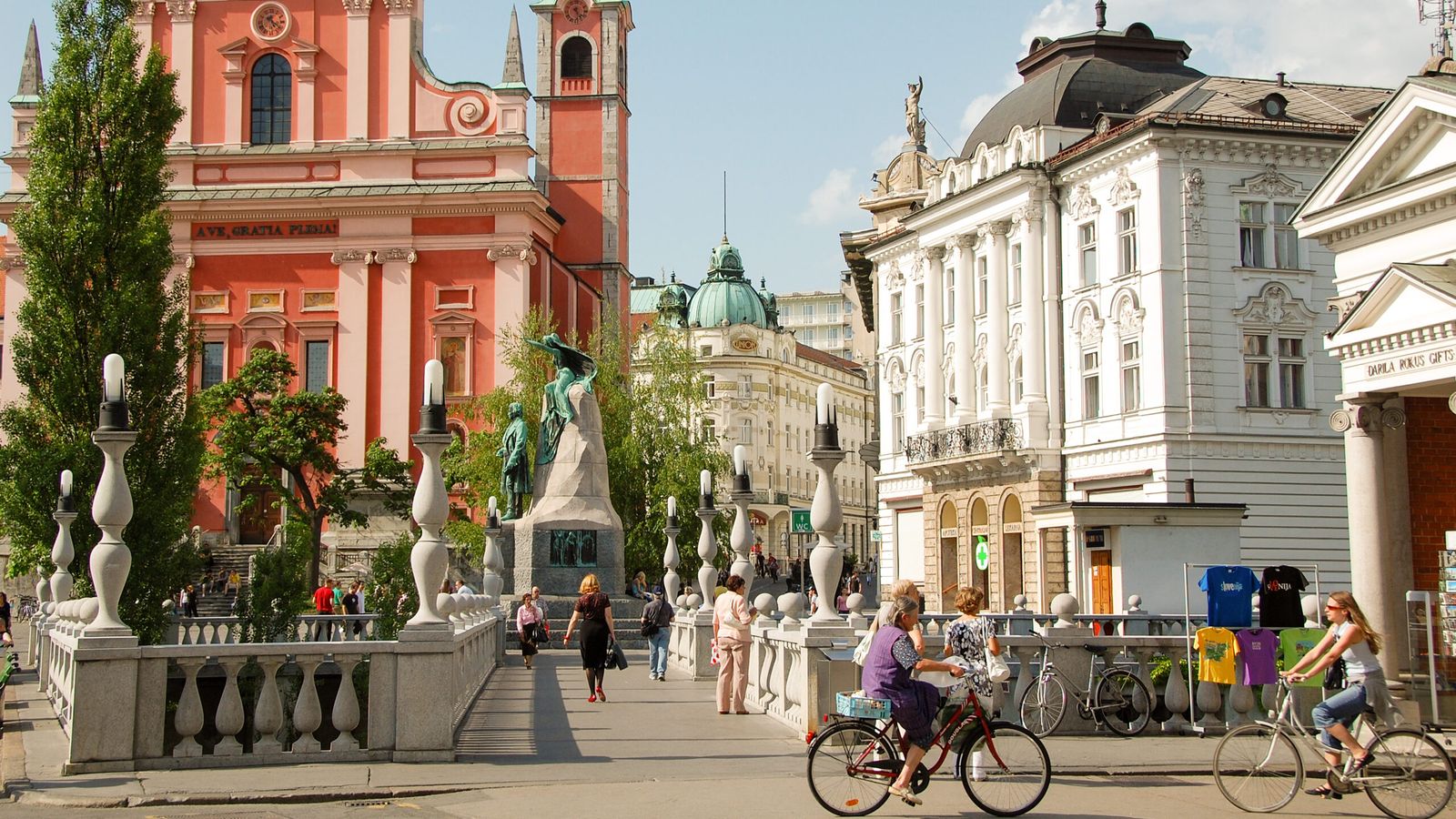
With a population under 300,000, the city punches above its weight culturally. It hosts design festivals, independent publishing houses, and an engaged student population. Sustainability initiatives are not just branding. Ljubljana was named European Green Capital in 2016, reflecting measurable policy efforts.
It is a capital city that behaves like a well managed town.
7. Rotterdam, Netherlands
Amsterdam’s canals define the Dutch image abroad. Rotterdam disrupts it.
After extensive bombing in 1940, Rotterdam rebuilt with modernist ambition. The skyline is the most contemporary in the Netherlands. The port remains Europe’s largest, shaping global trade flows.
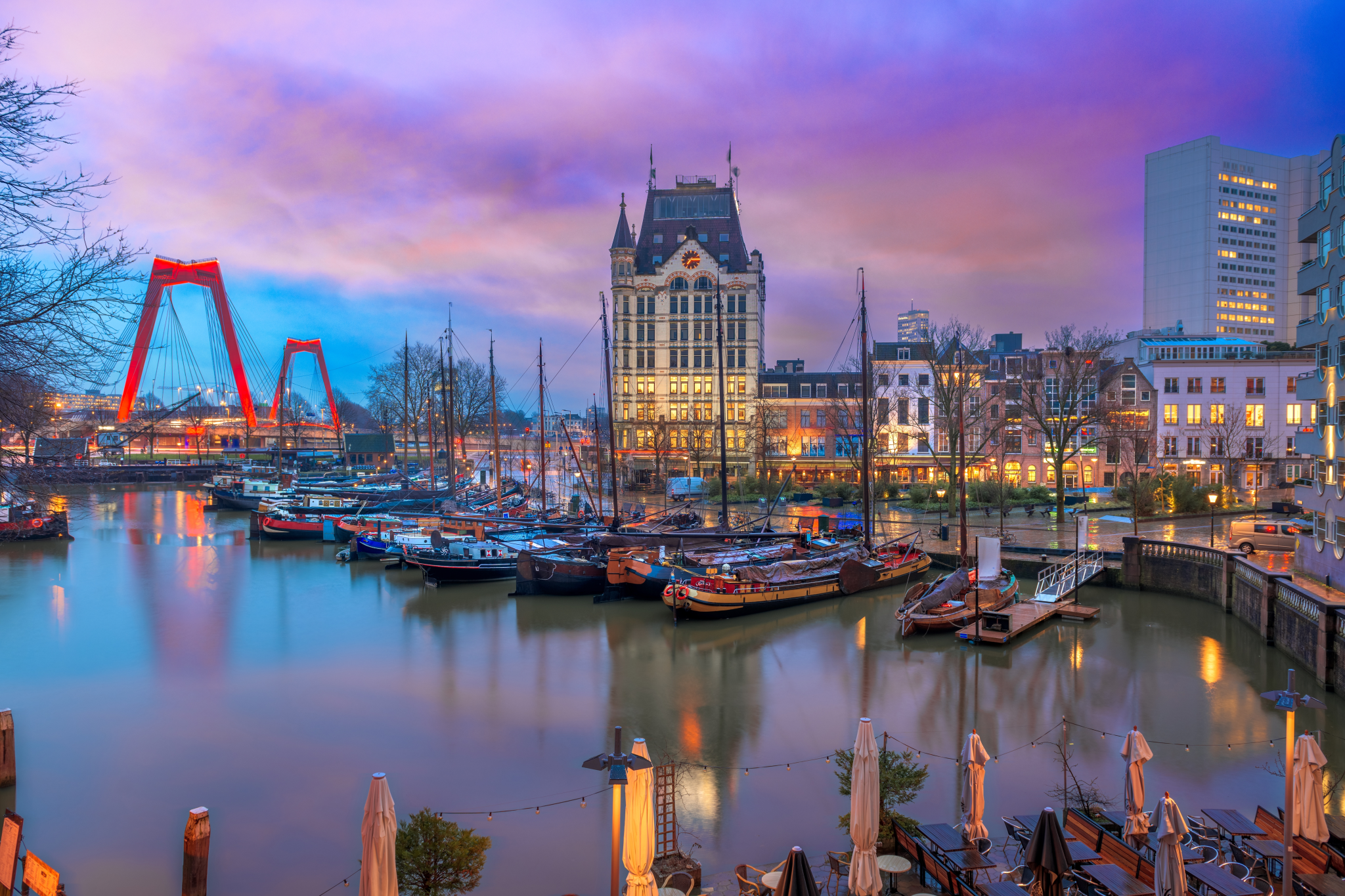
Architecture here is not preservationist. It experiments. The Cube Houses, the Markthal, the Erasmus Bridge. Some projects succeed more than others, but the city is willing to test its identity.
For travelers interested in urban planning, logistics, and postwar reconstruction, Rotterdam offers a case study rarely explored in leisure travel writing.
8. Tbilisi, Georgia
Geographically on the edge of Europe, culturally layered between empires, Tbilisi complicates any neat category.
Its old town balconies lean at improbable angles. Soviet era housing blocks stand alongside Art Nouveau facades. The sulfur baths recall centuries of trade routes and cultural exchange.
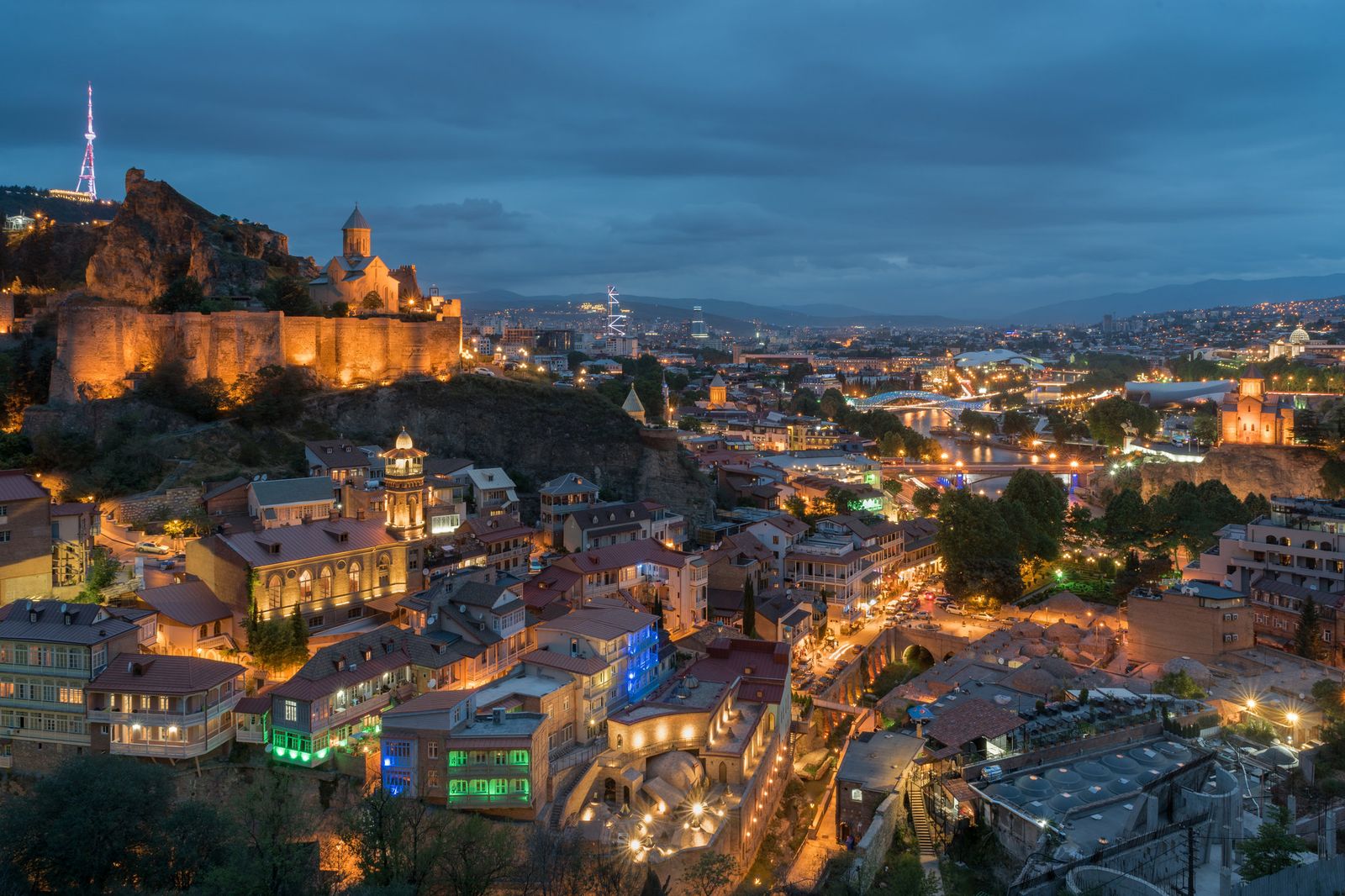
Georgia’s wine production is among the oldest in the world, and Tbilisi’s contemporary food scene integrates tradition without nostalgia. The city has attracted digital nomads in recent years, partly due to visa flexibility and cost advantages.
Political tensions in the region remain real. Yet the city’s creative resilience is difficult to ignore.
9. Graz, Austria
Vienna and Salzburg dominate Austrian itineraries. Graz operates with quieter assurance.
Its old town is a UNESCO World Heritage Site, but the city also embraces contemporary architecture, notably the Kunsthaus with its biomorphic form. The student population keeps the energy dynamic without turning the city transient.
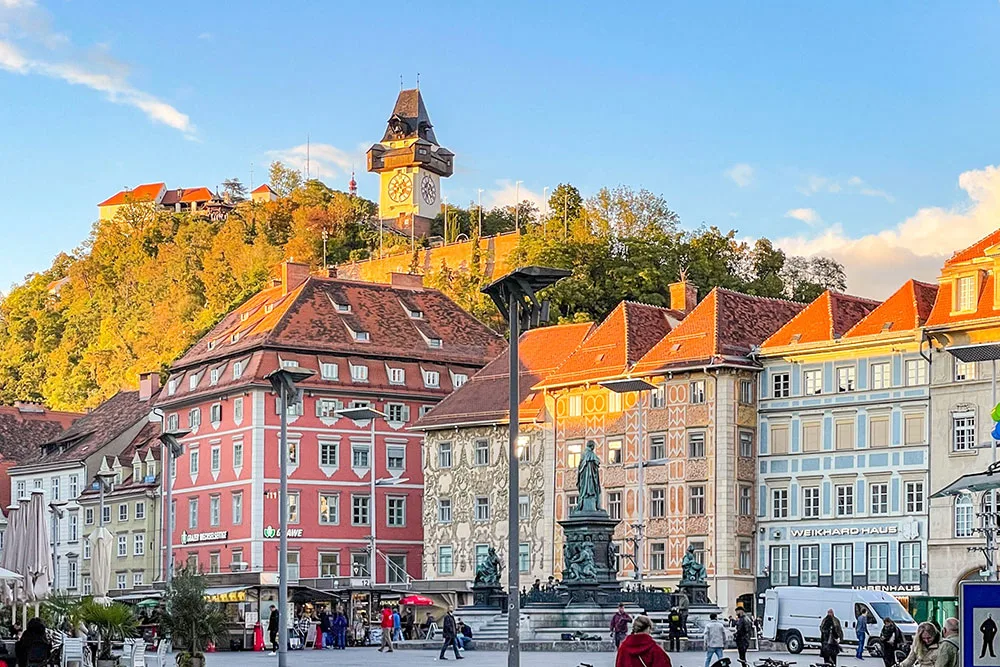
Styria’s wine region sits nearby, and regional cuisine has a distinct identity separate from Vienna’s imperial associations.
Graz feels self contained, economically stable, and culturally layered without marketing itself aggressively.
10. Brno, Czech Republic
Prague’s dominance in Czech tourism statistics is overwhelming. Brno, the country’s second largest city, remains peripheral to most visitors.
That oversight is significant. Villa Tugendhat, a masterpiece of modernist architecture by Mies van der Rohe, sits here. The city has a strong engineering and technology base, anchored by Masaryk University and research institutions.
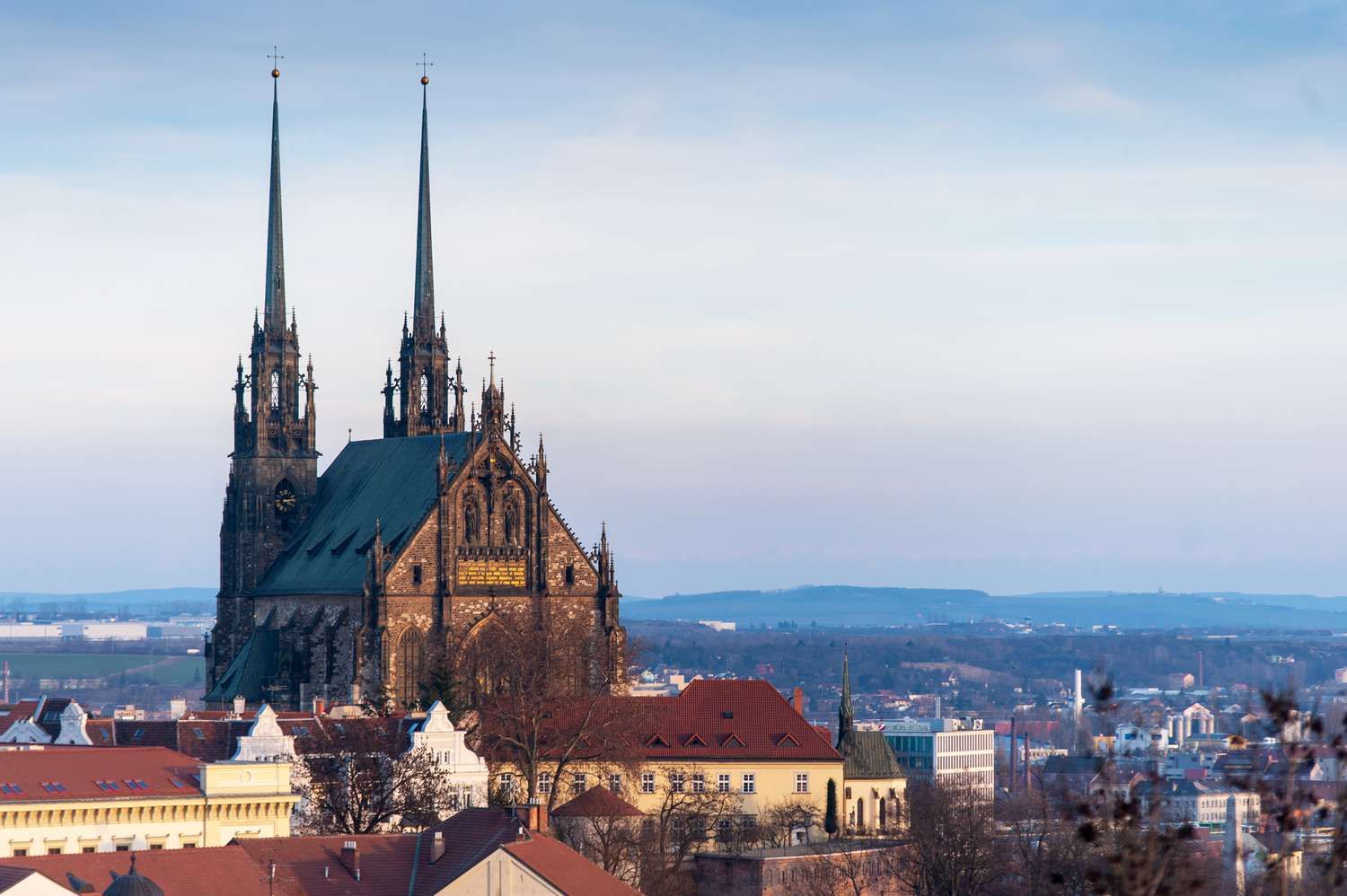
Brno’s scale allows for depth without congestion. The cafe culture is robust. The nightlife is local rather than performative.
It is a city that does not compete with Prague. It operates on its own terms.
11. Bergen, Norway
Oslo represents Norway’s political and economic center. Bergen carries its maritime history visibly.
The Bryggen wharf, with its wooden buildings, reflects centuries of Hanseatic trade. Rain is frequent. Mountains frame the harbor. Tourism peaks during fjord season, but beyond cruise ship hours, the city returns to a slower rhythm.
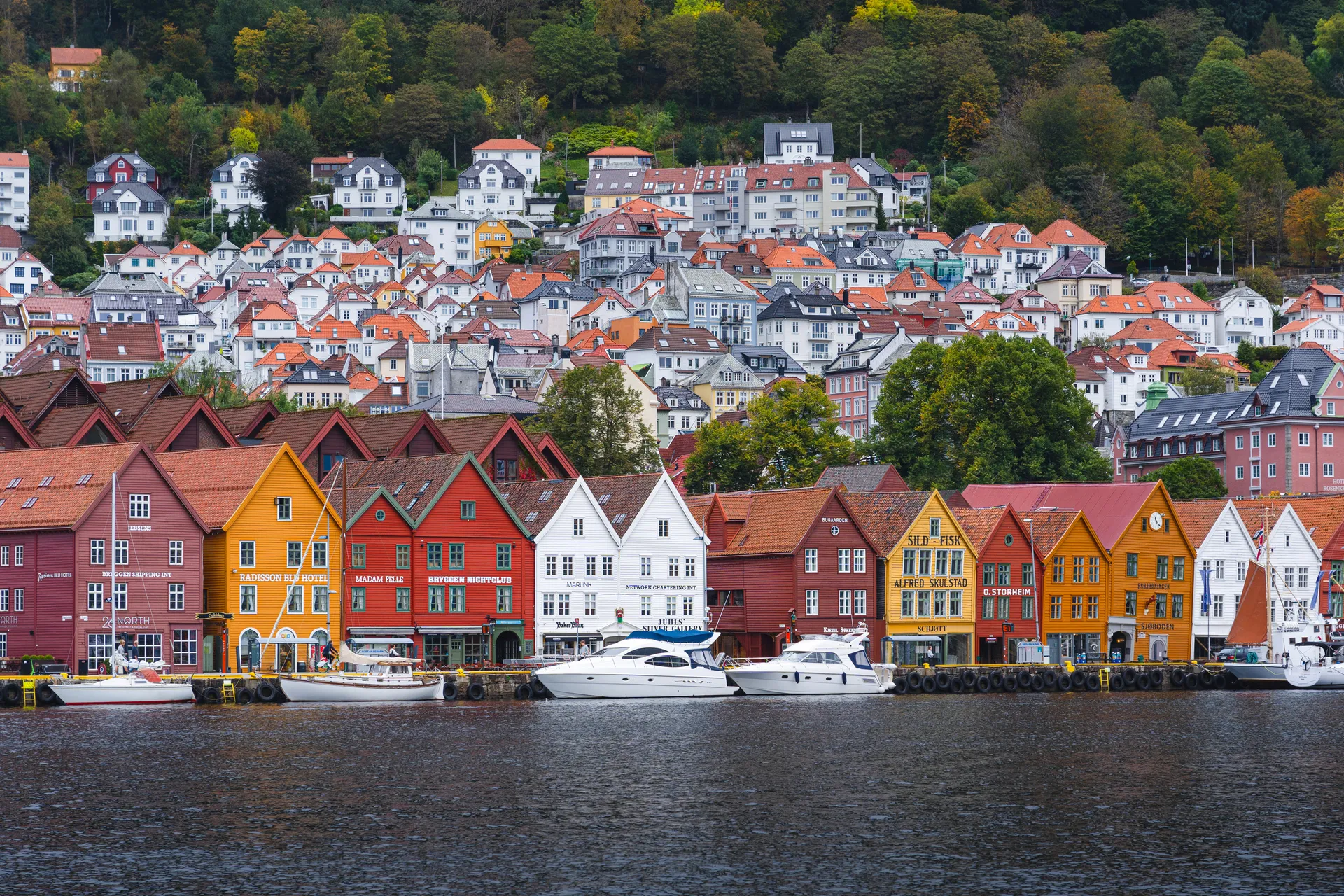
Bergen University contributes to research in marine science and climate studies, reinforcing the city’s connection to the sea.
It is not underrated because it lacks visitors. It is underrated because it is often treated as a gateway rather than a destination in its own right.
12. Bilbao, Spain
The Guggenheim Museum transformed Bilbao’s global image in 1997. The so called Bilbao effect is cited in urban regeneration case studies worldwide.
Yet the city is still frequently overshadowed by Madrid and Barcelona. Bilbao’s Basque identity shapes language, cuisine, and politics in ways that are distinct within Spain. The industrial riverfront has been reimagined without erasing its past entirely.
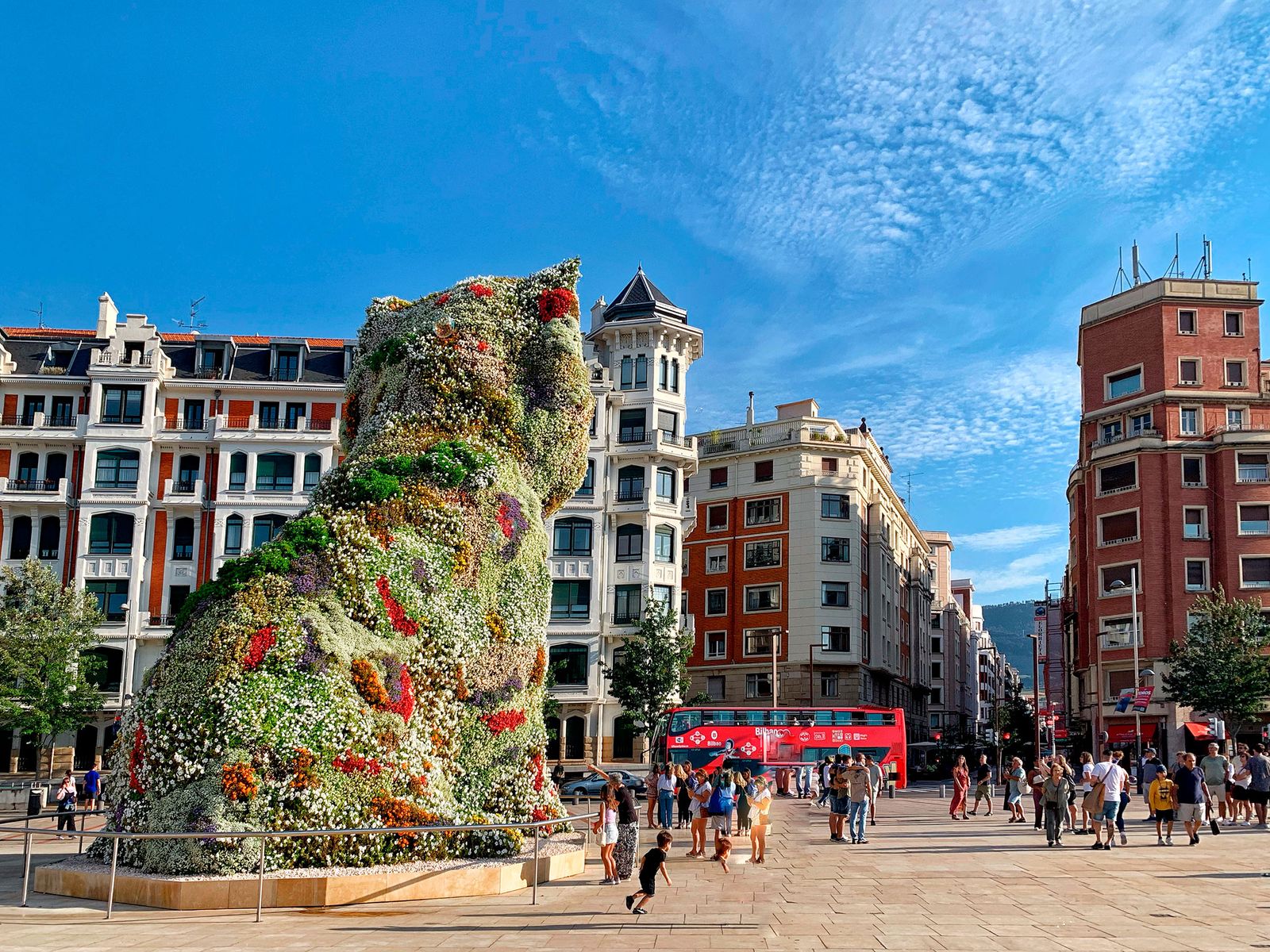
Pintxos culture is intricate, not decorative. Economic transition from heavy industry to services and tourism has been gradual and structured.
Bilbao demonstrates that urban reinvention can be substantive rather than cosmetic.
Travel concentration in a handful of European capitals has measurable consequences. Overtourism strains housing markets, infrastructure, and local economies. Secondary cities absorb far less pressure while often offering comparable cultural capital.
The 12 Most Underrated Cities in Europe illustrate a broader pattern. Economic strength does not always correlate with tourism visibility. University towns drive innovation without drawing global headlines. Ports move billions in goods without appearing in travel campaigns. Mid sized capitals implement sustainability policies quietly and effectively.
Exploring these cities is not about avoiding crowds for the sake of novelty. It is about recalibrating how we evaluate cultural significance.
The 12 Most Underrated Cities in Europe and future travel patterns
Air routes are expanding beyond primary hubs. Remote work policies across parts of Europe have altered where people choose to base themselves temporarily. Investment in rail networks across the EU continues to improve cross border mobility.
As a result, the gap between first tier and second tier cities is narrowing. Travelers who once defaulted to the obvious choices are beginning to look laterally.
The 12 Most Underrated Cities in Europe are not alternatives. They are integral pieces of the continent’s urban fabric. Ignoring them distorts the map.
If European travel over the next decade becomes more evenly distributed, it will not be because marketing campaigns shift. It will be because visitors start recognizing that cultural weight is not monopolized by a few capitals.
These cities have been ready for some time.