Backpacking Budget Guides by Continent is not a romantic exercise. It is arithmetic, policy, geography, and personal tolerance colliding in real time. I have watched travelers burn through a month’s savings in a week in Norway, and I have seen others drift across Southeast Asia for half a year on what some people spend on a short city break. The difference is rarely luck. It is preparation, regional awareness, and a clear understanding of how continents behave economically.
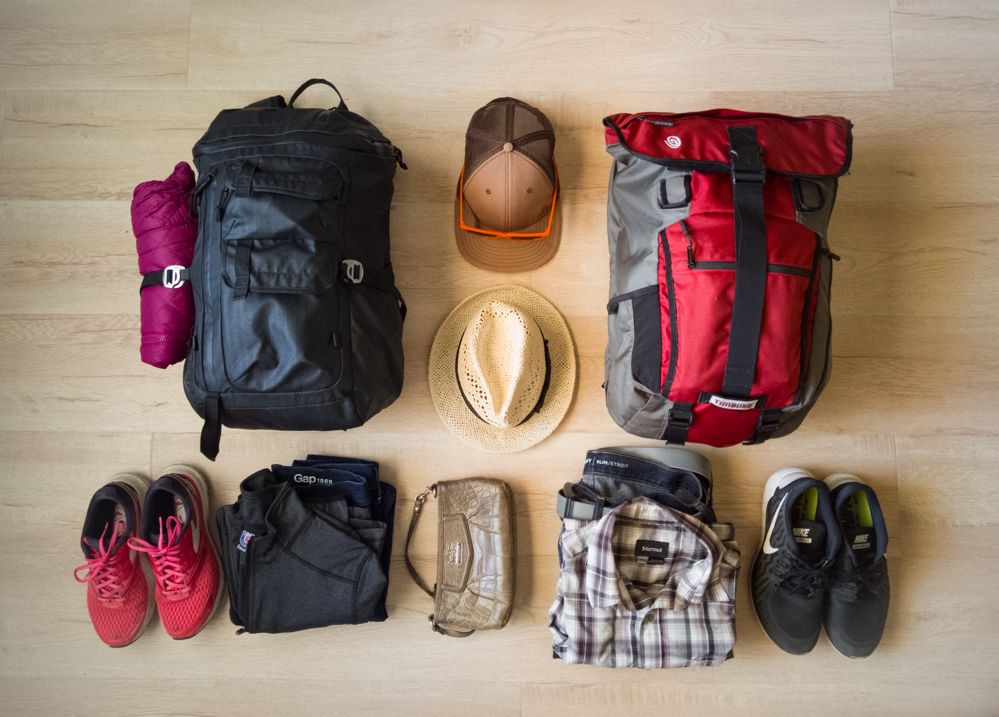
Backpacking is not cheap everywhere. It is not expensive everywhere either. It is uneven. Exchange rates distort perception. Transport networks shape daily spending. Visa rules quietly extend or compress budgets. Accommodation markets respond to tourism cycles in ways most travelers never anticipate.
This is a continent by continent analysis grounded in cost realities, not fantasy itineraries.
Europe
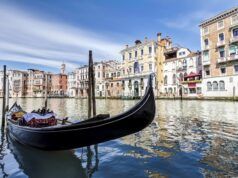
Europe remains the most misunderstood continent for budget travelers. It is both brutally expensive and surprisingly manageable.
In Western and Northern Europe, particularly in countries such as Portugal, Spain, France, Germany, the Netherlands, and the Nordic region, daily costs vary dramatically. A dorm bed in Lisbon might cost 25 to 35 EUR in peak season. In Oslo, it can exceed 45 EUR. Groceries are manageable in Germany. They are not in Switzerland.

Transport is the real cost multiplier. High speed trains across France or Italy can be affordable if booked early. Spontaneous travel is punished. Budget airlines are efficient but increasingly charge for luggage and seat selection. Miss one rule and your savings evaporate.
Eastern Europe, including Poland, Romania, Bulgaria, and parts of the Balkans, offers stronger value. A hostel bed can still sit under 20 EUR in many cities. Local food remains affordable. Intercity buses are inexpensive and reliable.
The continent’s hidden expense is social pressure. Europe encourages consumption. Museums, historic sites, nightlife, and intercity mobility add up quickly.
A realistic backpacker budget:
- Western Europe: 60 to 110 EUR per day
- Eastern Europe: 35 to 60 EUR per day
Those numbers assume hostel dorms, public transport, limited alcohol, and self catering when possible.
Southeast Asia
Southeast Asia still carries the backpacker reputation it earned decades ago, but prices have shifted in cities like Bangkok and Singapore.
Thailand, Vietnam, Cambodia, Laos, and Indonesia remain accessible. Street food can cost 1 to 3 USD per meal in parts of Vietnam. Hostel dorms in Chiang Mai often fall between 6 and 12 USD. Intercity buses are cheap, though overnight comfort varies.
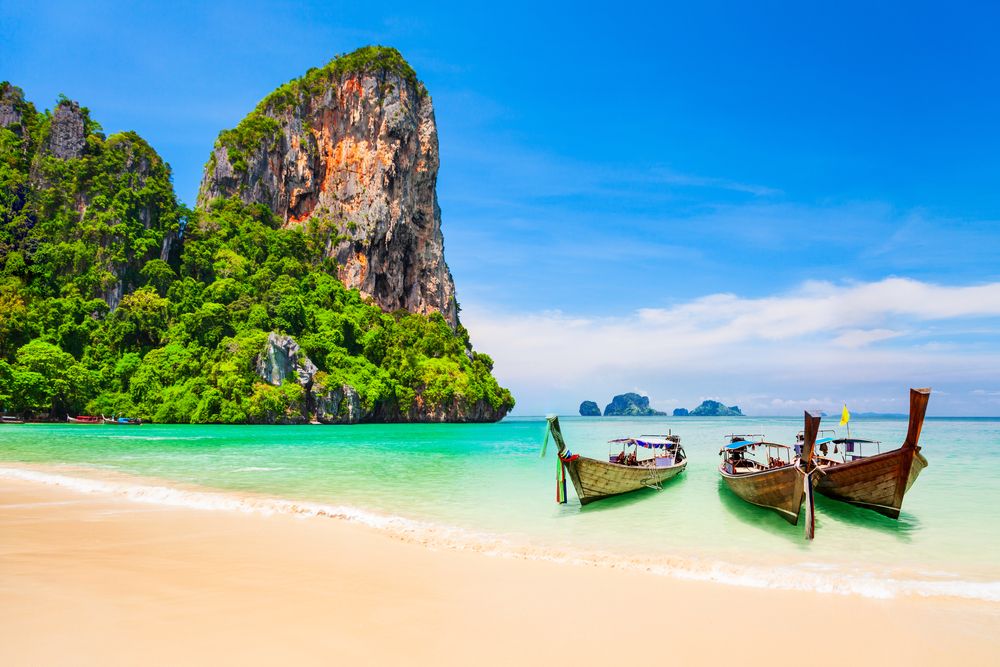
Singapore is an outlier. It behaves economically closer to Western Europe. Malaysia sits in between.
The region’s affordability depends on climate and location. Islands and coastal hotspots inflate quickly. Domestic flights are cheap but add up if used frequently. Visa free stays vary from 15 to 90 days depending on nationality, shaping long term planning.
A realistic backpacker budget:
- Mainland Southeast Asia: 20 to 40 USD per day
- Singapore: 60 to 100 USD per day
The real advantage here is longevity. A disciplined traveler can extend months without financial collapse.
South Asia
India, Nepal, and Sri Lanka operate on a different cost scale. Local transportation is extremely inexpensive. Sleeper trains across India cost a fraction of European rail fares. Guesthouses can be found under 10 USD in many regions.

However, infrastructure inconsistency creates hidden costs. Delays require extra nights. Remote areas demand private transport. Health insurance becomes more important in regions where public healthcare access is uneven for foreigners.
A realistic backpacker budget:
- India and Nepal: 15 to 35 USD per day
- Sri Lanka: 25 to 45 USD per day
South Asia rewards patience. It punishes tight scheduling.
East Asia
Japan and South Korea intimidate budget travelers, but they are not unreachable. Japan’s rail network is expensive unless structured carefully. Regional passes can reduce intercity costs significantly. Convenience store meals are affordable and reliable. Capsule hotels and budget hostels range from 20 to 40 USD in many cities.

China varies widely by region. Major cities such as Shanghai and Beijing cost more, but inland provinces remain accessible. Language barriers can indirectly increase spending through reliance on taxis or private arrangements.
A realistic backpacker budget:
- Japan: 50 to 90 USD per day
- South Korea: 50 to 85 USD per day
- China: 30 to 60 USD per day
East Asia is efficient. Efficiency reduces friction. Reduced friction lowers unexpected expenses.
North America
The United States and Canada are not natural backpacker territories in the European sense. Distances are vast. Public transport outside major cities is limited. Accommodation dominates the budget.

In cities like New York, Toronto, or Vancouver, hostel dorms frequently exceed 40 USD per night. Food portions are large but restaurant culture drives spending upward. Long distance buses are available but can be slow relative to distances covered.
Mexico shifts the equation. Outside resort zones, daily costs drop significantly. Street food remains affordable. Intercity buses are high quality and reasonably priced.
A realistic backpacker budget:
- United States and Canada: 70 to 130 USD per day
- Mexico: 30 to 55 USD per day
The continent punishes spontaneity. Planning reduces financial damage.
Central and South America
Latin America remains one of the strongest regions for balanced cost and experience. Colombia, Peru, Bolivia, and parts of Central America offer affordable accommodation and food. Brazil and Chile lean higher.
Long distance buses are common and cost effective, though journeys are lengthy. Domestic flights are sometimes necessary due to geography. Inflation in Argentina has distorted pricing, creating temporary windows of affordability followed by sudden corrections.
Safety considerations occasionally increase transport costs, as travelers opt for safer neighborhoods or private transfers at night.
A realistic backpacker budget:
- Andean region: 25 to 50 USD per day
- Brazil and Chile: 40 to 75 USD per day
- Central America: 30 to 55 USD per day
Spanish language ability lowers costs. It changes negotiation dynamics.
Africa
Africa defies continental generalization more than any other region. Morocco and Egypt support established backpacker circuits. Sub Saharan Africa often lacks low cost public transport infrastructure comparable to Asia.
Safari destinations such as Kenya or Tanzania elevate budgets immediately. Permits, park fees, and guided access are regulated. In contrast, Ethiopia and parts of West Africa can be more affordable but require logistical flexibility.
Flights between African countries are disproportionately expensive relative to distance. This single factor reshapes route planning more than accommodation prices.
A realistic backpacker budget:
- North Africa: 25 to 45 USD per day
- East and Southern Africa with safaris: 50 to 120 USD per day
- West Africa: 30 to 60 USD per day
The continent rewards cultural depth. It does not reward haste.
Oceania
Australia and New Zealand operate on high income economic structures. Hostel dorms in Sydney or Auckland frequently exceed 30 to 45 USD. Groceries are expensive. Alcohol taxes are high.
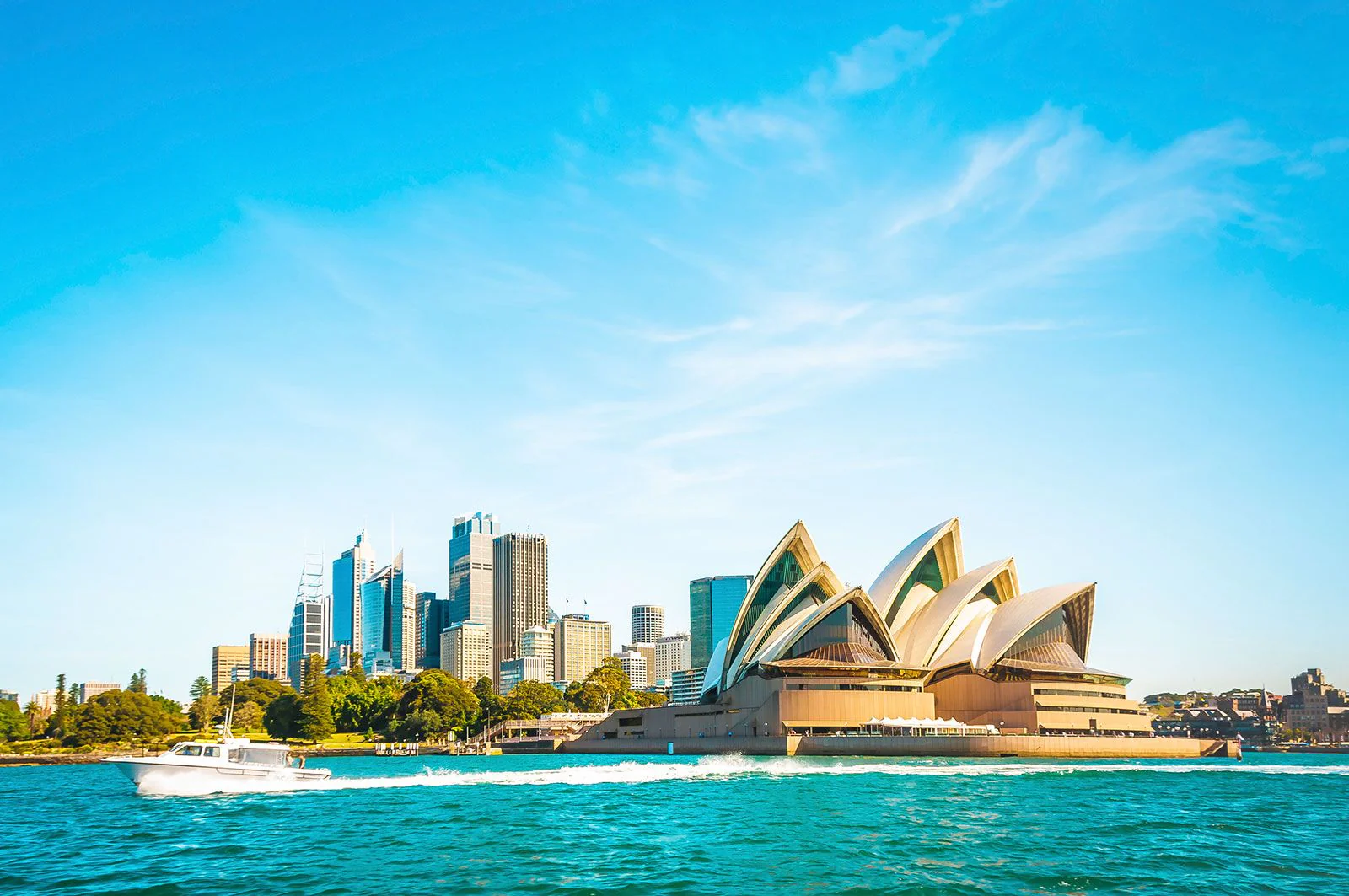
Transport between cities often requires flights or long bus journeys. Working holiday visas offset costs for those eligible, but short term backpackers face consistent daily spending.
A realistic backpacker budget:
- Australia and New Zealand: 60 to 110 USD per day
The scenery is extraordinary. The math is unforgiving.
What Actually Shapes Backpacking Budgets
Exchange rates matter, but infrastructure matters more. Regions with dense public transport networks reduce friction. Regions with complex visa systems compress travel timelines and force higher daily spending.
Accommodation supply is decisive. Cities with active hostel markets create price competition. Destinations dependent on small guesthouses fluctuate with seasonality.
Food culture plays a measurable role. Street food economies such as those in Vietnam or Mexico keep daily costs stable. Restaurant driven cultures push spending upward.
Distance is the silent variable. North America and Australia stretch budgets through geography alone.
The phrase Backpacking Budget Guides by Continent only works if applied dynamically. No continent is static. Inflation in Argentina, currency shifts in Turkey, rail reforms in Japan, and fuel prices in Europe all move the baseline annually.
Experienced backpackers adjust in real time. They slow down in expensive regions. They cluster travel to reduce transport costs. They mix dorms with private rooms strategically. They understand when a flight saves money by saving time.
Budget travel is not about deprivation. It is about structural awareness.
A continent does not determine your cost. Your route through it does.