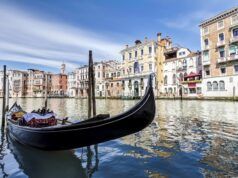
Best European Countries for First-Time Solo Travelers is not a sentimental list assembled from postcard impressions. It is a practical question of infrastructure, civic trust, language accessibility, mobility networks, public safety, and the psychological experience of moving alone through unfamiliar streets. The difference between a rewarding first solo trip and an exhausting one rarely lies in scenery. It lies in systems.
Over the past decade, Europe has quietly become the most structurally forgiving region in the world for independent travelers. Schengen mobility, high rail density, digital payments penetration, and relatively stable public institutions create a framework where mistakes are survivable. Missed trains can be rebooked. Late arrivals do not collapse an itinerary. English proficiency reduces friction. Crime rates, while never irrelevant, are comparatively manageable in much of the region.
That does not make every country equally suitable for a first-time solo traveler. Some require interpretive confidence. Others reward experience with logistical complexity. The countries examined below combine strong transport networks, clear urban design, cultural depth, and a measurable sense of public order. They do not eliminate uncertainty. They make it navigable.
Portugal – Manageable Scale, Cultural Density
Portugal consistently ranks among the safest countries in the world according to the Global Peace Index. Lisbon and Porto offer layered urban experiences without the scale shock of Paris or London. A first-time solo traveler can walk across central Lisbon in an afternoon, yet still encounter Moorish architecture, maritime history, contemporary art spaces, and neighborhood tascas that resist tourist dilution.
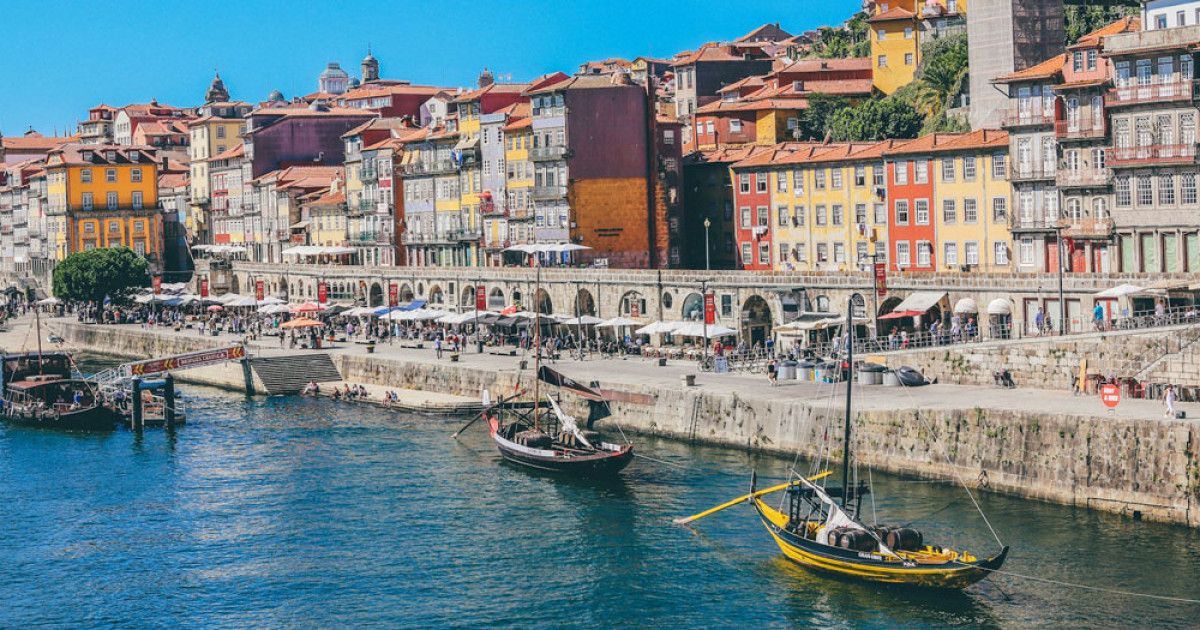
Transport is efficient without being intimidating. Intercity trains between Lisbon and Porto take under three hours. Regional buses reach smaller towns reliably. English proficiency is high, particularly among younger residents and service workers.
Portugal also benefits from psychological openness. Dining alone is socially unremarkable. Cafe culture allows extended observation without pressure to vacate a table. For someone traveling alone for the first time, this matters. It reduces self-consciousness.
Costs remain moderate compared to Western European capitals, though Lisbon rents have risen sharply. Accommodation quality in mid-range guesthouses is strong. Public Wi-Fi is widespread. Mobile data coverage is consistent.
Portugal does not overwhelm. It teaches rhythm.
The Netherlands – Infrastructure as Reassurance
The Netherlands offers something rare: frictionless movement. Cycling infrastructure is not a novelty but a governing principle. Trains run with predictable precision. Urban signage is clear. English fluency is among the highest in Europe outside native English-speaking countries.
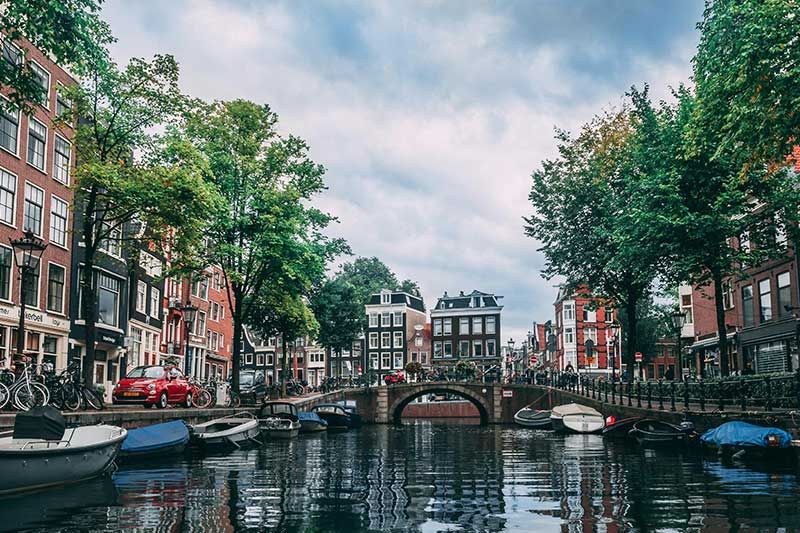
Amsterdam absorbs solo travelers easily, yet it is Rotterdam and Utrecht that demonstrate the country’s structural intelligence. Compact city centers. Integrated ticketing. Logical street grids. A first-time solo traveler does not have to decode chaos.
Crime rates are comparatively low. Petty theft exists in dense tourist zones, but violent crime is rare. The social climate is direct but not hostile. Dining solo is common. Coffee shops function as informal workspaces. Museums are navigable without guided interpretation.
Accommodation is expensive relative to Southern Europe. However, transport passes and bike rentals offer cost-efficient mobility once settled. The Netherlands rewards curiosity while minimizing uncertainty.
Germany – Scale Without Instability
Germany is often underestimated by first-time solo travelers who equate romance with southern climates. That is a misreading. Germany offers structural confidence at continental scale.
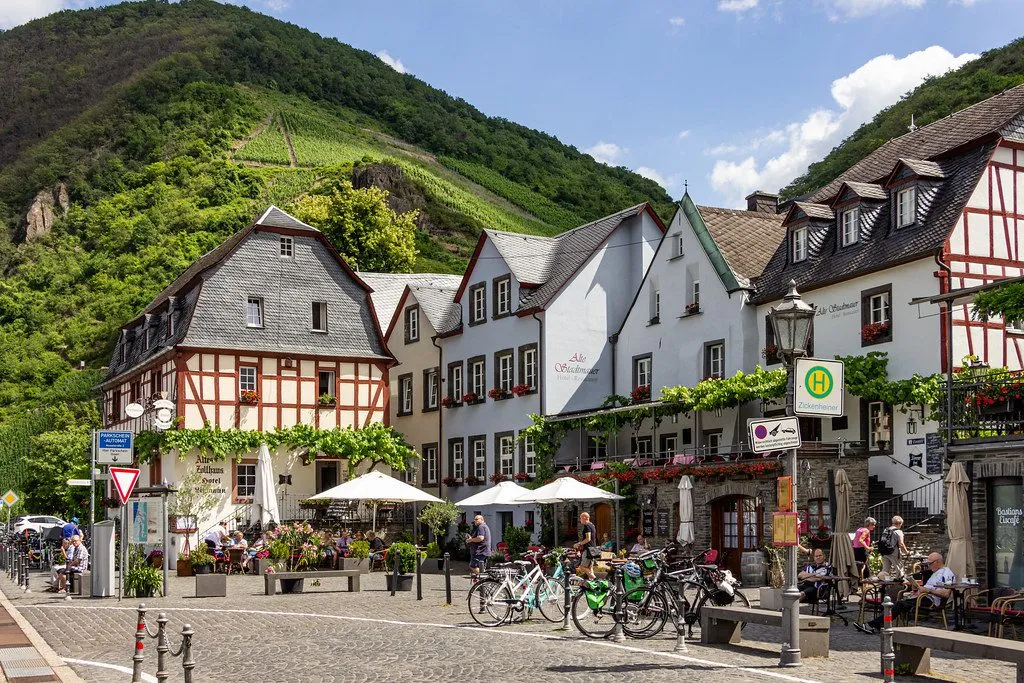
The Deutsche Bahn network connects major cities with high-speed ICE trains. While delays are not unheard of, the system remains comprehensive and transparent. Berlin, Munich, Hamburg, and Cologne each present distinct urban identities without requiring linguistic fluency beyond basic courtesy.
English is widely spoken in metropolitan areas. Public transport ticketing, though sometimes confusing at first glance, follows logical zoning structures. Streets are walkable. Public spaces are well lit. Civic order is visible.
Germany also introduces complexity in manageable doses. Contemporary history is not decorative here. Museums addressing World War II, Cold War division, and reunification provide intellectual engagement beyond surface tourism. A first-time solo traveler encounters seriousness without instability.
Accommodation spans efficient hostels, business hotels, and short-term apartments. Food costs are moderate compared to neighboring France or Switzerland. Safety indicators remain strong across major urban centers.
Germany does not romanticize itself. It functions.
Ireland – Language Comfort, Cultural Depth
Ireland offers a different kind of reassurance. Shared language removes immediate barriers for English-speaking travelers. Conversation flows easily. Social warmth is not manufactured for visitors; it is embedded in pub culture and daily interaction.
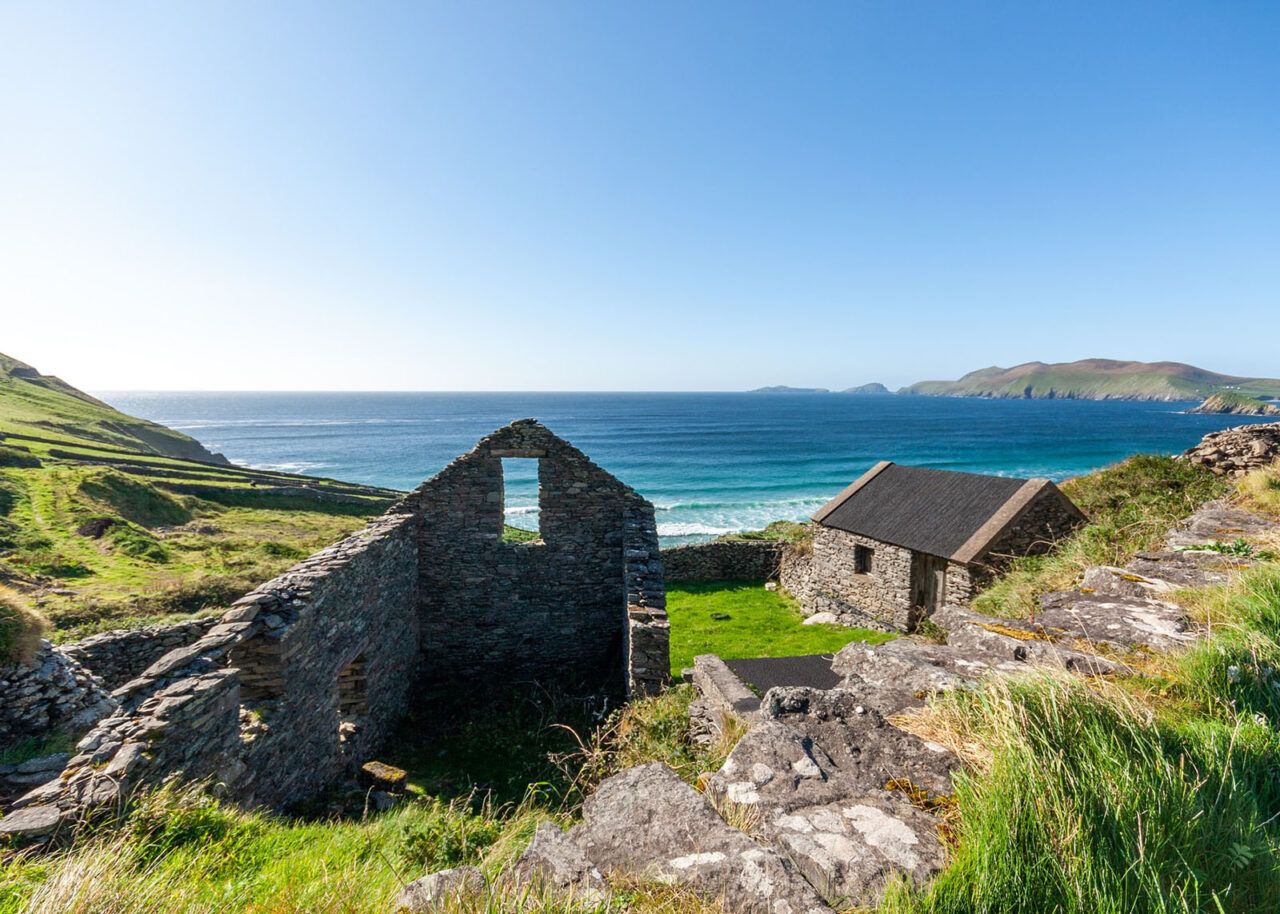
Dublin is compact enough to navigate on foot. Regional buses connect Galway, Cork, and smaller coastal towns reliably, though rural timetables require planning. The countryside, particularly along the Wild Atlantic Way, provides dramatic landscapes without complex logistics.
Crime rates remain relatively low. Violent crime against tourists is uncommon. Solo dining carries no stigma. Live music in local pubs allows structured social engagement without forced participation.
Costs can be high, particularly accommodation in Dublin. However, the trade-off is cognitive ease. A first-time solo traveler does not expend energy decoding language or etiquette. That energy can be directed toward observation.
Ireland excels in emotional accessibility without sacrificing cultural substance.
Denmark – Design, Trust, and Urban Clarity
Denmark consistently ranks high in global safety and quality-of-life indices. Copenhagen demonstrates how urban design can reduce traveler anxiety. Public transport integrates metro, bus, and regional trains seamlessly. Digital ticketing is intuitive. Streets are clean, signage coherent.
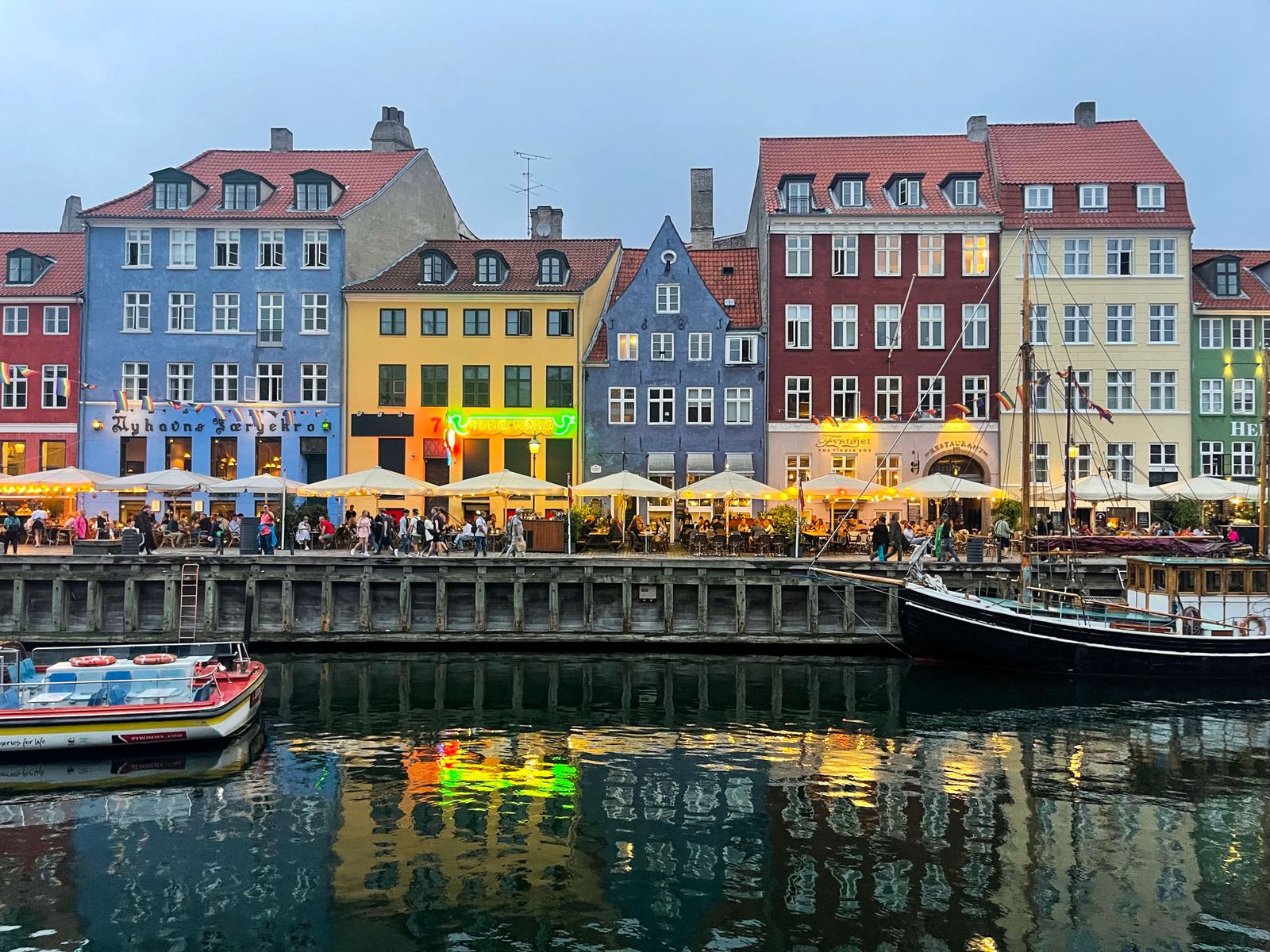
English proficiency is near universal among younger Danes. Solo dining is normalized. Cafe culture encourages quiet presence. Public trust is visible in small details, unattended strollers outside cafes, bicycle lanes respected by motorists.
Denmark is expensive. There is no avoiding that. Yet predictability offsets cost. Budget overruns rarely stem from hidden fees or chaotic systems. What you see is what you pay.
For a first-time solo traveler who values order and personal space, Denmark provides structural calm.
Spain – Social Energy With Structural Depth
Spain demands slightly more confidence than the countries above, yet rewards it generously. The AVE high-speed rail network links Madrid, Barcelona, Seville, and Valencia efficiently. Urban transport is extensive and affordable.
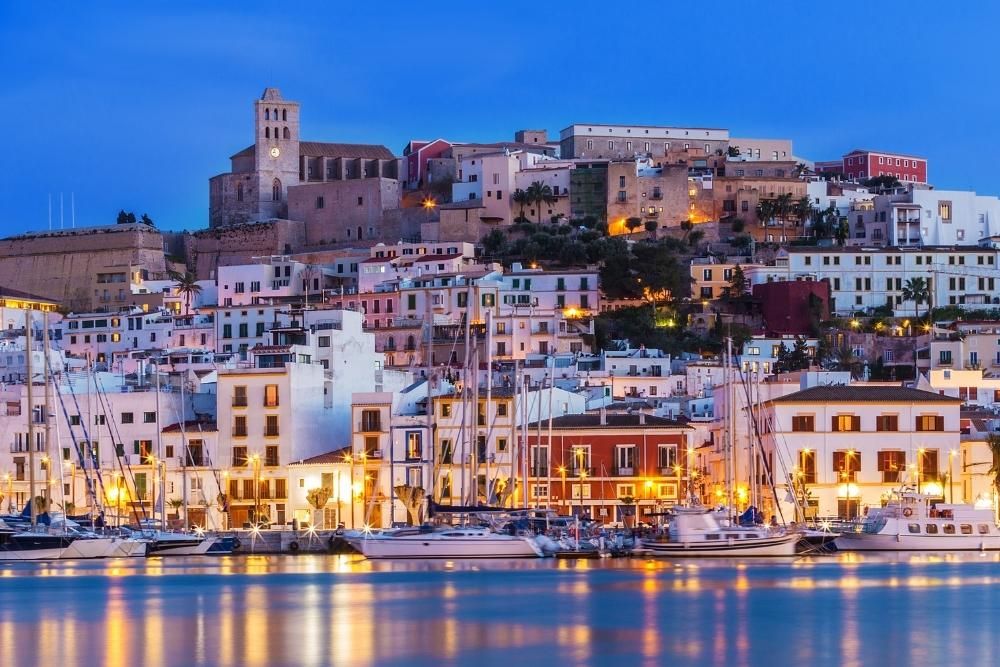
English proficiency varies by region, stronger in Barcelona and Madrid, less consistent in smaller cities. This introduces mild friction, but not obstruction. Solo travelers often find that limited shared language increases engagement rather than isolation.
Spain’s crime profile includes pickpocketing in tourist-heavy districts. Awareness is necessary. Violent crime remains relatively low by international standards.
Culturally, Spain encourages public life. Evenings extend late. Plazas function as communal living rooms. Dining alone may initially feel exposed in social spaces designed for groups, yet normalization occurs quickly. Observing becomes participation.
Spain is not effortless. It is instructive.
The countries identified as Best European Countries for First-Time Solo Travelers are not united by scenery or cuisine. They share institutional reliability.
High English proficiency reduces entry friction. Rail density allows spontaneous itinerary adjustments. Digital payment systems reduce cash dependency. Low violent crime rates create baseline psychological security. Clear urban planning lowers cognitive load.
These traits are not accidental. They reflect long-term public investment in transport, education, and governance. For a first-time solo traveler, these investments translate into autonomy.
Autonomy is the real measure. Not comfort. Not beauty.
Contextual Realities – What This List Does Not Ignore
Costs are rising across Europe. Short-term rental platforms have inflated accommodation prices in Lisbon, Amsterdam, and Dublin. Overtourism pressures central districts in Barcelona and Amsterdam. Train strikes occur periodically in Germany and Spain. No system is flawless.
However, failure modes in these countries are usually administrative rather than structural. Delays inconvenience. They do not destabilize.
A first solo trip is a psychological experiment as much as a geographic one. The traveler tests their own decision-making under mild uncertainty. Europe, particularly the countries above, offers a controlled environment for that experiment.
The question is not which country is most beautiful. It is which country allows competence to develop.
For that purpose, these remain the strongest candidates.