The top 11 Cleanest Countries in Africa to Visit in 2026 is not built on impressions from hotel lobbies or airport terminals. It is shaped by what happens after that first hour. How streets hold up by evening. How markets clean up after themselves. How waste moves through cities without becoming part of the scenery.
Cleanliness in Africa is rarely accidental. Where it exists, it is the result of legislation, enforcement, social pressure, and long term planning. In the countries below, cleanliness is not a tourism strategy. It is a governance choice that visitors immediately feel.
This list reflects places where systems function in public view and where maintenance is routine rather than reactive.
Rwanda
Rwanda operates on discipline, not reminders.

Kigali’s cleanliness is sustained by law, community obligation, and visible consequence. Plastic bags were banned nationally in 2008, and enforcement never softened. Vehicles entering the country are inspected for prohibited materials. Businesses comply because penalties are predictable and applied.
Public spaces are maintained through a mix of municipal services and Umuganda, a monthly national community work program. Streets, drainage channels, markets, and residential zones are cleaned at the same standard. There is no tourist tier and local tier.
What distinguishes Rwanda is that cleanliness extends beyond visibility. Even backstreets, hillsides, and transport hubs maintain order. Visitors sense that disorder would stand out immediately.
Mauritius
Mauritius treats cleanliness as infrastructure.

Waste management on the island is centralized and scheduled. Collection routes are consistent. Illegal dumping carries fines that are enforced. Beaches are cleaned daily, not seasonally, because marine debris impacts fishing, tourism, and coastal erosion.
Hotels are regulated for waste disposal, water usage, and shoreline protection. But what stands out is that towns outside resort zones remain tidy. Sidewalks are usable. Public bins are serviced. Markets close with cleanup routines already in place.
Mauritius feels maintained rather than staged, which is why it sustains long term tourism trust.
Botswana
Botswana’s cleanliness reflects restraint.

The country deliberately limits visitor volume in sensitive regions. This reduces waste pressure and allows monitoring to remain effective. In urban areas, municipal services operate predictably, with visible collection schedules and maintained public facilities.
In conservation areas, environmental discipline is uncompromising. Camps are audited. Operators follow strict waste removal protocols. Littering in national parks is treated as a serious offense, not a minor mistake.
Botswana demonstrates how cleanliness follows policy, not wealth.
Seychelles
Seychelles manages cleanliness because failure would be immediate.
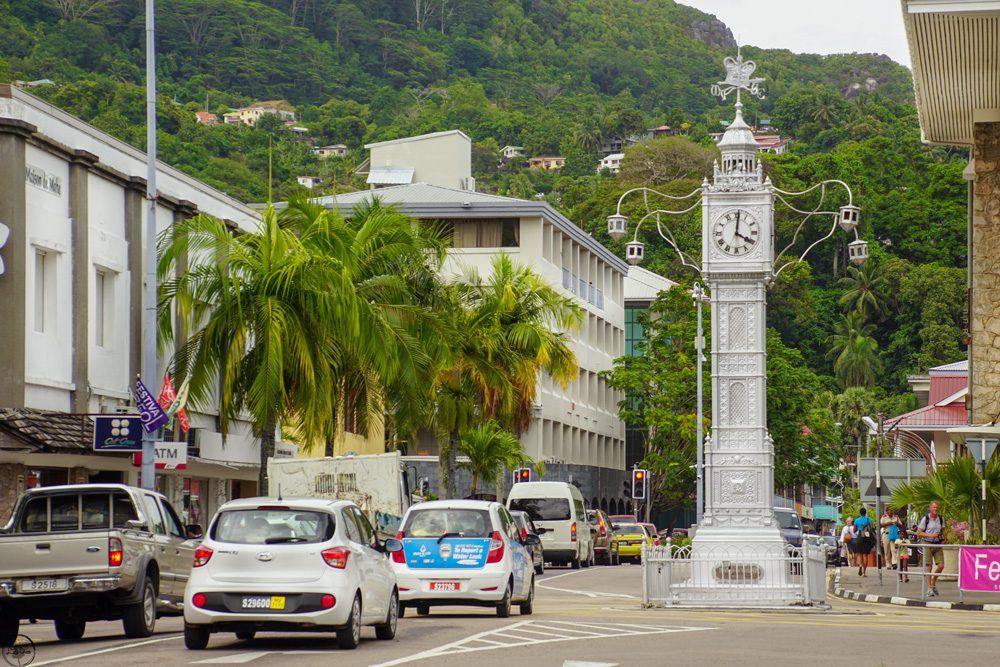
With limited land and fragile marine ecosystems, waste mismanagement shows quickly. The country responded with strong plastic restrictions, marine protection zones, and tourism compliance rules.
Public beaches are cleaned daily. Waste separation is enforced in many districts. Environmental officers monitor both public and private operations.
What visitors notice is continuity. The cleanliness experienced at luxury resorts matches what is seen in local neighborhoods and public transport areas.
Namibia
Namibia maintains cleanliness through regulation and culture.
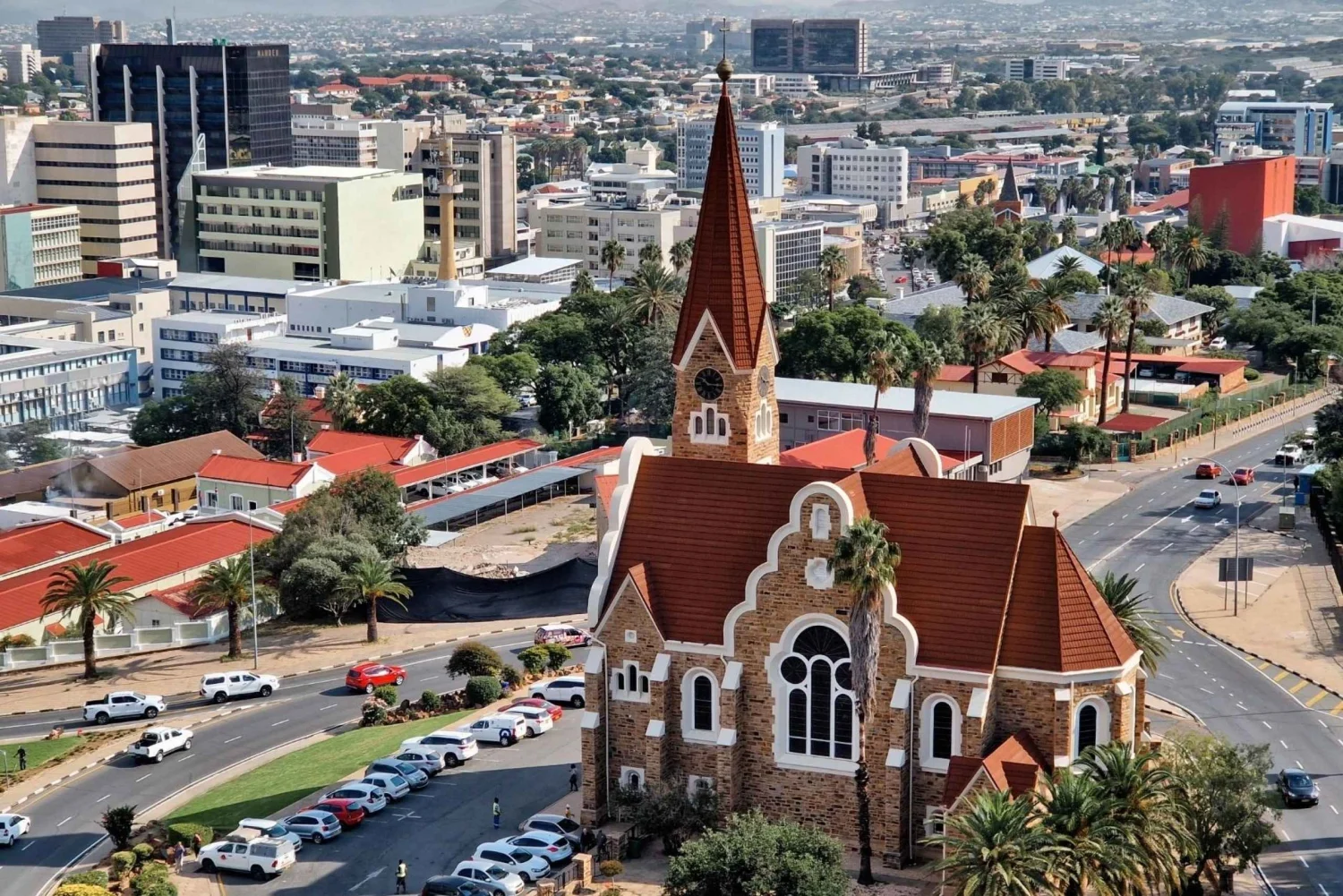
Windhoek operates with efficient municipal services, clear zoning, and maintained public spaces. Outside cities, environmental protection laws are enforced across deserts, coastlines, and conservation areas.
Littering is socially discouraged and legally punishable. Roadside waste is minimal because dumping is tracked and penalized. Community conservancies reinforce environmental responsibility at local level.
Namibia feels clean because neglect is not normalized.
Tunisia
Tunisia’s cleanliness is structured and procedural.

Municipal sanitation systems operate on fixed schedules. Street cleaning is regular in urban centers. Historic medinas are maintained through regulated preservation programs rather than informal upkeep.
Coastal tourism areas undergo routine waste removal and water quality monitoring. Public hygiene standards reflect decades of urban planning and health policy.
Tunisia’s strength lies in consistency rather than spectacle.
Morocco
Morocco’s cleanliness is the result of sustained urban investment.
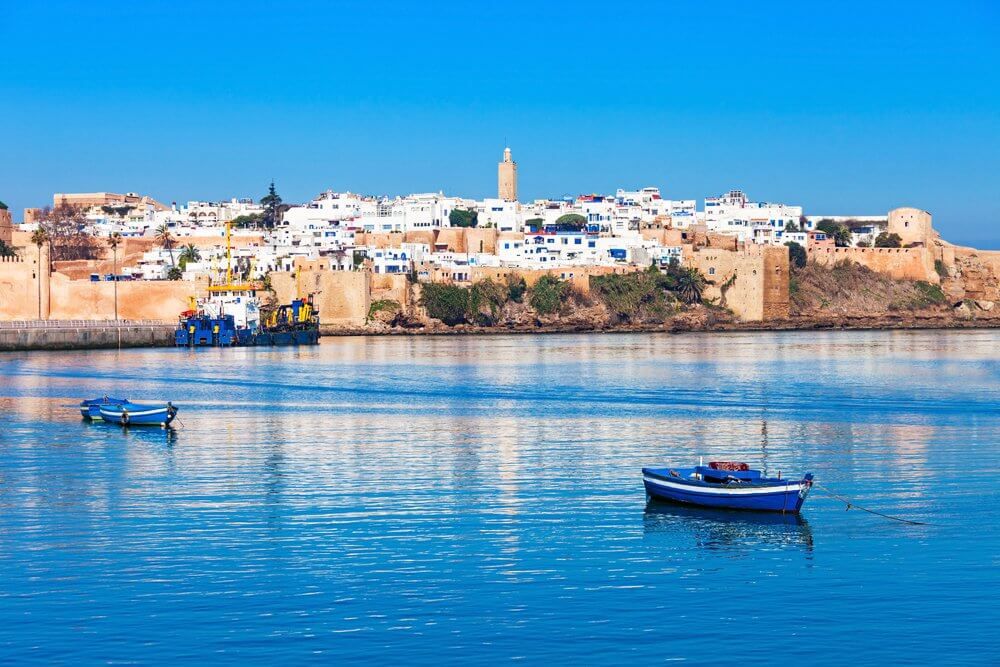
Major cities have expanded waste management capacity, modernized collection fleets, and introduced enforcement in high density districts. Tourist corridors receive daily cleaning, but residential districts have also improved noticeably.
Historic neighborhoods are preserved through controlled maintenance. Plastic regulation has reduced visible waste in urban centers. Public transport cleanliness has improved alongside infrastructure upgrades.
Morocco remains uneven, but its trajectory is deliberate and measurable.
Cape Verde
Cape Verde’s cleanliness is shaped by limitation and awareness.
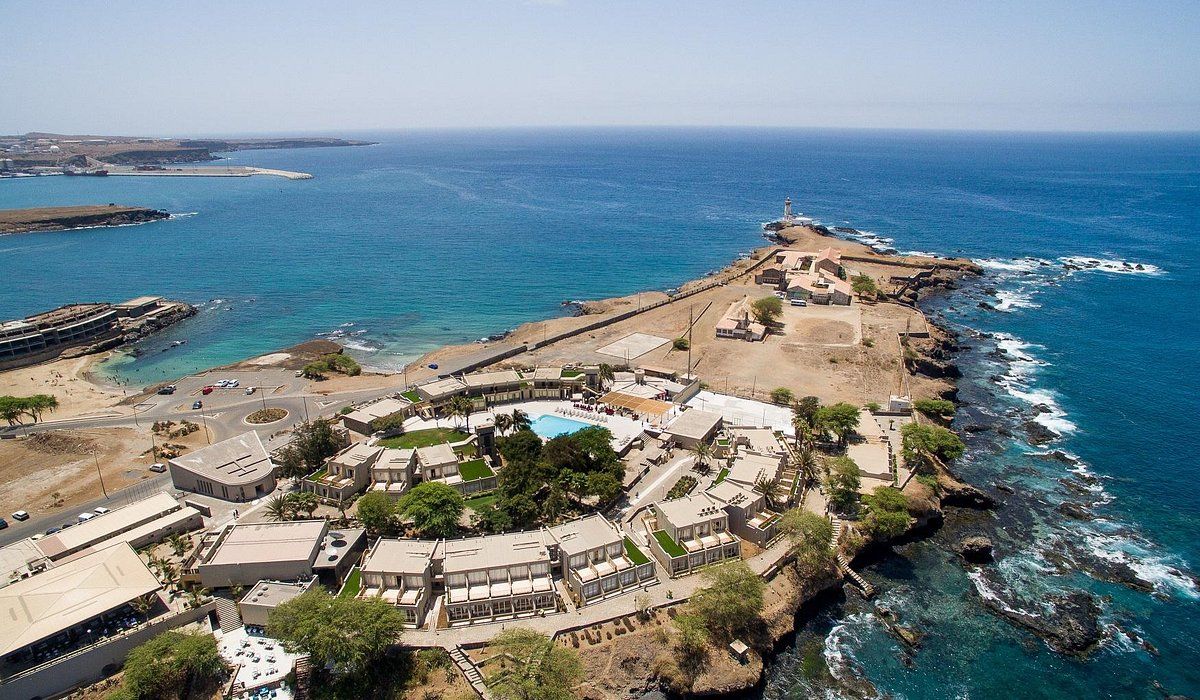
Island geography forces waste accountability. Municipalities operate structured collection systems because dumping is not an option. Public education campaigns reinforce responsibility in both urban and rural areas.
Tourism development follows zoning regulations that limit strain on public services. Beaches, town centers, and ports are maintained through coordinated cleanup schedules.
The country feels orderly because disorder has consequences.
Ghana
Ghana’s cleanliness reflects reform rather than reputation.
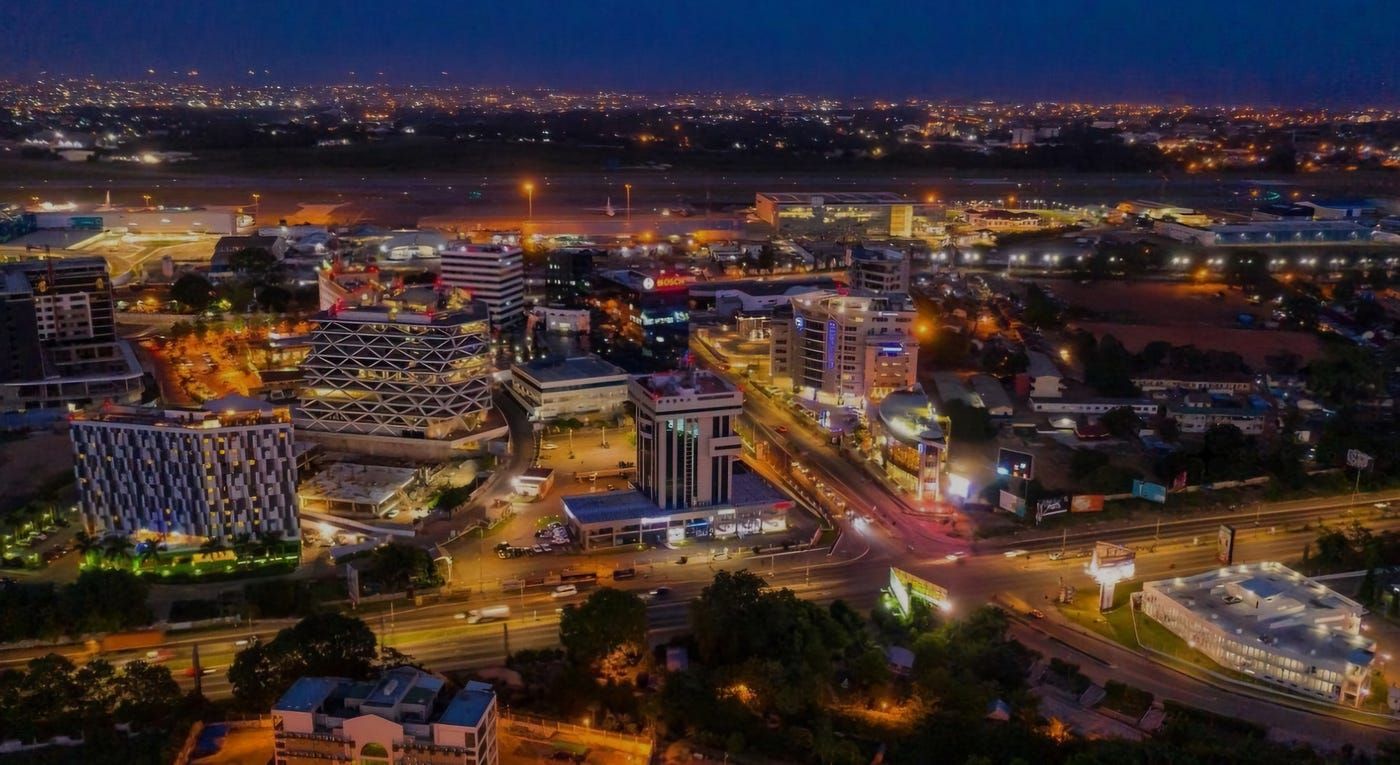
Major cities have restructured waste management through public private partnerships. Collection coverage has expanded. Coastal cleanup initiatives have moved from volunteer driven to municipally supported.
Heritage sites and tourism districts meet international sanitation standards. Public awareness campaigns have shifted attitudes around dumping and plastic use.
Progress is visible in daily life, not just in policy announcements.
Egypt
Egypt’s cleanliness has improved through scale intervention.

Cairo’s waste system has undergone restructuring with private sector participation. Collection coverage has expanded, and enforcement has increased in central districts.
Tourist sites, riverfronts, and transport hubs are maintained continuously. Informal dumping has declined in monitored zones.
While population density remains a challenge, the difference compared to previous decades is evident.
Senegal
Senegal’s cleanliness reflects civic engagement and urban renewal.

Dakar has expanded waste services and invested in coastal sanitation. Public hygiene campaigns target markets, transport hubs, and residential districts.
Community cleanup initiatives supplement municipal efforts. Tourist zones are maintained, but cleanliness is not confined to them.
Senegal demonstrates how shared responsibility reinforces public systems.
In 2026, cleanliness signals institutional reliability. It indicates functioning governance, respect for public space, and predictability. Travelers associate it with safety, comfort, and sustainability.
The countries listed here do not rely on slogans. They rely on systems.
Africa does not lack clean destinations. It lacks recognition for the work already done. These eleven countries show that cleanliness is achievable when law, culture, and enforcement align.
For travelers planning 2026 journeys, these destinations offer clarity, order, and confidence without sacrificing authenticity.