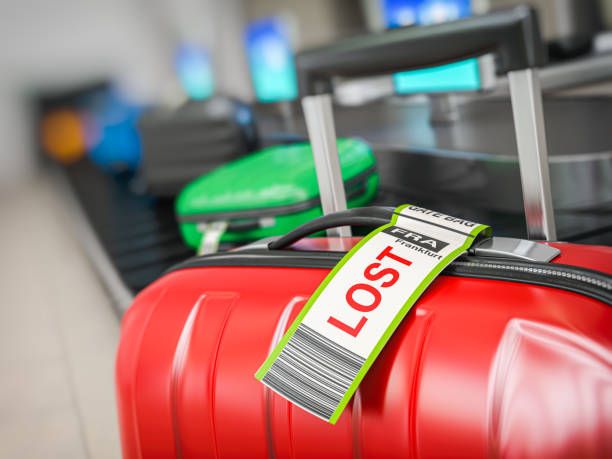
What to do when your airline loses your luggage is not something most travelers think about until it happens. One moment you are stepping into a new country, and the next you are standing alone at a baggage belt that has stopped moving. Everyone else has left. Your bag did not arrive.

When this happens far from home, the problem is not just missing clothes. It is uncertainty. You may not know how the system works, who to talk to, or what your rights are. Airlines often sound reassuring, but reassurance alone does not replace clear action.
This guide explains exactly what to do, in the right order, with real-world detail that actually helps when you are tired, stressed, and far away.
First, confirm the bag is actually missing
Before assuming the worst, take a few minutes to check carefully.
Wait until the baggage carousel fully stops. Some bags come out late, especially after short connections or heavy flights. Check nearby carousels in case luggage was redirected.
Look for airport staff announcements or screens showing delayed baggage. In smaller airports, bags sometimes arrive from the back without notice.
If your bag does not appear after this, go directly to the airline baggage service desk. Do not leave the arrivals area before reporting the issue.
File a baggage report immediately at the airport
This step is non-negotiable.
At the airline desk, ask to file a Property Irregularity Report. This report officially records that your luggage is missing. Without it, compensation claims are usually rejected.
You will need:
- Your boarding pass
- Your baggage tag number
- Your passport
- A local address or hotel information
- A working phone number and email
Describe your bag accurately. Include color, brand, size, hard or soft shell, and any visible identifiers such as stickers, ribbons, or damage. Do not rush this part.
Before leaving the desk, make sure you receive:
- A reference number for your case
- Instructions on how to track your bag
- Clear information on next steps
Take a photo of the report or save the email confirmation.
Ask clearly about emergency purchase coverage
Most airlines are required to reimburse reasonable expenses while your bag is delayed. Many travelers miss this because they do not ask directly.
Use simple language:
“What essentials can I purchase while my bag is missing, and how do I claim reimbursement?”
Emergency items typically include:
- Basic clothing
- Underwear
- Toiletries
- Chargers
- Essential medication replacements
Buy what you genuinely need, not luxury items. Keep all receipts. If possible, photograph them immediately in case they fade or get lost.
Understand what type of baggage issue you are dealing with
Airlines classify baggage problems in different ways, and each affects your rights.
Delayed baggage means the airline expects to deliver your bag within a short time. This can be hours or a few days.
Lost baggage usually applies after about 21 days, depending on airline policy and international rules.
Damaged baggage refers to bags that arrive broken or with missing contents. These must be reported immediately.
Knowing this distinction helps you follow up correctly and claim the right compensation.
Track your luggage actively, not passively
Do not wait for updates to come to you.
Use the airline tracking portal with your reference number. Check it daily. If updates stop, follow up by email or phone.
If you use a tracking device like an AirTag, monitor its location. If the tracker shows your bag at a specific airport, politely share that information with the airline. Many travelers recover bags faster this way.
Be calm but persistent. Polite pressure works better than silence.
Contact your travel insurance as early as possible
If you have travel insurance, notify them as soon as the luggage is missing. Some policies require early notice to activate coverage.
Ask about:
- Delayed baggage allowances
- Maximum reimbursement limits
- Required documents
- Claim deadlines
In many cases, travel insurance pays faster than airlines, especially for essential purchases.
If you are traveling for work, speak up early
If your luggage contains work equipment, media tools, or clothing needed for an event, tell the airline immediately.
Explain the time sensitivity clearly. Some airlines prioritize delivery when professional obligations are involved.
Ask for written confirmation of the delay. This can help with employer communication or insurance claims.
Do not rely on verbal promises alone
Airline staff often say things like:
“It should arrive tomorrow.”
“It is probably on the next flight.”
Always ask for confirmation in writing through email or the tracking system. Verbal assurances are not proof.
If there are no updates after 48 hours, escalate politely to customer relations or a supervisor.
Know your legal rights under international rules
Most international flights are covered by the Montreal Convention. This agreement sets airline liability limits for lost or delayed baggage.
Within Europe, additional consumer protections may apply.
Do not accept statements like “this is not our responsibility” without checking. Airlines are legally accountable, even if the delay was operational.
Reference your rights calmly when submitting claims.
Take care of the mental side of the situation
Losing luggage can feel personal, especially when you are far from home. It disrupts routine and confidence.
Allow yourself to feel frustrated, but focus on documentation and follow-up. Most bags are eventually recovered. When they are not, solid records give you leverage.
When your luggage is returned, inspect it immediately
Once your bag arrives, check it carefully before closing the case.
Look for:
- Missing items
- Damage
- Broken wheels or handles
Water exposure
Report any issues right away. Delayed reporting can void compensation.
Submit reimbursement claims promptly with receipts and a clear explanation.
Reduce the impact next time you travel
You cannot eliminate risk, but you can limit damage.
Always carry in your hand luggage:
- One change of clothes
- Essential medication
- Chargers
- Important documents
- Items you cannot replace
Use both internal and external luggage tags. Consider tracking devices for long or multi-stop journeys.
Practical reminder for travelers
Luggage loss is stressful, but it does not have to leave you powerless. What matters is speed, clarity, and documentation.
The travelers who recover costs and bags fastest are not the loudest. They are the most prepared.