Finnish employment termination rules are now at the center of a national debate as Parliament moves forward with a proposal that would make it easier for employers to end employment contracts on personal grounds. The reform would replace the long standing requirement of showing a weighty reason with a simpler requirement of showing an appropriate reason. This shift has opened a wide conversation about fairness, job security and how workplace protection should evolve in Finland.
If approved in the final vote, the reform is expected to take effect at the start of 2026. It would apply to both private and public sector contracts, with the exception of civil service roles that follow their own legal framework.
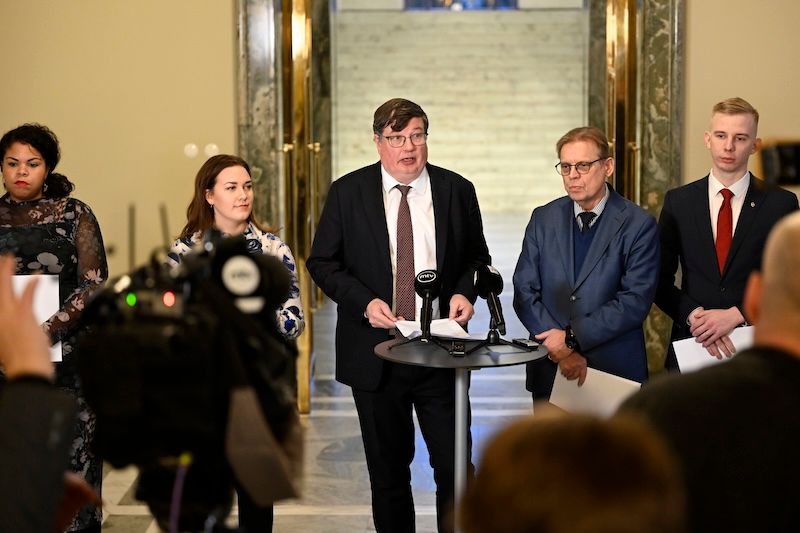
Arto Satonen, chair of the Parliament’s Employment and Equality Committee, has confirmed full support for the government’s proposal. Speaking at a press briefing, he noted that hiring even one worker can be a major decision for a small business, and easing dismissal rules may encourage employers to recruit more confidently.
Supporters of the proposal argue that it will reduce barriers to employment and improve the operating environment for small and medium sized companies. The committee clarified that the reform does not change rules on layoffs due to redundancy or structural reforms, nor does it modify the dismissal procedures for civil servants.
Although the proposal excludes civil service employment, the committee has recommended that future governments re examine the dismissal threshold in public sector roles to avoid a long term imbalance between private and public sector workers.
Opposition parties have strongly condemned the plan. Lauri Lyly of the Social Democratic Party described it as a weakening of fundamental employee protections. He warned that the new threshold may remain unclear until case law develops over several years. Lyly also highlighted that around 12,400 people are dismissed annually for personal reasons, and another 14,600 are dismissed during probation, suggesting that the risk could rise further.
Testimony presented to the committee raised serious concerns about increased workplace discrimination, particularly affecting employees who are pregnant or on parental leave. As a safeguard, the committee added a requirement to monitor discrimination related impacts until 2028.
The Centre Party, though not part of the current governing coalition, proposed limiting the reform to companies with fewer than 20 employees. MP Olga Oinas Panuma argued that this approach would support small firms without disrupting sensitive sectors such as public healthcare and education.
Critics have labeled the reform the termination law, warning that it shifts power toward employers while raising uncertainty for workers. They also argue that younger employees, women and lower income groups may face disproportionate risks under the new rules.
Despite the political divide, the Employment and Equality Committee approved the proposal with majority backing. Two dissenting opinions were attached to the final report, signalling that the debate over job security and fairness will continue as the full parliamentary vote approaches.