Streetwear brands became luxury not by accident but by a cultural shift that took years to mature. What started as neighborhood fashion tied to skate culture, hip hop, and youth rebellion evolved into something that could sit beside couture houses on Paris runways.
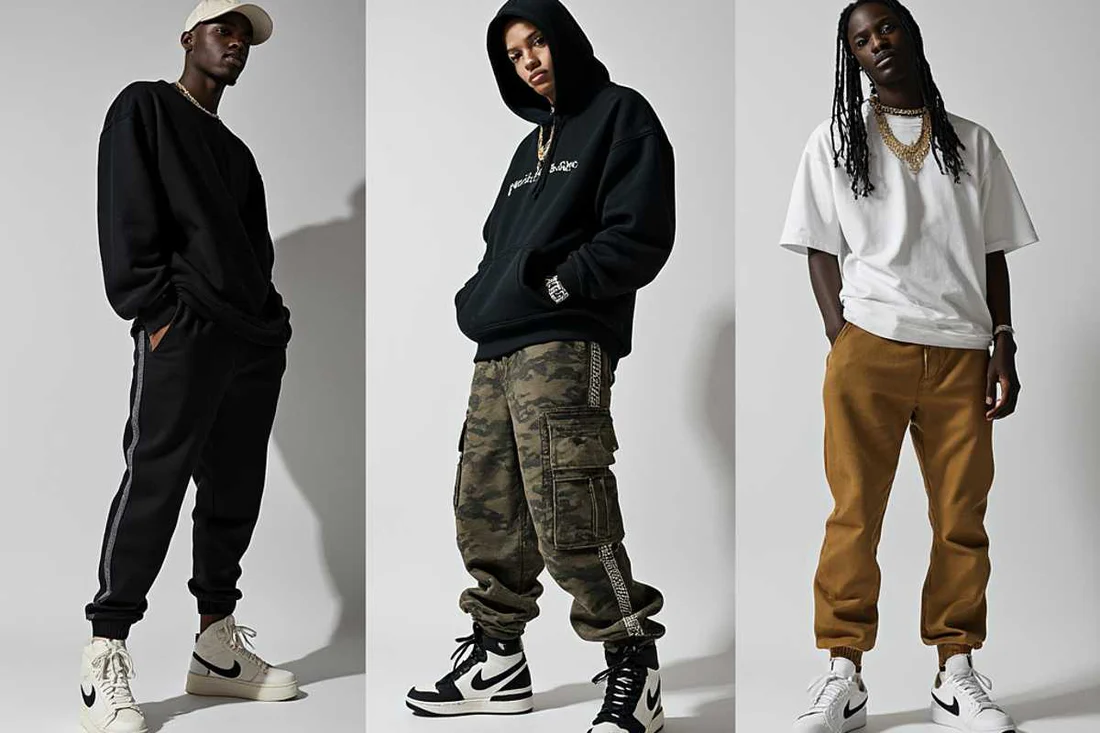
The journey from graphic tees and sneakers to high-priced exclusives tells us about society, aspiration, and the way fashion redefined status in the 21st century.
The Roots of Streetwear
Streetwear began in the 1980s and 1990s, tied to subcultures that valued identity over mass fashion. Skaters, graffiti artists, and underground musicians wanted clothing that reflected their world. Brands like Stussy, Supreme, and A Bathing Ape did not follow fashion calendars but dropped items in limited runs. This scarcity built hype and created a new form of cultural capital. Instead of elegance, streetwear gave people authenticity, and that authenticity became more valuable than polished tailoring.
The Shift Toward Luxury Appeal
The turning point came when exclusivity and scarcity turned into status symbols. A limited hoodie from Supreme began to mean more than a logo suit from a traditional luxury house. High-end fashion started to recognize that energy. Collaborations between Louis Vuitton and Supreme, or Dior and Nike, blurred the lines between street culture and luxury design. Scarcity, identity, and cultural clout made streetwear the new luxury language.
How Streetwear Brands Became Luxury in Consumer Perception
Consumers in the 2000s and 2010s began to see streetwear not as casual but as a premium code. Young buyers no longer wanted just tailoring and leather shoes. They wanted sneakers worth thousands, limited jackets, or exclusive drops that only a few could secure. Luxury shifted from heritage and craftsmanship alone to rarity and cultural relevance. This is how streetwear brands became luxury in the eyes of consumers: by shaping desire around access and identity.
The Role of Hype Culture and Social Media
Platforms like Instagram and TikTok amplified the hype around drops. Photos of people lining up for hours, resale markets pushing prices sky high, and influencers styling hoodies with watches worth six figures created a new mix of luxury aesthetics. The resale market also made scarcity measurable, since a $150 retail hoodie could resell for $1500. The buzz and the waitlist became as important as the product itself.
Streetwear and Luxury Fashion Houses
Luxury brands once built their names on haute couture and exclusivity rooted in heritage. Today, they borrow heavily from streetwear codes. Runways are filled with oversized silhouettes, sneakers, and graphic logos. Streetwear brands became luxury by forcing traditional fashion houses to adopt their rules. Instead of dictating fashion from the top down, luxury began listening to what was happening on the street.
Future of Streetwear as Luxury
The merging of streetwear and luxury is not a temporary wave. With Gen Z and younger millennials defining consumption habits, the blend of cultural value, scarcity, and digital hype will remain central. Luxury will not only mean finely tailored suits or evening gowns, but also limited sneakers, collaborations, and street-rooted designs that reflect global culture. The way streetwear brands became luxury has already redefined fashion, and the influence will only grow.