Wedding guest outfit etiquette is one of those topics that sounds simple until you are actually invited to a wedding and have to decide what to wear. Unlike an ordinary party or social gathering, a wedding carries layers of symbolism, cultural meaning, and emotional weight. The couple invests enormous time and energy into making the day perfect, and every detail counts. As a guest, the way you dress is not just about fashion. It is a statement of respect, a gesture of support, and in many ways, part of the unspoken language of the day.
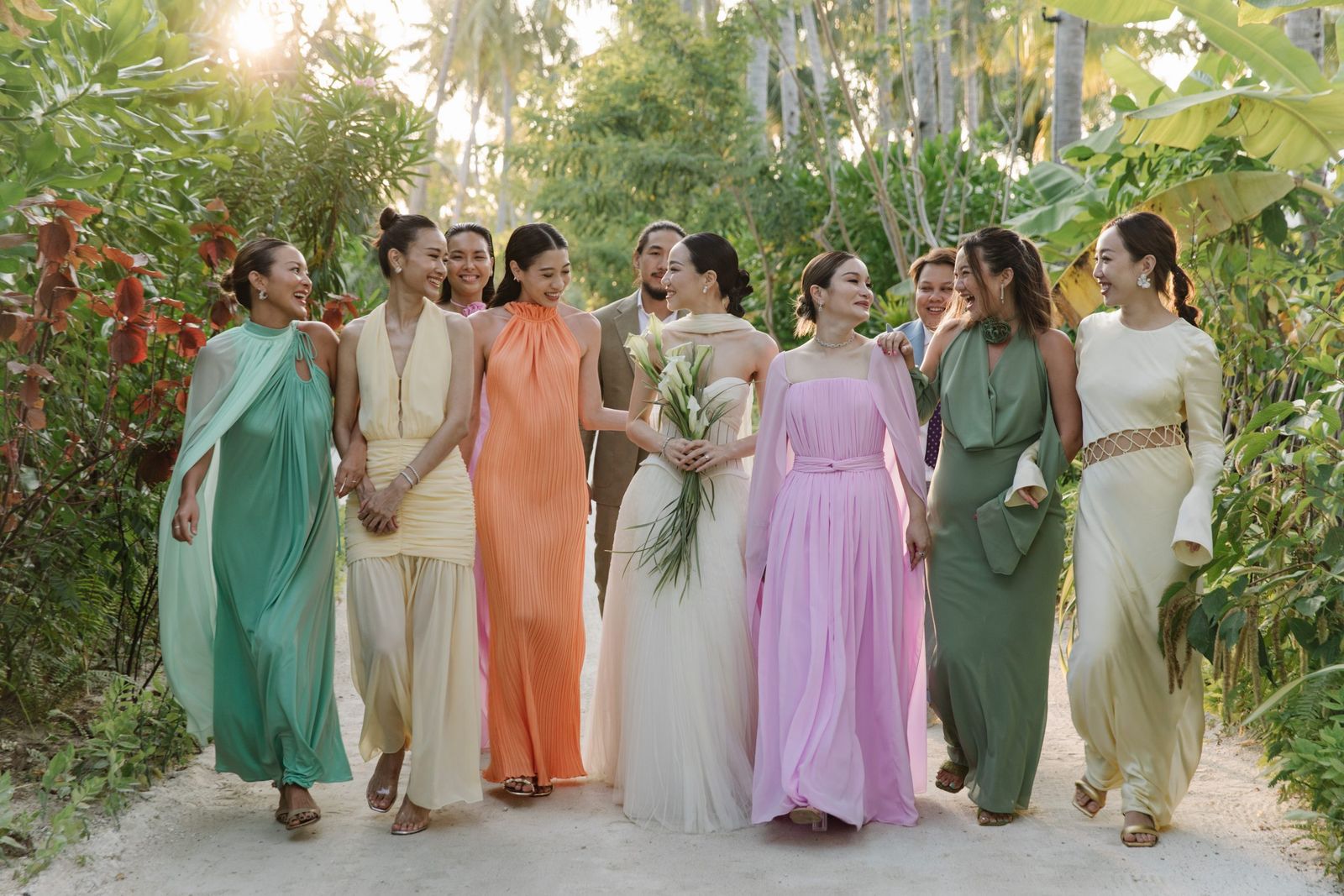
The reality is that people often remember what others wore at a wedding. Some guests are praised for their elegance, while others are quietly criticized for breaking unspoken rules. This is why dressing correctly is not about being noticed, but about blending in with grace. The goal is to celebrate the couple, honor the occasion, and avoid becoming a distraction.
Below is a comprehensive and deeply detailed guide to mastering wedding guest outfit etiquette, covering everything from basic rules to cultural nuances and seasonal considerations.
The Foundation of Wedding Guest Outfit Etiquette
At its heart, wedding guest outfit etiquette is about balance. Guests should look polished and celebratory without stealing focus from the bride and groom. That balance can be difficult to achieve because weddings vary in formality, culture, and location. Still, there are core rules that rarely change.
- Avoid white, ivory, or cream unless asked – In Western weddings, white is reserved for the bride. Even off-white shades can feel too close to bridal wear. Guests who wear white risk being whispered about, even if they meant no harm.
- Dress to enhance, not dominate – This is not the place for overly revealing cuts, blinding neon shades, or clothing that shouts for attention. The goal is sophistication.
- Respect the tone of the event – A rustic barn wedding, a city ballroom event, and a beach ceremony all carry very different dress expectations. Your clothing should mirror the tone.
Understanding these fundamentals is the first step toward being the kind of guest who adds to the harmony of the day rather than causing awkward conversations.
Decoding the Dress Code
Many invitations specify a dress code, which is your clearest guideline. If the couple provides direction, follow it carefully. Misinterpreting or ignoring the dress code is one of the fastest ways to stand out for the wrong reasons.
- Black Tie: The most formal of common wedding dress codes. Men should wear tuxedos, while women should choose floor-length gowns or highly elegant cocktail dresses. Think refined, understated, and timeless. Sequins are acceptable but should be tasteful.
- Formal or Black Tie Optional: A slight step down from black tie. Women may choose between a long gown or a stylish midi or cocktail dress. Men can wear a tuxedo but a dark suit with a conservative tie is also appropriate.
- Semi-Formal or Cocktail: This is one of the most popular dress codes. Women can wear cocktail dresses, midi dresses, or sophisticated separates. Men should wear suits, preferably in darker shades for evening events and lighter shades for daytime.
- Casual or Beach Wedding: Lighter, relaxed clothing is allowed, but that does not mean jeans or flip-flops. Women might wear flowy sundresses or light midi dresses, while men can choose linen shirts with dress trousers. Always maintain a neat, intentional look.
When in doubt, lean toward formality. Being slightly overdressed will always look better than being noticeably underdressed.
Matching Outfit Choices to Venue and Season
The location of the wedding is a powerful clue about what you should wear. A church ceremony demands a different level of modesty than a vineyard celebration. Likewise, a seaside wedding will not accommodate the same shoes or fabrics as a hotel ballroom.
- Church Weddings: Outfits should lean toward conservative. Women might consider shawls or jackets to cover shoulders if the ceremony is held in a traditional or religious setting. Men should always wear ties and polished shoes.
- Outdoor Weddings: Fabrics should be light, breathable, and practical. Stilettos can sink into grass, so wedges or block heels are more appropriate.
- Winter Weddings: Velvet, brocade, or heavy silk are perfect choices. Rich colors like emerald, navy, or deep burgundy create a sense of warmth and formality.
- Summer Weddings: Chiffon, linen blends, and soft cottons keep the look elegant yet comfortable. Avoid overly dark shades for midday ceremonies.
Footwear requires special thought. Comfort is just as important as style, since weddings often involve hours of standing, walking, and dancing. Choosing impractical shoes can make the day miserable for you and distracting for others.
Navigating Cultural and Religious Etiquette
Global weddings add a layer of complexity because color, modesty, and symbolism can vary widely between traditions.
- In Chinese weddings, red is often reserved for the bride since it symbolizes joy and prosperity. Guests should avoid wearing red so as not to compete.
- In Hindu ceremonies, black is often avoided as it represents mourning, while bright festive colors are encouraged.
- In Middle Eastern or Islamic weddings, modesty is usually valued. Women may be expected to cover shoulders and arms.
- In Western Christian traditions, head coverings or shawls may be expected in certain churches.
When in doubt, do research or ask the couple or a family member for guidance. Following cultural etiquette shows genuine respect and prevents accidental offense.
The Role of Accessories and Grooming
Accessories should enhance your outfit, not dominate it. Jewelry that is too loud or oversized can look distracting in wedding photos. Instead, opt for pieces that complement your clothing. A clutch bag, elegant watch, or subtle necklace adds sophistication without stealing focus.
Personal grooming is equally important. A perfectly chosen outfit will lose impact if it looks wrinkled or paired with unpolished shoes. Nails should be neat, hair styled, and clothing freshly pressed. Even fragrance requires care. Overpowering perfumes or colognes can cause discomfort in crowded spaces, so choose a light scent or skip it altogether.
Common Mistakes Guests Make
Even well-intentioned guests sometimes stumble. These are the mistakes most often remembered after weddings:
- Wearing white or bridal-like outfits
- Choosing casual wear like jeans, sneakers, or overly relaxed sundresses
- Ignoring the dress code provided on the invitation
- Wearing uncomfortable shoes that ruin the evening
- Selecting something overly revealing or inappropriate for the setting
- Over-accessorizing in a way that distracts from the couple
Avoiding these pitfalls ensures you remain a respectful and celebrated part of the wedding experience.
Mastering wedding guest outfit etiquette is about more than following fashion trends. It is about reading the room, respecting traditions, and being mindful of the couple and their families. By paying attention to dress codes, cultural norms, seasonal considerations, and grooming details, you can confidently attend weddings without fear of missteps.
At the end of the day, your presence is meant to honor the couple. Dressing with care shows you took the time to prepare, not just for yourself but for them. It is a quiet way of saying, “I respect this moment, and I am here to celebrate with dignity and joy.”