Airports located in two countries are among the rarest and most fascinating transport hubs in the world. They exist on international borders where geography and diplomacy intersect, creating gateways that serve more than one nation at once. These airports are not just points of departure and arrival, they are symbols of cooperation, shared history, and sometimes complicated agreements that allow planes and people to move across borders seamlessly.
The Unique Nature of Airports on International Borders
Most airports operate under the authority of a single country. However, airports located in two countries must follow a different model. They are governed by binational treaties or agreements, which define everything from customs procedures to air traffic management. These facilities allow travelers to enter either country directly from the airport terminal, making them more than just transport centers. They become international crossroads.
Unlike ordinary airports, these facilities require a careful balance. Security staff, border agents, and airlines must cooperate under dual sets of regulations. Sometimes even the airport building itself is divided into separate zones that are considered different national territories. In other cases, the runway sits in one country while the terminal lies in another. Each case reflects unique political and geographic circumstances.
Examples of Airports Located in Two Countries
1. Geneva International Airport (Switzerland and France)

Perhaps the most famous example is Geneva International Airport. While it is officially in Switzerland, the airport has a special French sector. This arrangement allows travelers from France to access the airport without passing through Swiss border controls. The French sector connects directly to the French road network, making the airport effectively binational.
2. Basel-Mulhouse-Freiburg Airport (France, Switzerland, Germany)
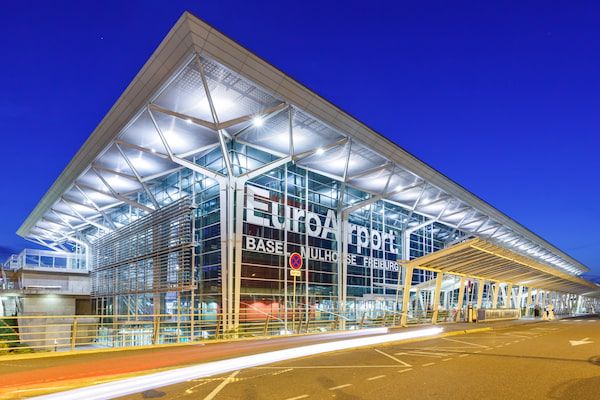
Known as EuroAirport, this facility is located in France but jointly managed by Switzerland and France, with Germany also heavily involved. Travelers can reach the airport from three different countries, and it serves as a vital hub for the Upper Rhine region. Its governance model is highly unusual, with shared responsibility and revenue distribution.
3. Tijuana-San Diego Cross Border Xpress (Mexico and USA)

While not an airport building split across two nations, the Cross Border Xpress (CBX) terminal connects directly to Tijuana International Airport from the United States side. A dedicated bridge links the airport in Mexico with a passenger facility in California. Travelers can check in and cross the border in minutes, making this one of the most innovative binational airport solutions in the world.
4. Llanos de la Frontera (Spain and Portugal, historical case)
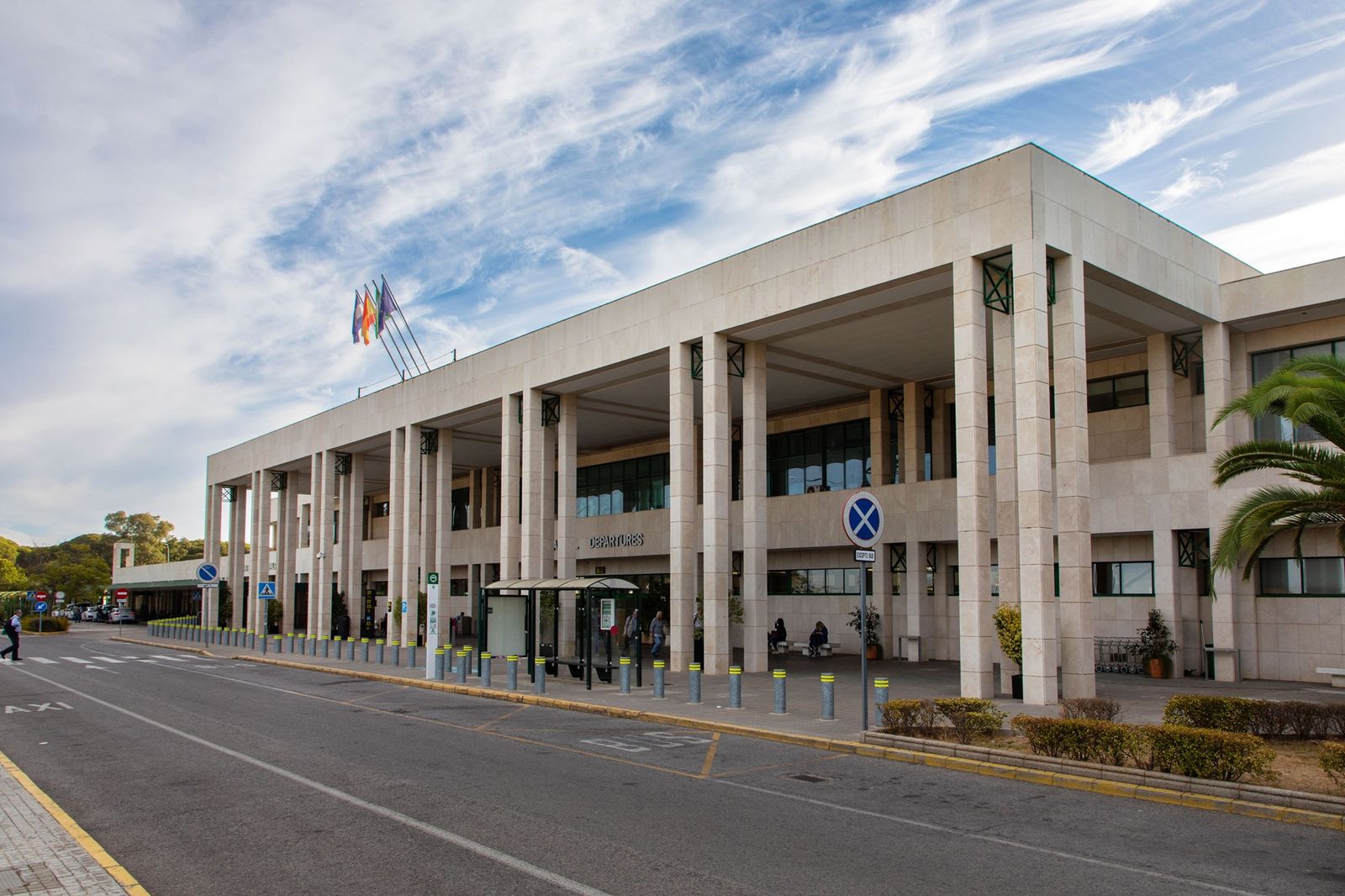
Although less well-known today, this airstrip was used during the mid-20th century by both Spain and Portugal. It highlights how shared airports are not only modern inventions but have historical precedents.
Challenges of Binational Airports
Running airports located in two countries is not without difficulties. There are constant negotiations over air traffic rights, taxes, and revenue sharing. Customs and immigration policies can also complicate travel. For example, if one country changes its visa requirements, the shared airport must adapt quickly. Security rules are another challenge since two national authorities may not always align.
Despite these obstacles, binational airports remain successful examples of cross-border cooperation. They often become symbols of unity, especially in regions that share cultural or economic ties.
Why These Airports Matter
Airports located in two countries are not just about convenience. They are bridges that connect communities across borders. They reduce travel times, encourage tourism, and create a shared sense of responsibility between neighboring nations. In some cases, they also reduce tension by fostering collaboration.
For travelers, the experience of using a binational airport feels unique. It is not simply stepping into an airport terminal, it is stepping into a space where two nations overlap.