Lakes that change color are among the most fascinating natural spectacles on Earth. They draw scientists, travelers, and photographers alike, not just for their beauty but for the sense of mystery they hold. Watching a lake shift from turquoise to emerald, or from clear blue to deep pink, leaves visitors in awe. These transformations are not illusions. They are driven by geology, biology, chemistry, and climate, working together in ways that remind us how alive our planet truly is.
How do lakes change color?
The color of water is never fixed. It depends on what lies within the water and how light interacts with it. Some lakes change because of fine particles known as glacial flour. These particles come from rocks that glaciers grind down to powder. When sunlight hits them, it reflects a striking turquoise or milky blue. Other lakes owe their colors to algae or bacteria. Microscopic organisms can release pigments that paint entire lakes pink, red, or even purple.
In many cases, temperature plays a role. Warmer months may trigger algae blooms that shift a lake from green to red. Seasonal changes in rainfall and snowmelt can alter mineral levels, transforming a lake’s color from one season to the next. Even the angle of the sun matters. A lake that looks bright blue at noon can appear green or golden in the late afternoon.
Famous lakes that change color
Laguna Colorada, Bolivia
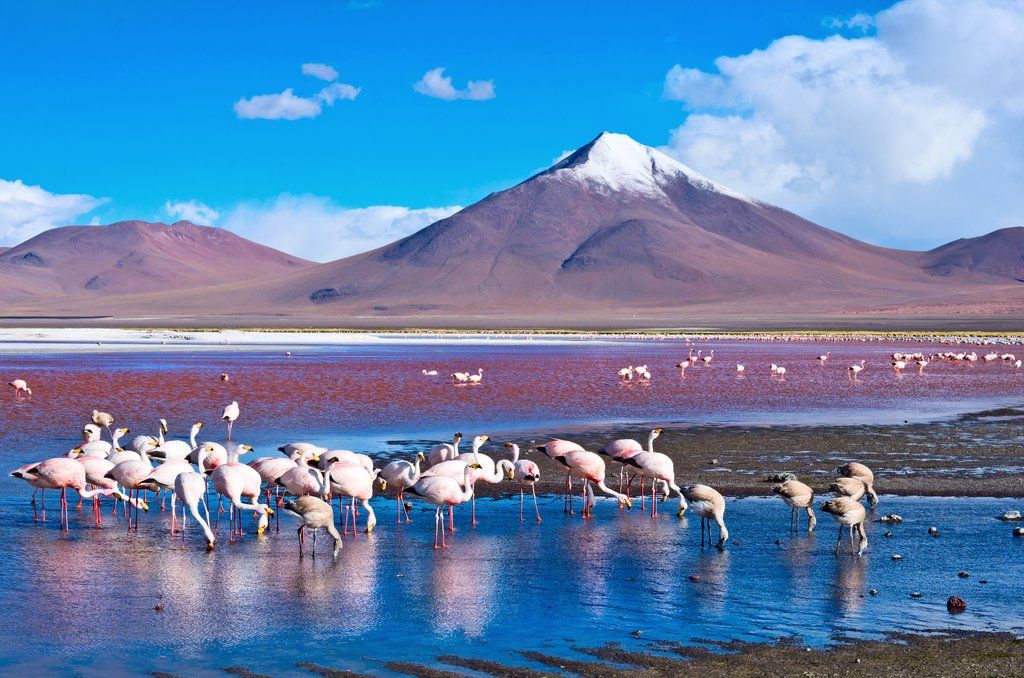
This shallow salt lake sits over 4,000 meters above sea level in the Bolivian Andes. Its surface often glows red or pink because of algae and mineral-rich sediments. At times, white patches form where salt concentrates, creating a canvas of red, pink, and white. Thousands of flamingos feed here, their pale feathers contrasting with the fiery waters. Laguna Colorada feels more like a dreamscape than a lake.
Lake Hillier, Australia
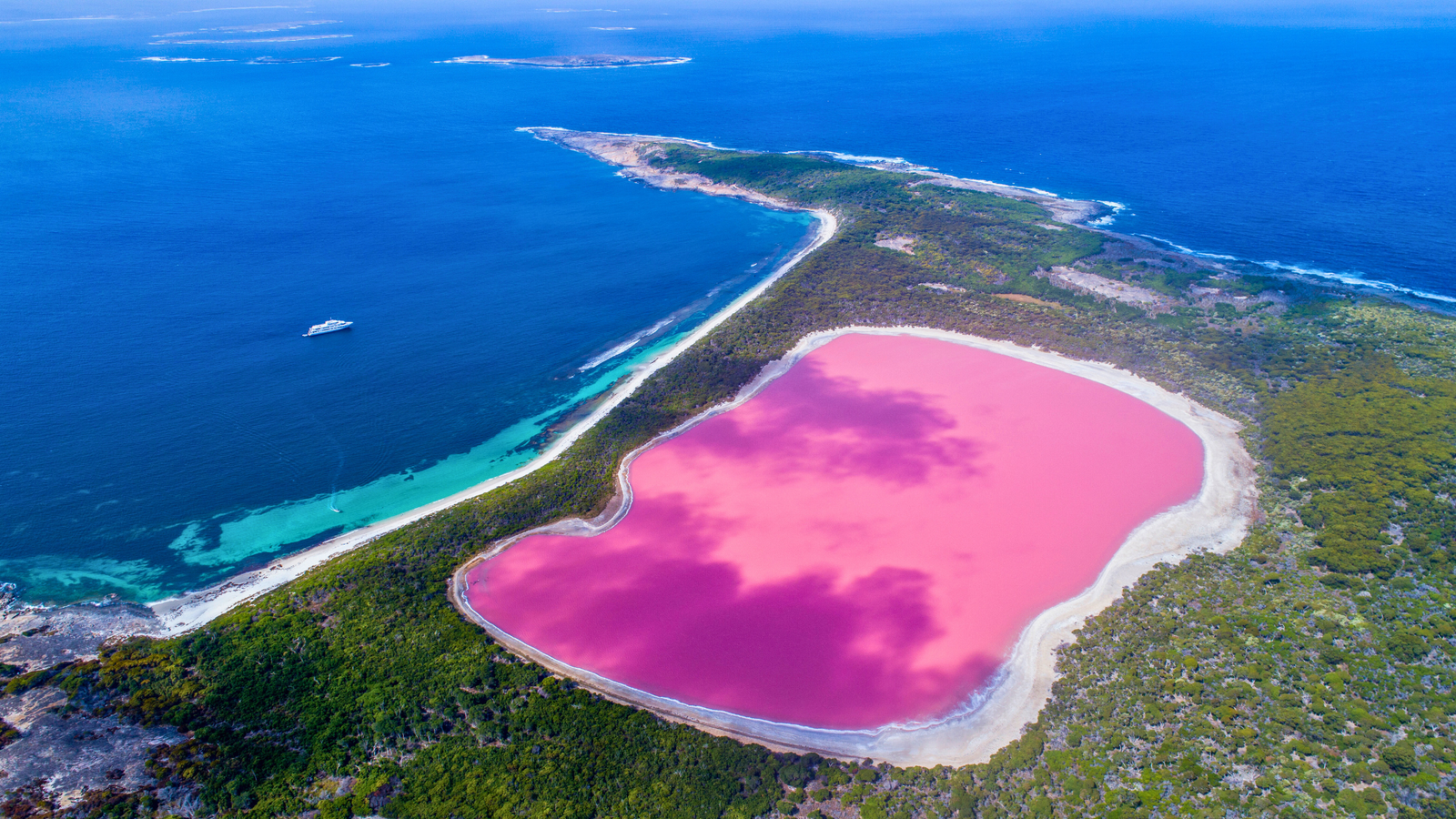
Lake Hillier is one of the most striking pink lakes in the world. Unlike other lakes where color changes with the season, Hillier stays pink year-round. The unique shade comes from algae and halophilic bacteria that thrive in its salty waters. Samples taken from the lake remain pink even outside the basin, proving the color is not just a reflection but part of the water’s biology. Surrounded by dense eucalyptus forest and separated from the sea by a thin strip of land, the contrast of pink against green and blue is unforgettable.
Jiuzhaigou Valley Lakes, China
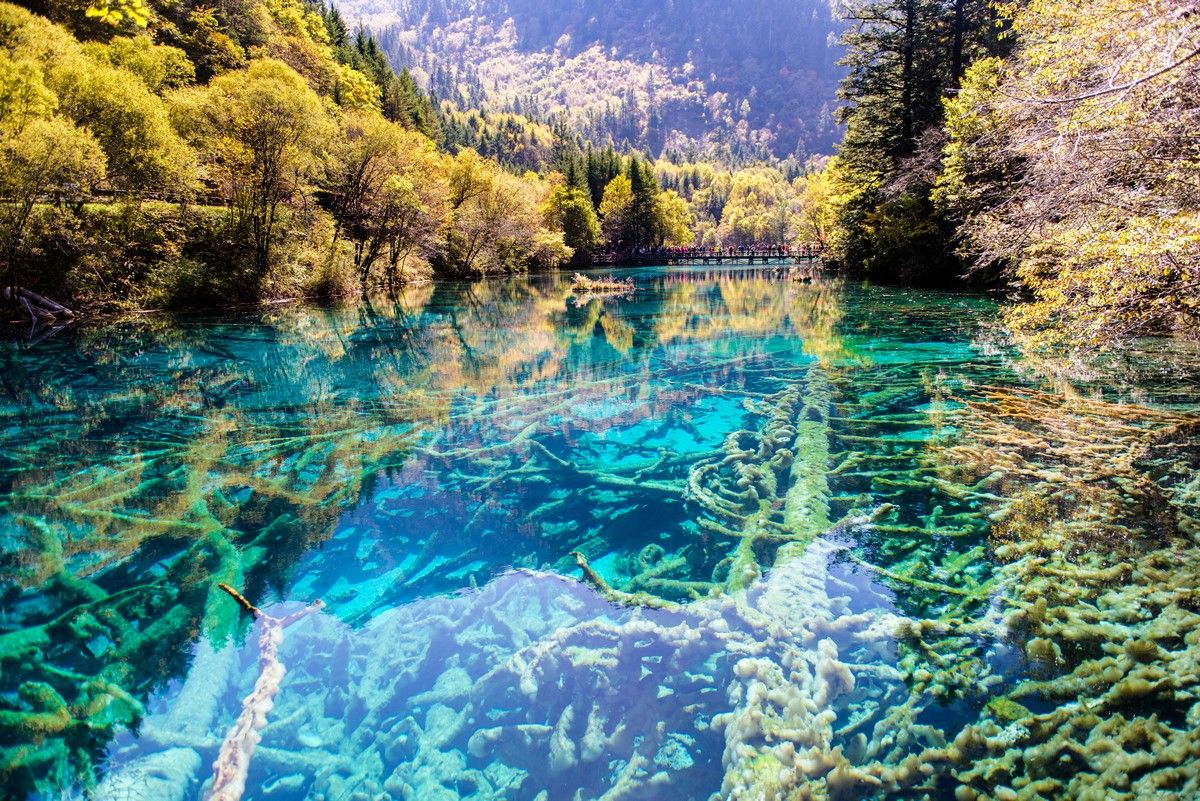
In Sichuan Province, Jiuzhaigou Valley is home to dozens of lakes that shift between turquoise, emerald, sapphire, and jade. These colors come from mineral deposits and reflections of the surrounding forests.
One lake, known as Five Flower Lake, is famous for its palette of greens, blues, and yellows, which can appear all at once depending on the angle of light. This UNESCO World Heritage site is celebrated not just for its beauty but also for the extraordinary clarity of its waters.
Lake Retba, Senegal
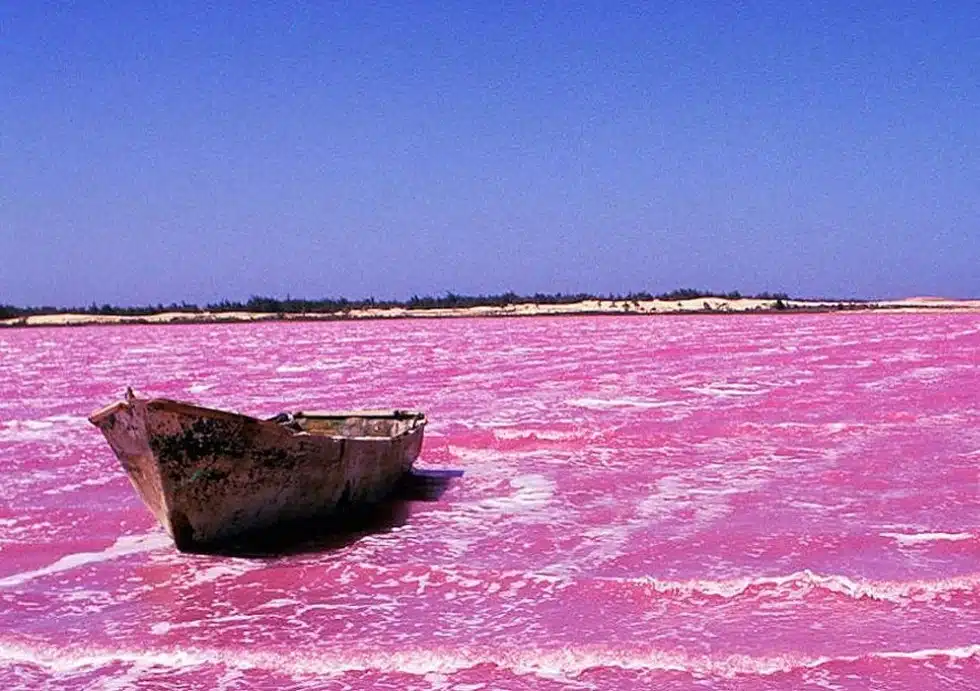
Lake Retba, or Lac Rose, is a small but extraordinary lake near Dakar. During the dry season, it takes on a vivid pink tone due to microorganisms that produce red pigments. The lake is also extremely salty, almost as saline as the Dead Sea, which allows people to float effortlessly. Local communities harvest salt here, piling white mounds along the shore that stand out sharply against the pink waters.
Moraine Lake, Canada
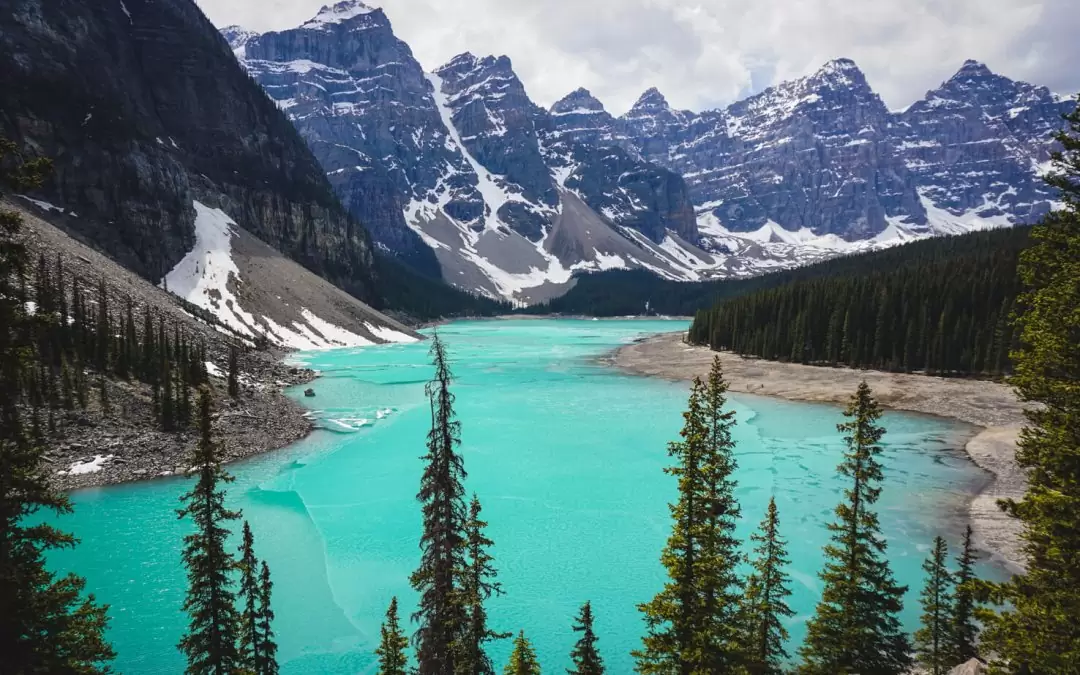
Nestled in the Valley of the Ten Peaks in Banff National Park, Moraine Lake is famous for its intense turquoise color. Fed by glaciers, the lake glows brightest in the summer when melting ice carries more rock flour into the water. As the season shifts, so does the hue, changing from pale aquamarine to deep turquoise. The reflections of the surrounding mountains make it one of the most photographed lakes in the world.
Kelimutu Lakes, Indonesia
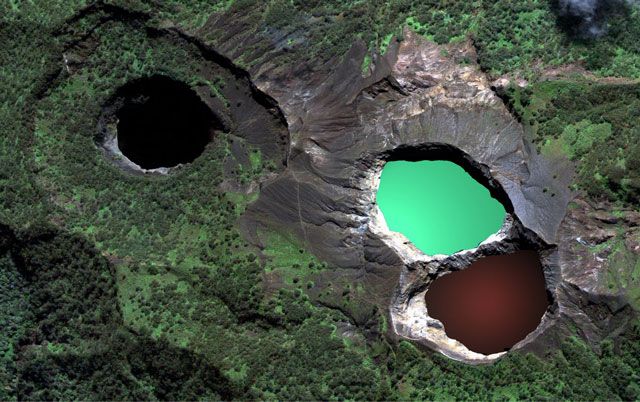
Mount Kelimutu on the island of Flores hosts three volcanic crater lakes that constantly change colors. Each lake can shift from blue to green, red, or black, and the lakes do not always change together. The variations come from volcanic gases and mineral reactions that alter the chemistry of the water. Local people see these lakes as sacred, believing they are resting places for departed souls.
Why lakes that change color matter
These lakes are more than tourist attractions. They are living laboratories where science and nature meet. Studying them helps researchers understand ecosystems, climate change, and geological processes. For travelers, they offer a rare chance to witness Earth in motion. Standing on the shore of a color-changing lake makes people feel both small and connected to something much larger.
Travel tips for visiting lakes that change color
Timing is everything. Many lakes reveal their most intense colors during summer, when algae or minerals are at peak levels. For glacial lakes, late summer is often best, as the meltwater is strongest.
Respect the environment. These ecosystems are fragile. Avoid swimming unless it is permitted, and never disturb the sediments or microorganisms that give the lakes their colors.
Prepare for altitude. High-altitude lakes such as Laguna Colorada can cause altitude sickness. Visitors should acclimatize slowly and stay hydrated.
Photography advice. The best photos come when the sun is high, but sunrise and sunset add golden tones that highlight the contrasts. A polarizing filter can help capture the clarity of the water.
The deeper meaning behind changing colors
The shifting colors of these lakes remind us that nature is never static. They embody the idea that beauty is born from change. Minerals dissolve, glaciers move, algae bloom, and sunlight shifts. Together, these forces create living artworks that are both scientific wonders and cultural treasures. Whether viewed as sacred places, research sites, or simply breathtaking travel destinations, lakes that change color hold a power that cannot be explained by science alone. They inspire awe because they show the Earth as dynamic and unpredictable, a reminder that the planet itself is alive.