Countries that are impossible to enter exist at the edges of the world map and human curiosity. They are places shrouded in secrecy, where the ordinary traveler is not just unwelcome, but often entirely barred by law, politics, or geography. The reasons for their inaccessibility vary.
Some are political fortresses, others are sites of ongoing conflict, and some carefully control access to preserve cultural heritage or strategic resources. Understanding these countries offers a rare glimpse into the forces that shape the borders of human experience.
North Korea – The Most Controlled Country on Earth
North Korea, officially the Democratic People’s Republic of Korea, is the ultimate example of an inaccessible nation. Foreign tourists are only allowed to enter through tightly controlled group tours. Independent travel is forbidden, and visitors are continuously monitored by government-appointed guides.
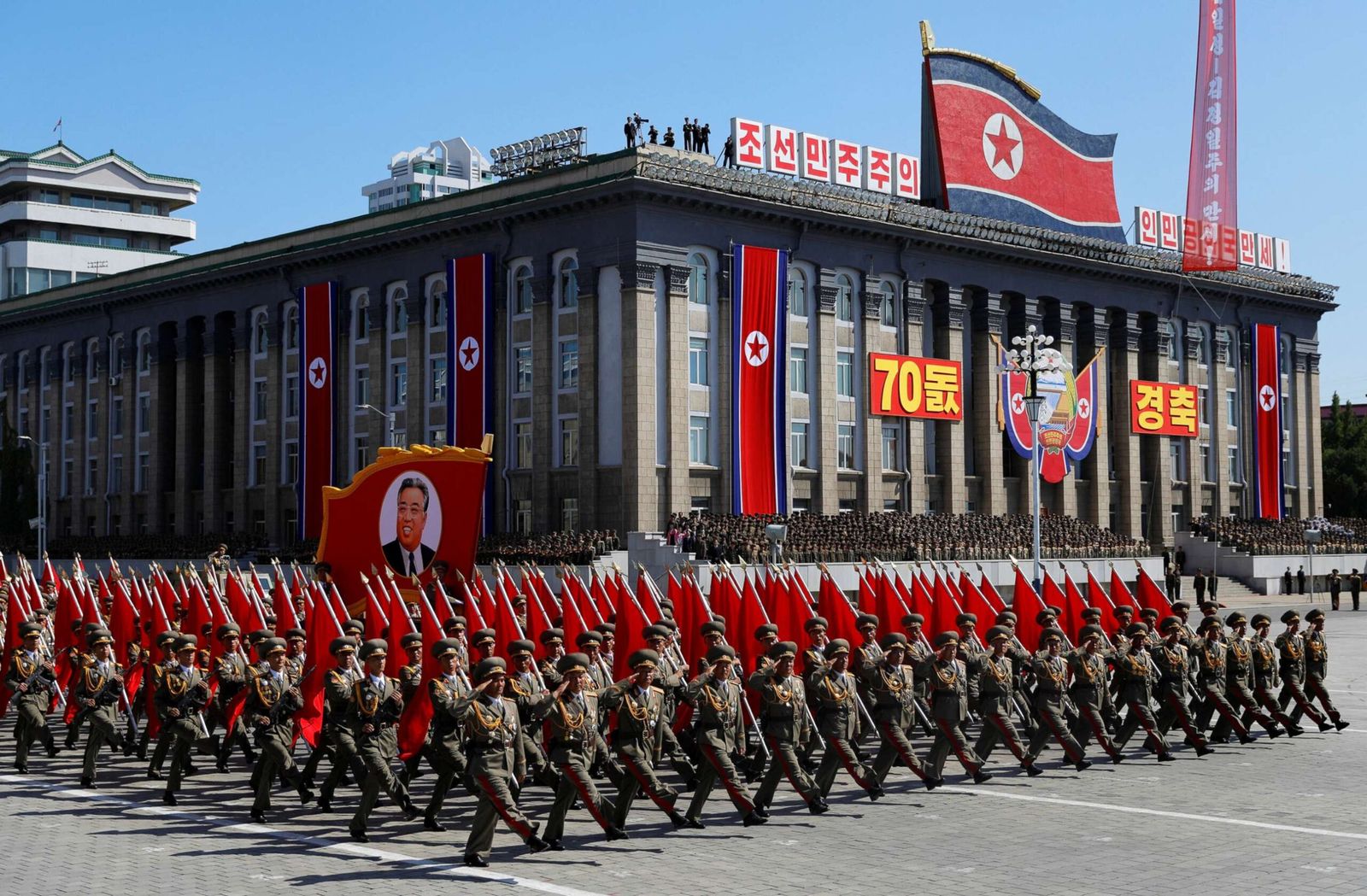
Cameras and phones are often inspected, and every interaction with locals is scrutinized. The government enforces strict rules about what can be photographed, and attempting to speak to ordinary citizens without supervision is strictly prohibited. The country’s isolation stems from decades of political doctrine aimed at maintaining absolute control over information and foreign influence. For most travelers, seeing North Korea firsthand is not just a journey, it is a rare intrusion into a state-engineered world frozen in time.
Eritrea – The Hidden Horn of Africa
Eritrea is another nation where entry is heavily restricted. Travelers require visas, but even with proper paperwork, admission is not guaranteed. The government maintains strict control over foreign visitors, limiting movement and access to information.
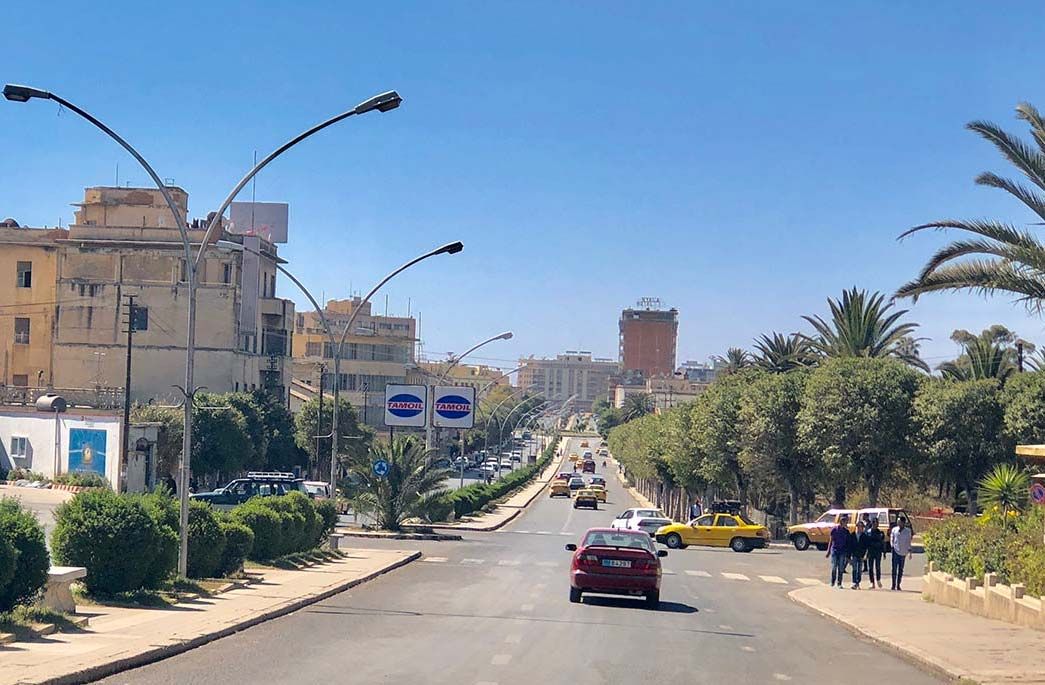
Independent travel is almost impossible, and journalists face severe constraints. Eritrea’s history of prolonged conflict and authoritarian governance contributes to its inaccessibility. For those who do manage to enter, the country reveals a mix of rugged landscapes, historical Italian colonial architecture, and traditional villages, yet every step is shadowed by the awareness of constant oversight.
Turkmenistan – The Silk Road Secret
Turkmenistan, located in Central Asia, has long been a closed nation. Every foreign visitor must obtain a government-approved guide, and traveling independently is strictly forbidden. Permits are difficult to acquire, and large areas, including desert expanses and military zones, are entirely off-limits.
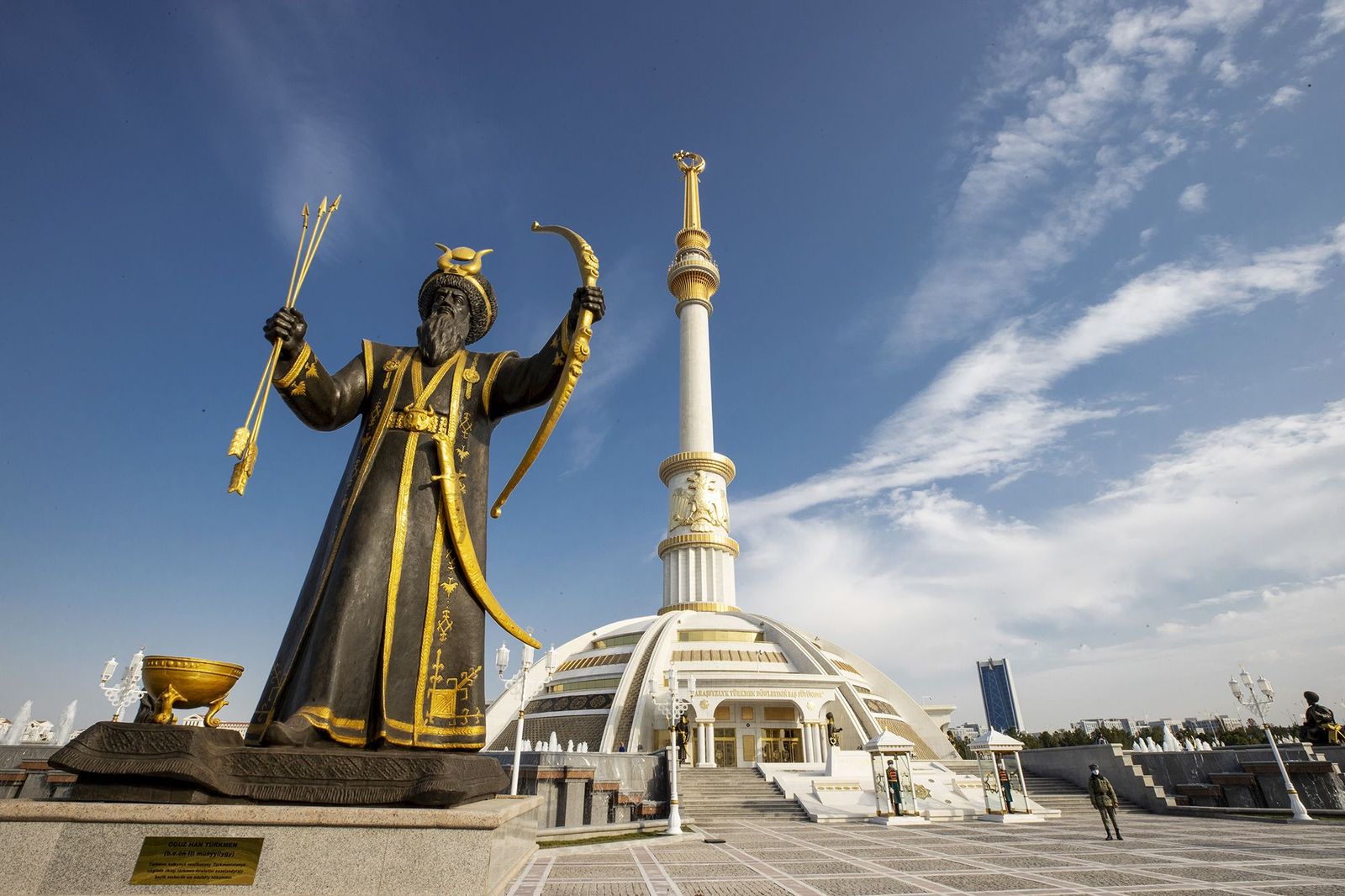
The country’s isolationist policies are rooted in its post-Soviet political history and a desire to control both tourism and internal information. For the rare traveler, glimpses of Turkmenistan’s surreal desert landscapes, golden marble architecture, and ancient Silk Road sites are framed by an ever-present awareness of surveillance.
Bhutan – The Kingdom of Measured Access
Bhutan, nestled in the Eastern Himalayas, controls access through a deliberate policy of “High Value, Low Impact” tourism. Visitors must book through government-approved agencies, pay a substantial daily fee that covers lodging, guides, and meals, and adhere to strict itineraries. Independent travel is prohibited.
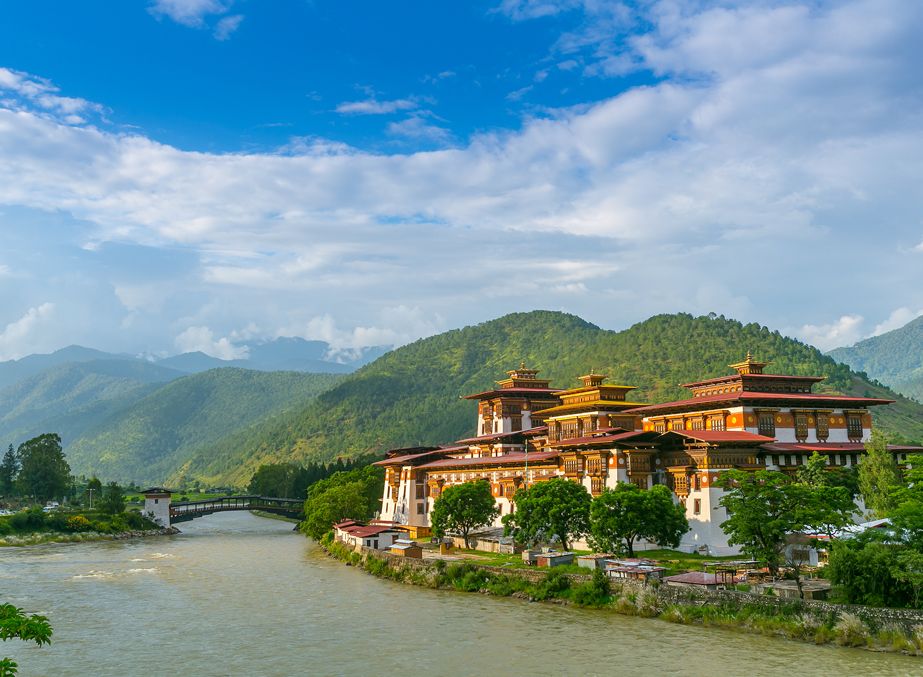
The Bhutanese government has carefully crafted this approach to preserve cultural integrity, environmental sustainability, and national identity. Entering Bhutan is not merely a logistical challenge; it is a lesson in how a country can define tourism on its own terms, balancing revenue with the protection of tradition and ecology.
Syria – Borders Closed by Conflict
Syria is effectively closed to most outsiders due to ongoing armed conflict. Border regions are controlled by various military factions, and access requires multiple layers of permits. Even humanitarian workers face significant hurdles.
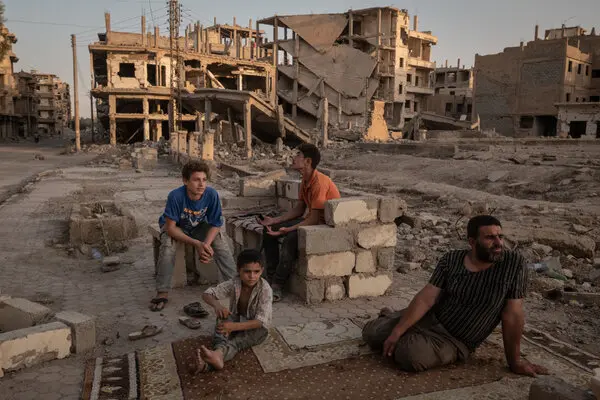
The risks include kidnapping, violence, and sudden border closures. Syria’s inaccessibility is not rooted in desire for secrecy, but in the harsh reality of warfare. For the few who navigate these challenges, Syria offers a glimpse of its ancient cities, historic ruins, and resilient communities, though such journeys are perilous and legally complicated.
Saudi Arabia – Restricted Access in the Heart of Arabia
Saudi Arabia historically limited access to virtually all travelers, reserving much of the country for religious purposes or official business. Although tourism visas have recently become more available, large regions remain inaccessible, including religiously significant areas restricted to Muslims and government or military zones that are off-limits.
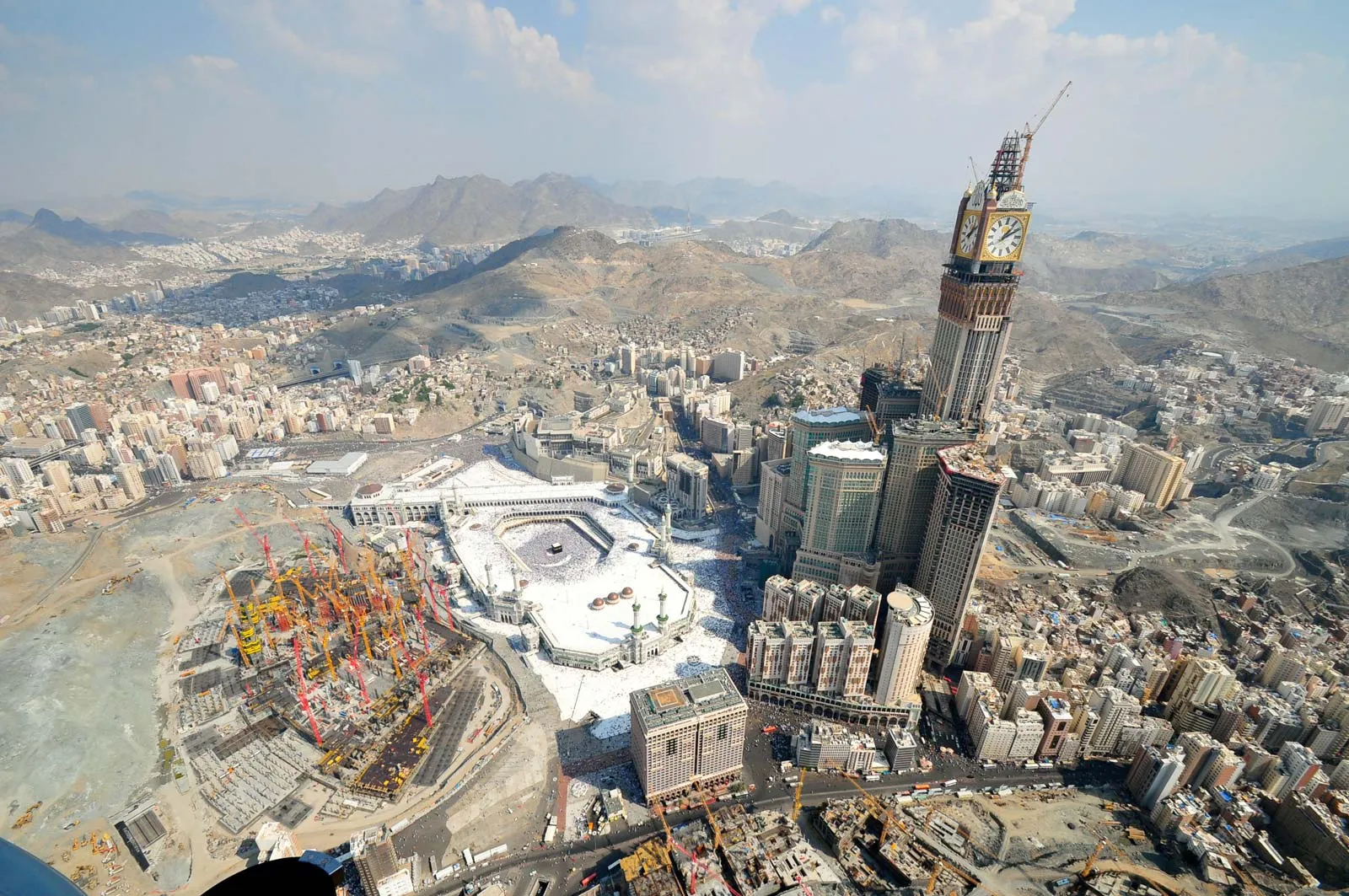
Entry is contingent upon compliance with complex regulations, and the government monitors visitors closely. Saudi Arabia’s controlled access reflects a combination of religious tradition, strategic security concerns, and cultural preservation.
Patterns Among Restricted Nations
Countries that are impossible to enter often share clear patterns. Strict government control, political isolation, and national security concerns are common factors. Geographic barriers, such as deserts, mountains, or conflict zones, reinforce physical inaccessibility. Governments may also restrict travel to maintain cultural heritage or prevent foreign influence. In many cases, entry requires significant preparation, legal compliance, and acceptance of close supervision. Attempting to bypass restrictions can lead to arrest, deportation, or even imprisonment. These nations offer a stark reminder that not all borders are drawn simply by geography; some are drawn by politics, ideology, and the deliberate preservation of secrecy.
Why Some Nations Stay Closed
There are many motivations for limiting access. Some countries fear foreign influence might disrupt political or social systems. Others aim to protect strategic resources or sensitive locations. Cultural preservation is a key factor in nations like Bhutan. Conflict and safety are central in Syria and Eritrea. For travelers, understanding these limitations is essential. These nations remain closed for reasons beyond convenience or tourism; they reflect a complex mix of history, governance, and geography that most outsiders will never fully experience. Access to these countries is rare, highly controlled, and often reveals a world deliberately hidden from global view.