Countries with no army represent a rare and fascinating category in global politics. In a world where most governments devote large budgets to weapons, training, and defense strategies, these nations have chosen a different path. Their security is maintained not through military power but through diplomacy, treaties, and alternative defense structures. For some, this decision was shaped by history. For others, it was driven by economic priorities or geographical advantages.
The idea that a sovereign state can survive and even thrive without a military challenges one of the longest-standing assumptions in international relations. Yet the examples below prove that peace, stability, and independence can sometimes be sustained without soldiers or tanks.
A Distinct Minority
The number of independent countries without standing armies is very small. Each of these states has developed unique ways to safeguard its people and maintain sovereignty. From microstates in Europe to islands scattered across the Pacific, their stories reflect a mix of pragmatism and principle. They remind the world that security does not always require firepower.
Vatican City
Vatican City has no army of its own. Its external defense is guaranteed by Italy, while internal security is managed by the famed Swiss Guard.
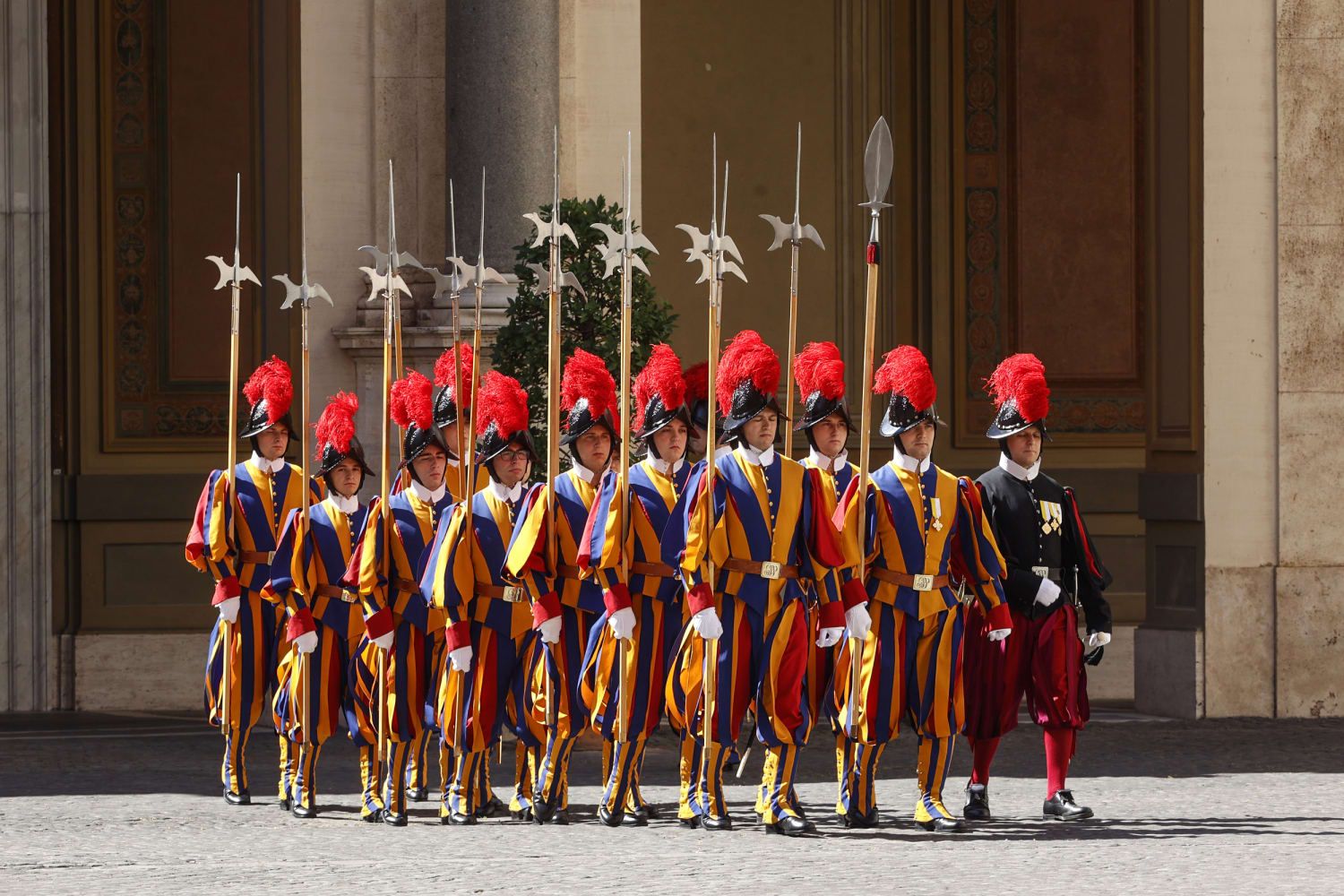
Although known for their traditional uniforms, the guards are trained professionals who act as the Pope’s protectors. The Vatican relies heavily on its international recognition as the center of the Catholic Church, making it one of the most secure microstates without needing military power.
Liechtenstein
Liechtenstein abolished its military in 1868 because the cost was unsustainable. Since then, the principality has relied on neutrality and agreements with Switzerland.
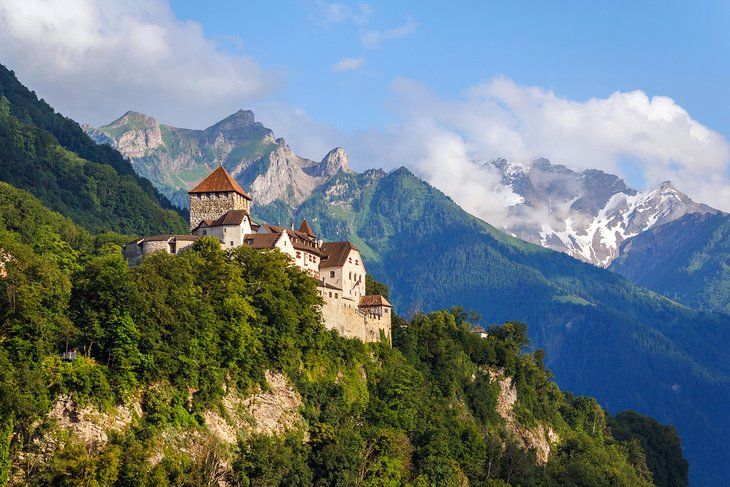
Instead of directing funds into defense, Liechtenstein invests in its economy and welfare system. Its prosperity and stable surroundings in Central Europe allow it to remain secure without an army.
Costa Rica
Costa Rica is perhaps the most celebrated example of a nation that functions without a military. In 1948, after a civil war, it permanently abolished its armed forces. Since then, it has redirected resources into education, health care, and environmental conservation.
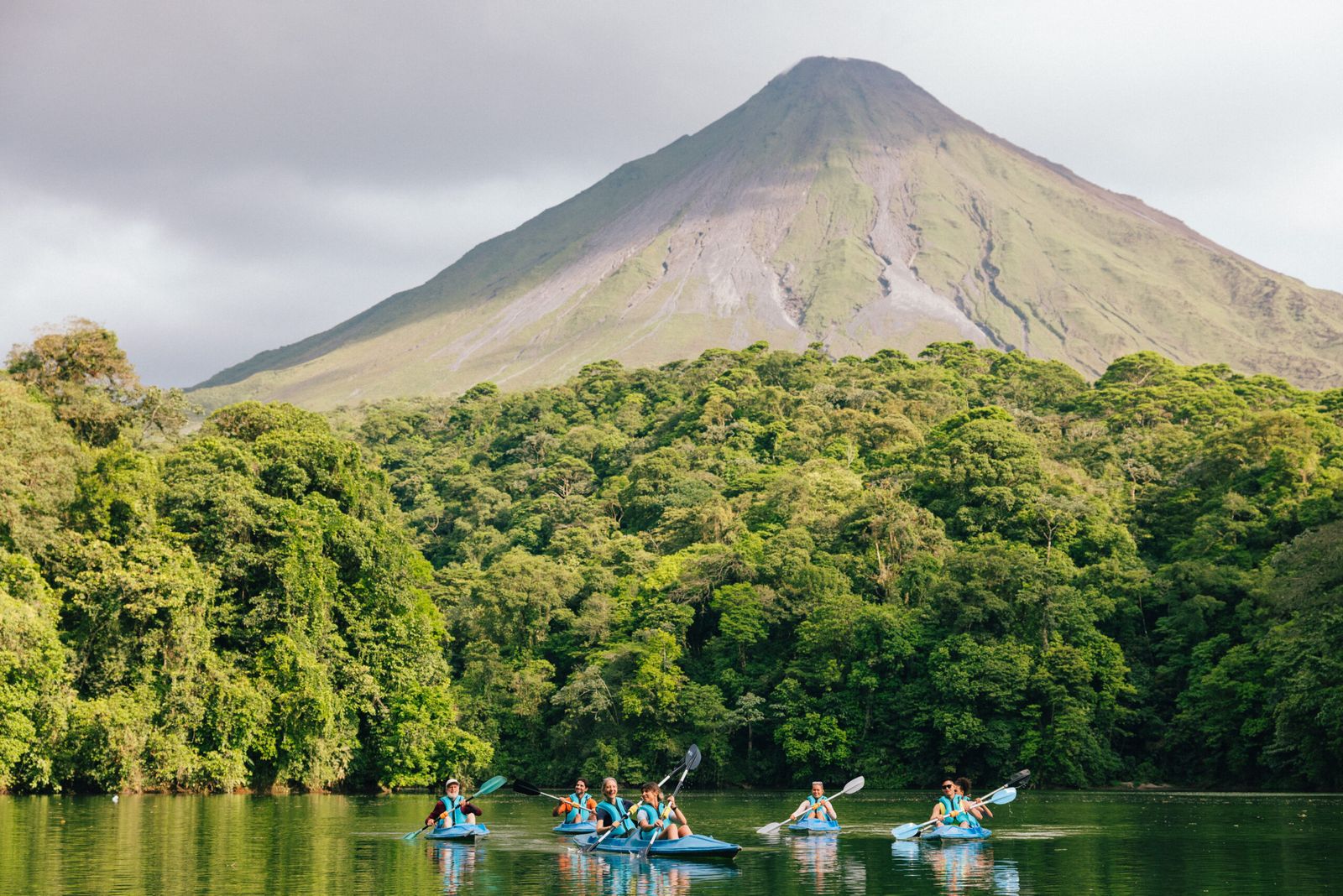
Costa Rica has built a reputation as one of Latin America’s most stable democracies. It relies on police for internal security and on international partnerships, especially with the United States, for external protection.
Iceland
Iceland has no standing army but is a NATO member, giving it security through alliances. Its defense is provided by the coast guard, a small crisis response unit, and allied forces rotating through the country.
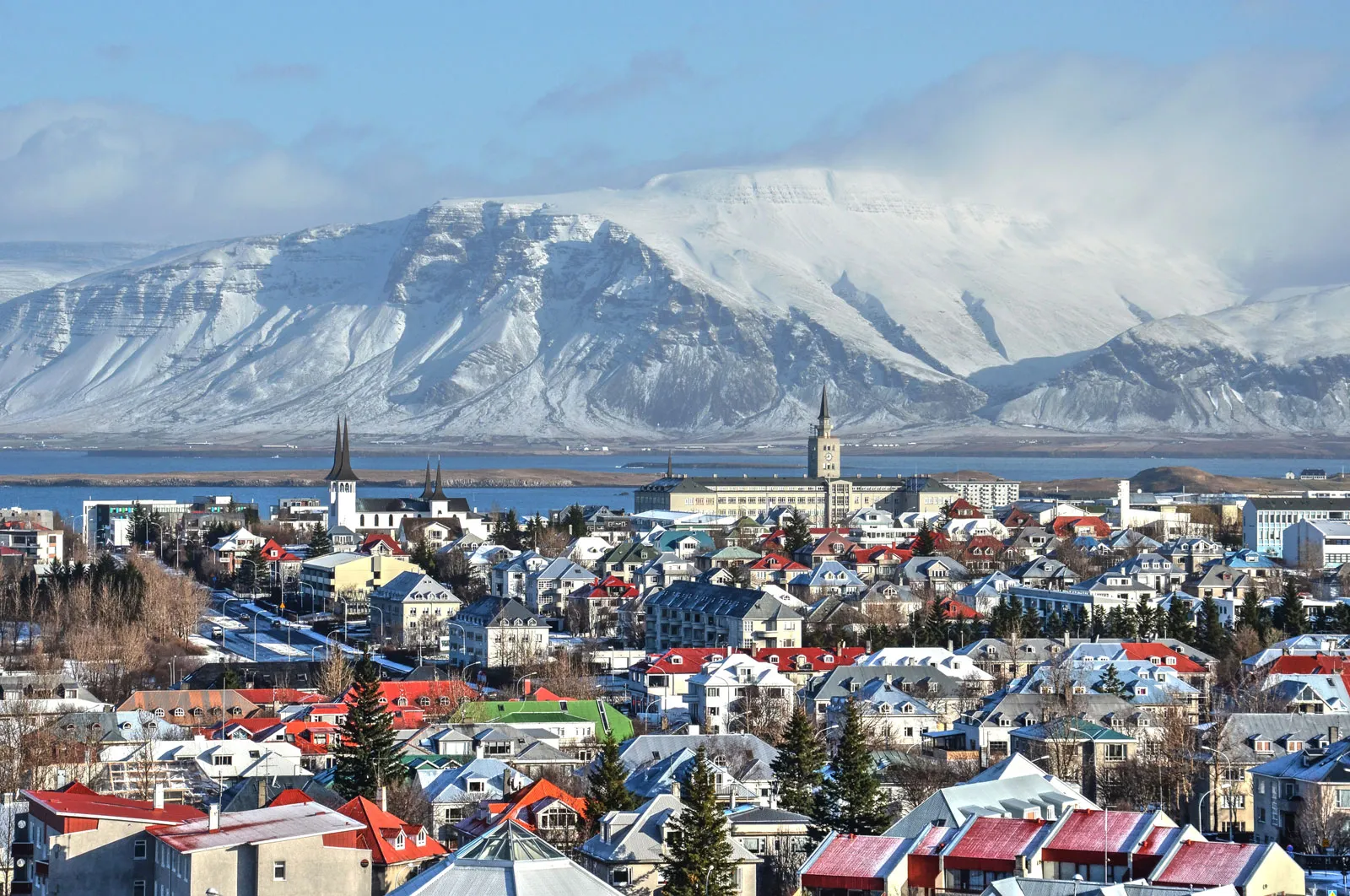
Iceland’s geographic position in the North Atlantic makes it strategically valuable, and this has strengthened its reliance on NATO cooperation rather than a national army.
Monaco
Monaco depends on France for defense. Within its borders, security is managed by small protective units that safeguard the royal family and maintain public order.

Monaco’s wealth and international standing act as further shields, reducing the need for an army of its own.
Panama
Panama abolished its army in 1990 after the removal of General Manuel Noriega. The constitution now forbids a standing military. Instead, Panama maintains public security forces for policing and border control.
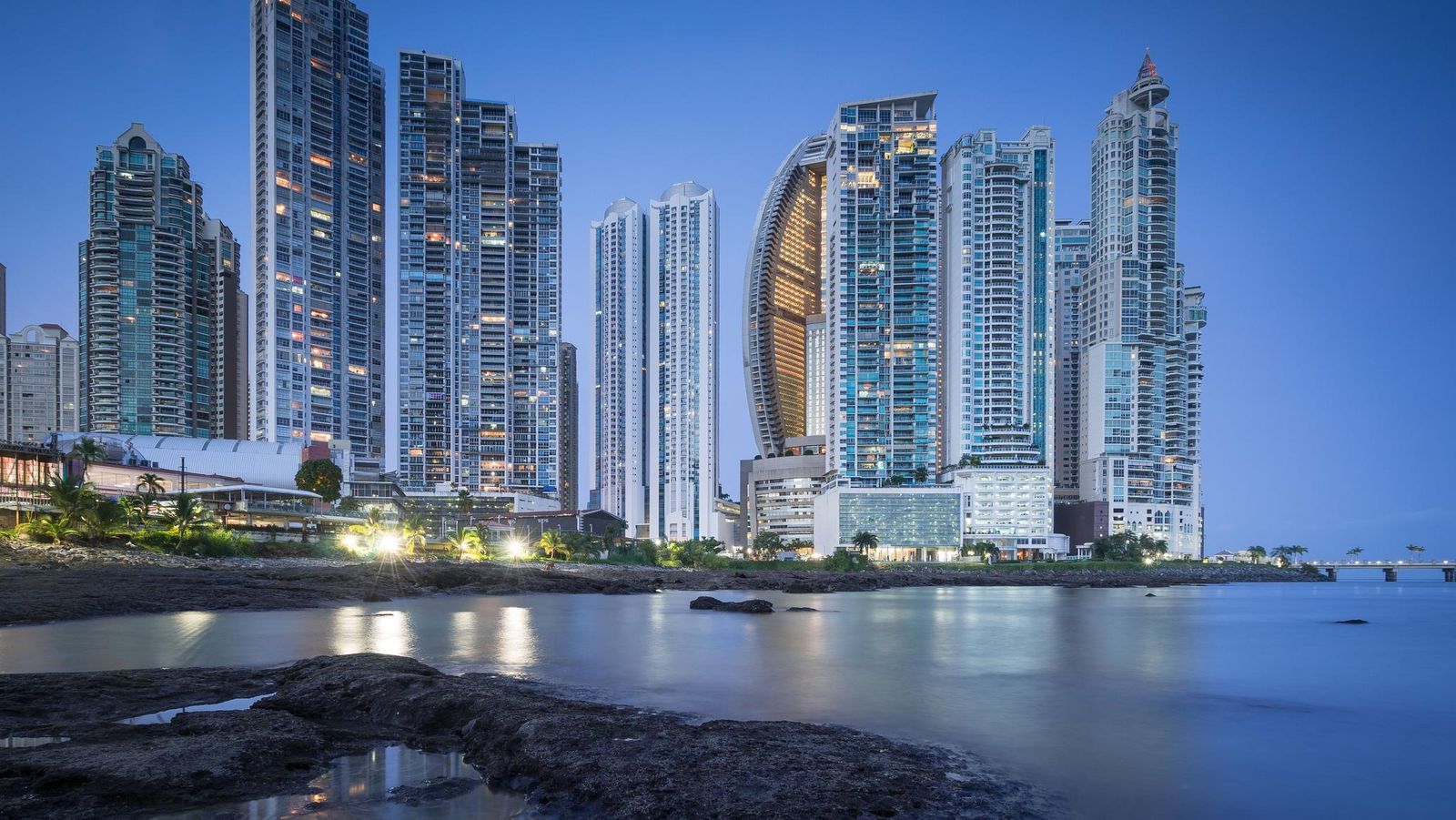
For external threats, it depends on close cooperation with the United States. This decision has allowed Panama to concentrate on managing the Panama Canal and fostering economic growth.
Mauritius
Mauritius operates without a traditional army. It relies on small security and paramilitary units to handle internal safety and maritime protection. For broader defense responsibilities, Mauritius looks to international partners such as India.
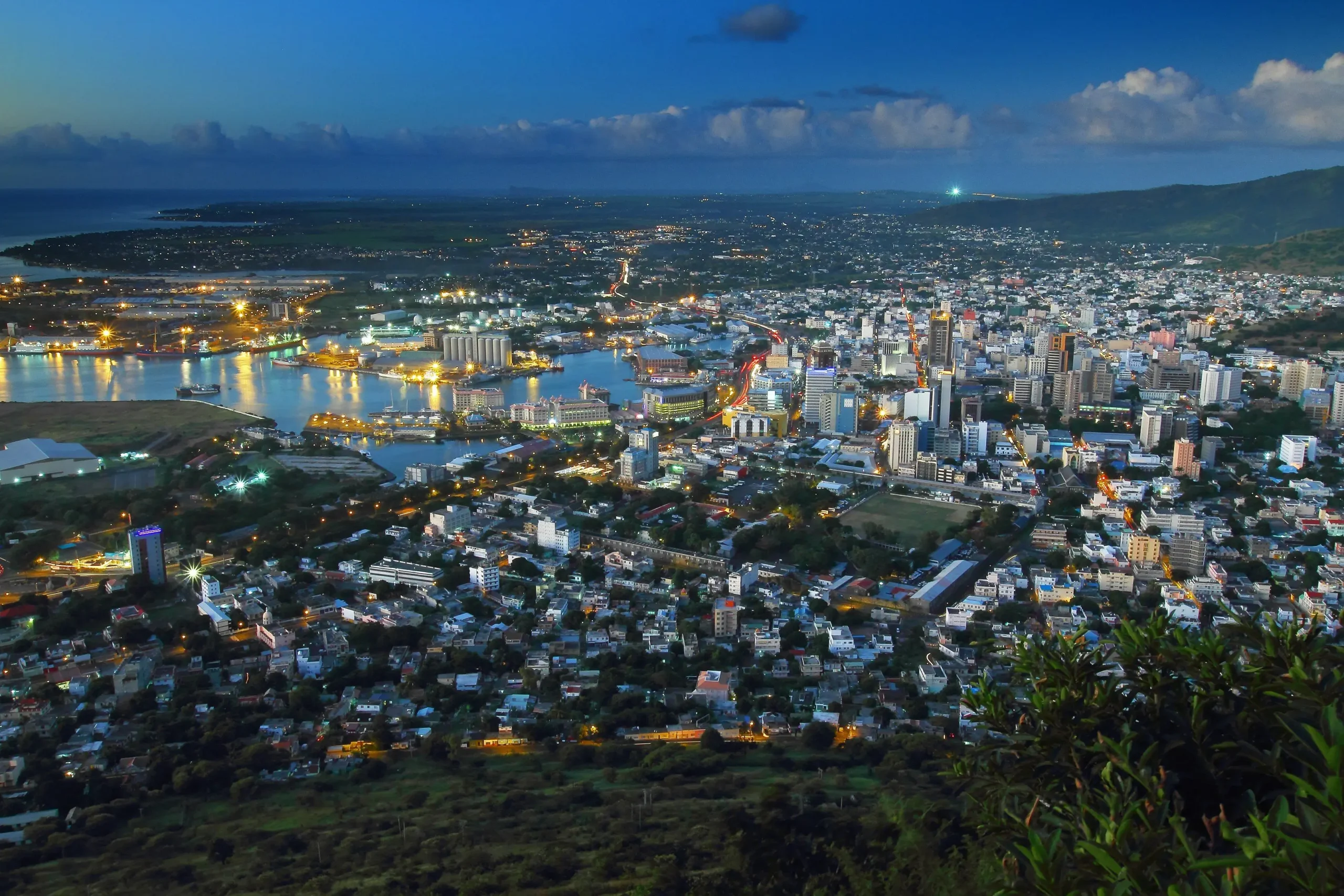
By channeling resources toward social and economic development, Mauritius has strengthened its role as a peaceful hub in the Indian Ocean.
Andorra
Andorra, nestled between France and Spain, has no regular military forces. Its defense responsibilities are shared by its two neighbors, while internally, a ceremonial militia known as the Sometent can be mobilized in times of crisis.
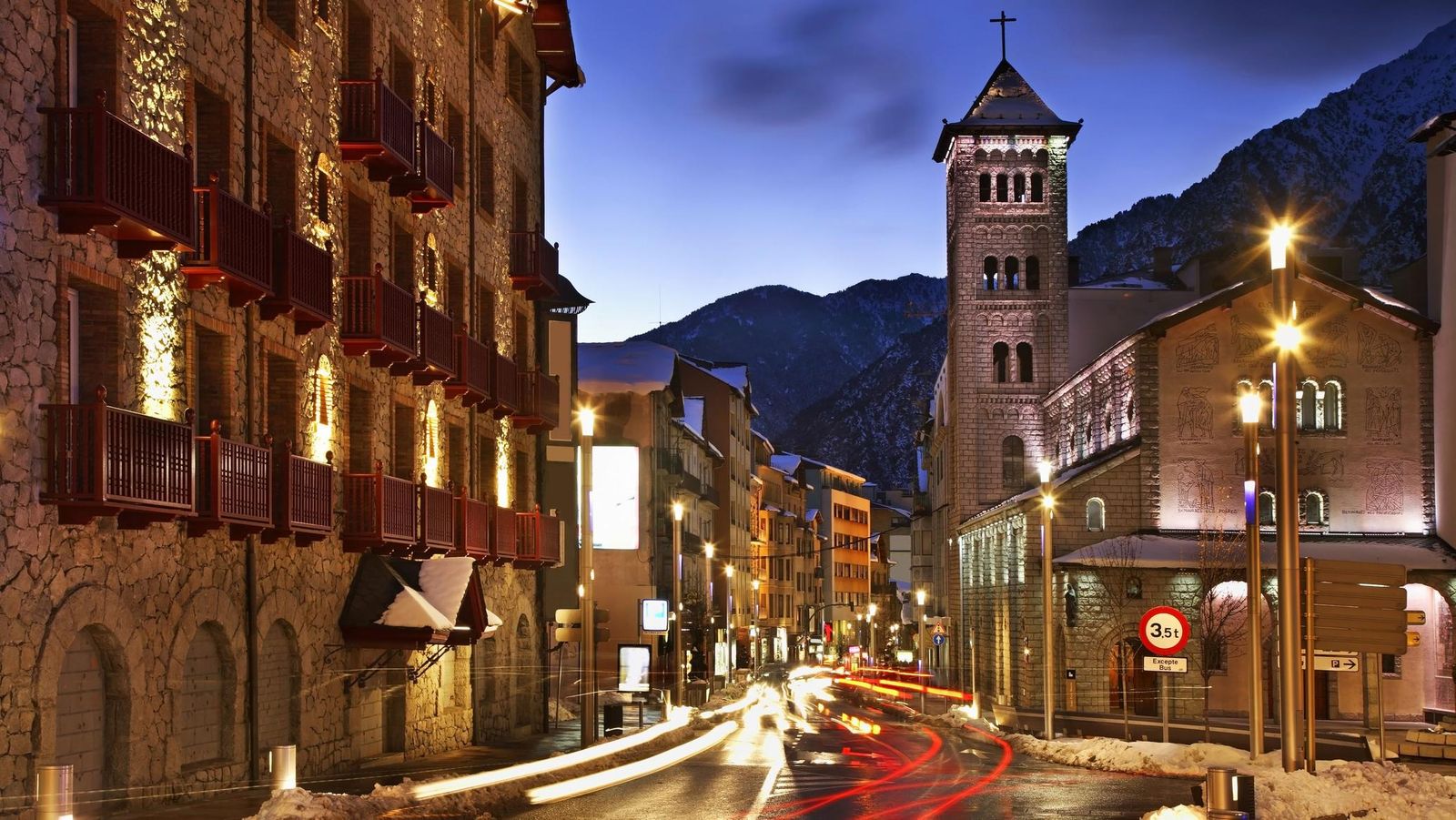
The principality’s security rests on centuries of diplomacy and regional cooperation.
Samoa
Samoa’s security relies on a treaty with New Zealand. In return for protection, Samoa maintains internal police forces.
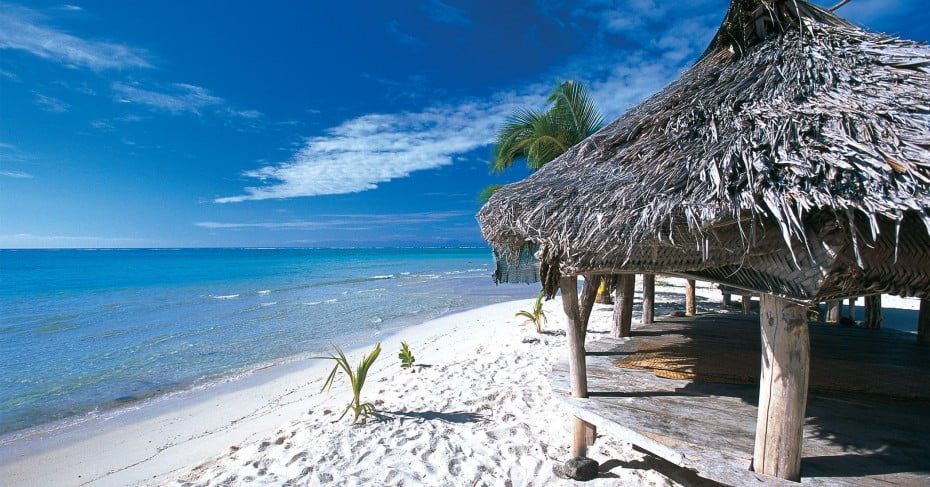
This arrangement allows the country to focus on cultural preservation, governance, and sustainable development instead of bearing the financial weight of a military budget.
Pacific Island States: Palau, Micronesia, and Marshall Islands
Palau, the Federated States of Micronesia, and the Marshall Islands each have defense compacts with the United States. These agreements give the US full responsibility for their defense while allowing the islands to maintain sovereignty. In exchange, the United States receives military access to their territories. This arrangement demonstrates how strategic partnerships can replace the need for national armies.
Why Do These Countries Survive Without Armies?
Countries with no army rely on a combination of:
- Strong treaties with larger powers
- Geographical isolation or secure surroundings
- Diplomatic recognition and neutrality policies
- The decision to prioritize social services and economic growth over military spending
These elements together create an environment where sovereignty can be preserved without a traditional defense force.
Global Relevance
The existence of countries with no army highlights that military power is not the only path to stability. While their models cannot always be applied to larger or more conflict-prone nations, they offer alternative perspectives on how peace can be maintained. Their experiences show that investment in diplomacy, education, and health can sometimes prove more enduring than weapons.