The most expensive city in the world vs the cheapest is not simply a ranking on a chart. It is a reflection of how human society, economics, and geography intersect to shape the daily cost of living. At first glance, the comparison looks like a straightforward contrast between wealth and affordability. In truth, it reveals much more about the way people live, what they value, and what they are forced to endure.
Cities at the top of the expensive list represent financial power, global prestige, and tightly managed urban systems. Cities at the bottom of the scale show what happens when economic instability, conflict, or fragile governance reduce the value of money. The contrast is a study in both privilege and survival.
The Forces That Make a City Expensive
When a city is crowned the most expensive in the world, it is rarely an accident. The forces that drive costs sky-high are usually the same across different continents. Land scarcity pushes housing to premium levels. High demand from multinational corporations and foreign workers drives prices even further. A strong currency amplifies the effect, making goods and services more costly for outsiders. Add strict regulations on imports, and daily essentials become luxury commodities.
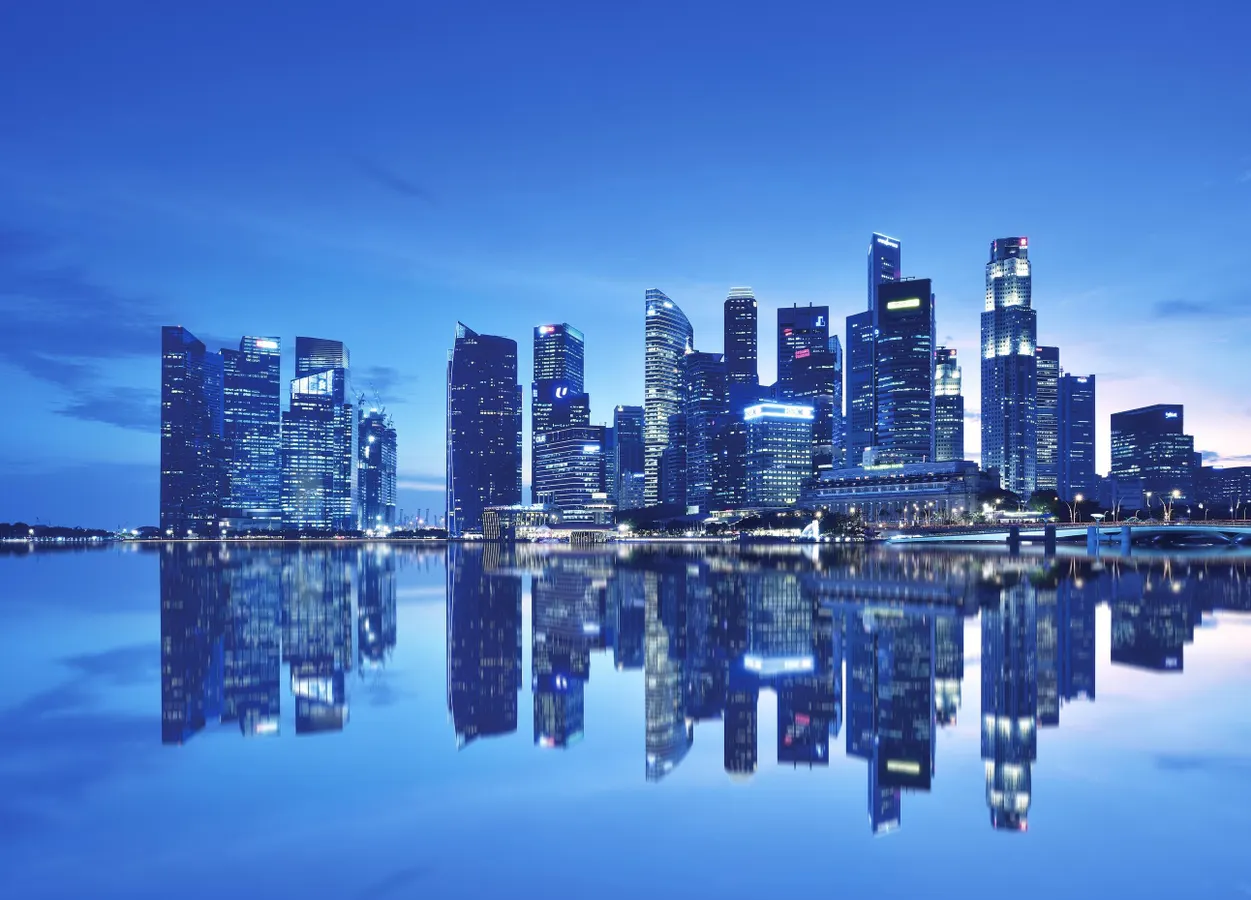
Take Singapore as an example. It regularly ranks at or near the top in global cost of living surveys. A one-bedroom apartment in a central location can cost more than an entire family home in many Western countries. A basic restaurant meal can exceed the weekly food budget for a family in a cheaper country. Transportation, while efficient, is priced to control congestion, and owning a car often costs more than the vehicle itself due to government licensing fees. Yet Singapore continues to attract workers and residents because of its reputation for stability, safety, and high salaries. The cost reflects not only scarcity but also the promise of opportunity.
Zurich, another frequent contender, follows a similar pattern. Switzerland’s strong currency, high wages, and strict housing market combine to create a city where even routine expenses like groceries, public transit, or a haircut feel inflated compared to global averages. However, these prices are balanced by excellent public services, a strong social safety net, and some of the world’s highest standards of living. The expense is both a burden and a mark of privilege.
Why Some Cities Are Among the Cheapest
The cheapest cities in the world often make headlines for their affordability. But the story behind low prices is rarely one of prosperity. More often it is the result of fragile currencies, economic sanctions, or ongoing conflict. A loaf of bread or a taxi ride might cost less than a fraction of what it does in Europe, but wages are often too low to make even basic living comfortable.
Damascus in Syria is frequently cited as one of the least expensive cities in the world. At face value, it looks appealing to a foreign visitor. Rent is strikingly low, food markets offer goods at prices unthinkable in wealthier nations, and daily expenses can be covered with just a few dollars. Yet the reality for residents is shaped by political turmoil, unemployment, and limited opportunities. What feels cheap for outsiders reflects a devalued currency and deep economic strain for locals.
In some African and South Asian cities, costs also appear minimal to international travelers. A modest budget can stretch to cover accommodation, meals, and even entertainment. For digital nomads or backpackers, this can feel liberating. But the affordability often comes hand-in-hand with underfunded infrastructure, unreliable services, and wage levels that keep the majority of residents close to subsistence. Low cost does not automatically mean ease of living. It can instead signal limited prospects.
The Contrast in Real Numbers
A clear way to see the gap is to compare everyday expenses. In Singapore, a simple lunch in a central restaurant might cost 15 to 20 US dollars. In Damascus, the same meal could cost less than 2 dollars. A one-bedroom apartment in Zurich’s city center often exceeds 2,000 dollars per month. In Karachi, Pakistan, a similar apartment might be under 200 dollars. Even basic services highlight the divide. A haircut in Hong Kong can cost 40 dollars or more, while in Tripoli, Libya, it might cost just a few dollars.
View this post on Instagram
But these numbers are misleading if taken alone. In Zurich, average salaries are high enough to absorb those costs, while in Tripoli or Damascus, wages may barely cover essentials even with low prices. Purchasing power, social safety nets, and political stability matter as much as raw figures.
The Traveler’s Perspective
For travelers, this contrast offers more than budget advice. It shapes the kind of experience one can expect. Visiting the most expensive city in the world means carefully budgeting for meals, transport, and accommodation. Even small luxuries come with a price tag that forces consideration. Yet in return, travelers often find efficiency, safety, and high standards of service.
By contrast, in the cheapest cities, a visitor can often live comfortably on a fraction of their normal budget. A hotel, restaurant meals, and cultural outings may cost less than a single night in a European capital. But it also means adjusting to slower infrastructure, differences in safety, and the awareness that locals live in very different conditions. What feels affordable to a tourist may still represent hardship for a resident.
@monteozafrica Slovenia to Introduce Digital Nomads Visa This Year 🇸🇮 #creatorsearchinsight #slovenia #slovenia🇸🇮 #ljubljana #visitslovenia ♬ original sound – Monte OZ
What These Rankings Tell Us
The most expensive city in the world vs the cheapest is more than a quirky headline. It is a reminder that the value of money is relative, shaped by local wages, government policy, and global events. Expensive cities show what happens when demand, wealth, and stability converge. Cheap cities reveal the economic impact of instability, fragile systems, or undervalued currencies.
Both ends of the spectrum tell human stories. In wealthy financial hubs, people face constant pressure to earn enough to meet high expectations. In cities with low costs, people adapt to limited opportunities with resilience and resourcefulness. The labels of expensive or cheap hide the real truth: cost of living is less about numbers and more about how life is actually lived.
The most expensive city in the world vs the cheapest reveals far more than the gap between two price tags. It illustrates inequality, resilience, and the choices societies make about urban life. It reminds us that while one person’s expensive is another person’s affordable, both come with trade-offs. One offers access to global wealth but demands constant financial balancing. The other offers affordability but may limit growth and opportunity. Understanding this contrast helps us see not just how people spend, but how they survive and what they dream of for the future.