Most commonly accepted foreign currencies for exchange in Ghana remain an essential subject for any traveler or investor planning to visit the country. The Ghanaian cedi (GHS) is the official legal tender, but no visitor can avoid dealing with foreign exchange. Whether you are arriving for tourism, business, or family visits, the money you bring will need to be converted.
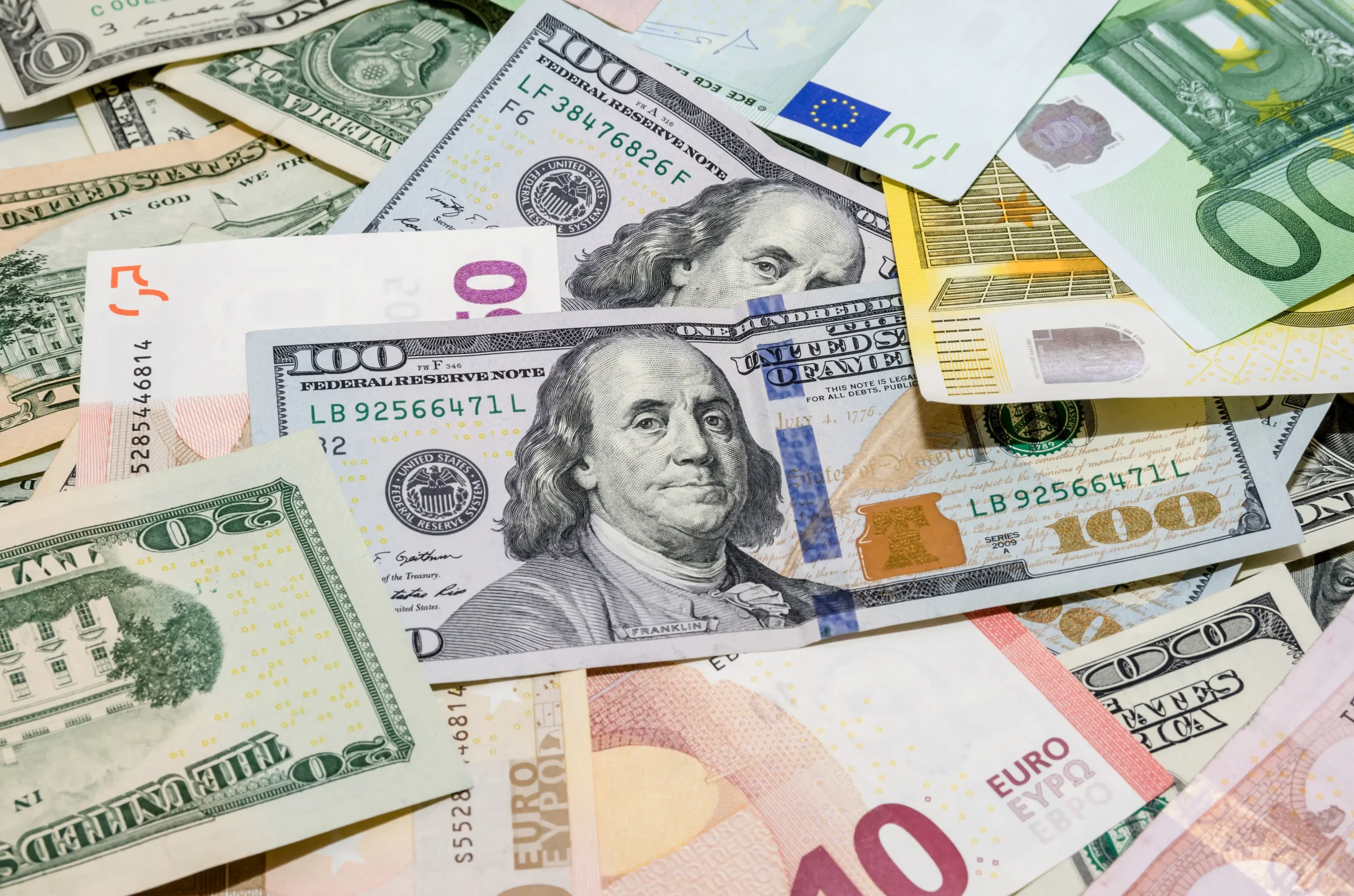
The truth is that not all currencies are treated equally in Ghana. Some are highly sought after and smoothly exchanged, while others are barely recognized outside the banking halls of Accra. Understanding the hierarchy of foreign currencies in Ghana will save you money, eliminate frustration, and prepare you for the realities of travel.
How Currency Exchange Works in Ghana
Foreign currency exchange is handled mainly by licensed forex bureaus and banks. In major cities like Accra, Kumasi, Takoradi, and Tamale, you will see signs of regulated forex operators displaying their daily rates. These institutions are monitored by the Bank of Ghana, which helps prevent fraud and ensures that rates reflect broader market conditions.
Street exchange still happens, especially in border towns and busy marketplaces, but it carries high risks. Counterfeit notes, unfair rates, and sudden disputes are common on the streets. Serious travelers and business people rely on regulated forex bureaus for transparency and security. This regulated system explains why certain currencies dominate the market. They are the most demanded, most liquid, and most recognized in Ghana’s financial ecosystem.
US Dollar
The US dollar is the number one foreign currency in Ghana without question. Its dominance is tied to global trade, oil transactions, remittances from the United States, and the heavy use of dollars in international contracts. If you ask any forex bureau in Ghana what moves the market most, the answer is always the dollar.
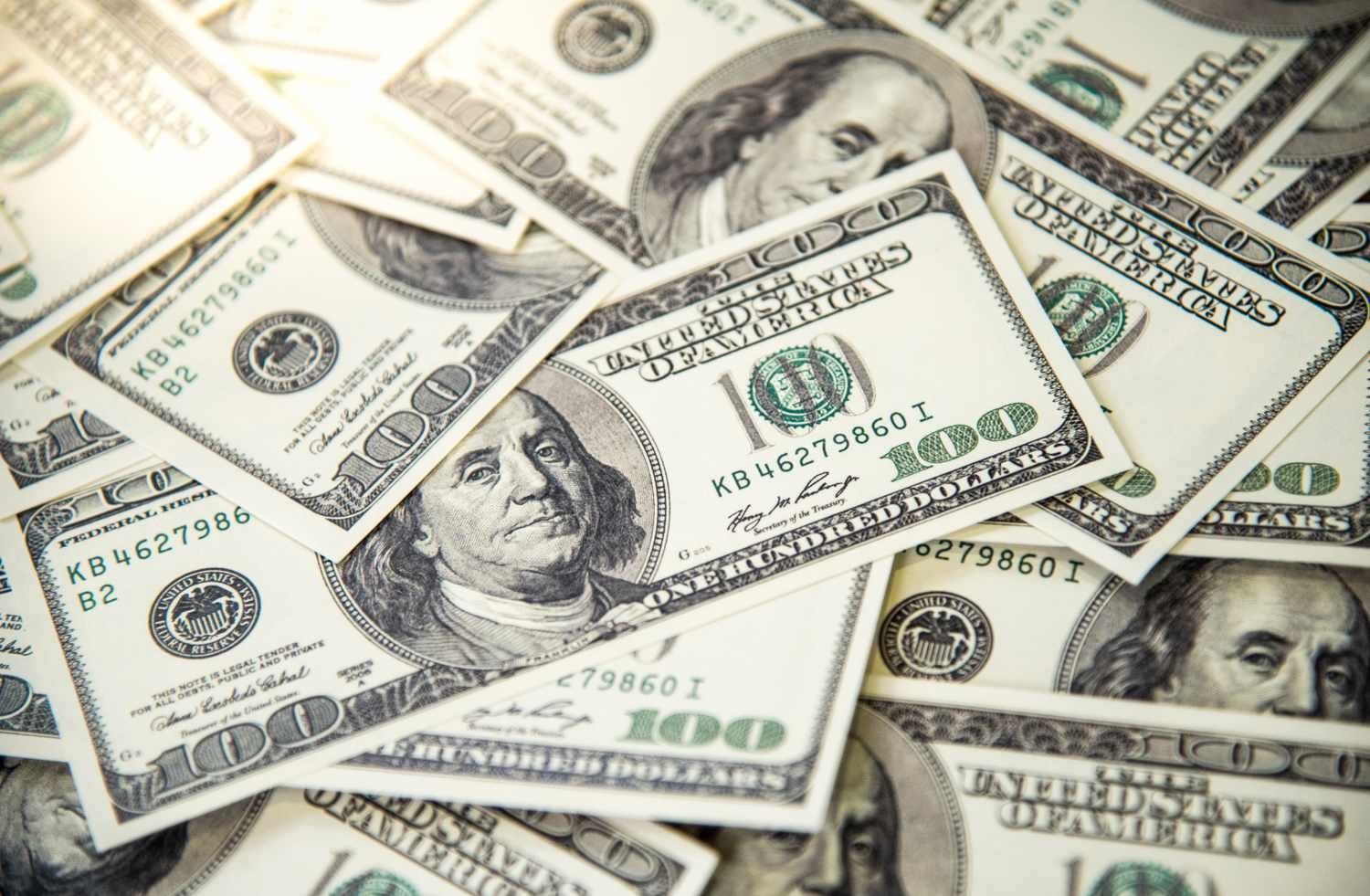
The dollar’s liquidity is unmatched. Real estate transactions, car imports, and bulk business deals often quote prices in dollars before being converted to cedis. This makes the dollar not only the most commonly exchanged currency but also the most stable benchmark for rates in Ghana.
Travelers carrying newer, crisp dollar notes (2009 series and later) will find exchange easy and fast. Larger denominations like $50 and $100 usually fetch slightly better rates. Old, torn, or written-on notes are frequently rejected. The US dollar is not just accepted — it is expected.
Euro
The euro holds strong ground as the second most important foreign currency in Ghana. The European Union is one of Ghana’s top trading partners, and thousands of European tourists visit every year. Development aid, diplomatic payments, and European investments also arrive in euros, which helps create steady demand.
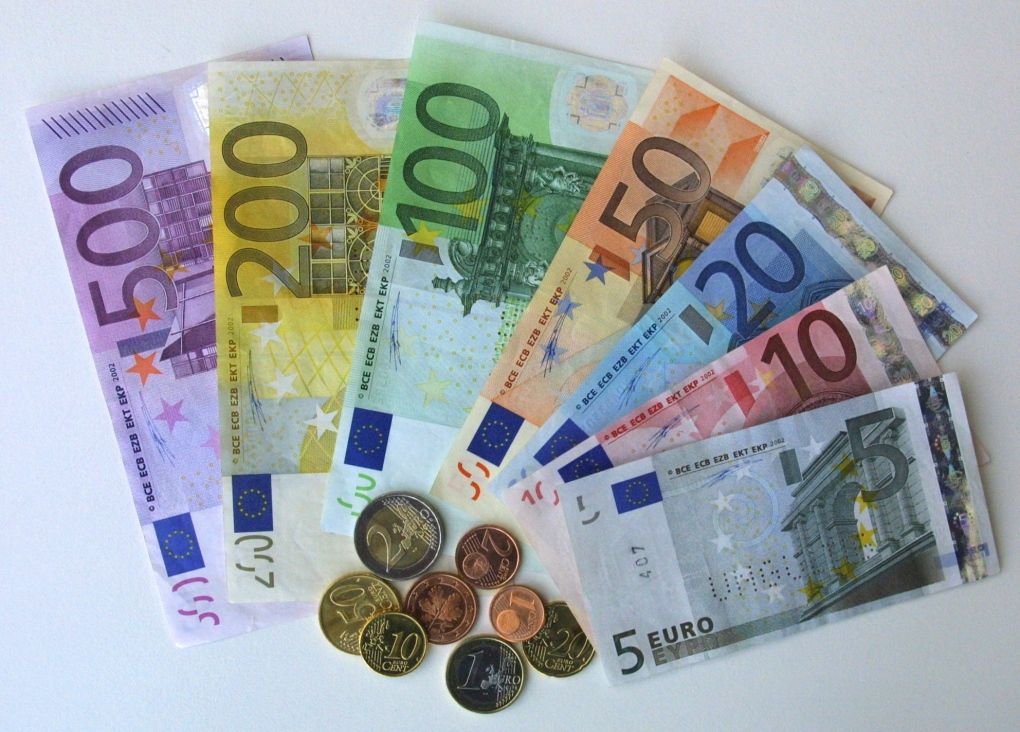
Forex bureaus in Accra and Kumasi typically accept euros with no issues. The exchange is smooth, and many banks even set euro benchmarks alongside the dollar. Tourists from Europe benefit from the convenience of bringing euros directly, instead of converting them to dollars before traveling.
One detail worth noting is that euro exchange rates tend to swing more widely than the dollar. This is because fewer transactions are pegged in euros compared to dollars. Even so, for any European traveler, euros are as practical and accepted as one could need.
British Pound Sterling
The British pound sterling holds a respected position in Ghana’s currency exchange market. The colonial history between Ghana and the United Kingdom, combined with strong modern-day migration ties, means the pound carries both symbolic and financial weight. Remittances from the UK are substantial, and this creates steady circulation of the pound in Ghana.
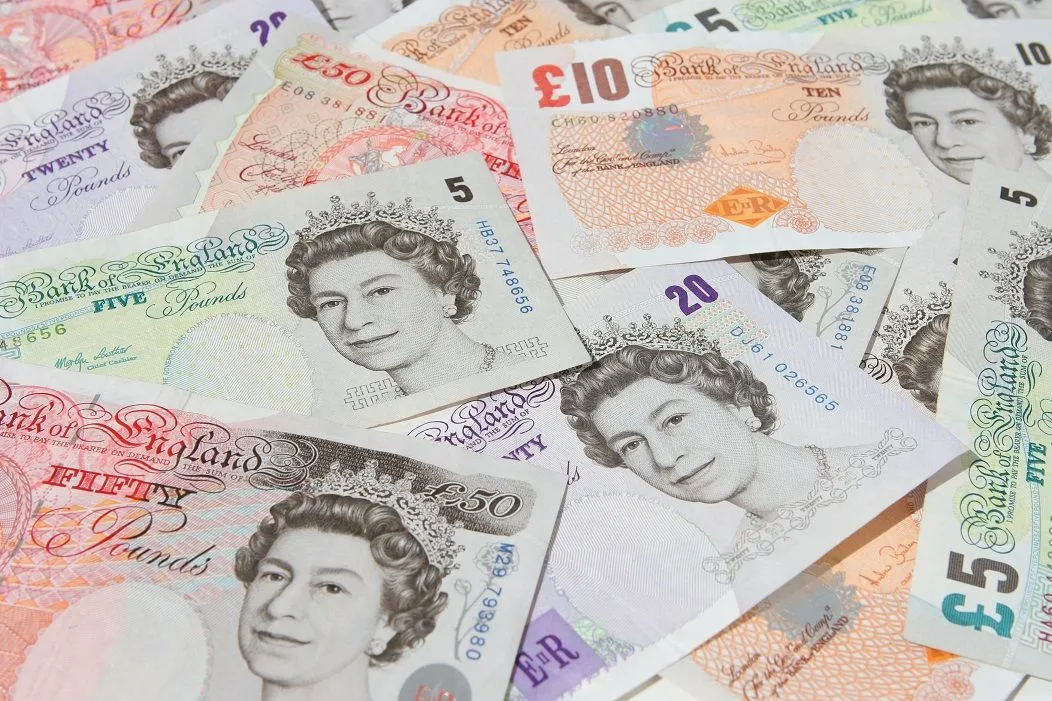
Forex bureaus value pounds highly, and they are often exchanged at favorable rates compared to other secondary currencies. Many Ghanaians see the pound as a “hard” and trusted currency, second only to the US dollar in perception.
For travelers, pounds are a safe choice, especially if traveling directly from the UK. As with other currencies, clean notes are advised. Torn or older pound notes are less likely to be accepted, even at larger forex bureaus.
Canadian Dollar
The Canadian dollar is steadily finding its place in Ghana’s exchange market. This rise is driven by Ghana’s growing diaspora community in Canada, as well as increased educational ties. Many Ghanaian students study in Canadian universities, and remittances from Canada flow regularly.
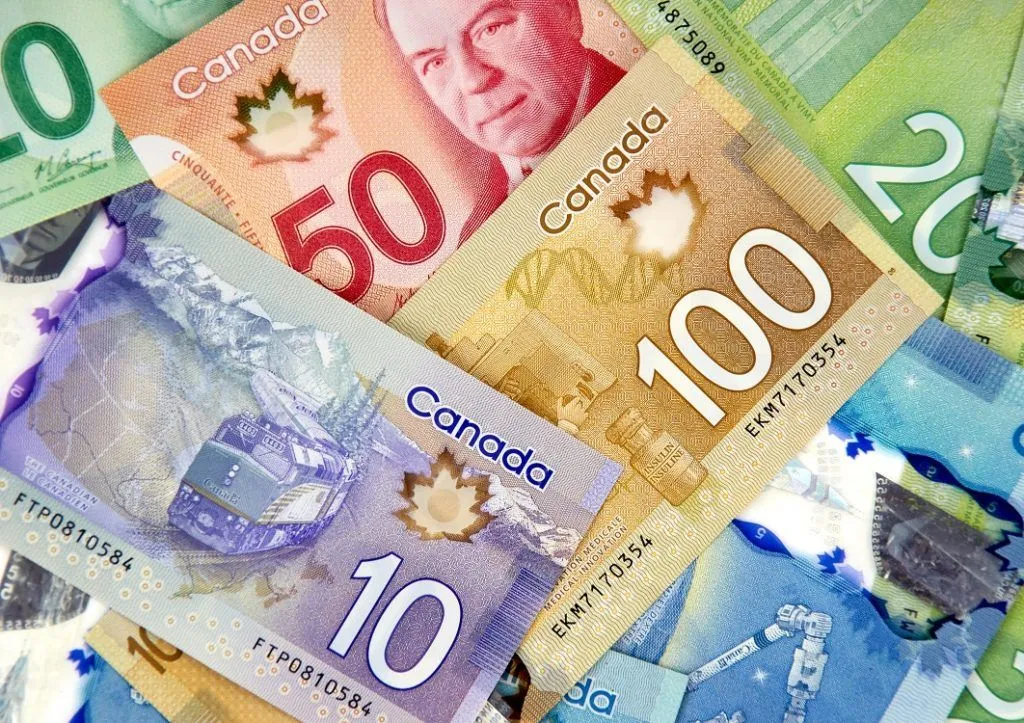
Not all forex bureaus handle Canadian dollars, especially in smaller towns. However, in Accra, Kumasi, and areas with active diaspora connections, Canadian dollars are accepted without much difficulty. Rates may not be as competitive as the US dollar or euro, but the presence is undeniable.
If you are carrying Canadian dollars, prioritize licensed banks and large forex bureaus to avoid being turned away. The trend is upward, and acceptance is expected to expand further with stronger Ghana-Canada relations.
Chinese Yuan
The Chinese yuan is rising as a direct result of Ghana-China trade. China is Ghana’s largest source of imports, from electronics to construction equipment. This surge in trade has made yuan more relevant in recent years.
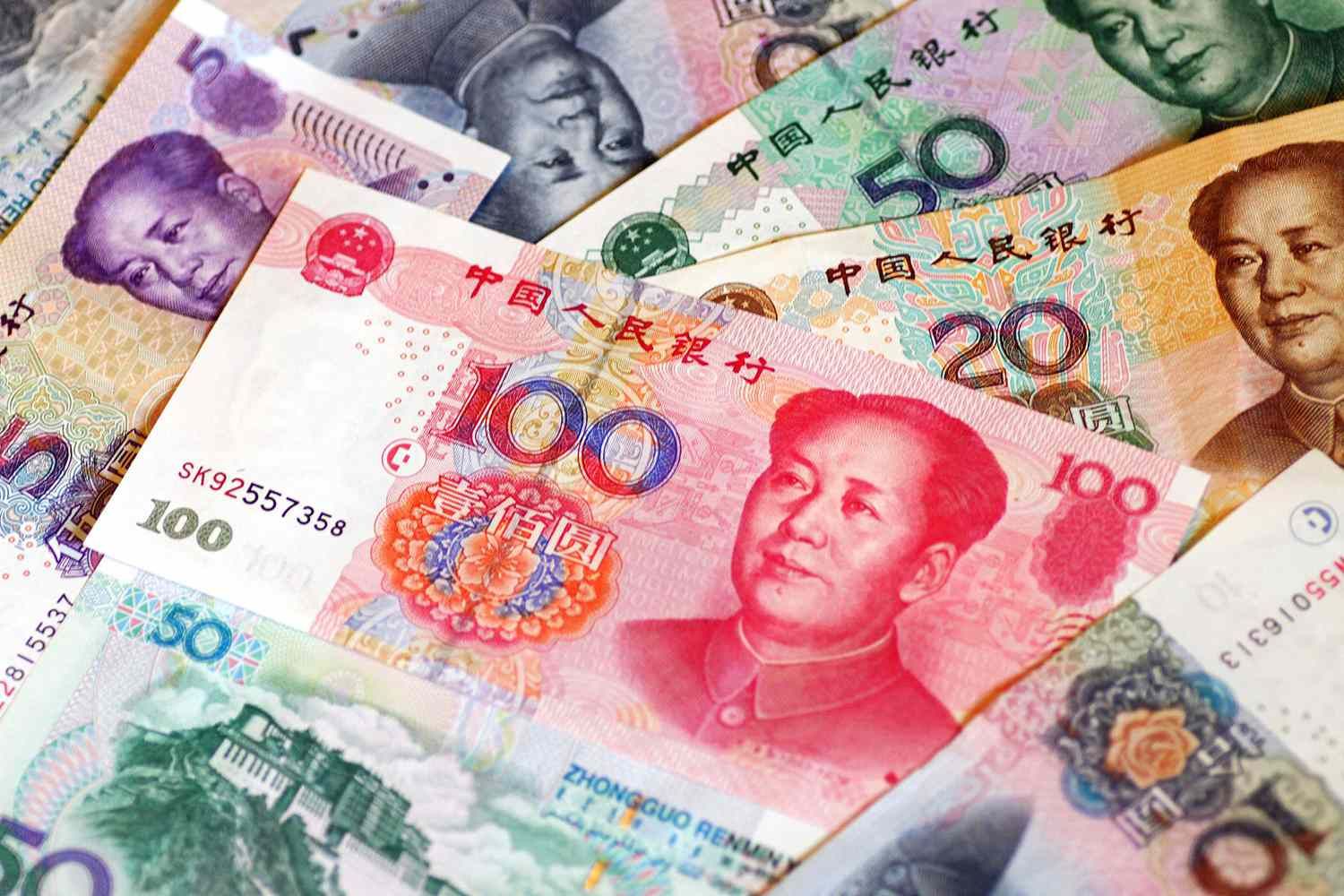
Acceptance of yuan is strongest in large forex bureaus and certain banks. However, it is still not as widespread as the dollar, euro, or pound. Travelers from China should expect some limitations but can rest assured that big exchange centers in Accra or Kumasi will accommodate yuan transactions.
For now, yuan remains a developing player. It is not yet a household currency in Ghana, but its role is growing year by year as trade deepens.
Other Currencies
Other currencies such as the South African rand, Japanese yen, and Swiss franc exist in the Ghanaian exchange system but only on the margins. These currencies are less liquid and not heavily demanded, so smaller forex bureaus may refuse them outright.
Rates for these currencies are often less favorable, with wider spreads between buying and selling prices. A traveler carrying such currencies would be better off converting them into dollars or euros before traveling to Ghana.
Key Advice for Exchanging Foreign Currency in Ghana
- Always use licensed forex bureaus and banks – They offer clear rates and security.
- Carry larger denominations – $50 and $100 bills attract better rates than $10s or $20s.
- Keep notes clean and undamaged – Torn, stained, or old notes are often rejected.
- Avoid street dealers – Risk of fake notes and unfair deals is high.
- Monitor daily rates – Exchange rates change with market pressures, so compare before exchanging.
Most commonly accepted foreign currencies for exchange in Ghana are the US dollar, euro, and British pound. These three dominate both banks and forex bureaus. The Canadian dollar and Chinese yuan are steadily growing in acceptance, while other currencies remain on the sidelines. For a traveler, the lesson is clear: carry the currencies that the market trusts most. With the right notes in your pocket, exchanging money in Ghana becomes smooth, efficient, and cost-effective.