Former U.S. President Donald Trump has publicly accused Elon Musk government subsidies of being excessive and historic in scale. Writing on Truth Social, Trump claimed Musk’s companies rely heavily on taxpayer funding and suggested they would collapse without federal support.
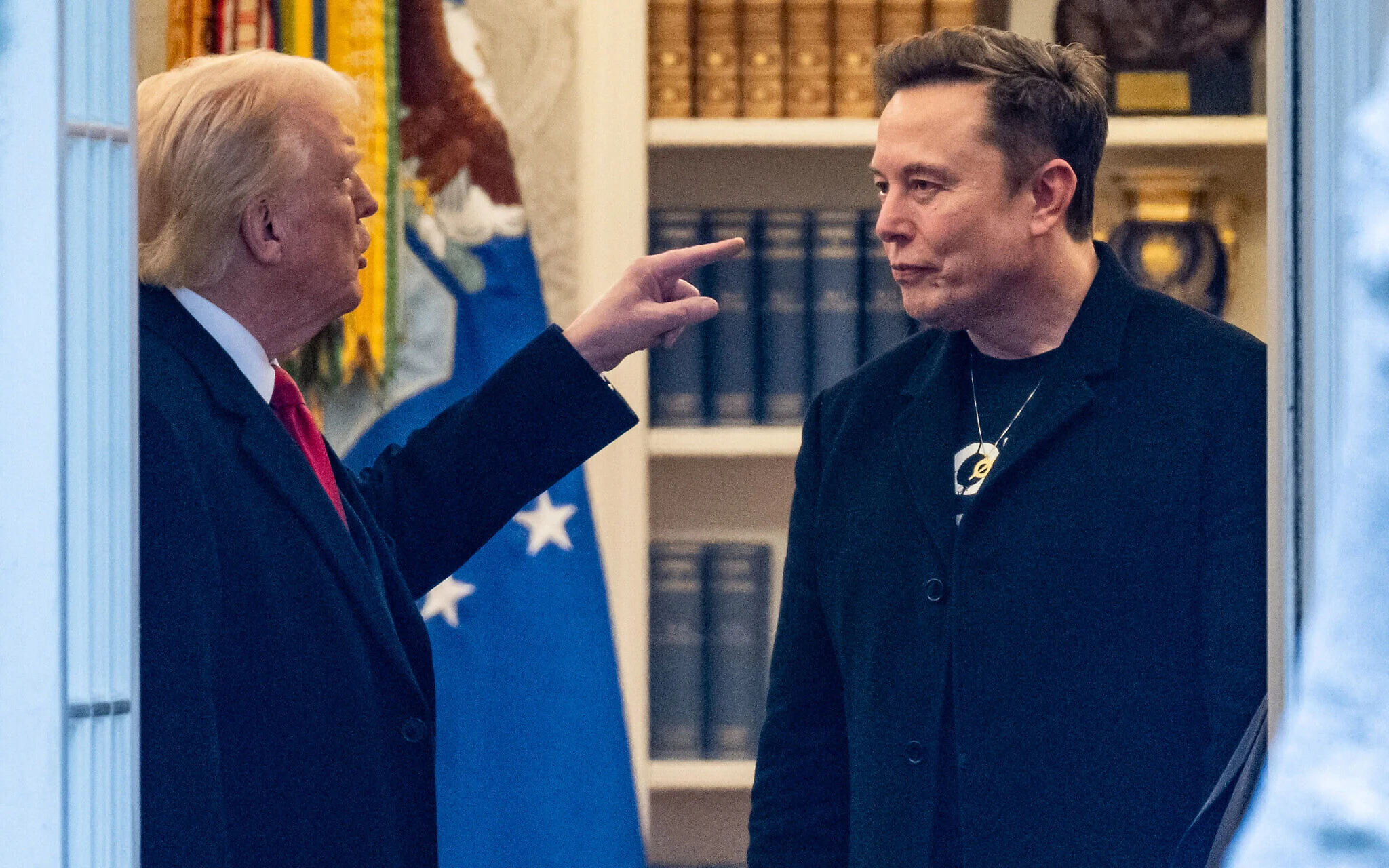
“Elon has probably received more subsidies than any human in history, by far,” Trump posted. “Without them he would likely have to shut down and return home to South Africa.”
The statement marks one of Trump’s sharpest criticisms of Musk to date. Trump did not hold back, suggesting that the Department of Government Efficiency, known as DOGE, should immediately re-examine the funding Musk’s companies have received.
Trump said that slashing those subsidies would bring significant financial savings. “No more rocket launches, satellites, or electric car production, and our country would save a fortune,” he wrote, using capital letters for emphasis.
The relationship between the two men has soured sharply in recent months. What began as a quiet difference in political direction earlier this year has turned into open conflict.
Tensions grew more intense following the announcement of a new bill backed by Trump’s team. Nicknamed the “Big Beautiful Bill,” the legislation has drawn praise from some sectors of the Republican base but heavy criticism from others, including Musk himself.
The bill includes steep tax breaks for high-income individuals and large corporations. It also proposes making service workers’ tips completely tax-free. However, in order to balance these giveaways, the bill outlines deep cuts to clean energy subsidies, food assistance programs, and healthcare options used by millions of Americans.
Musk took to his own platform to respond, calling the bill reckless. He warned that it would send the country into what he described as “debt slavery,” criticizing both Trump and the broader Republican establishment for supporting it.
The ongoing dispute has now taken a personal turn, with Trump questioning whether Musk’s success has ever really stood on its own. His comments appear aimed not just at public opinion but possibly at influencing federal budget decisions going forward.
Whether these public attacks will lead to actual policy changes remains uncertain, but the political fallout is already visible. What’s clear is that the clash between two of the most influential figures in the country is no longer a cold war. It is now out in the open.