Iran Israel missile attacks have intensified, marking one of the most volatile confrontations in recent history. On Sunday, June 15, the Israeli military announced that citizens could safely exit bomb shelters following fresh missile strikes from Iran.
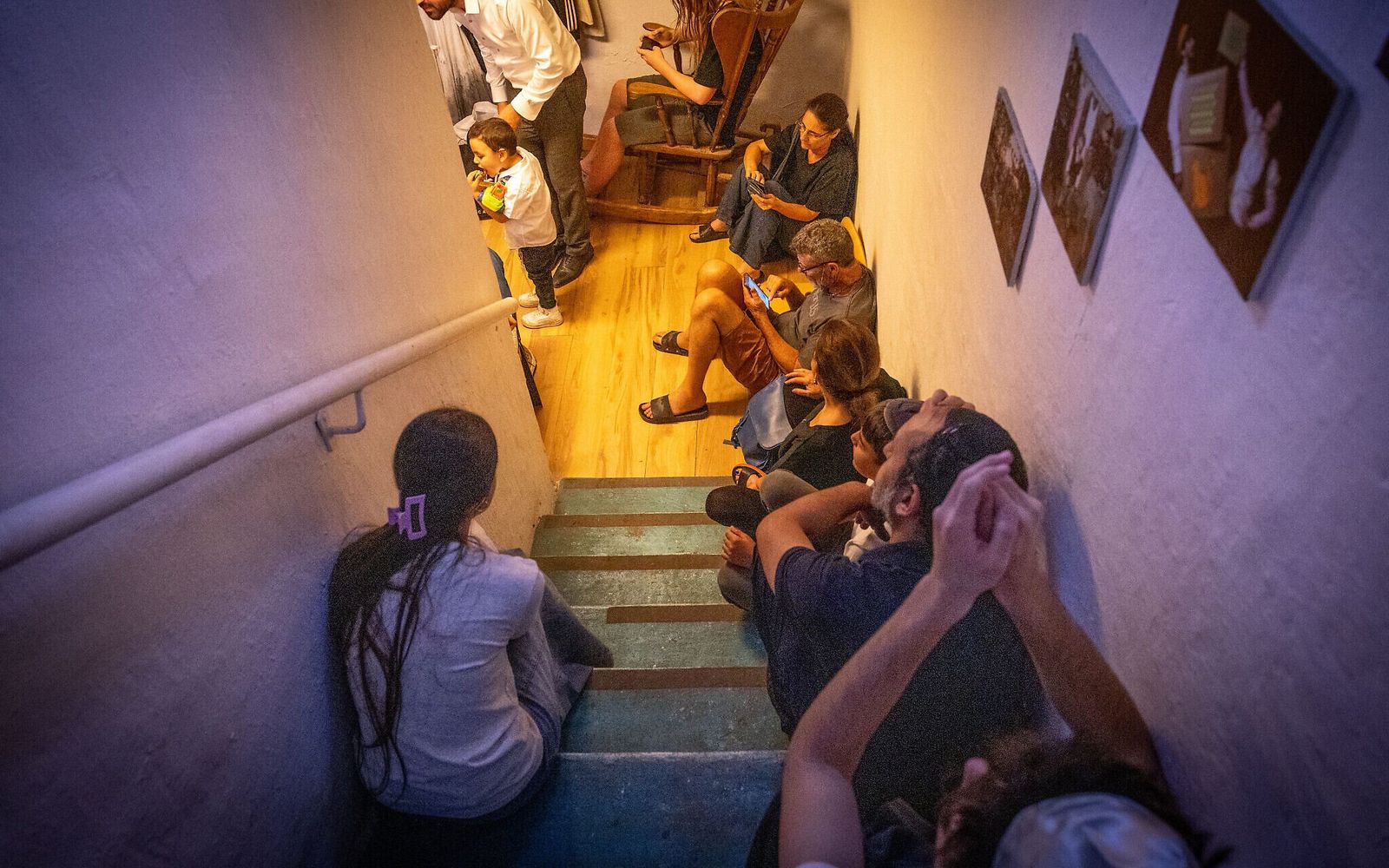
This came just hours after air raid sirens blared across multiple cities, warning residents of incoming threats.
In an official statement, the Israel Defense Forces noted,
“Following the situational assessment, the Home Front Command published that it is now permitted to leave protected spaces in all areas across the country.”
The announcement followed Israel’s unprecedented strike on Iranian soil two days earlier, on Friday, June 13. According to reports, Israel targeted key nuclear and military locations, killing top commanders, scientists, and dozens of civilians. The attack, viewed as a direct attempt to disrupt Iran’s defense capability, significantly escalated tensions in the region.
Iran’s response was swift and fierce. The Islamic Republic launched several missile barrages toward Israeli territory. By Sunday morning, at least 10 people had been confirmed dead, raising the total number of casualties from Iran’s retaliation to 13. Local sources added that nearly 380 individuals were injured during the overnight attack.
Back in Iran, the toll has also been devastating. Iranian news agencies reported that Israeli airstrikes on Friday and Saturday killed a minimum of 128 people, including several children. Over a hundred more sustained injuries, with hospitals overwhelmed in affected provinces.
As the third day of conflict unfolds, the reality on the ground paints a grim picture. Reports from Tehran show the city in panic, with heavy traffic congestion and masses of people fleeing westward. One missile reportedly struck the city’s police headquarters, adding to the unrest.
The situation remains fluid. While officials on both sides continue issuing public statements, civilians are caught in the crossfire, bearing the brunt of decisions made at the highest levels.