Ilmari Koppinen, 108, is Finland’s oldest man and the last surviving male veteran of the Winter War, following the death of Mauno Tulijoki earlier this month.
Koppinen’s position as the last surviving male Winter War veteran marks the passing of another generation that experienced one of the most difficult periods in Finnish history. Although no other male veterans of the conflict remain alive, several women who served during the war are still living. They include Eila Hukkanen, Helka Visuri and Eva Lintunen, who were each named Lotta of the Year in turn over the past three years.
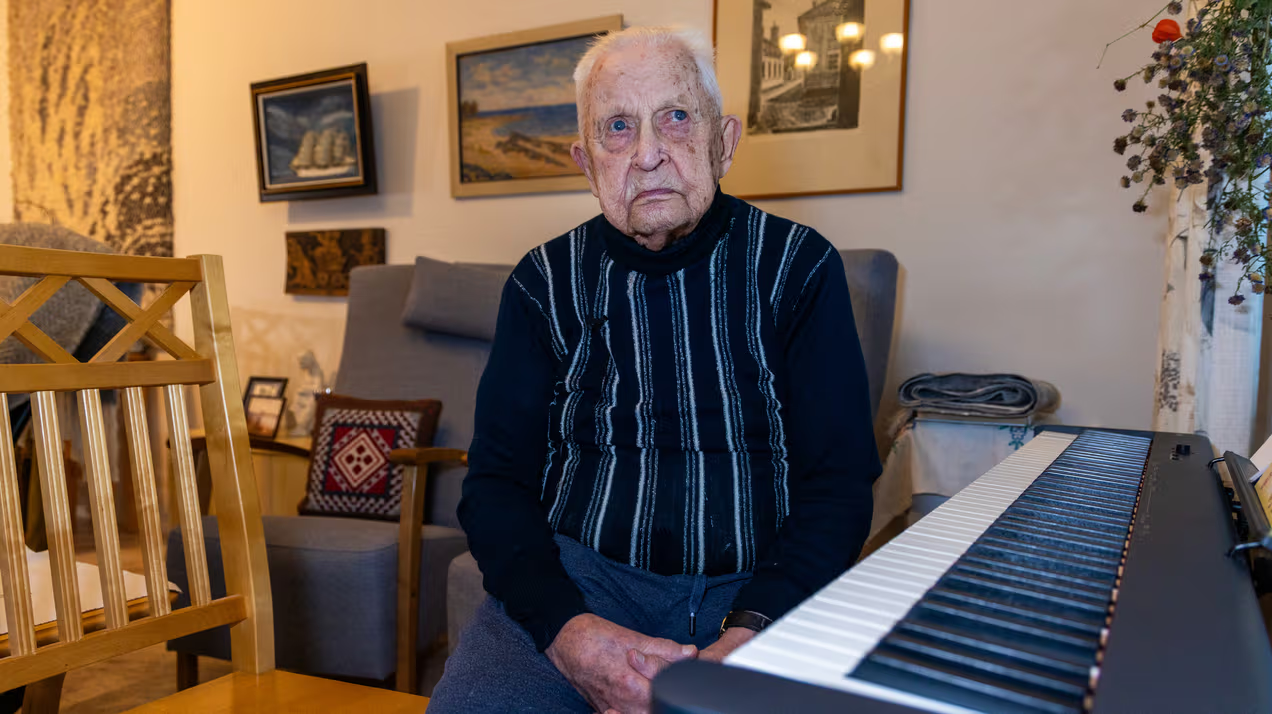
At 108, Koppinen has lived through major changes in Finnish society, from the conflicts of the early 20th century to the present day. He says he finds himself thinking more about the past than the present because life has changed so much.
“At this age you would rather think about the old days than the present, because times are so different now,” he says.
His long life has not followed an easy path. Longevity was not common in his immediate family, and he lost both parents at a young age. His mother died when he was six, followed by his father a few years later. Koppinen was left an orphan at just 12 years old.
His earliest experience of conflict came before he was old enough to understand what was happening. On 14 April 1918, when he was only a few months old, he was lying in a pram in Rauma as Red Guards and Civil Guards clashed in the town during the Finnish Civil War.
More than a century later, he speaks about death without fear. He acknowledges that he sometimes thinks about his own passing but considers it a natural part of life.
“Death is natural. Why should you worry about it? It doesn’t frighten me. Of course I think about it from time to time,” he says.
Koppinen was married for 60 years and built a professional career in surveying. He worked as a municipal surveyor in Salo before moving into academia, where he became an associate professor in the surveying department at what was then Helsinki University of Technology.
ALSO READ: Finland and Six EU Countries Push for Faster Visa Ban on Russian and Belarusian Athletes
Asked about the biggest surprise of his life, he points to his appointment as a professor. He explains that another candidate had initially been selected for the position but later withdrew after contacting him.
“The others were better. Someone else got the job, but he rang me and said he was withdrawing, so I got the position,” Koppinen recalls.
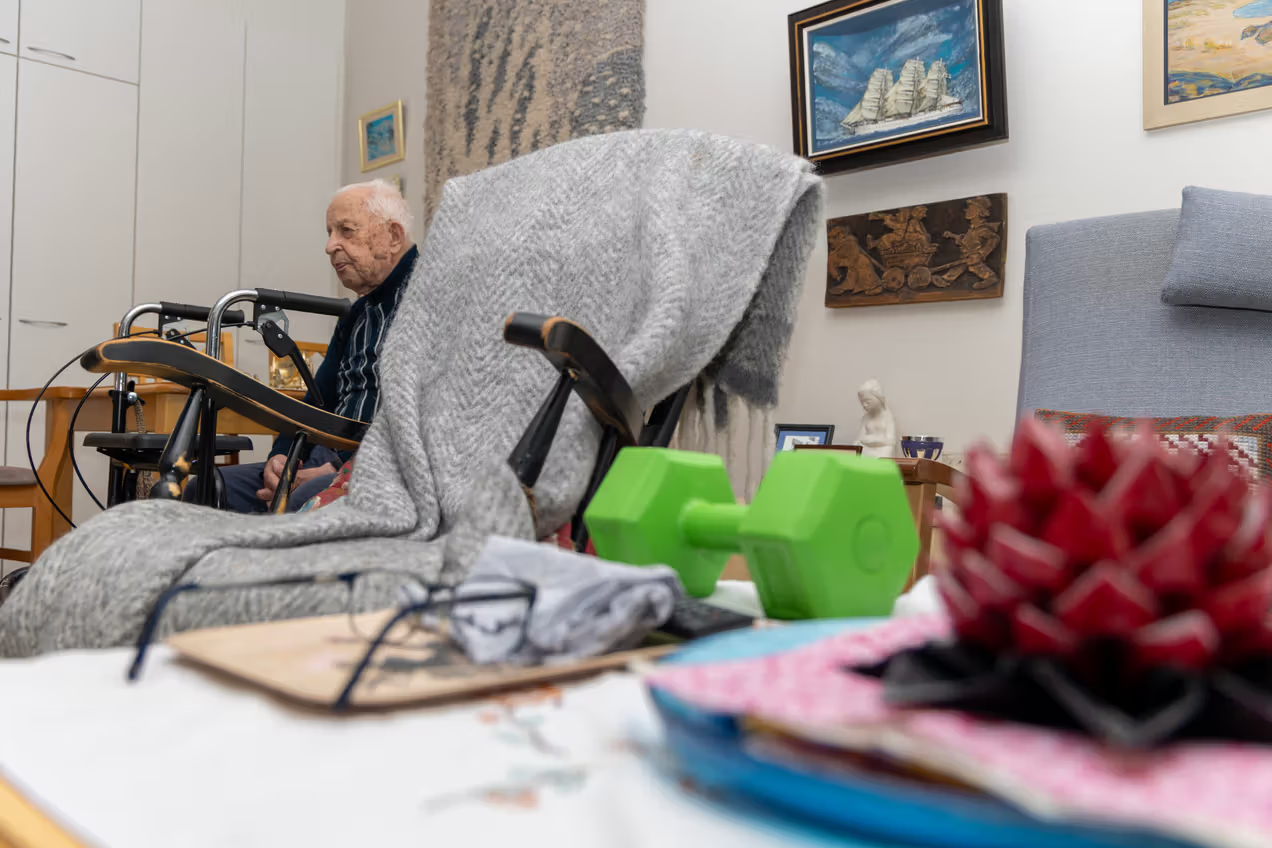
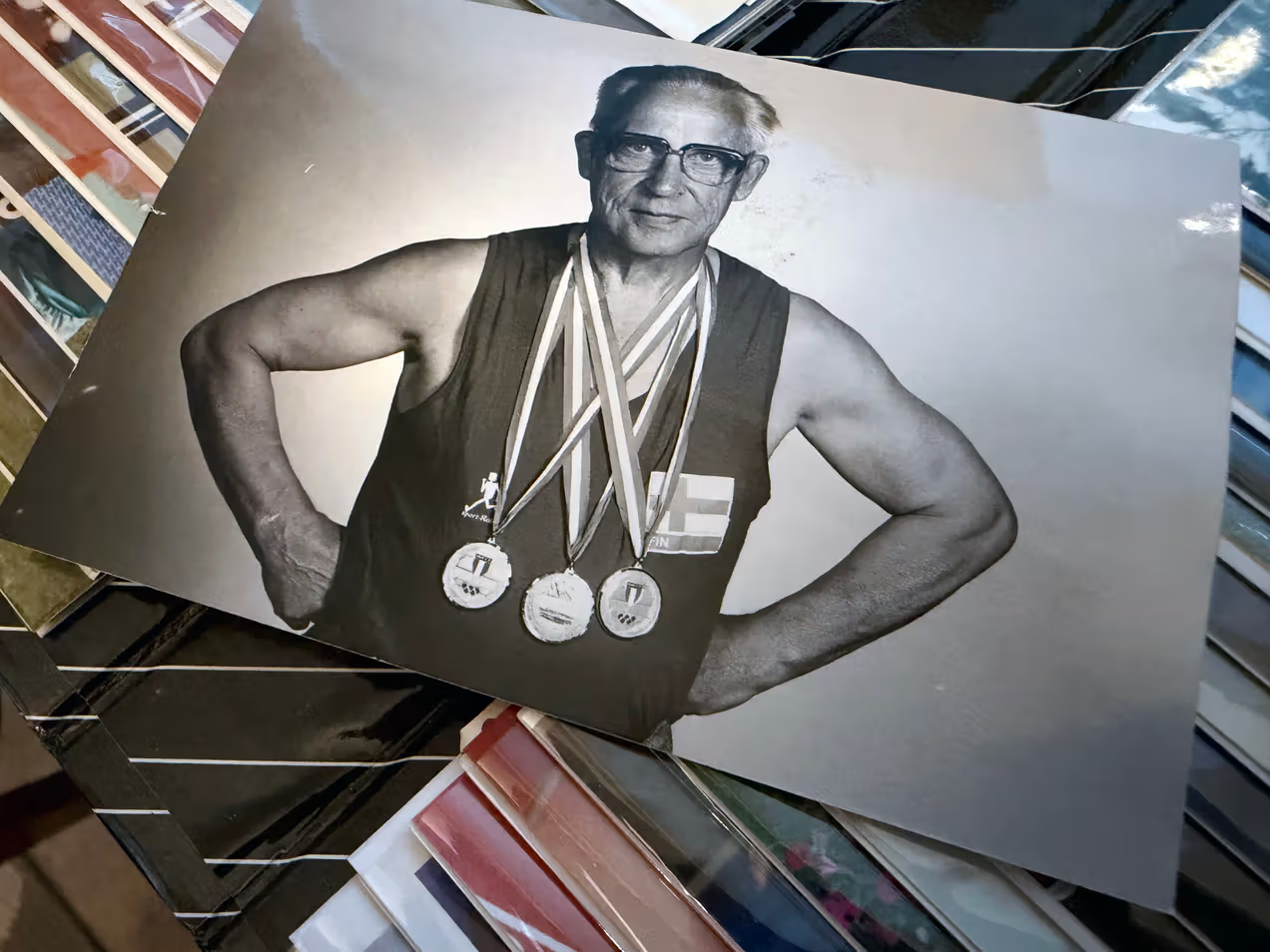
Beyond his professional career, athletics has remained an important part of his life. His earliest recorded competition results date back to 1936, while his most recent were recorded in 2024. He continued competing in veterans’ athletics well into his hundreds as a member of V-S Masters.
At a veterans’ gathering in Salo, he took part in a 60-metre race, finishing in 30.28 seconds. The achievement was particularly meaningful to him because he had not been certain he would have enough strength to complete the race.
“That was really good. I’m glad I managed it, because I wasn’t sure I’d have the strength,” he said afterwards.
Looking back on his life, Koppinen describes it as a good one, despite the hardships he experienced growing up, including poverty, the loss of his parents and living through war.
“Despite all of it, despite poverty, being orphaned and war.”