Finnish Christmas food is built around a festive table of slow-roasted ham, traditional root vegetable casseroles, cured fish and beetroot salad, with rice porridge often marking the beginning of Christmas Eve. Known in Finland as joulupöytä, the traditional Christmas spread brings together dishes that have been part of Finnish family celebrations for generations. For many households, preparing and sharing this meal is as much a part of Christmas as decorating the tree, visiting the sauna or waiting for Santa Claus.

Unlike in countries where Christmas Day is the main occasion for a family feast, Finland places particular importance on 24 December. Christmas Eve is traditionally the biggest day of the celebration, and much of the day’s activity revolves around preparing food, gathering with relatives and sitting down to eat together. The Christmas meal is not necessarily served at one fixed time in every home, but it is generally one of the most anticipated parts of the day.
At the centre of the traditional Finnish Christmas table is joulukinkku, a large Christmas ham that is slowly roasted in the oven. Usually made from pork, the ham is commonly served with mustard and sliced for everyone at the table. It has become one of the most recognisable features of Finnish Christmas cooking, and its place in the country’s festive food culture has been firmly established since the 20th century.

The ham is often prepared well before the Christmas meal, as cooking a large joint takes time. Some families serve it warm, while others prefer it cold. It is also common for the leftovers to remain part of the holiday menu for several days, making the Christmas ham a feature of meals beyond Christmas Eve itself.
However, the Finnish Christmas table is about considerably more than meat. Alongside the ham are laatikot, oven-baked casseroles made from vegetables and other ingredients. These are among the most distinctive dishes in Finnish Christmas cooking, particularly for visitors encountering the country’s festive food traditions for the first time.
Three of the best-known varieties are lanttulaatikko, made from swede or rutabaga; porkkanalaatikko, made from carrots; and perunalaatikko, made from potatoes. The ingredients are cooked, mashed and combined with other ingredients before being baked slowly in the oven. Depending on the recipe, the casseroles can have a mildly sweet taste and a soft, almost pudding-like consistency.
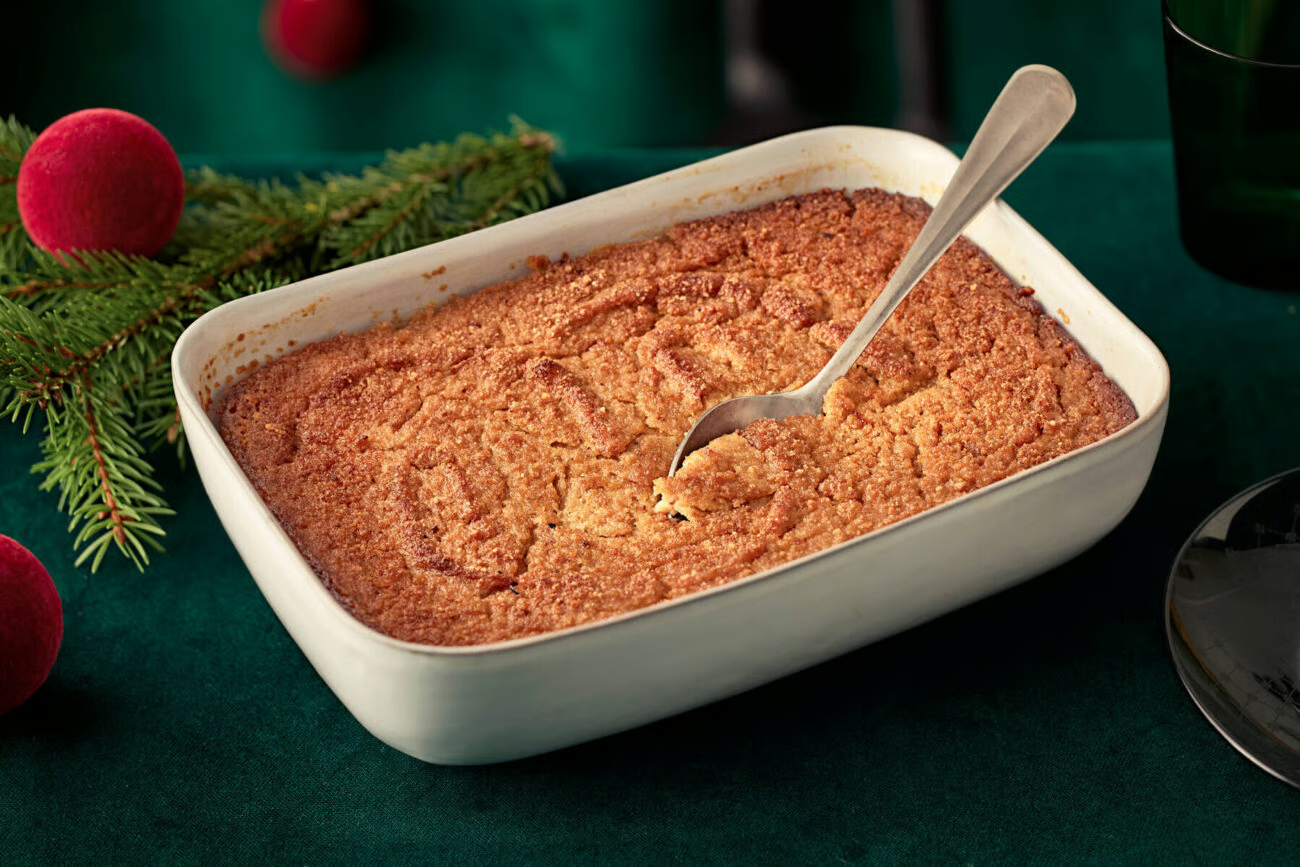
Lanttulaatikko has a distinctive flavour that comes from the swede, while carrot casserole is usually milder and naturally sweet. Potato casserole can also be sweetened, depending on how it is prepared. Another traditional option is maksalaatikko, a liver casserole that combines liver with rice and other ingredients. Although it is not everyone’s favourite, it has a recognised place in Finnish festive cooking.
These casseroles have their own history. According to the Finnish Martha Organisation, Martat, swede and potato casseroles can be traced back to the turn of the 19th century, while carrot and liver casseroles became more common during the 1920s and 1930s. Their continued presence on Christmas tables reflects how traditional home cooking has shaped the country’s festive food culture.
Fish is another important part of the meal. Finland’s relationship with fish is closely connected to its lakes, rivers and long Baltic Sea coastline, and several varieties appear in Christmas menus. Graavilohi, or gravlax, is salmon cured with salt and often flavoured with dill. Smoked salmon is also popular, while pickled herring, known as silli, is served in different marinades and sauces.
Some families offer several types of fish before moving on to the warmer dishes. Herring may be served with different seasonings, while cured salmon is often accompanied by bread. These dishes bring a different texture and flavour to a table otherwise dominated by rich, oven-baked food.
Another familiar addition is rosolli, a colourful Finnish vegetable salad in which beetroot is the defining ingredient. Traditional recipes commonly combine beetroot with potatoes, carrots and other ingredients, sometimes including apple or pickled cucumber. Its bright colour makes it easy to recognise, and its slightly sweet and tangy flavour provides a contrast to the heavier meat and casseroles. It is sometimes served with a creamy dressing, although recipes vary between households.

The Christmas food traditions begin before the main evening meal. On Christmas Eve morning, many Finnish families eat riisipuuro, a creamy rice porridge usually cooked in milk. It is commonly served with cinnamon and sugar, and sometimes with a little butter or fruit soup.
One almond is traditionally hidden in the pot of porridge. According to the popular custom, the person who finds it is believed to receive good luck in the coming year. In some versions of the tradition, finding the almond is associated with marriage. It is a small ritual, but one that gives an ordinary breakfast a special place in the Christmas celebration.
What Is Pikkujoulu? Inside Finland’s Little Christmas Party Tradition
Rice porridge also has an interesting history in Finland. Rice was once an expensive imported ingredient, making milk-based rice porridge more of a special-occasion food than an everyday meal. Before rice became widely available, other grains, including barley, were used to prepare porridge. Over time, rice porridge became firmly associated with Christmas.

Sweet foods are also part of the Finnish Christmas experience. One of the most recognisable seasonal pastries is joulutorttu, a star-shaped pastry traditionally filled with prune jam. Made with pastry dough and baked until golden, it is particularly common in December, appearing in homes, bakeries and cafes throughout the country. The star shape is often associated with Christmas, and the pastry is usually finished with a light dusting of icing sugar.
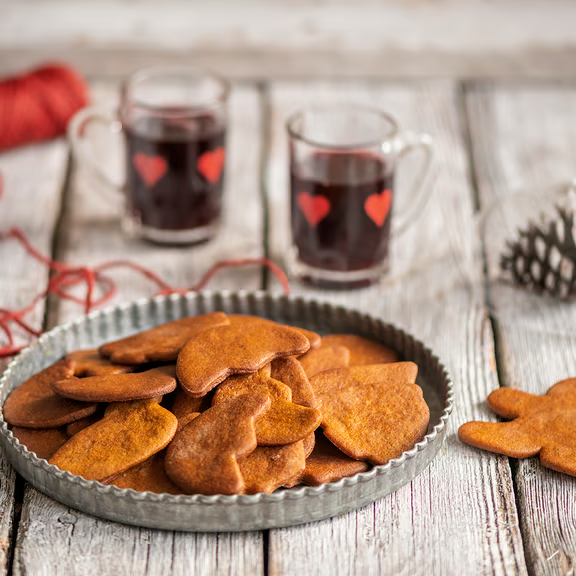
Another seasonal favourite is piparkakut, Finnish gingerbread biscuits. They are flavoured with warming spices and are often cut into shapes such as stars, hearts and Christmas trees. Baking and decorating gingerbread is a popular Christmas activity for families, especially those with children. The biscuits are also served with coffee or tea when relatives and friends visit.
A typical Finnish Christmas spread may also include Christmas bread, fruit-based desserts and other homemade pastries. Recipes differ, and there is no single menu that every household follows. Some families prepare nearly all the traditional dishes, while others choose only a few favourites or introduce recipes that have become part of their own family celebrations.
Drinks play their part too. Glögi is the familiar Finnish Christmas drink, a warm, spiced beverage that is particularly popular during the weeks leading up to Christmas. It is commonly made from berry juice or other fruit-based ingredients, with versions containing wine also available. It is often served with raisins and almonds, making it a familiar sight at Christmas markets, workplace gatherings and family celebrations.

Although traditional Finnish Christmas food remains widely recognised, the meal is not fixed in time. Vegetarian and vegan alternatives have become part of contemporary Christmas cooking, and some households choose turkey, fish or plant-based dishes instead of the traditional pork ham. The Finnish Literature Society’s cultural material also documents modern Christmas food prepared in vegetarian and vegan versions. Family preferences, regional traditions and dietary requirements all influence what eventually reaches the table.
For anyone experiencing Christmas in Finland for the first time, the food offers a particularly revealing introduction to the country’s home traditions. Some dishes may be familiar, while others, especially the vegetable casseroles and rosolli, may be quite different from what visitors associate with a Christmas dinner.
The best way to understand the Finnish Christmas table is to see it as a collection of traditions rather than one compulsory menu. The ham, casseroles, fish, porridge and seasonal pastries each have their own place, but the meal ultimately brings families together around food that many Finns associate with childhood, home and the Christmas season.