
African tourism is often introduced to international travellers through images of elephants crossing open plains, lions resting beneath acacia trees and safari vehicles moving through vast national parks. These experiences remain among the continent’s strongest attractions, drawing visitors to destinations such as Kenya, Tanzania, Botswana, South Africa and Namibia. But the safari narrative has become so closely associated with African travel that it can overshadow the extraordinary range of experiences available across the continent.

Africa is not one destination, nor does it offer a single type of holiday. Its 54 countries encompass ancient cities, historic trading centres, tropical islands, mountain landscapes, busy coastal towns, rainforests, deserts, food cultures and some of the world’s most distinctive cultural traditions. For travellers willing to look beyond the traditional wildlife circuit, the continent presents opportunities for experiences that have little to do with spotting animals from a safari vehicle.
The scale of that diversity is reflected in the continent’s geography and cultural heritage. North Africa offers a different travel experience from West Africa, while the landscapes and traditions of East, Central and Southern Africa bring their own identities. A visit to Morocco might involve exploring the old medinas of Marrakech and Fes, discovering traditional architecture or travelling through the Atlas Mountains. In Ghana, visitors can explore coastal forts, historic communities, traditional markets and the country’s music and food scenes. In Ethiopia, ancient religious sites, distinctive architecture and dramatic highland landscapes offer another perspective on African travel.
These are not secondary attractions waiting to be discovered after a safari. They are tourism experiences in their own right, with histories, communities and identities that deserve attention.
For many international visitors, wildlife remains the starting point when considering an African holiday. The Serengeti in Tanzania, Maasai Mara in Kenya, Kruger National Park in South Africa and the Okavango Delta in Botswana have established reputations that are recognised well beyond the continent. Their appeal is understandable. Wildlife encounters, conservation areas and dramatic natural landscapes offer experiences that are difficult to replicate elsewhere.
However, the popularity of these destinations has also influenced how Africa is marketed internationally. Promotional campaigns, travel documentaries and tour packages frequently place wildlife at the centre of the continent’s tourism identity. This can create an incomplete impression, particularly among travellers who have limited knowledge of the countries and cities beyond the best-known safari destinations.
Consider the coastline. Africa has thousands of kilometres of coastline, with destinations offering very different experiences depending on the country and region. Zanzibar, off the coast of Tanzania, is known for its beaches, historic Stone Town and Swahili cultural heritage. Seychelles and Mauritius attract visitors with island landscapes, marine activities and resort experiences. In West Africa, Ghana’s coastline combines beaches with fishing communities, historic settlements and cultural landmarks. Senegal offers a coastal experience shaped by its Atlantic setting, food, music and history.
The continent’s islands also deserve greater recognition in international travel conversations. Cape Verde, São Tomé and Príncipe, Mauritius, Seychelles and Madagascar each offer distinctive landscapes and travel experiences. Madagascar, in particular, has an ecological identity that sets it apart, with wildlife and plant species found nowhere else in the world. Its appeal extends beyond conventional beach tourism, making it an important destination for nature and adventure travellers.
Urban tourism is another part of Africa’s travel offering that receives less attention than it deserves. Cities such as Cape Town, Accra, Nairobi, Kigali, Lagos, Dakar, Casablanca and Addis Ababa have distinct personalities and provide visitors with opportunities to understand contemporary African life. Their attractions range from architecture and museums to restaurants, music venues, creative districts, markets and major cultural events.
Cape Town, for example, combines coastal scenery with urban experiences, mountain landscapes, wine regions and a complicated but important history. Accra offers a lively introduction to Ghanaian food, contemporary music, fashion, nightlife and everyday social life. Nairobi provides a meeting point between modern city experiences, creative industries and access to nearby nature attractions. Kigali has developed a recognisable urban identity, with cultural institutions, restaurants and a growing hospitality scene.
ALSO READ: Ngorongoro Conservation Area Offers a Different Kind of Safari in Tanzania
These cities are not simply places travellers pass through on their way to national parks. They can be the main reason for a visit.
Food is another powerful way to experience the continent, yet African cuisine remains underrepresented in many international travel conversations. Travellers visiting different countries can encounter remarkable differences in ingredients, preparation methods, dining customs and regional specialities. Ghanaian jollof rice, Senegalese thieboudienne, Ethiopian injera, Moroccan tagines, Nigerian suya and South African braai represent only a small part of the continent’s culinary range.
Food tourism offers more than an opportunity to try unfamiliar dishes. Local restaurants, street food markets, cooking experiences and traditional food businesses can provide insight into the history and daily lives of the communities travellers visit. In many destinations, food is closely connected to family traditions, agriculture, trade and cultural identity.

The same is true of Africa’s fashion, music and arts industries. Accra, Lagos, Dakar, Johannesburg and Cape Town have become important centres for creative expression, with designers, musicians, artists and cultural organisers contributing to contemporary African identity. Events, fashion weeks, festivals and live performances can give international visitors a different understanding of the continent, one that moves beyond the familiar images often used in tourism advertising.
Cultural heritage tourism also has considerable potential. Across Africa, historical sites tell stories of ancient kingdoms, trade networks, migration, colonialism, resistance and independence. Ghana’s Cape Coast and Elmina castles, for example, are important sites connected to the transatlantic slave trade. Senegal’s Gorée Island carries its own historical significance, while Ethiopia’s rock-hewn churches of Lalibela demonstrate an extraordinary architectural and religious heritage. Morocco’s historic medinas and the ancient city of Timbuktu in Mali offer further examples of the continent’s historical depth.
These destinations require thoughtful presentation. Historical tourism should not reduce complex histories to attractive backdrops for photographs. Visitors need opportunities to understand the people, events and circumstances that shaped these places. Local guides, museums, heritage organisations and community-led experiences can play an important role in making those visits more meaningful.
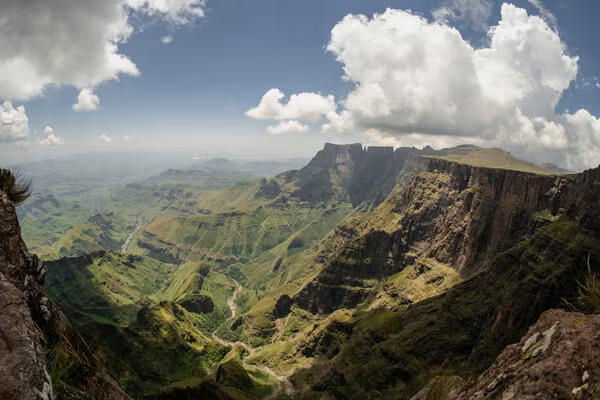
Adventure tourism provides another reason to reconsider the conventional image of African travel. The continent offers opportunities for mountain climbing, hiking, diving, surfing, kayaking, cycling and desert exploration. Mount Kilimanjaro in Tanzania attracts climbers from around the world, while Morocco’s Atlas Mountains provide opportunities for trekking. The Drakensberg mountains in South Africa, Namibia’s desert landscapes and the natural environments of Uganda and Rwanda offer very different outdoor experiences.
For travellers interested in nature without necessarily taking part in a traditional safari, Africa also has rainforests, wetlands, lakes, waterfalls and marine environments worth exploring. Birdwatching, diving, walking tours and conservation-focused travel can introduce visitors to ecosystems that are often overlooked in mainstream destination marketing.
The economic importance of expanding this tourism narrative should not be underestimated. According to UN Tourism, Africa recorded approximately 81 million international tourist arrivals in 2025, an increase of 8 per cent compared with 2024. North Africa recorded particularly strong growth, with arrivals rising by 11 per cent. The figures were provisional in the organisation’s January 2026 reporting.
Those figures demonstrate the scale of international travel to the continent, but arrival numbers alone do not explain the full value of tourism. Where visitors go, how long they stay, what they spend and which local businesses benefit are equally important considerations. A tourism industry that depends heavily on a limited number of well-established destinations risks overlooking opportunities in other regions and communities.
A broader tourism offering could help distribute visitor spending across more locations and businesses. Independent hotels, guesthouses, restaurants, local guides, transport operators, artisans and cultural organisations all have a role to play in the visitor economy. In destinations where tourism is developed responsibly, these businesses can create employment and provide income beyond the traditional hospitality and safari sectors.
There are, however, practical challenges. Promoting lesser-known destinations internationally is not enough if travellers struggle to find reliable transport connections, accessible accommodation, clear travel information or straightforward entry requirements. Infrastructure, safety, service standards and connectivity remain important considerations, and conditions vary considerably between countries. Some destinations have well-developed tourism industries, while others need greater investment and coordination to turn their attractions into accessible visitor experiences.
There is also a question of how African destinations present themselves to the international market. Countries frequently compete for attention individually, but the continent’s wider tourism appeal could benefit from stronger regional cooperation. Better connections between neighbouring countries, more accessible travel information and cross-border itineraries could encourage visitors to explore several destinations during one trip. A traveller visiting Ghana, for example, might also be interested in Benin and Togo, while a journey through Southern Africa could combine experiences in South Africa, Namibia, Botswana and Zimbabwe, depending on available connections and entry requirements.
Such travel requires practical planning, but it demonstrates how the continent’s tourism experiences can complement one another rather than exist as isolated attractions.
There is also a need for tourism marketing to reflect the people who live in these destinations. Too often, international portrayals of Africa focus on landscapes and wildlife while giving less attention to the communities, entrepreneurs and creative industries that shape everyday life. Travellers increasingly seek experiences that connect them with local culture, food, history and people. African destinations have considerable opportunities to meet that interest without turning authentic traditions into performances designed solely for visitors.
The safari industry will remain an important part of Africa’s international tourism appeal. It supports conservation, creates employment and gives travellers access to some of the world’s most remarkable natural environments. The argument is not that wildlife tourism should receive less attention, but that it should no longer be treated as the defining experience of an entire continent.
Africa’s tourism future is better understood through the combination of its natural landscapes, cultural heritage, cities, islands, food, creative industries and local experiences. A visitor may arrive for a safari and leave with an interest in African architecture, music or cuisine. Another may travel specifically for a beach holiday, a historical experience or a major cultural festival without ever visiting a national park.
The continent has enough diversity to accommodate all these interests. The challenge for tourism authorities, travel businesses and the international travel industry is to make that diversity more visible, accessible and meaningful.
Africa does not need to abandon its safari identity. It needs the world to recognise that there is much more to discover beyond it.


