
The difference between economy, premium economy, business and first class goes far beyond the amount of legroom available on an aircraft. Each cabin class offers a different combination of seating, personal space, food, baggage allowances, airport services and onboard comfort, with significant variations in what passengers receive depending on the airline and aircraft.
For travellers comparing flight prices, understanding these differences can help determine whether paying more for an upgraded ticket is worthwhile. A business class ticket on one airline, for example, may offer a fully flat bed and access to an airport lounge, while another carrier may provide a different range of services under the same cabin label. First class can offer an even more exclusive experience, but it is not available on every airline or route.
Economy class remains the most widely available and generally the least expensive cabin on commercial flights. It is designed to carry the largest number of passengers, with seating arranged to make efficient use of the aircraft’s available space. Seats are typically narrower, legroom is more limited and passengers sit closer together than they would in the higher cabin classes.

What passengers receive in economy depends partly on the airline’s business model and the type of ticket purchased. Traditional full-service airlines may include meals, checked baggage and in-flight entertainment on many international routes. Low-cost airlines, on the other hand, frequently separate these services from the basic fare, allowing passengers to pay extra for baggage, seat selection, food and other optional services.
ALSO READ: What Is Included in an Economy Class Flight Ticket? Understanding What Your Airfare Actually Covers
On shorter flights, economy passengers may receive little more than a standard seat and access to the airline’s onboard food and beverage service, if one is offered. On longer international journeys, the experience can include complimentary meals, drinks, entertainment screens and blankets. However, these inclusions should never be assumed simply because a ticket is labelled economy.
Premium economy sits between standard economy and business class. It is intended for passengers who want more comfort without paying the substantially higher price often associated with business class.
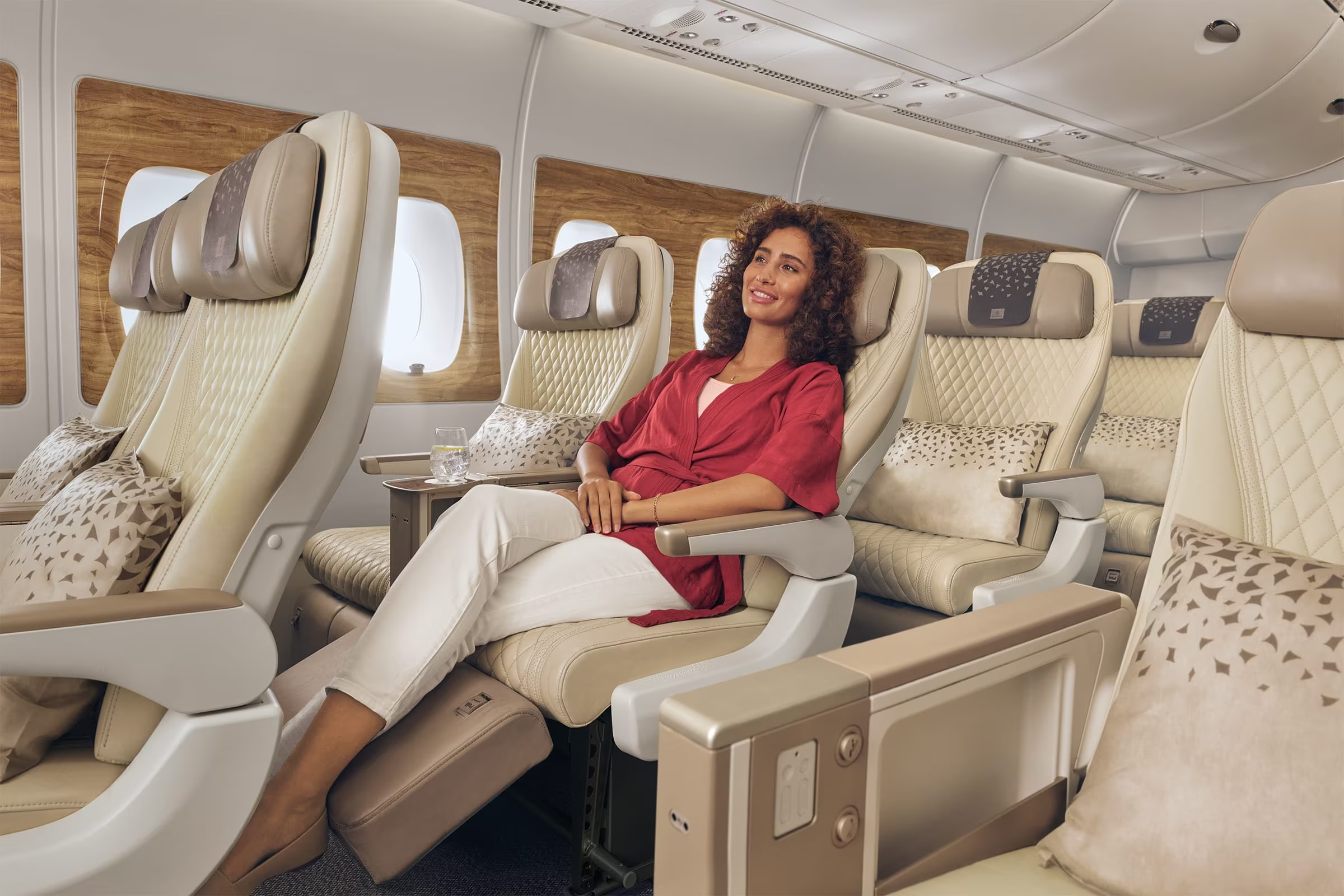
The most noticeable difference is usually the seat. Premium economy seats are generally wider, have more legroom and offer greater recline than standard economy seats. The cabin may also have fewer seats per row, creating additional personal space. Some airlines provide adjustable headrests, footrests, improved seat cushioning and larger entertainment screens.
The additional space can make a considerable difference on long-haul flights, particularly for passengers who struggle to remain comfortable in a standard economy seat for several hours. However, premium economy is not the same as business class. The seats generally do not convert into fully flat beds, and passengers should not expect the same level of privacy or personal space.
Food and beverage services may also be upgraded. Depending on the airline, premium economy passengers can receive improved meal choices, better presentation, complimentary alcoholic drinks and a more extensive dining service than those travelling in economy. Some carriers provide enhanced amenity kits, blankets and pillows.
Baggage allowances and airport services vary. Certain airlines include additional checked baggage, priority boarding or priority check-in, while others offer relatively few ground-service benefits beyond the upgraded seat and onboard experience. Airport lounge access is not automatically included with a premium economy ticket.
For passengers travelling overnight or on long international routes, premium economy can represent a useful middle ground. It provides a more comfortable journey without the cost of a fully equipped business class cabin. Whether the additional fare is justified depends on the difference in price, flight duration and the specific services included.
Business class represents a more substantial change in the flying experience. It is designed around greater personal space, improved seating and a wider range of services before, during and sometimes after the flight.
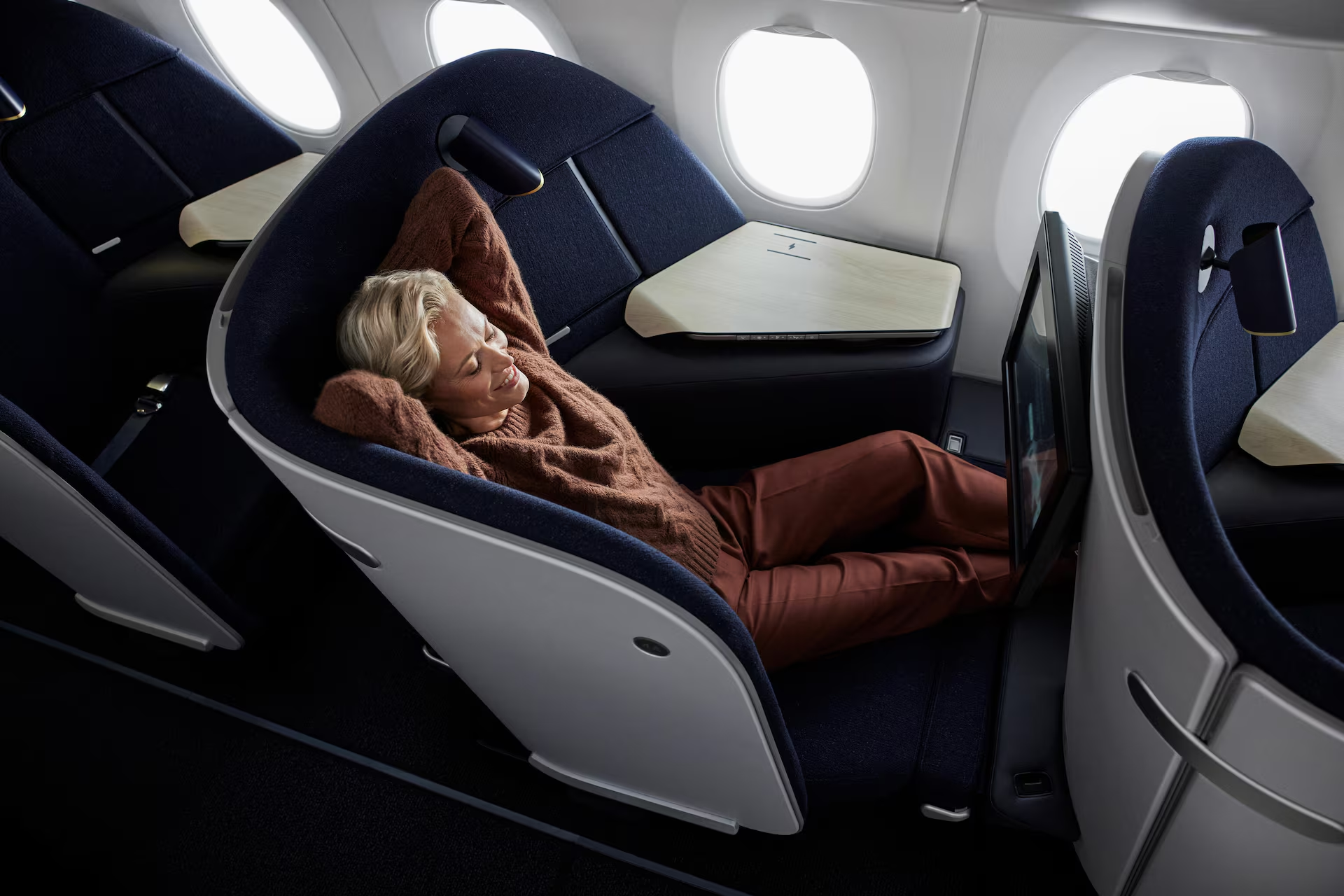
On long-haul international services, one of its most important features is the lie-flat seat. Unlike the reclining seats found in economy and most premium economy cabins, a lie-flat business class seat can convert into a bed, allowing passengers to sleep in a horizontal position. This can be particularly valuable on overnight flights where arriving rested may be important.
Business class cabins also tend to have fewer passengers, with seat arrangements designed to provide greater privacy. Depending on the aircraft and airline, passengers may have direct access to the aisle, individual storage compartments, larger entertainment screens, charging facilities and more sophisticated lighting and seating controls.
The experience often begins before boarding. Business class passengers commonly receive priority check-in, priority security where available, priority boarding and access to designated airport lounges. These lounges may offer food, drinks, seating areas, showers, workspaces and other facilities, although the services differ considerably between airports and airlines.
Onboard dining is another major distinction. Business class passengers generally receive a more extensive food and beverage service, which may include several courses, a choice of main dishes, premium drinks and meals served on proper tableware. Some airlines allow passengers to select meals in advance, while others offer dine-on-demand services on selected routes.
Additional benefits may include larger baggage allowances, amenity kits containing travel essentials, improved bedding and more attentive cabin service. Nevertheless, the exact package depends on the airline, route and fare conditions. A business class ticket does not guarantee every possible premium service, particularly when travelling on shorter regional flights.
First class occupies the highest cabin category offered by airlines that operate it. It is generally positioned above business class, although the distinction between the two has become less straightforward as some airlines have invested heavily in improving their business class products.
First class is not available on every aircraft or airline. Some carriers have discontinued it on certain routes, choosing instead to invest in larger or more advanced business class cabins. Others continue to offer dedicated first class products on selected long-haul services.

Where available, first class is designed to provide a more private and personalised experience. Depending on the airline, passengers may have access to individual suites with closing doors, substantially more living space, larger seats and dedicated storage areas. Certain aircraft offer enclosed private spaces that can feel closer to a small hotel room than a conventional aircraft seat.
The sleeping arrangements can also be more elaborate. While business class passengers may have fully flat beds, some first class products provide separate sleeping surfaces, more extensive bedding and greater room to move. The facilities differ between airlines, and not every first class cabin offers a private suite or separate bed.
Dining is another area where airlines seek to distinguish first class. Passengers may be offered more extensive menus, premium ingredients, a wider selection of drinks and greater flexibility over when meals are served. Some carriers provide restaurant-style dining experiences, although the quality and presentation remain dependent on the airline and route.
Ground services can be particularly distinctive. Depending on the carrier and airport, first class passengers may receive dedicated check-in facilities, private lounges, chauffeur services, personalised assistance and priority baggage handling. Some airlines also offer private terminal experiences at selected airports.
The price difference between first class and business class can be considerable. For many travellers, the additional privacy and personalised services may not justify the higher cost, especially when business class already provides a fully flat bed and airport lounge access. First class is therefore often aimed at passengers who place a particularly high value on exclusivity, space and individual attention.
Although the four cabin classes follow a general hierarchy, the experience is not identical across the aviation industry. Airlines make different decisions about cabin design, service standards and ticket inclusions. Aircraft type also matters. A premium economy seat on a modern long-haul aircraft may offer a different experience from one on an older aircraft, while business class seating can vary significantly between airlines operating the same route.
The distinction between the classes can also become less obvious on short-haul flights. Some airlines operate business class cabins on European or other regional routes using the same physical seats found in economy, with the middle seat left unoccupied to provide additional space. The benefits may come primarily through priority services, food and baggage allowances rather than a different seat design.
Ticket conditions deserve attention as well. Two passengers sitting in the same cabin may have purchased tickets with different baggage allowances, cancellation conditions, refund rights and opportunities to change their flights. The cabin class alone does not explain every benefit attached to a booking. Airlines also sell different fare types within the same cabin, making it important to read the conditions before paying.
For passengers deciding which class to book, the length and purpose of the journey are often more useful considerations than the prestige associated with a particular cabin. Economy may be perfectly adequate for a short flight where the passenger expects to spend little time onboard. Premium economy can provide worthwhile additional comfort on a long journey, particularly when the price difference is reasonable. Business class may be more attractive for overnight travel, business trips or journeys where arriving well-rested matters. First class offers the highest level of exclusivity on airlines that operate it, but the additional expense will not make sense for every traveller.
Ultimately, the difference between economy, premium economy, business and first class is the amount of space, comfort, service and convenience an airline provides at each price level. However, passengers should compare the actual aircraft, seat configuration, baggage allowance, airport benefits and fare conditions rather than relying on the cabin name alone. The most expensive ticket is not necessarily the best value, and a well-chosen premium economy or business class seat may provide everything a particular journey requires.


